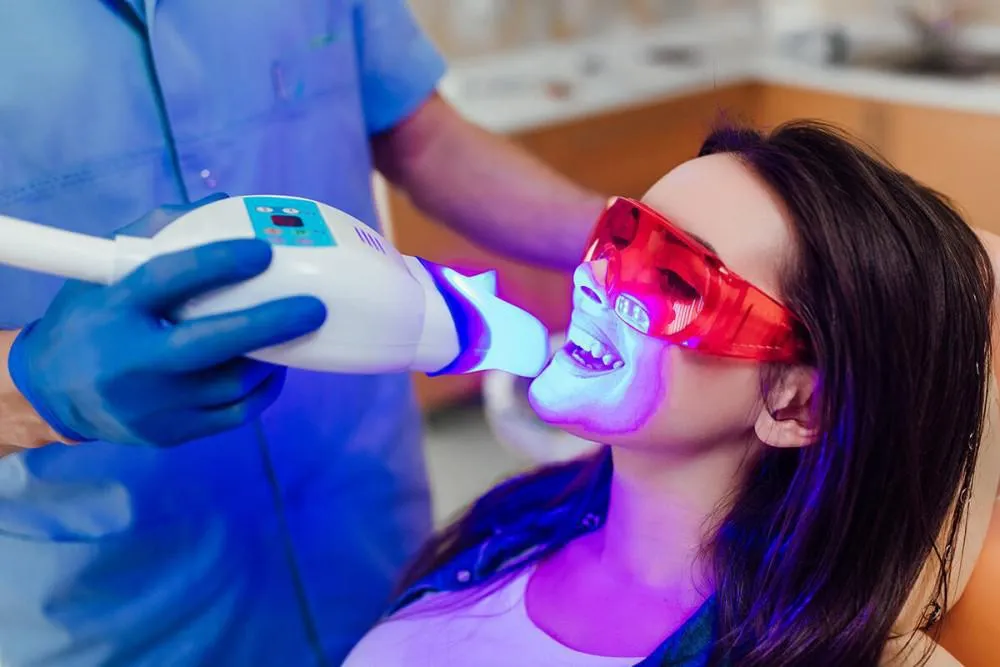
Zoom whitening is a popular in-office teeth whitening procedure, promising a brighter smile in just one session. However, it’s not uncommon for people to experience less-than-ideal results or to find that their teeth don’t whiten as much as expected. If you’re wondering why your Zoom whitening didn’t work, several factors might be at play. This article explores the common reasons behind Zoom whitening failures and what you can do about it. Understanding these factors is crucial for managing expectations and making informed decisions about your dental health. It’s important to remember that every individual’s teeth are unique, and the effectiveness of whitening treatments can vary.
Why Zoom Whitening Didn’t Work
Several factors can contribute to why Zoom whitening might not yield the desired results. From the condition of your teeth to your lifestyle habits, many aspects can impact the effectiveness of this treatment. Recognizing these elements is the first step in addressing the issue and finding potential solutions. It is essential to note that the shade and condition of your teeth before the procedure significantly influence the final outcome. Understanding these contributing factors can guide you toward appropriate solutions, whether that involves retreatment or exploring alternative methods.
Inconsistent Tooth Whitening
One of the most frustrating outcomes is inconsistent whitening across different teeth. This occurs when some teeth respond well to the treatment, while others show little to no change in color. This unevenness can be due to a variety of reasons, including varying enamel thickness, the presence of dental work, or differing levels of stain absorption. Inconsistent whitening can sometimes be addressed with additional treatments, spot treatments, or alternative whitening approaches tailored to the affected teeth. It’s essential to discuss this with your dentist, who can assess the cause and recommend the most appropriate course of action.
Pre-Existing Dental Conditions

Certain pre-existing dental conditions can affect the efficacy of Zoom whitening. These conditions create barriers to the whitening agents, preventing them from effectively penetrating the tooth enamel. Problems like cavities, gum disease, and enamel defects can all impede the whitening process, leading to less dramatic results. If you have any of these conditions, addressing them before proceeding with Zoom whitening is important. This ensures that the treatment can work optimally and that you achieve the best possible outcome. Consulting with your dentist about any underlying issues is always recommended.
Untreated Cavities or Gum Disease
Cavities and gum disease can significantly undermine the effectiveness of Zoom whitening. The presence of cavities means the whitening agent may not be able to penetrate the tooth evenly, leading to uneven or poor results. Similarly, gum disease can cause sensitivity, making the whitening procedure uncomfortable or even inadvisable. Treating these issues before whitening is essential to a successful outcome. If you suspect you might have cavities or gum disease, a check-up with your dentist is crucial. Delaying treatment can compromise both your oral health and the effectiveness of the whitening treatment.
Tooth Sensitivity and Whitening
Tooth sensitivity is a common side effect of Zoom whitening. The whitening agents can temporarily make your teeth more sensitive to hot and cold temperatures. This sensitivity can vary from mild discomfort to more intense pain, making the procedure less pleasant. While sensitivity usually subsides within a few days after the treatment, it might also be a deterrent for some. Dentists often recommend using a desensitizing toothpaste before and after the procedure to alleviate this issue. Other options, such as fluoride treatments, can also help reduce sensitivity. Being prepared for potential sensitivity can help ensure a more comfortable experience.
The Role of Stain Buildup

The type and extent of stains on your teeth play a huge role in the success of any teeth whitening procedure. Surface stains, caused by coffee, tea, or tobacco, are generally easier to remove than intrinsic stains that are embedded within the tooth structure. Knowing the type of stain you have and how it affects the whitening process is crucial. Proper dental hygiene practices and regular cleanings can help prevent surface stains from accumulating, thereby allowing the whitening treatment to work better. Evaluating the origin of the stains beforehand helps in setting realistic expectations.
Surface Stains vs. Intrinsic Stains
Surface stains sit on the enamel surface and are generally caused by dietary and lifestyle choices. Intrinsic stains, however, are located within the tooth structure, often resulting from factors like aging, genetics, or certain medications. Zoom whitening is most effective on surface stains; intrinsic stains may require more aggressive treatments or may not respond as well. Your dentist can determine the type of stains you have through an examination and may adjust the whitening approach accordingly. Understanding the difference between these types of stains can help manage your expectations and choose the most appropriate whitening method.
The Influence of Diet and Lifestyle
Your diet and lifestyle habits significantly influence the effectiveness and longevity of Zoom whitening results. Consuming foods and beverages high in staining agents, such as coffee, tea, red wine, and dark berries, can undo the whitening effect. Smoking or using tobacco products can also stain teeth and reduce the impact of the whitening treatment. Adopting a tooth-friendly diet and avoiding these substances can help maintain a brighter smile. Furthermore, maintaining good oral hygiene practices can also slow down staining and help your results last longer. Being mindful of these factors can substantially improve your overall outcome.
Dietary Habits and Whitening Effects

Certain dietary choices can have a direct impact on the effectiveness and longevity of your Zoom whitening results. Foods and drinks with strong pigments like coffee, tea, red wine, and curries are notorious for causing stains on teeth. These substances contain chromogens, which can easily adhere to the enamel and lead to discoloration. It’s important to limit your intake of these items, especially immediately after the whitening procedure. Rinsing your mouth with water after consuming staining foods and beverages can also help minimize their impact. Making smart dietary decisions can significantly help you to maintain your whiter teeth.
Lifestyle Factors and Whitening
Lifestyle habits like smoking and tobacco use can significantly diminish the impact of teeth whitening. The nicotine and tar in these products are known for causing teeth to turn yellow or brown. Moreover, smoking can make your teeth more susceptible to stains and negatively affect your overall oral health. Quitting smoking not only improves your teeth’s appearance but also boosts your overall well-being. For those who can’t quit, regular dental cleanings and careful attention to oral hygiene are even more critical to minimize the negative effects of these lifestyle choices.
The Importance of Aftercare
Proper aftercare is essential to maintain the results of your Zoom whitening. Following your dentist’s instructions, which may include avoiding certain foods and beverages for a specific period, is essential. Maintaining a rigorous oral hygiene routine, including brushing, flossing, and using mouthwash, helps prevent stains and maintain a brighter smile. Regular check-ups and professional cleanings are also essential to keeping your teeth as white as possible. Taking good care of your teeth post-whitening maximizes the lifespan of your treatment and ensures your teeth stay brighter for a more extended period.
Post-Whitening Sensitivity Management

Dealing with sensitivity after Zoom whitening is a common concern. Several strategies can help manage this temporary discomfort. Using a desensitizing toothpaste that contains potassium nitrate before and after the procedure can help reduce sensitivity. Avoiding extremely hot or cold foods and drinks for a few days after treatment is also advisable. Your dentist may also recommend fluoride treatments to help strengthen your enamel and minimize sensitivity. If the sensitivity is severe, consider consulting your dentist, who can provide personalized recommendations.
Maintaining Your Whitened Smile
Maintaining your whitened smile requires commitment and careful practices. Regularly brush and floss your teeth to eliminate plaque and food particles, preventing the build-up of stains. Schedule regular dental check-ups and cleanings to keep your teeth in top condition and remove any surface stains. Consider using a whitening toothpaste or a touch-up treatment at home to maintain the brightness. Being proactive and consistent with your oral care routine will help prolong the benefits of your Zoom whitening treatment, keeping your smile radiant and your teeth healthy.
Exploring Alternative Whitening Options
If Zoom whitening didn’t work as expected, or if you’re not a candidate, other whitening options are available. These alternatives can vary in terms of approach, cost, and effectiveness. Discussing these alternatives with your dentist can help you determine the best course of action to achieve the desired results. You can evaluate a more suitable solution and ensure that your smile goals are met. Considering various approaches ensures you have choices that fit your needs, preferences, and dental circumstances.
Professional vs. At-Home Whitening

Professional whitening procedures, like Zoom whitening, are performed in a dental office and offer faster and more dramatic results due to the higher concentration of the whitening agent. At-home whitening kits, typically include custom-fitted trays and lower-concentration bleaching agents. While at-home kits are more convenient and budget-friendly, they may take longer to show results. A dentist can help you evaluate the pros and cons of each approach and help you to make an informed decision. Choosing between professional and at-home whitening depends on factors like your desired results, your budget, and your lifestyle.
Seeking Expert Advice
If your Zoom whitening results weren’t satisfactory, it’s crucial to seek expert advice. Consult with your dentist to assess your situation and to discuss possible causes for the lack of whitening. They can examine your teeth and gums, discuss any lifestyle factors that might be influencing your results, and recommend appropriate solutions. Further treatments might include another round of Zoom whitening, alternative whitening methods, or other cosmetic dentistry options. Remember, the key to a brighter smile is a collaborative approach with your dentist. They will guide you towards the most effective and suitable solution for your unique dental needs.