
Understanding Zoom Teeth Whitening Side Effects
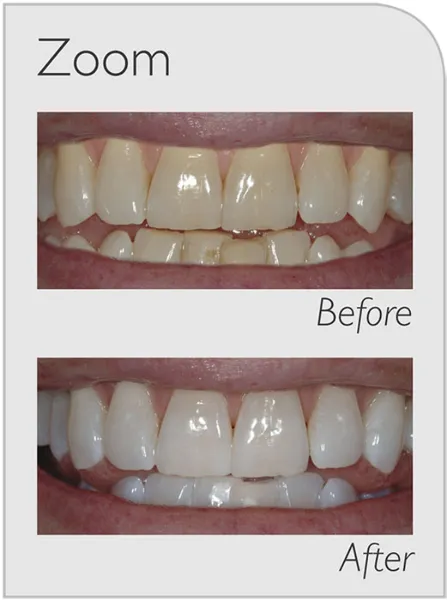
Zoom teeth whitening is a popular cosmetic dentistry procedure designed to brighten your smile. This professional teeth whitening treatment uses a powerful bleaching agent, typically a hydrogen peroxide solution, activated by a special light. While Zoom whitening can deliver impressive results, it’s essential to be aware of the potential side effects. Understanding these side effects can help you make informed decisions about your oral health and prepare for the treatment. This article aims to provide a comprehensive overview of the common and less frequent side effects associated with Zoom teeth whitening, as well as strategies to minimize discomfort and ensure a positive experience. Knowledge empowers you to discuss concerns with your dentist, leading to a more successful and satisfying whitening journey.
Common Side Effects Experienced After Zoom Whitening
Several side effects are commonly reported after Zoom teeth whitening treatments. These are usually temporary and manageable, but it’s crucial to be prepared for them. The intensity of these side effects can vary depending on individual sensitivity, the concentration of the bleaching agent, and adherence to post-treatment care instructions. While most people experience mild side effects, others might have more noticeable reactions. Your dentist can help you understand your specific risk factors during your consultation and provide guidance on how to alleviate any discomfort.
Tooth Sensitivity

Tooth sensitivity is perhaps the most frequently reported side effect of Zoom teeth whitening. Many individuals experience increased sensitivity to hot and cold temperatures, as well as pressure. This occurs because the bleaching agent can penetrate the enamel and reach the dentin, which contains tiny tubules that lead to the nerve of the tooth. The sensation can range from mild discomfort to sharp, shooting pains, but it usually subsides within a few days or weeks. This sensitivity is often temporary and can be managed by using desensitizing toothpaste, avoiding extremely hot or cold foods and drinks, and following your dentist’s recommendations.
Gum Irritation
Gum irritation is another common side effect, often caused by contact with the bleaching agent. The gums may become inflamed, red, and tender, or even experience some mild blistering. While the dentist carefully applies a protective barrier to the gums before the treatment, some solution may still come into contact. This irritation is usually mild and resolves within a few days. However, it is essential to inform your dentist of any discomfort, as they can provide guidance on how to soothe the gums, such as using a prescribed rinse or avoiding irritating foods.
Throat Irritation
Some patients may experience throat irritation, which can manifest as a scratchy throat or mild soreness. This can occur if the bleaching agent comes into contact with the throat during the procedure. The dentist will take measures to prevent this, but sometimes a small amount of the solution can be swallowed. This irritation is typically mild and resolves on its own within a day or two. Staying hydrated and avoiding irritating foods and drinks during this time can help alleviate the discomfort. However, if the symptoms are severe or persist, it is important to contact your dentist.
Other Potential Side Effects

While the above side effects are the most common, other, less frequent issues may arise. These can be a result of individual variations in oral health, the strength of the whitening product used, or pre-existing conditions. Always discuss your health history with your dentist so that they can customize the treatment to minimize the risk of any adverse reactions.
Changes in Tooth Enamel
In some cases, particularly with repeated or excessive whitening, changes in tooth enamel may occur. This can involve a temporary increase in porosity, making the teeth more susceptible to staining. While not always noticeable, this is why dentists recommend using sensitivity toothpaste after whitening. They may also advise a specific diet to prevent further staining of the teeth. The dentist will consider your enamel’s condition before starting and will explain all the effects of whitening treatments.
Allergic Reactions
Although rare, allergic reactions to the bleaching agent or other components used during Zoom teeth whitening are possible. Symptoms can range from mild skin irritation or rash to more severe reactions like swelling or difficulty breathing. It is vital to inform your dentist of any known allergies before the procedure. If you experience any signs of an allergic reaction, seek immediate medical attention.
Dehydration

Dehydration can be a side effect of the process. During the procedure, the mouth is kept open for a long time and the saliva is sucked off. This may cause your body to lose some of its fluids. After the treatment, you should drink plenty of water to keep your body hydrated. This will help your body heal faster and make your experience as pleasant as possible.
How Long Do Zoom Teeth Whitening Side Effects Last
The duration of Zoom teeth whitening side effects can vary significantly depending on several factors. Understanding these factors can help you manage your expectations and prepare accordingly. The vast majority of side effects are temporary, and most individuals experience relief within a few days or weeks. However, in some cases, side effects may linger for a longer period. Your dentist will provide guidance on what to expect based on your individual circumstances.
Factors Affecting Side Effect Duration
Several factors can influence how long side effects last. Recognizing these factors can help you understand your own experience. The specifics of these factors and their influences should be discussed during the preliminary consultation to set appropriate expectations.
Pre-existing Conditions

Individuals with pre-existing dental conditions, such as sensitive teeth, gum disease, or enamel erosion, may experience more pronounced or prolonged side effects. These conditions can increase the risk of sensitivity and irritation. It is important to inform your dentist about any existing dental issues before the treatment. They may recommend addressing these issues before proceeding with Zoom whitening or adjusting the treatment plan to minimize the risk of complications.
Whitening Product Strength
The concentration of the bleaching agent used in Zoom teeth whitening can also affect the duration of side effects. Higher concentrations of hydrogen peroxide may lead to more intense and longer-lasting sensitivity and irritation. Your dentist will select the appropriate concentration based on your teeth’s condition and desired results, while also considering your sensitivity. They will make sure to balance the results with the side effects you may potentially experience.
Post-Whitening Care
Adhering to post-whitening care instructions is crucial for reducing the duration of side effects. This includes using desensitizing toothpaste, avoiding staining foods and drinks, and maintaining good oral hygiene. Following these guidelines can significantly improve your experience and help your teeth recover faster.
Minimizing Side Effects During and After Zoom Whitening

Fortunately, there are several steps you can take to minimize the risk and severity of side effects during and after Zoom teeth whitening. By working closely with your dentist and following their recommendations, you can optimize your experience and achieve a brighter, healthier smile with minimal discomfort.
Pre-Treatment Consultation and Evaluation
A thorough consultation and evaluation are essential before undergoing Zoom teeth whitening. Your dentist will assess your oral health, discuss your expectations, and explain the potential risks and benefits of the procedure. They may also take X-rays and perform a professional cleaning to ensure your teeth are in optimal condition. This consultation is also an opportunity to discuss any existing sensitivities, allergies, or medical conditions. The dentist will be able to advise you on whether Zoom whitening is the right choice for you and tailor the treatment to minimize the risk of side effects.
Using Fluoride Treatments
Fluoride treatments can help to strengthen tooth enamel and reduce sensitivity. Your dentist may apply a fluoride varnish or recommend a fluoride toothpaste or rinse before or after the whitening procedure. Fluoride helps to remineralize the enamel, making it less porous and more resistant to sensitivity. Using fluoride as part of your treatment plan can significantly reduce discomfort.
Proper Post-Whitening Care
Following your dentist’s post-whitening care instructions is crucial for reducing side effects and maintaining your results. This includes using desensitizing toothpaste, avoiding staining foods and drinks (such as coffee, tea, red wine, and dark-colored berries) for the first few days, and maintaining good oral hygiene. You may also be advised to use a special mouthwash or other products to soothe the gums and promote healing. It is best to avoid smoking during this time. Your dentist will provide a detailed plan to help you get the best results.
When to Seek Professional Dental Advice
While most side effects of Zoom teeth whitening are temporary and manageable, it is important to know when to seek professional dental advice. Certain symptoms may indicate a more serious issue, and prompt attention can prevent complications. Always contact your dentist if you have any concerns or questions regarding your treatment.
Recognizing Serious Side Effects
While rare, some side effects may require immediate attention. These include: severe or prolonged tooth sensitivity that does not improve within a few weeks, severe gum irritation or inflammation that is persistent or worsening, signs of an allergic reaction, such as swelling, rash, or difficulty breathing, and any other unusual or concerning symptoms. If you experience any of these, contact your dentist or seek medical attention immediately.
Contacting Your Dentist
If you have any concerns about your Zoom teeth whitening treatment, the best course of action is to contact your dentist. They can assess your symptoms, provide guidance, and recommend appropriate treatments. Do not hesitate to reach out to your dental professional with any questions or concerns, as they are dedicated to your oral health. Having an open line of communication with your dentist is essential to ensure a successful and comfortable whitening experience.
In conclusion, Zoom teeth whitening is a popular and effective cosmetic procedure, but it is essential to be aware of the potential side effects. By understanding these side effects, taking proactive steps to minimize discomfort, and communicating openly with your dentist, you can achieve a brighter, healthier smile while ensuring a positive experience. Always prioritize your oral health and seek professional guidance when needed, and the results can be truly stunning.