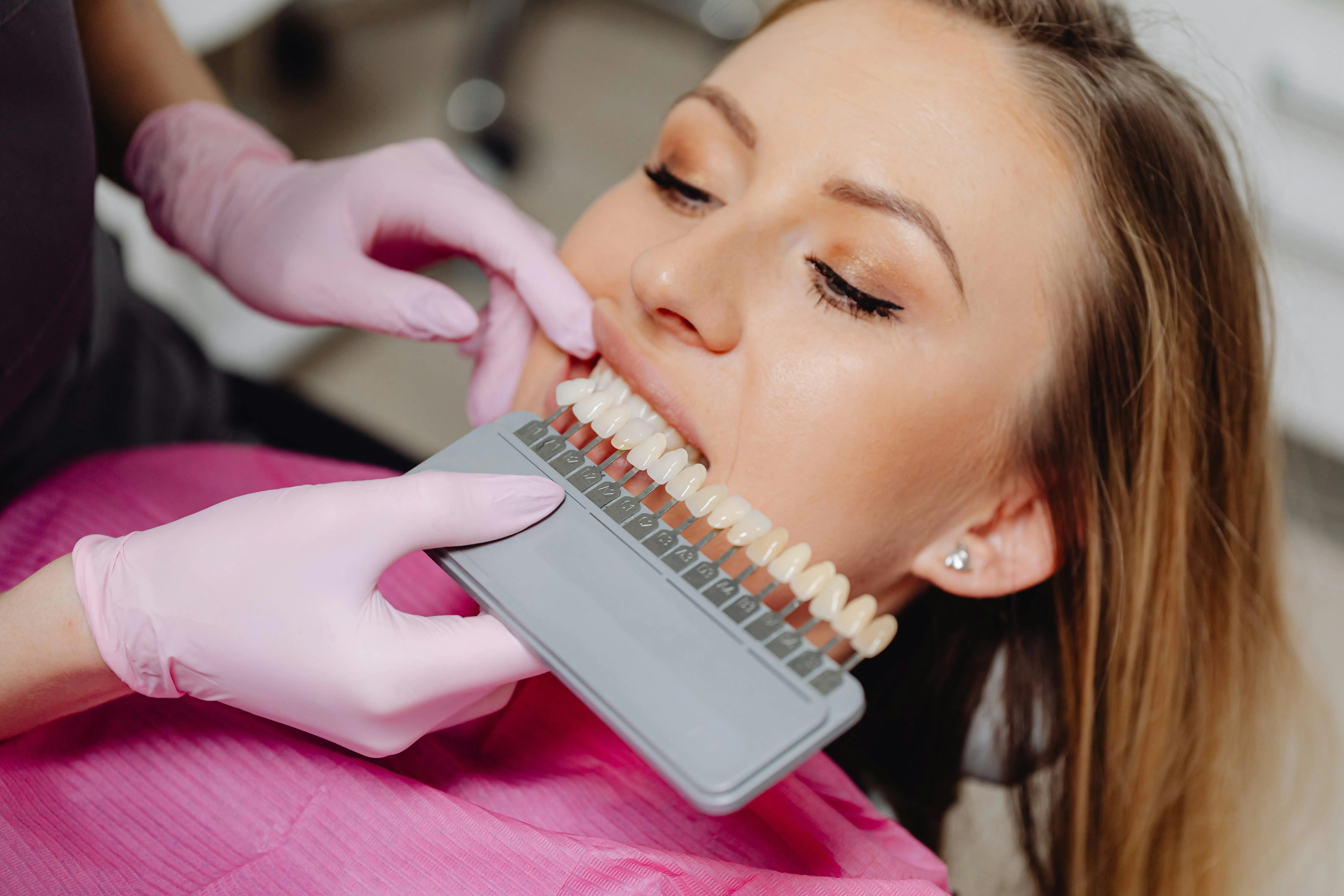
What is Teeth Whitening
Teeth whitening is a cosmetic dental procedure designed to lighten the shade of your teeth, removing stains and discoloration to give you a brighter, more confident smile. This process involves using bleaching agents to break down the stains that have accumulated on the enamel, the outer layer of your teeth. Over time, teeth can become discolored due to various factors, including the consumption of staining foods and beverages like coffee, tea, and red wine, as well as smoking. Teeth whitening offers a solution to reverse these effects, giving you a revitalized appearance. The effectiveness of teeth whitening can vary depending on the type of staining and the method used, but the goal remains the same a radiant, whiter smile.
Types of Teeth Whitening
There are various methods available for teeth whitening, each offering different levels of convenience, cost, and effectiveness. The primary types can be broadly categorized into over-the-counter products and professional treatments. The choice of method depends on your personal preferences, budget, and the extent of discoloration. Some options are suitable for minor staining, while others are designed for more severe cases. Understanding the different options helps you make an informed decision on the best way to achieve the whiter smile you desire. The most important thing is to discuss the options with your dentist, who can guide you towards the safest and most effective whitening strategy based on your oral health needs.
Over-the-Counter Whitening Products

Over-the-counter (OTC) whitening products are easily accessible and generally more affordable than professional treatments. They are a popular choice for those looking for a convenient and cost-effective solution. These products typically contain lower concentrations of bleaching agents, making them safer for use at home but also less potent. While OTC options can be effective for mild staining, they may not be suitable for more severe discoloration. It’s essential to read and follow the instructions on any OTC product carefully to ensure safe and effective use. Common OTC products include whitening toothpastes, strips, and gels, each designed for a specific application method. It is always advisable to consult your dentist before starting any new teeth-whitening treatment.
Whitening Toothpastes
Whitening toothpastes are designed to remove surface stains using mild abrasives and polishing agents. They are a common part of daily oral hygiene routines. These toothpastes are effective at removing stains from coffee, tea, and other foods, making them a good option for maintaining a bright smile. However, they are not typically effective at changing the underlying color of your teeth because they do not contain bleaching agents like hydrogen peroxide or carbamide peroxide. Regular use of whitening toothpastes can help maintain the results of professional whitening treatments or other methods, but it is unlikely to produce dramatic whitening on its own. While they can contribute to a brighter smile, it is essential to choose toothpastes with fluoride for optimal oral health.
Whitening Strips
Whitening strips are thin, flexible strips coated with a bleaching agent, usually hydrogen peroxide. They are designed to be applied directly to the teeth for a specific amount of time. They are convenient and relatively affordable, making them a popular choice for at-home whitening. The strips adhere to the teeth and deliver the bleaching agent, gradually lightening the enamel. Effectiveness can vary depending on the brand and the concentration of the bleaching agent. Whitening strips are generally effective for removing surface stains and can offer noticeable results within a few weeks of consistent use. It is essential to follow the manufacturer’s instructions carefully to avoid potential side effects, such as tooth sensitivity or gum irritation. These strips are available at most pharmacies and supermarkets, making them easily accessible.
Whitening Gels and Trays

Whitening gels can be applied to the teeth using custom-fitted trays or universal trays. Custom trays are made by a dentist to fit your mouth perfectly, ensuring better contact between the gel and your teeth. Universal trays are pre-molded and can be used without a custom fit, but the results might not be as even. The gel contains a bleaching agent that penetrates the enamel to remove stains. The duration and frequency of use depend on the product and the degree of whitening desired. At-home whitening kits often come with trays and gels, offering a more controlled approach than some other OTC options. These are usually more effective than strips as the gels have a higher concentration of bleaching agents. Using custom trays ensures optimal gel coverage and contact, leading to more consistent results. It is important to follow the instructions carefully to avoid any potential sensitivity or side effects.
Professional Teeth Whitening
Professional teeth whitening treatments, performed by a dentist, offer the most effective and often the fastest results. These treatments use higher concentrations of bleaching agents than over-the-counter products, enabling more significant whitening. Professional treatments are tailored to your specific needs and monitored by a dental professional, ensuring safety and maximizing the results. There are two primary types of professional teeth whitening in-office and at-home whitening kits provided by your dentist. Both methods offer advantages over OTC products. Consulting with a dentist allows you to determine the best method for your situation and address any underlying dental issues before beginning the whitening process. This approach ensures your safety and the best possible outcome for a brighter, healthier smile.
In-Office Whitening
In-office teeth whitening is a procedure performed in the dentist’s office, offering immediate and dramatic results. This treatment typically involves a high-concentration bleaching agent applied to the teeth and activated by a special light or laser. The entire process can be completed in about an hour, making it a convenient option for those seeking quick results. Before the whitening, the dentist will usually clean your teeth to remove any plaque or surface stains, ensuring the bleaching agent can effectively penetrate the enamel. Protective measures, such as gum shields, are taken to protect the soft tissues in your mouth. The results are often significant, with teeth becoming several shades whiter. In-office whitening is ideal for those who need immediate results for special events or have stubborn stains. The process is closely monitored, minimizing the risk of sensitivity or other side effects.
At-Home Whitening Kits from Dentist

Dentists also provide at-home whitening kits, offering a customized approach for effective whitening. These kits typically include custom-fitted trays created from impressions of your teeth, ensuring a perfect fit for maximum comfort and efficacy. You will be given a bleaching gel, which you will apply to the trays and wear for a specific amount of time each day or night, as directed by your dentist. The main advantage of these kits is the professional supervision and the custom trays, which improve the bleaching agent’s contact with your teeth. This method allows for gradual whitening over a few weeks, giving you control over the pace of the process. Dentists will monitor your progress and adjust the treatment as needed, ensuring safe and effective results. This approach offers a balance between convenience and professional care.
Benefits of Teeth Whitening
Teeth whitening offers a range of benefits beyond just a brighter smile. The primary advantage is, of course, an enhanced aesthetic appearance, which can significantly boost your self-esteem and overall confidence. Beyond the cosmetic benefits, teeth whitening can have a positive impact on your social and professional life. The process can remove stains caused by common dietary habits or aging, restoring your teeth to a youthful, vibrant appearance. Choosing the right teeth whitening method can lead to noticeable results quickly. This is particularly beneficial for important events or when you simply want to feel better about your smile. With improved self-confidence, you may find yourself more outgoing and comfortable in social settings.
Improved Confidence and Self-Esteem
One of the most significant benefits of teeth whitening is the boost in confidence and self-esteem that it provides. Having a brighter, whiter smile can dramatically improve how you perceive yourself. Many people feel more comfortable and self-assured in social situations and at work after whitening their teeth. This increase in confidence can positively affect various aspects of your life, from your personal relationships to your professional endeavors. Smiling becomes more natural, and you may find yourself more willing to engage with others. The psychological impact of a brighter smile can lead to an overall sense of well-being, improving your daily interactions. The simple act of improving your smile can create a ripple effect of positive changes in your life.
Enhanced Appearance

Teeth whitening dramatically enhances your overall appearance. A bright, white smile is often associated with youthfulness, health, and vitality. It can make you look more approachable, friendlier, and more attractive. Discolored or stained teeth can detract from your appearance, making you look older or less healthy. Teeth whitening can reverse these effects by removing stains and discoloration, restoring your smile’s natural brightness. This can lead to a more radiant and youthful appearance. By improving your smile, you can enhance your overall look and make a positive first impression. This cosmetic procedure can give you a significant advantage in social situations and contribute to your overall sense of well-being.
Potential Risks and Side Effects
While teeth whitening is generally safe, it is essential to be aware of potential risks and side effects. The most common side effects are tooth sensitivity and gum irritation. Understanding these potential issues can help you make an informed decision and take appropriate precautions. It is always recommended to consult your dentist before starting any whitening treatment. This ensures that you have a clear understanding of the risks and can discuss ways to minimize any negative impacts. In addition, your dentist can determine if teeth whitening is appropriate for your dental health. Being informed and prepared can lead to a safer and more satisfying whitening experience.
Tooth Sensitivity
Tooth sensitivity is a common side effect of teeth whitening, especially with higher concentrations of bleaching agents. This sensitivity is caused by the peroxide in the whitening products, which can penetrate the enamel and irritate the nerves in the teeth. The sensitivity usually subsides within a few days after the whitening treatment is completed. To manage sensitivity, your dentist may recommend using desensitizing toothpaste containing potassium nitrate. Avoiding very hot or cold foods and drinks can also help. In some cases, your dentist may recommend a break from the whitening treatment or use a lower concentration of the bleaching agent. This will ensure that you get the whiter teeth you want while minimizing discomfort. If sensitivity is persistent, consult your dentist for advice.
Gum Irritation

Gum irritation is another possible side effect of teeth whitening, particularly if the bleaching agent comes into contact with the gums. This can occur if the whitening trays do not fit properly or if excessive product is used. Symptoms of gum irritation can include redness, swelling, and tenderness. To prevent irritation, it is essential to follow the instructions carefully and ensure that the trays fit your teeth snugly. If you experience gum irritation, stop the whitening treatment and consult your dentist. Your dentist may recommend reducing the amount of bleaching agent used or using a different method. They can also provide treatments to soothe the irritated gums. Proper application and monitoring can reduce the risk of gum irritation, allowing you to achieve a whiter smile safely and effectively.
How to Maintain Whiter Teeth
Maintaining your newly whitened teeth requires diligent oral hygiene practices and lifestyle adjustments. Preventative measures can ensure that your bright smile lasts as long as possible. This involves regular brushing and flossing, avoiding or minimizing staining foods and beverages, and scheduling regular dental check-ups and cleanings. By following these guidelines, you can significantly extend the results of your teeth-whitening treatment and enjoy a bright smile for a long time. It is about making a commitment to your oral health to achieve and maintain the best results. These practices will not only help to maintain your whiter teeth but will also keep your mouth healthy.
Oral Hygiene Practices
Consistent oral hygiene practices are essential for maintaining whiter teeth. Brush your teeth at least twice a day with a fluoride toothpaste to remove plaque and food particles that can cause staining. Floss daily to remove debris from between your teeth, where brushing might miss. Consider using an interdental brush or water flosser for deeper cleaning. Regular use of these tools will keep your teeth cleaner and help to maintain the results of your teeth whitening. Rinsing with an antimicrobial mouthwash can also help kill bacteria and prevent staining. Be sure to choose a mouthwash that doesn’t contain any ingredients that may stain the teeth. Routine oral hygiene helps to keep your teeth clean, healthy, and bright, extending the effects of your whitening treatment.
Dietary Considerations

Dietary choices significantly impact the longevity of your teeth-whitening results. Certain foods and beverages can stain teeth, so limiting their consumption can help maintain your bright smile. Avoid or reduce consumption of staining foods and drinks, such as coffee, tea, red wine, dark sodas, and berries. Rinse your mouth with water or brush your teeth after consuming these items to minimize staining. A diet rich in fruits, vegetables, and water will help support your oral health and keep your teeth bright. If you cannot avoid these foods, use a straw when drinking beverages like coffee or tea to minimize contact with your teeth. These measures will help to reduce stain buildup and maintain your teeth’s whiteness over time.
Regular Dental Check-ups and Cleanings
Regular dental check-ups and cleanings are crucial for maintaining your teeth’s whiteness and overall oral health. Schedule check-ups every six months to allow your dentist to monitor your teeth and identify any potential problems early. During your check-ups, your dentist or hygienist will perform a professional cleaning, removing plaque and tartar that can cause staining and other oral health problems. They can also polish your teeth to remove surface stains and give your teeth a brighter appearance. These regular visits will ensure that any new staining is addressed promptly. Regular dental visits play a crucial role in maintaining your smile. Professional cleaning helps your teeth stay healthy, clean, and bright.