Whitening Teeth Pain The Top 5 Causes
Teeth whitening is a popular cosmetic procedure, but it can sometimes lead to discomfort. Understanding the causes of whitening teeth pain can help you manage the process and achieve a brighter smile without unnecessary suffering. This guide explores the top five reasons why you might experience pain after whitening your teeth, providing insights into each cause and offering tips on how to mitigate the discomfort. From tooth sensitivity to issues related to product usage, we’ll cover everything you need to know to ensure a comfortable whitening experience. Remember, if you experience severe or persistent pain, it’s important to consult your dentist for professional advice and treatment. This is a must read article, so you can avoid the whitening teeth pain.
Tooth Sensitivity
Tooth sensitivity is perhaps the most common side effect of teeth whitening. The active ingredients in whitening products, typically hydrogen peroxide or carbamide peroxide, penetrate the enamel to break down stains. This process can also affect the nerves inside your teeth, leading to increased sensitivity to hot, cold, sweet, or acidic foods and drinks. This type of pain is usually temporary and subsides within a few days after you stop the whitening treatment. Sensitivity levels can vary depending on the concentration of the whitening agent, the duration of treatment, and individual tooth characteristics. Proper handling can reduce the likelihood or severity of the pain.
How Whitening Products Cause Sensitivity

Whitening products contain chemicals that penetrate the enamel and dentin. The dentin contains microscopic tubules that lead to the tooth’s pulp, where the nerves are located. When these chemicals come into contact with the nerves, they can cause inflammation and irritation, resulting in sensitivity. Over-the-counter products often have lower concentrations of whitening agents, which may cause less sensitivity than professional treatments. However, all whitening treatments, regardless of strength, can potentially lead to some degree of sensitivity in certain individuals. Take a look on the label before applying any product.
The Role of Hydrogen Peroxide
Hydrogen peroxide is a key ingredient in many teeth whitening products. It works by releasing oxygen, which breaks down the stain molecules within the tooth enamel. The higher the concentration of hydrogen peroxide, the more effective the whitening process, but also the greater the potential for sensitivity. Professional treatments often use higher concentrations than at-home kits. The use of hydrogen peroxide can temporarily dehydrate the teeth, which makes the nerve endings more susceptible to stimulation and pain. Using products that contain potassium nitrate can help to desensitize the teeth and reduce discomfort. Be sure to use a professional product at your dentist clinic for this and many other important reasons.
Enamel Erosion
Enamel erosion is the gradual wearing away of the tooth’s outer protective layer. While teeth whitening products are not designed to erode enamel, certain factors can weaken it, making teeth more susceptible to sensitivity. When enamel is thin or compromised, the underlying dentin becomes more exposed, allowing for easier access of external stimuli to the tooth’s nerves. This can lead to increased pain and discomfort, especially during and after the whitening process. Preserving enamel is critical for maintaining healthy teeth and avoiding pain. If there is any doubt, please contact your dentist.
Factors that Contribute to Enamel Erosion

Several factors can contribute to enamel erosion, including aggressive brushing, consuming highly acidic foods and drinks, and underlying medical conditions like acid reflux. Brushing too hard can wear away enamel over time, making teeth more sensitive. Acidic substances like citrus fruits, vinegar, and carbonated beverages can also erode enamel. Individuals with conditions that cause stomach acid to enter the mouth are also at risk. The use of whitening products on already compromised enamel can exacerbate sensitivity and pain. Be sure to brush carefully and use the correct toothbrush.
Acidic Foods and Drinks
The consumption of acidic foods and drinks before or after teeth whitening can increase the risk of pain and sensitivity. Acidic substances temporarily soften the enamel, making it more vulnerable to the effects of whitening agents. Citrus fruits, sodas, fruit juices, and vinegar-based products are common culprits. It’s advisable to avoid these items for at least an hour before and after whitening your teeth. Instead, opt for water, milk, or neutral-pH snacks to protect your enamel and minimize discomfort. Proper dietary habits can significantly influence your whitening experience and comfort level. Take care of what you eat and drink.
Gum Irritation or Recession
Gum irritation or recession can also cause pain during teeth whitening. Whitening agents can irritate the soft tissues of the gums, leading to inflammation, redness, and soreness. If the whitening product comes into direct contact with the gums for an extended period, it can cause a burning sensation. Receding gums, where the gum line pulls back, expose the tooth roots, which lack the protective enamel coating. This makes the roots more sensitive to whitening agents and other stimuli. Proper application techniques and using products designed for sensitive gums can help prevent gum irritation.
How Whitening Can Affect Gums

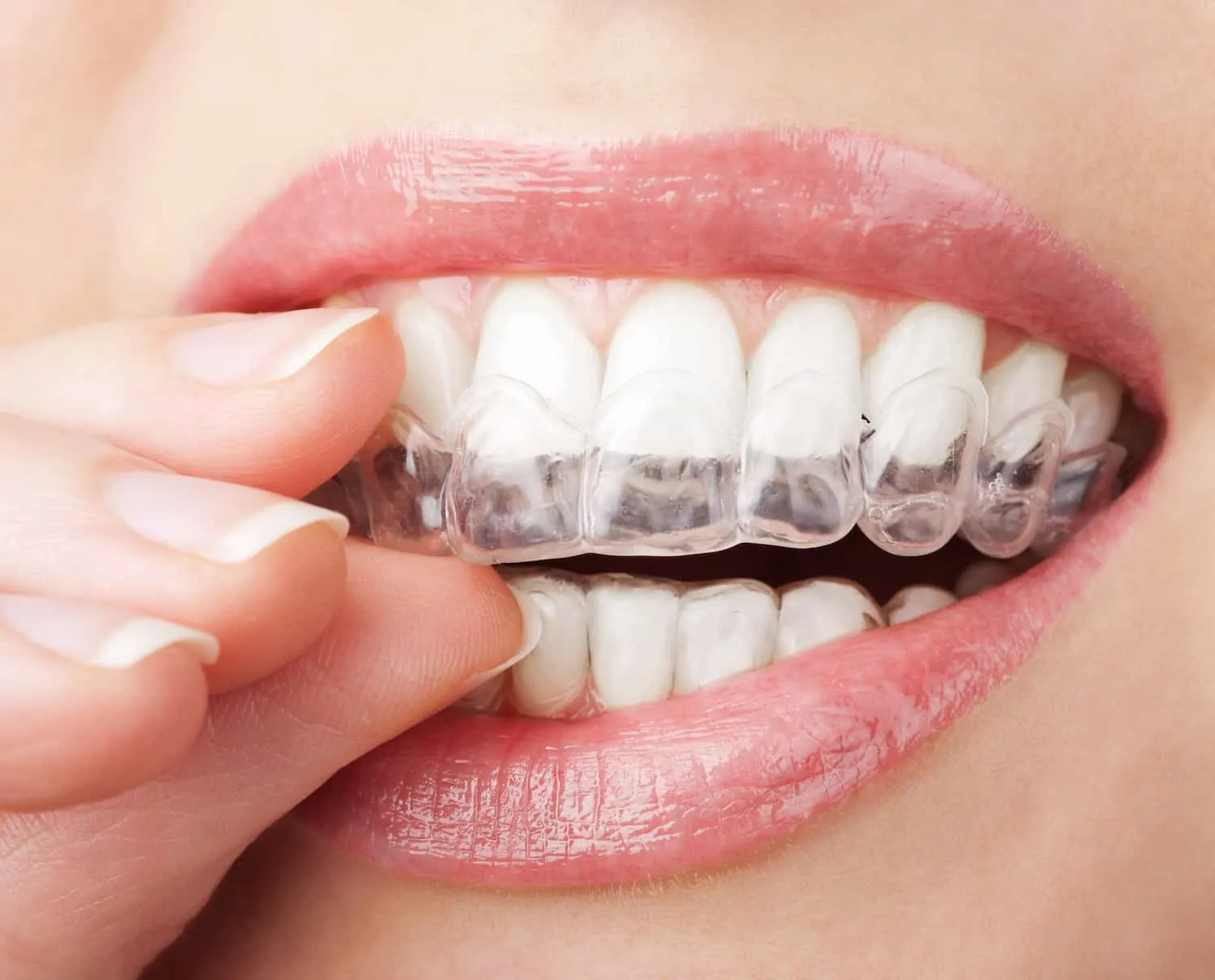
Whitening agents, especially those with high concentrations, can cause chemical burns on the gums. The product’s proximity to the gums, coupled with its chemical composition, is the primary reason. Ill-fitting trays or improper application of whitening strips can increase the risk of gum contact and irritation. Moreover, pre-existing gum conditions, such as gingivitis or periodontitis, can make gums more susceptible to irritation. Always ensure that whitening products are used as directed and that trays fit properly to minimize contact with the gums. If there is any bleeding, stop the process immediately and ask your dentist.
Proper Brushing and Flossing Techniques
Improper brushing and flossing techniques can exacerbate gum irritation. Brushing too aggressively or using a hard-bristled toothbrush can cause the gums to recede and become more sensitive. Flossing too vigorously can also injure the gums, making them vulnerable to irritation from whitening products. Using a soft-bristled toothbrush and employing gentle brushing motions can prevent gum damage. Floss carefully, ensuring that the floss slides smoothly between the teeth without forcing it. Maintaining good oral hygiene is vital to reducing gum irritation and maximizing the benefits of teeth whitening while minimizing potential pain. Proper care will help in the short and long run.
Pre-existing Dental Conditions
Pre-existing dental conditions can increase the likelihood of experiencing pain during teeth whitening. If you have any underlying oral health issues, such as cracked teeth, cavities, or gum disease, whitening treatments can exacerbate these problems. Cracked teeth may allow whitening agents to penetrate the tooth’s interior more easily, leading to increased sensitivity. Cavities expose the sensitive inner layers of the tooth, making them more prone to pain. Gum disease can cause gum recession and inflammation, making the gums more susceptible to irritation. Addressing these conditions before whitening your teeth is essential to ensure a comfortable and successful outcome. Consult with your dentist.
Cracked or Chipped Teeth

Cracked or chipped teeth can cause significant pain during whitening. Cracks and chips provide pathways for whitening agents to reach the tooth’s nerve, resulting in intense sensitivity. Even small cracks that are not immediately visible can lead to discomfort. Before undergoing teeth whitening, it is essential to have any cracks or chips repaired by a dentist. This ensures that the tooth’s interior is protected and minimizes the risk of pain during treatment. The repairs also help maintain the structural integrity of the tooth, which can be further compromised by whitening agents. Cracks are something to take very seriously.
Cavities and Tooth Decay
Cavities and tooth decay significantly increase the risk of pain during teeth whitening. Cavities create holes in the enamel, exposing the sensitive dentin and potentially the tooth’s pulp. The whitening agents can then penetrate these vulnerable areas, causing sharp and intense pain. If you have any cavities, they must be treated by a dentist before undergoing whitening. Filling cavities protects the tooth’s interior, preventing irritation and ensuring a more comfortable whitening experience. Ignoring cavities before whitening can lead to severe pain and potential complications. Prioritizing dental health is key to a successful whitening process.
Incorrect Usage of Whitening Products
Incorrect usage of teeth whitening products is a common cause of pain and discomfort. This includes using products more frequently than recommended, using excessive amounts of the whitening agent, or not following the manufacturer’s instructions. Overusing whitening products can lead to increased tooth sensitivity and gum irritation. Applying too much product can cause the whitening agent to come into contact with the gums more frequently, increasing the likelihood of irritation. Always carefully read and follow the instructions provided with your chosen whitening product. Proper usage maximizes results while minimizing the risk of pain and other adverse effects. Make sure to read carefully.
Overuse of Whitening Products

Overuse of teeth whitening products can significantly increase the risk of pain and sensitivity. Whitening agents should be used according to the manufacturer’s instructions and dental professional’s advice. Over-the-counter products typically recommend specific durations and frequencies for application. Exceeding these recommendations can lead to enamel erosion and increased tooth sensitivity. Professional treatments also have guidelines that should be followed. The more frequently you whiten, the greater the risk of damage and discomfort. Following the instructions is crucial to a comfortable and effective whitening experience. It is a must to respect the instructions on the label.
Using Products Incorrectly
Using teeth whitening products incorrectly can also lead to pain. This includes applying the product unevenly, using it in a way that allows it to contact the gums excessively, or not cleaning trays or applicators properly. Uneven application can cause inconsistent whitening results and increase the risk of irritation. Improper fit or placement of trays can cause the product to leak onto the gums. Failing to clean applicators can lead to bacterial contamination. Following the product instructions precisely ensures that the whitening process is safe and effective. Taking care and being precise makes for the best outcome.
In conclusion, understanding the causes of teeth whitening pain is the first step towards achieving a brighter smile comfortably. By being aware of the top five causes – tooth sensitivity, enamel erosion, gum irritation, pre-existing dental conditions, and incorrect usage of whitening products – you can take proactive steps to mitigate potential discomfort. Choose products with care, follow instructions, and consult with your dentist to ensure your teeth whitening journey is a positive and pain-free experience. Remember, a beautiful smile is achievable without enduring unnecessary pain.