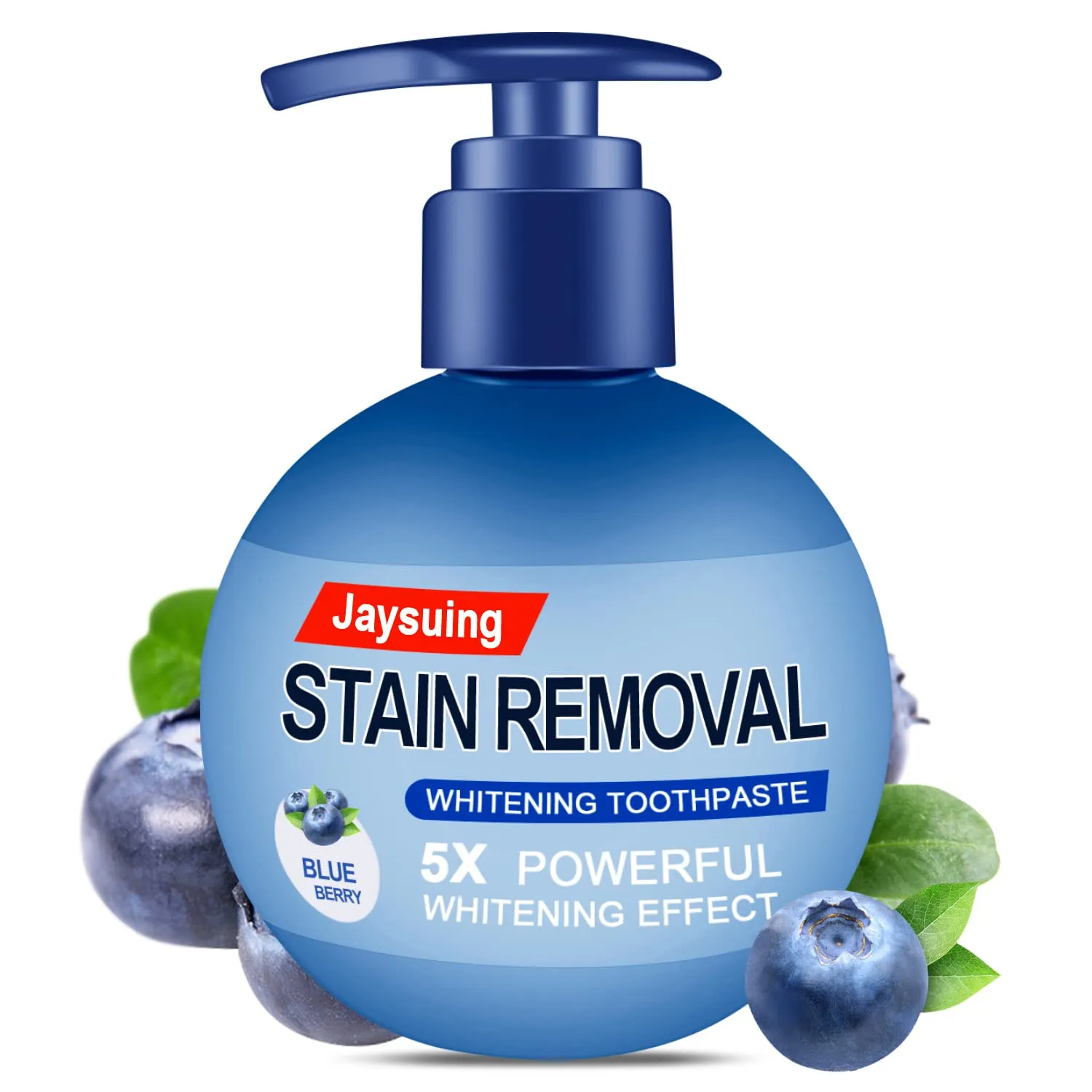
What is Baking Soda and Toothpaste Whitening?
The quest for a brighter, whiter smile often leads people to explore various methods, and one popular DIY approach involves using baking soda and toothpaste. This technique has gained traction because of its accessibility and the perceived effectiveness of its ingredients. Baking soda and toothpaste whitening is a method where a mixture of baking soda, known for its mild abrasive properties, is combined with toothpaste, and then used to brush the teeth. The concept is that the combination will help remove surface stains and polish the teeth, leading to a brighter appearance. While this method can be effective for some, it’s essential to understand the science behind it, the proper techniques, and the potential risks involved before incorporating it into your oral hygiene routine.
The Science Behind Baking Soda’s Whitening Power
Baking soda, chemically known as sodium bicarbonate, plays a key role in the whitening process. It acts as a mild abrasive, which means it can help scrub away surface stains from your teeth. These stains often result from the consumption of pigmented foods and drinks like coffee, tea, and berries. By gently removing these stains, baking soda can reveal the natural color of your teeth, making them appear whiter. However, it’s important to note that baking soda does not actually bleach your teeth. Instead, it cleans the surface. The effectiveness of baking soda also depends on the concentration and how often it is used. The natural abrasive properties of baking soda make it a valuable ingredient for teeth whitening. This gentle abrasion can help remove stains. For the best results, it is often mixed with toothpaste.
How Baking Soda Removes Stains

Baking soda works primarily through mechanical action. Its slightly coarse texture allows it to gently scrape away the accumulated stains on the enamel surface. These stains are caused by chromogens, which are color-producing substances found in many foods and beverages. Over time, these chromogens accumulate and cause teeth to appear dull or discolored. As you brush with a baking soda mixture, the tiny particles work to disrupt and remove the stain molecules. This process is similar to how a cleaning agent lifts dirt and grime from a surface. The effectiveness of baking soda in removing stains depends on the type of stain, how long it has been present, and the frequency of application. Regular use of baking soda can help maintain a brighter smile by preventing the buildup of surface stains. However, it is not effective on intrinsic stains. Intrinsic stains are deeper and can only be removed with professional treatments.
How Toothpaste Contributes to Whitening
Toothpaste enhances the whitening process by adding several beneficial components. Most toothpastes contain mild abrasives similar to baking soda. These abrasives assist in the mechanical removal of surface stains. Furthermore, toothpaste often includes fluoride, which strengthens the enamel and protects against decay. Many whitening toothpastes also contain chemical agents like hydrogen peroxide or other peroxides that contribute to the whitening effect by oxidizing the stain molecules. Toothpaste provides a more complete oral hygiene solution by adding flavoring agents to improve breath and various cleaning agents that promote overall cleanliness. By combining with baking soda, toothpaste can provide a more well-rounded approach. The addition of ingredients like fluoride and specialized cleaning agents can amplify the positive effects and maintain your teeth in optimal condition.
Step-by-Step Guide Whitening with Baking Soda & Toothpaste
Whitening your teeth using baking soda and toothpaste is a simple process that can be easily integrated into your daily oral hygiene routine. However, following the correct steps is crucial to achieve the desired results and minimize any potential risks. This step-by-step guide will help you understand the necessary preparations and techniques to make the most of this DIY whitening method. It ensures that you use the ingredients safely and effectively. This procedure is designed to boost the effectiveness of your teeth whitening procedure, providing a brighter smile while ensuring the health of your teeth. Careful attention to detail and consistent use of this routine is key to achieving the best results. Here are the detailed steps to follow to whiten your teeth using baking soda and toothpaste.
Gathering Your Supplies

Before starting, it’s important to gather the necessary supplies. You will need baking soda, toothpaste, a toothbrush (preferably with soft bristles), and a small bowl or container for mixing. Ensure that the baking soda is pure and food-grade to avoid any unnecessary additives. Any regular toothpaste is suitable for this procedure. You can choose a whitening toothpaste for extra benefit. It is essential to have a clean toothbrush. Using a soft-bristled brush is highly recommended because it is gentle on your enamel. Having these supplies ready before you start ensures that the whitening process is smooth and efficient. Careful preparation will help to ensure a safe and effective whitening experience. Proper tools are the key elements needed to successfully begin this teeth whitening process.
Mixing Baking Soda and Toothpaste
The ratio of baking soda to toothpaste is critical. A common recommendation is to use a small amount of baking soda. Mix it with your regular toothpaste. Start by putting a pea-sized amount of toothpaste on your toothbrush. Then, add a pinch of baking soda. The amount of baking soda should be just enough to coat the brush. This mixture will provide the abrasive action necessary to remove stains. Mix it lightly before applying to your teeth. Overmixing may reduce the effectiveness. If you prefer, you can mix the baking soda and toothpaste in a separate container before applying it to your brush. This method ensures that the mixture is evenly distributed. The correct mixture ratio is crucial for achieving effective whitening without damaging your teeth. It’s essential to find the right balance to maximize the benefits while minimizing risks.
Application Techniques
The way you apply the mixture to your teeth is also important. Brush your teeth gently. Use circular motions. Make sure to cover all surfaces of your teeth, including the front, back, and chewing surfaces. Brush for about two minutes, just like you would with regular toothpaste. The slight abrasiveness of the baking soda helps remove stains from your teeth. Brushing longer will not provide better results. Ensure that you do not apply excessive pressure, as this can wear down your enamel. After brushing, rinse your mouth thoroughly with water to remove all traces of the mixture. You might also consider rinsing with mouthwash for added freshness and protection. Consistent and gentle brushing is key to achieving the best results. Maintaining good oral hygiene practices will ensure the health and brightness of your teeth.
Important Considerations Safety and Effectiveness

While baking soda and toothpaste can be an effective method for teeth whitening, it is important to consider the safety aspects to ensure that your oral health is maintained. Although baking soda is considered a mild abrasive, using it too frequently or with excessive force can erode tooth enamel. Enamel erosion can lead to increased tooth sensitivity and a higher risk of cavities. The effectiveness of the baking soda and toothpaste method depends on the frequency of use. Using it once or twice a week is often recommended. This helps to remove surface stains without causing significant damage. However, it is crucial to pay attention to how your teeth feel. If you experience increased sensitivity or discomfort, reduce the frequency or stop using the method altogether. Consulting with a dentist can provide you with tailored advice.
Potential Risks and Side Effects
Using baking soda and toothpaste for teeth whitening does come with potential risks and side effects. The primary concern is enamel erosion. As mentioned earlier, baking soda is abrasive. Prolonged or aggressive use can wear down the protective enamel layer of your teeth. This makes your teeth more susceptible to cavities and sensitivity. Some individuals may experience increased tooth sensitivity after using this method. This is often due to enamel erosion. It is important to pay attention to how your teeth feel. If you notice any discomfort, stop using the mixture and consult your dentist. Another potential side effect is gum irritation. If the baking soda mixture is too concentrated or if you brush too hard, it can irritate your gums. This may cause redness, swelling, or even bleeding. If you experience any of these symptoms, stop using the method and consult your dentist for advice.
Alternative Whitening Methods
If you are looking for alternative teeth whitening methods, there are several options to explore. Over-the-counter whitening products are readily available. These products include whitening toothpastes, strips, and gels. These products often contain hydrogen peroxide or other bleaching agents. They can be effective for removing surface stains and lightening the shade of your teeth. Another alternative is professional teeth whitening. This can be done at your dentist’s office. The dentist will use a higher concentration of bleaching agents. This will give you more dramatic and faster results. You can also consider natural remedies. Certain foods, such as strawberries and pineapples, contain enzymes. These enzymes may help with teeth whitening. However, the evidence for their effectiveness is limited, and they are generally not as effective as professional or over-the-counter methods. Choosing the right method depends on your individual needs and preferences. Consulting with a dentist can help you decide which is best.
Professional Teeth Whitening Options

Professional teeth whitening offers a more effective and controlled approach compared to DIY methods. Dentists use high-concentration bleaching agents, usually hydrogen peroxide, which can significantly lighten the shade of your teeth. The procedure typically involves applying the bleaching agent to your teeth and then using a special light or laser to accelerate the whitening process. This method provides faster and more dramatic results than over-the-counter products or DIY methods. It is also done under the supervision of a dental professional. This ensures the safety of your teeth and gums. Another option is custom-fitted trays. Your dentist will make custom trays that fit your teeth perfectly. You then fill these trays with a whitening gel and wear them for a specified amount of time each day. Professional teeth whitening can be an excellent choice. It offers visible results and is often the preferred option for those seeking a brighter smile. However, it is also more expensive than DIY methods.
Maintaining Your Whitened Smile
Once you have achieved a whiter smile, maintaining it is essential. Following some simple tips can help you keep your teeth bright and prevent future stains. Avoiding stain-causing foods and beverages is one of the most effective strategies. These include coffee, tea, red wine, and berries. If you consume these items, rinse your mouth with water or brush your teeth soon after. Regular dental check-ups and cleanings are essential. Your dentist can remove surface stains and plaque. This can also help keep your teeth healthy. The use of whitening toothpaste can also help. Whitening toothpastes often contain mild abrasives or chemical agents. These help to remove surface stains and maintain your teeth’s brightness. By combining these practices, you can extend the life of your whiter smile and enjoy a radiant appearance for a long time.
Oral Hygiene Practices for Long-Term Results
Proper oral hygiene practices are essential not only for teeth whitening but also for maintaining overall dental health. Brushing your teeth at least twice a day for two minutes each time is the cornerstone of good oral hygiene. Make sure to use a soft-bristled toothbrush. Gentle brushing is crucial to avoid damaging your enamel and gums. Flossing daily is another critical step. Flossing removes plaque and food particles from between your teeth, where a toothbrush cannot reach. This helps prevent cavities and gum disease. Using mouthwash can also help to reduce plaque, freshen your breath, and protect against cavities. Consider using a mouthwash that contains fluoride. This helps to strengthen your enamel and reduce the risk of tooth decay. Following these oral hygiene practices ensures the longevity of your bright smile.