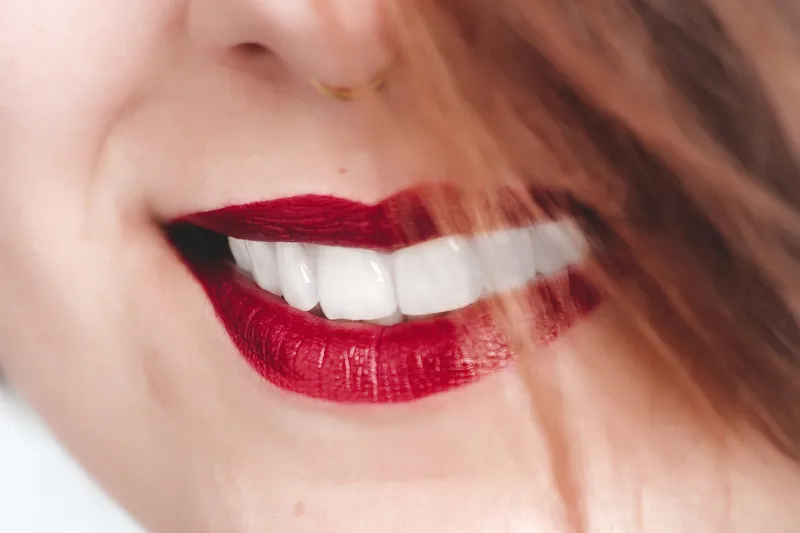
What is Teeth Whitening?
Teeth whitening is a cosmetic dental procedure designed to lighten the color of your teeth, removing stains and discoloration. It’s one of the most popular cosmetic dental treatments, as it can significantly improve the appearance of your smile. The process involves using bleaching agents to break down the stains, making your teeth appear whiter and brighter. The effectiveness of teeth whitening depends on various factors, including the type of stains, the whitening method used, and the individual’s oral health. Understanding the different types of teeth whitening options available can help you make an informed decision about the best approach for your needs and goals. Whitening can boost your self-esteem and confidence, making you feel more comfortable in social situations. Professional whitening often yields the best results, with treatments available at your dentist’s office offering immediate and dramatic changes. However, there are also numerous at-home options that are very effective, offering convenience and affordability.
Types of Teeth Whitening
There are several methods available for whitening your teeth, each with its own advantages and disadvantages. The best method for you will depend on your budget, the severity of your stains, and your lifestyle. In-office whitening, performed by a dentist, offers the most immediate and dramatic results. At-home kits provide a more convenient and affordable option. Whitening toothpastes and rinses are a good choice for maintaining a brighter smile, and are very accessible. Choosing the right type of whitening is essential for achieving the results you desire and maintaining optimal oral health. Your dentist can provide recommendations based on a thorough evaluation of your teeth and your oral hygiene habits. Remember to always consult with your dentist before beginning any teeth whitening treatment to ensure it’s safe and suitable for your specific needs.
In-Office Whitening

In-office teeth whitening is a professional procedure performed by a dentist in their clinic. This method typically uses a high-concentration bleaching agent, often activated by a special light or laser, to accelerate the whitening process. The entire procedure usually takes about an hour, and you’ll see immediate results. This is ideal for people who want quick and noticeable results. Your dentist will protect your gums and soft tissues before applying the bleaching agent to ensure the process is safe and comfortable. In-office whitening is particularly effective for stubborn stains and significant discoloration. Though more expensive than at-home methods, the convenience and effectiveness often make it worth the investment. Post-treatment care involves following your dentist’s instructions to maintain your results and minimize sensitivity. Your dentist will also guide you on best practices to minimize staining and to protect your teeth from any sensitivity.
At-Home Whitening Kits
At-home whitening kits offer a convenient and more affordable alternative to in-office treatments. These kits typically include custom-fitted trays that you fill with a bleaching gel and wear for a specified amount of time each day, as directed. The strength of the bleaching agent in at-home kits is usually lower than that used in professional treatments. However, consistent use can produce significant whitening over several weeks. It’s important to follow the instructions provided with the kit carefully to minimize the risk of gum irritation or tooth sensitivity. Before using any at-home whitening kit, consult your dentist to ensure it’s a suitable option for your oral health. Your dentist can also provide guidance and address any concerns you may have. Be mindful of potential side effects and monitor your teeth and gums for any adverse reactions, and stop using if you develop increased sensitivity.
Whitening Toothpastes and Rinses
Whitening toothpastes and mouth rinses are readily available over the counter and are used for everyday maintenance of a brighter smile. These products contain mild abrasives or chemical agents that help remove surface stains and prevent new ones from forming. While they may not dramatically change the color of your teeth, they can help to keep them looking clean and bright. These products are a great option for maintaining the results of professional whitening treatments or for enhancing your smile. Using whitening toothpaste and rinse is a simple way to integrate teeth whitening into your daily oral hygiene routine. Always follow the product instructions and be mindful of potential sensitivity. If you experience any discomfort, discontinue use and consult your dentist. Remember to always brush your teeth gently, and use a soft-bristled toothbrush to avoid damaging your enamel.
5 Amazing Results of Whitening Teeth

Teeth whitening can provide a wide range of benefits beyond just a brighter smile. Many people experience a significant boost in self-esteem and confidence after undergoing teeth whitening. A whiter smile can improve social interactions, leading to more positive experiences and better relationships. Teeth whitening can make you look younger and more vibrant. A brighter smile often results in more positive first impressions in both personal and professional settings. The positive changes can also motivate you to improve your overall oral hygiene habits. The benefits of teeth whitening extend far beyond aesthetics. They influence your self-perception and how others perceive you. Making sure you maintain your brighter smile involves proper care and is a good habit to develop.
Enhanced Confidence
One of the most significant benefits of teeth whitening is the boost it provides to your self-confidence. When you feel good about your smile, you’re more likely to feel good about yourself overall. This enhanced confidence can positively impact various aspects of your life, from social interactions to professional endeavors. Feeling self-assured can lead to increased opportunities and improved relationships. A confident smile can also help you project a more positive and approachable image. Teeth whitening allows you to smile without hesitation, and can make you feel more comfortable in social situations. A simple procedure like teeth whitening can have a profound impact on your self-perception and boost your overall well-being. When you feel confident, you’re more likely to engage in activities, and that boosts your happiness.
Improved Social Interactions
A brighter smile can significantly improve your social interactions. People are naturally drawn to those who smile confidently, and a white smile can make you appear more approachable and friendly. This can lead to better communication and more positive interactions in both personal and professional settings. Whether you’re meeting new people or networking in your career, a bright smile can make a great first impression. Whitening your teeth can help you feel more comfortable smiling and laughing in social situations. Increased confidence can make you more engaging and sociable, fostering deeper connections. When you’re comfortable with your smile, you’re more likely to engage in social activities and build strong relationships. Positive social interactions are essential for overall well-being and can contribute to a more fulfilling life.
Youthful Appearance

Teeth whitening can contribute to a more youthful appearance. As we age, our teeth can become discolored due to factors such as staining from foods and drinks. Whitening teeth can reverse this discoloration, making you look younger and more vibrant. A brighter smile can soften the appearance of wrinkles and fine lines, and also gives an overall refreshing effect to your face. A youthful smile often makes you feel more energetic and confident. This can have a significant impact on your self-esteem and overall sense of well-being. A brighter smile projects an image of health and vitality, which can be particularly beneficial in professional settings. The effect of whitening your teeth is often a great alternative to other cosmetic procedures, and can make you feel more comfortable in your own skin.
Positive First Impressions
A bright, white smile can make a significant difference in the first impression you make on others. A clean and attractive smile conveys confidence, health, and vitality. In both social and professional contexts, a positive first impression can open doors to new opportunities and strengthen relationships. People are naturally more inclined to trust and connect with those who smile confidently. Whitening your teeth is a relatively simple and effective way to enhance your appearance. It can significantly improve the way others perceive you. A positive first impression can also boost your own self-esteem, leading to a more positive outlook. Investing in your smile is investing in yourself. It’s a valuable asset that can make a lasting impact in all areas of your life.
Motivation for Better Oral Hygiene
Teeth whitening can serve as a powerful motivator for maintaining good oral hygiene habits. After investing in whitening treatments, people often become more diligent about brushing, flossing, and attending regular dental check-ups. A brighter smile inspires a desire to protect and preserve your investment. This can lead to a healthier mouth and a reduced risk of dental problems such as cavities and gum disease. Maintaining a white smile requires consistent effort. Good oral hygiene practices, such as brushing twice a day, flossing, and using mouthwash, are essential. Regular dental visits can help you catch any potential issues early. The positive feeling associated with a brighter smile can encourage you to prioritize your dental health. This is an essential habit that helps to maintain your healthy smile and contribute to your overall health. The habit is a great payoff for your time, money and efforts.
Factors Affecting Teeth Whitening Results

Several factors can influence the effectiveness of teeth whitening treatments. Understanding these factors will help you set realistic expectations and choose the most suitable whitening method. The type of stains you have, the sensitivity of your teeth, and the thickness of your enamel can all play a role in the outcome. Additionally, any existing dental work, such as fillings or crowns, will not whiten with the bleaching agents. Consulting with a dentist can help you assess these factors and determine the best approach for achieving your desired results. It’s important to know the limitations of teeth whitening and to manage your expectations accordingly. Knowing the factors can make a huge difference to achieve your ideal smile. With proper planning and care, you can achieve a brighter, more beautiful smile.
Type of Stains
The type of stains on your teeth plays a significant role in the effectiveness of teeth whitening treatments. Extrinsic stains, which are on the surface of the enamel, are typically caused by foods, drinks, and tobacco use. These stains are generally easier to remove with whitening products. Intrinsic stains, on the other hand, are found inside the tooth structure and can be caused by factors such as aging, medications, or trauma. Intrinsic stains may be more challenging to remove, and may require more advanced whitening techniques or multiple treatments. Your dentist can help you identify the type of stains and recommend the most appropriate whitening method. For example, professional in-office whitening often works best for stubborn intrinsic stains, whereas at-home kits may be suitable for milder extrinsic stains. It’s important to understand the nature of your stains to set realistic expectations and achieve optimal results.
Tooth Sensitivity
Tooth sensitivity is a common side effect of teeth whitening, especially with stronger bleaching agents. The sensitivity occurs because the bleaching agents can penetrate the enamel and reach the dentin, which contains nerve endings. Some people experience temporary sensitivity during and after the whitening process, but this usually subsides within a few days. Using a toothpaste designed for sensitive teeth can help manage the discomfort. Your dentist can provide recommendations on how to minimize sensitivity during whitening treatments. Some people may require more frequent treatments, and that is okay. If you have very sensitive teeth, you may want to consider a lower-strength bleaching agent or professional supervision. It’s important to communicate any discomfort or sensitivity to your dentist. If the pain is too much, then it’s always best to stop and consult with your dentist about options.
Enamel Thickness

The thickness of your tooth enamel can also affect the results of teeth whitening. Enamel is the outer protective layer of your teeth, and it’s responsible for their color. Thicker enamel generally responds better to whitening treatments, as there is more surface area for the bleaching agents to act upon. People with thinner enamel may experience more sensitivity during whitening. It may also lead to less dramatic results. Genetic factors and dietary habits influence enamel thickness. Your dentist can assess the thickness of your enamel during a dental examination. This information is helpful in determining the most suitable whitening method and setting realistic expectations. If you have naturally thin enamel, your dentist might recommend a gentler approach or a longer treatment duration. It’s essential to consider the health of your enamel and follow your dentist’s recommendations for safe and effective teeth whitening.
Existing Dental Work
Existing dental work, such as fillings, crowns, veneers, and bridges, will not whiten with teeth whitening treatments. The bleaching agents used in teeth whitening only work on natural tooth enamel. The materials used for dental restorations, such as porcelain or composite resin, are not affected by the bleaching agents. If you have dental work, your dentist can discuss the best options for achieving a consistent shade. In some cases, you may need to replace existing dental work to match the new, whiter color of your natural teeth. This is an important consideration when planning your teeth whitening treatment. To achieve a uniform smile. Your dentist can help you develop a comprehensive treatment plan to address both the natural teeth and any existing dental work. It’s essential to understand the limitations of teeth whitening and to manage your expectations. This can lead to a satisfying and beautiful result.
Maintaining Your White Smile
Maintaining your bright, white smile requires ongoing care and attention. Good oral hygiene, regular dental check-ups, and avoiding staining foods and drinks are all crucial components of a long-lasting smile. These habits will help to keep your teeth looking their best and prevent future staining. The effort you put into maintaining your smile can have a positive impact on your confidence, oral health, and overall well-being. Following a consistent routine is key to seeing the best results. Staying informed about the best practices is important and can help you keep your smile. Your dentist is an important resource to help you with any questions you may have about maintaining your whiter teeth. A commitment to proper oral care will help you enjoy your bright, beautiful smile for years to come.
Good Oral Hygiene

Maintaining good oral hygiene is essential for preserving the results of teeth whitening. This involves brushing your teeth at least twice a day with a fluoride toothpaste, and flossing daily to remove plaque and food particles. Using an antibacterial mouthwash can help to further reduce the risk of staining and keep your mouth fresh. Brushing after meals, especially after consuming staining foods and drinks, can help remove surface stains before they set in. Proper oral hygiene also includes regular check-ups and cleanings with your dentist. You can ensure that your teeth and gums remain healthy and your smile stays bright. Good oral hygiene prevents the buildup of plaque and tartar, which can cause discoloration. Taking good care of your teeth is an investment in your overall health and well-being. Making it a daily habit will help you to enjoy your smile.
Regular Dental Check-ups
Regular dental check-ups and professional cleanings are important for maintaining your white smile and your oral health. During these visits, your dentist can assess the condition of your teeth and gums, remove any plaque or tartar buildup. These can cause discoloration. The dentist can also address any potential problems, like cavities, before they worsen. Professional cleanings often include polishing the teeth to remove surface stains and brighten your smile. Your dentist can provide personalized advice and recommendations. The goal is to keep your teeth clean and your smile looking its best. Attending these routine appointments can help prevent the reoccurrence of teeth staining, and can improve your oral health. Your dentist can also help you choose the right oral hygiene products. These include toothpastes and mouthwashes that are suitable for your specific needs. Regular check-ups are a key part of maintaining a healthy, vibrant smile.
Avoiding Staining Foods and Drinks
Avoiding or limiting the consumption of staining foods and drinks is essential for maintaining your white smile. Certain foods and beverages, such as coffee, tea, red wine, berries, and dark sauces, contain pigments that can stain your teeth over time. If you consume these items, brushing your teeth soon after can help to minimize staining. Using a straw when drinking dark-colored beverages can also help. Regular dental check-ups and cleanings can remove surface stains and keep your teeth looking their best. Be mindful of the impact of your diet on the color of your teeth, and make informed choices to protect your investment in teeth whitening. Making small changes to your diet can have a big impact on your smile. Being proactive can help you to keep your teeth looking brighter for longer, and boost your confidence.