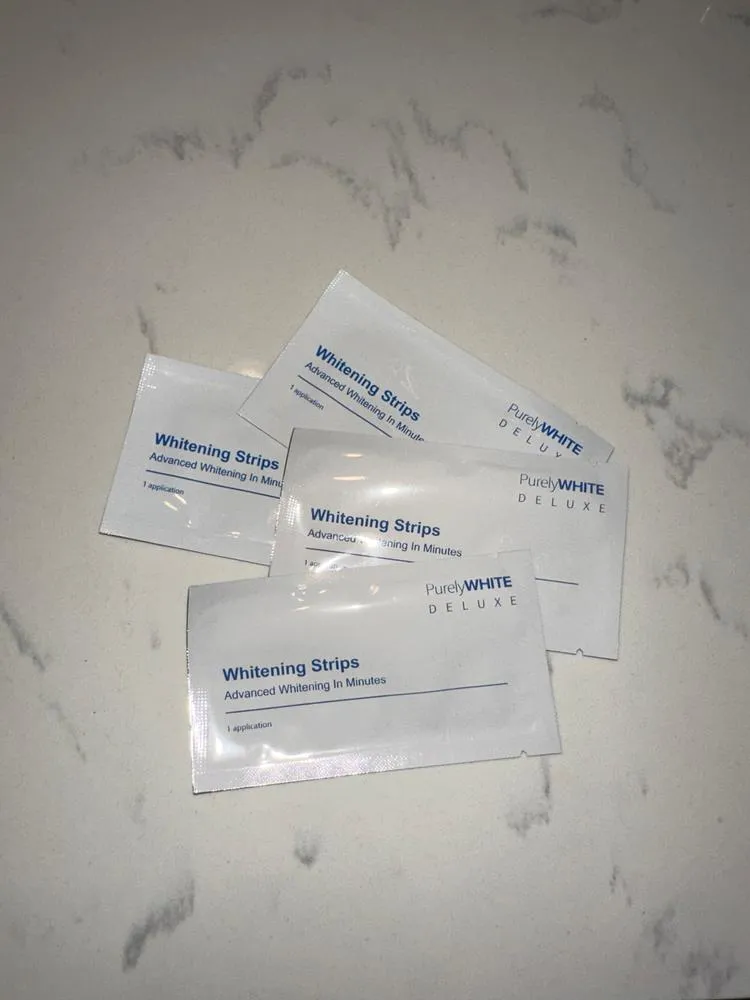
Whitening Strips Direct Understanding the Basics
Whitening strips have become a popular and convenient method for enhancing the brightness of your smile. These thin, flexible strips are coated with a peroxide-based whitening agent and designed to adhere directly to the teeth. Their ease of use and relatively low cost compared to professional treatments have made them a staple in many people’s oral care routines. Understanding how these strips work, the science behind their effectiveness, and the various factors influencing their results is crucial for maximizing their benefits and achieving the desired outcome. Proper usage and realistic expectations are also key elements of using whitening strips effectively. The journey towards a brighter smile begins with a solid understanding of these essential concepts. Therefore, it’s important to research the different brands and their reviews before choosing one.
Choosing the Right Whitening Strips for You
Selecting the right whitening strips involves considering several factors to ensure optimal results and minimize potential side effects. One of the most crucial considerations is the concentration of the active whitening agent, typically hydrogen peroxide or carbamide peroxide. Higher concentrations may yield faster results but also increase the risk of tooth sensitivity. Sensitivity levels vary among individuals, and some may find it more comfortable to start with lower concentrations and gradually increase as needed. Another important factor is the duration of treatment. Different brands offer varying treatment durations, from a few days to several weeks. Consider your desired level of whitening and your commitment to following the treatment schedule. Read reviews to see how the product performed for others. Look for strips with a good fit and that are easy to apply to your teeth. This can help you stay consistent with your routine. It’s important to consider your overall oral health before starting. Ensure that you do not have any untreated dental issues, such as cavities or gum disease, before using whitening strips.
Understanding Active Ingredients

The primary active ingredients in whitening strips are hydrogen peroxide and carbamide peroxide. Hydrogen peroxide is a stronger bleaching agent and often delivers faster results, while carbamide peroxide breaks down into hydrogen peroxide, offering a slightly milder action. The concentration of these ingredients significantly impacts the whitening effectiveness and the potential for sensitivity. Strips with higher concentrations of peroxide tend to produce more noticeable results but may also cause more sensitivity in the teeth and gums. It’s essential to carefully review the product’s active ingredient concentration and assess your sensitivity levels before choosing a product. Consider starting with a lower concentration if you have sensitive teeth. Additionally, some whitening strips may contain other ingredients such as glycerin and sodium hydroxide, which act as stabilizers and improve the texture of the strips. Understanding the role of each ingredient helps you make an informed decision about the product. If you have questions about the ingredients, consult a dentist.
Types of Whitening Strips
The market offers a variety of whitening strips, each designed to cater to different needs and preferences. Some strips are designed for general whitening, targeting stains and discoloration across the entire tooth surface. Other specialized strips focus on specific areas or address particular concerns, such as those designed for sensitive teeth. These typically contain lower concentrations of the active ingredients or include desensitizing agents. Some brands offer “professional” strips that contain higher concentrations of whitening agents to provide faster results. There are also “express” strips, which require less treatment time. It’s essential to choose the type of strips that aligns with your goals, taking into consideration factors such as tooth sensitivity and the severity of staining. You can find strips with different flavors, application methods, and treatment schedules. It’s helpful to compare different options, read reviews, and consult a dentist to determine the most suitable type of whitening strips for you.
Application and Usage Tips
Proper application and consistent use are critical for achieving the best whitening results. Before applying the strips, it is essential to brush your teeth gently, but avoid using toothpaste immediately before application, as it can create a barrier and reduce the effectiveness of the whitening agent. Carefully peel the strips from the backing and apply them to your teeth, ensuring they adhere to the surface, with the gel side in contact with the teeth. Align the strips along the gumline and gently press them into place, avoiding contact with the gums to minimize irritation. Follow the manufacturer’s instructions regarding the duration of wear, typically ranging from 30 minutes to an hour. After the recommended time, remove the strips and discard them. Rinse your mouth with water to remove any residual gel. Try to avoid eating or drinking for at least 30 minutes after applying the strips to prevent staining or discoloration. Regular use, according to the product’s instructions, is key to achieving the desired whitening effect.
Proper Application Techniques

Achieving optimal results from whitening strips depends on proper application. Always start with clean, dry teeth. Before application, gently brush your teeth to remove any food particles or debris. Be sure to dry your teeth with a clean towel or tissue. Carefully peel the strip from its backing and apply it to your teeth, ensuring the gel side is against your teeth. Align the strip with your gumline, gently pressing it against the teeth to ensure good contact. For best results, fold the excess strip behind the front and back of the teeth. Avoid contact with your gums to reduce irritation and sensitivity. Once in place, try to speak as little as possible to keep the strips from moving. This helps the whitening agent to stay in contact with your teeth. Make sure that the strips cover the teeth you want to whiten. It’s also essential to wash your hands after the application to remove any remaining gel. Consistent and proper application is the key to effective teeth whitening.
Maintaining Results and Oral Health
Maintaining your newly whitened smile involves a combination of good oral hygiene practices and lifestyle choices. Regular brushing and flossing are essential to remove plaque and prevent the buildup of stains. Use a soft-bristled toothbrush and fluoride toothpaste. Floss daily to clean between your teeth. Consider using an over-the-counter whitening toothpaste or mouthwash to help maintain brightness, but be aware that these can sometimes increase sensitivity. Schedule regular dental check-ups and professional cleanings to remove any surface stains and address any underlying dental issues. Limit your consumption of stain-causing foods and drinks, such as coffee, tea, red wine, and berries. Avoid smoking, as it can yellow your teeth and negate the whitening process. Consider using a straw for beverages that can stain your teeth. By adopting these habits, you can extend the longevity of your whitening results and keep your teeth healthy.
Foods and Drinks to Avoid
Certain foods and beverages can easily stain your teeth, especially after whitening treatments when the enamel is more porous and susceptible to discoloration. Coffee and tea are notorious for staining teeth due to their high tannin content. Red wine also contains tannins, which can adhere to teeth and cause staining. Dark-colored sodas, such as cola, can contribute to discoloration, as well as sports drinks. Highly pigmented fruits, such as berries (blueberries, raspberries, and blackberries), can leave behind stains. Other staining foods include curries, soy sauce, and balsamic vinegar. To preserve your newly whitened smile, minimize your consumption of these items, or drink them through a straw to limit contact with your teeth. If you consume these foods or beverages, rinse your mouth with water immediately afterward or brush your teeth to minimize the staining effects. Making conscious food choices can significantly impact the longevity of your whitening results.
Oral Hygiene Practices for Long-Lasting Results

Effective oral hygiene is fundamental for maintaining a bright, healthy smile and prolonging the effects of teeth whitening. Brushing your teeth at least twice a day, for two minutes each time, is crucial. Use a soft-bristled toothbrush and fluoride toothpaste to remove plaque, debris, and surface stains. Flossing daily is equally important. This cleans the spaces between your teeth and below the gumline. This will remove any remaining food particles that contribute to staining and promote overall gum health. Consider incorporating an antibacterial mouthwash to further reduce the bacteria that cause plaque. Regular dental check-ups and professional cleanings are also vital components of good oral hygiene. These appointments allow your dentist to identify and address any potential dental issues and remove any stubborn stains or buildup. By adhering to a consistent oral hygiene routine and incorporating these practices, you can significantly extend the life of your whitening results and promote healthy gums.
Whitening Strips Direct and Discount Codes Where to Find Them
Finding discount codes and special offers for whitening strips can significantly reduce the cost of treatment and make achieving a brighter smile more affordable. One of the best places to start is by visiting the official websites of the whitening strip brands. Many brands offer discounts, promotions, and bundles directly on their sites. Sign up for email newsletters and follow their social media accounts to receive updates on sales, special offers, and exclusive discount codes. Another great resource is coupon websites and browser extensions. These platforms aggregate and provide the latest deals and discount codes from various retailers, including those selling whitening strips. Search for specific brands or general terms such as “teeth whitening strips discount code” to find available promotions. Check the websites of major retailers, such as drugstores and online marketplaces. They often run sales and offer discounts on personal care products, including whitening strips. Comparing prices from different retailers can help you find the best deal. Keep an eye out for seasonal promotions, such as holiday sales or Black Friday deals. These are often great times to purchase whitening strips at reduced prices. Additionally, many brands provide free shipping or other perks when you reach a certain order value.
Tips for Finding the Best Deals
Maximizing your savings on whitening strips requires a strategic approach to finding the best deals. Be sure to compare prices from multiple retailers. Prices can vary significantly between different stores, so comparing prices is essential. Look for seasonal sales and promotions. Many retailers offer discounts during major holidays and shopping events. Sign up for email newsletters. This helps you stay informed about upcoming sales. Keep an eye out for coupon codes. Before making a purchase, search for any available coupons online. Check for bundle deals and bulk discounts. Buying multiple boxes of whitening strips can often lead to lower prices per box. Consider the shipping costs. Free shipping can often be a significant cost savings. Always check the terms and conditions of the discount. Some deals may have expiration dates or other restrictions. Read customer reviews. Before making a purchase, read reviews to ensure that the product is right for you. By following these tips, you can find the best deals on whitening strips and get the bright smile you have always wanted without breaking the bank.
Comparing Different Discount Options

When searching for discounts on whitening strips, it’s essential to compare various options to determine which offers the best value. Compare the prices from different retailers, keeping in mind the cost per strip or treatment. Consider the value of any additional offers, such as free shipping, free samples, or other complimentary products. Evaluate the terms and conditions of each promotion, including any expiration dates or purchase requirements. Compare the discount percentages or amounts offered by various retailers. Sometimes, a smaller percentage discount on a larger package can be more cost-effective. Consider the overall cost, including the initial purchase price and any associated fees. Check for bundle deals, which might provide a lower price per unit. Evaluate the reputation of the retailer offering the discount. Always make sure it is a reputable seller. By thoroughly comparing all the different discount options, you can make an informed decision and choose the best deal to brighten your smile.