Understanding Whitening Facial Ingredients
Achieving a brighter and more even skin tone is a common skincare goal. Many people turn to whitening facial ingredients to address concerns such as hyperpigmentation, dark spots, and dullness. However, it is essential to understand what these ingredients are, how they work, and how to use them safely and effectively. This article unveils the top 7 secrets of whitening facial ingredients, offering insights into the science behind them, and providing actionable advice to incorporate them into your skincare routine. The journey to a luminous complexion begins with knowledge and the right choices.
What are Whitening Facial Ingredients?
Whitening facial ingredients are substances designed to lighten the skin by reducing the production of melanin, the pigment responsible for skin color. These ingredients can also work by exfoliating the top layer of the skin to remove existing dark spots and promote cell turnover. They come in various forms, including serums, creams, lotions, and masks, and are formulated to target different skin concerns. The effectiveness of these ingredients can vary based on their concentration, the specific type of ingredient, and individual skin types.
Types of Whitening Agents

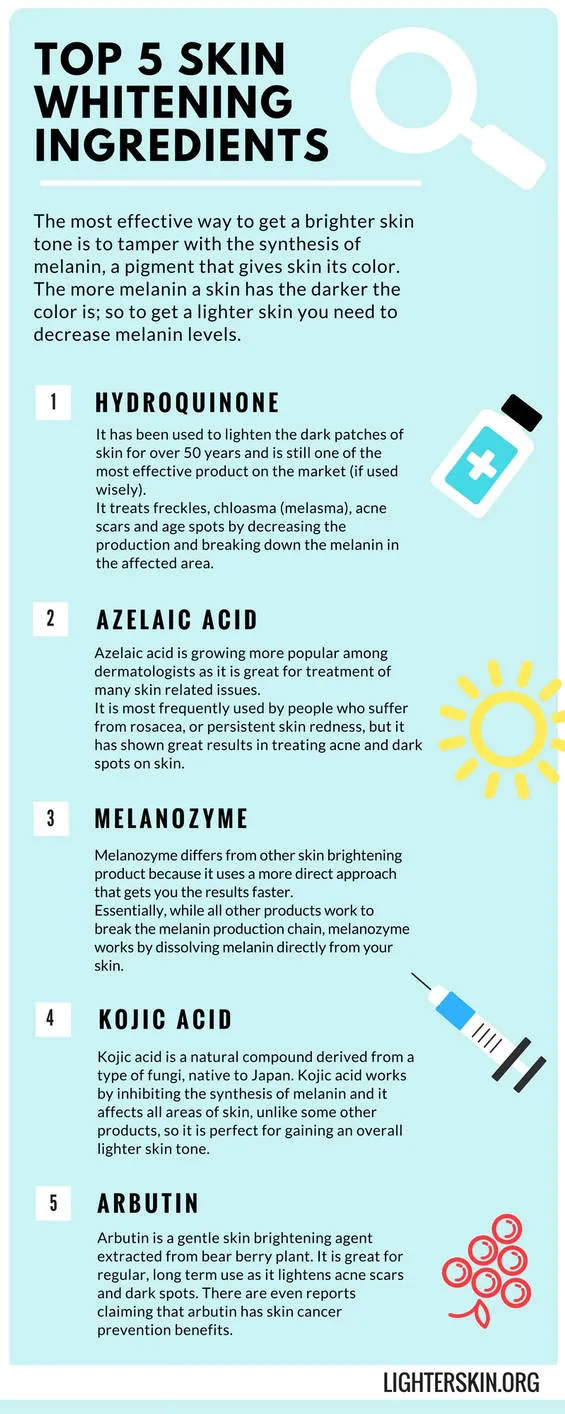
Whitening agents encompass a broad spectrum of compounds, each with a unique mechanism of action. Some, like vitamin C, act as antioxidants, protecting the skin from free radicals that can trigger melanin production. Others, such as retinoids, speed up cell turnover, helping to shed pigmented skin cells. Alpha Hydroxy Acids (AHAs) and Beta Hydroxy Acids (BHAs) provide exfoliation. Arbutin and Kojic Acid directly inhibit the enzyme tyrosinase, which is essential for melanin synthesis. The choice of agent often depends on skin type, the severity of the concern, and desired outcomes.
How They Work
Whitening agents work through several key mechanisms. Some inhibit tyrosinase, which is a key enzyme in the melanin production pathway. Others scavenge free radicals, reducing oxidative stress and preventing further pigmentation. Exfoliating agents help remove existing melanin-rich cells, revealing brighter skin beneath. The effectiveness of a product also hinges on its ability to penetrate the skin and the concentration of the active ingredient. Understanding these mechanisms helps in choosing the right product for specific skincare needs, resulting in a brighter and more even skin tone.
Top 7 Whitening Facial Ingredients
Vitamin C

Vitamin C (ascorbic acid) is a powerful antioxidant that brightens the skin and protects it from environmental damage. It inhibits melanin production and reduces hyperpigmentation, resulting in a more radiant complexion. This ingredient is suitable for most skin types and is often found in serums and creams. Vitamin C is a must have for those seeking to combat dullness and uneven skin tone. It also promotes collagen synthesis, enhancing skin elasticity and reducing the appearance of fine lines.
Benefits of Vitamin C for Whitening
Vitamin C offers numerous benefits for skin whitening. It actively interferes with melanin production, reducing the appearance of dark spots and promoting an even skin tone. Its antioxidant properties neutralize free radicals, preventing further damage and discoloration. Regular use can lead to a brighter, more luminous complexion, and it helps protect the skin from sun damage. Incorporating Vitamin C into your skincare routine supports skin health and contributes to an overall youthful glow, making it an invaluable ingredient.
How to Use Vitamin C Serums
To effectively use Vitamin C, apply a serum to clean, dry skin in the morning before sunscreen. Start with a low concentration and gradually increase as tolerated. Always store Vitamin C products in a cool, dark place as they can degrade with light and air exposure. Using it consistently, along with other skincare ingredients, offers the best results. Look for formulations with L-ascorbic acid, the most effective form of Vitamin C, and consider incorporating a Vitamin C serum as a staple in your daily skincare routine.
Niacinamide

Niacinamide, a form of Vitamin B3, is a versatile ingredient that reduces hyperpigmentation and improves overall skin texture. It inhibits the transfer of melanin to skin cells, promoting a more even tone. Niacinamide is gentle and suitable for all skin types, including sensitive skin. It also boasts anti-inflammatory properties, making it beneficial for those with acne or rosacea. Its ability to strengthen the skin’s barrier further enhances its benefits and makes it a well-rounded addition to a skincare routine.
Benefits of Niacinamide for Whitening
Niacinamide offers several advantages for skin whitening. It effectively reduces hyperpigmentation, including dark spots and uneven skin tone. It helps in reducing redness and inflammation, creating a brighter and more even complexion. Additionally, it improves skin elasticity and reduces the appearance of wrinkles, contributing to a youthful glow. Its versatility and gentleness make it a valuable ingredient for a variety of skin types. Consistent use promotes a healthier, more radiant skin.
How to Incorporate Niacinamide
Niacinamide can be incorporated into your routine through serums, creams, or lotions. Apply it to clean skin after cleansing and toning, allowing it to absorb before applying other products. Start with a lower concentration (2-5%) to assess your skin’s tolerance, then gradually increase if desired. Niacinamide is generally well-tolerated, but always introduce new products gradually and observe your skin for any reactions. It can be used both morning and night, and it often works well in combination with other ingredients.
Retinoids

Retinoids, derived from Vitamin A, are potent ingredients that accelerate skin cell turnover. This process reduces the appearance of dark spots, acne scars, and uneven skin tone. Retinoids promote collagen production, improving skin firmness and reducing wrinkles. They come in various forms, ranging from retinol (over-the-counter) to prescription-strength tretinoin. The effectiveness of retinoids is proven, but their use requires careful consideration and adherence to guidelines to avoid irritation.
Benefits and Precautions for Retinoid Use
Retinoids offer significant benefits for skin whitening and overall health. They accelerate cell turnover, reducing hyperpigmentation and promoting a brighter complexion. Retinoids also boost collagen production, decreasing wrinkles and improving skin texture. However, side effects can include dryness, redness, and peeling, especially initially. Start with a low concentration, apply it at night, and use sunscreen diligently during the day. It is crucial to build up your tolerance gradually to minimize irritation and maximize benefits.
Choosing the Right Retinoid Product
Choosing the right retinoid depends on your skin type, sensitivity, and skincare goals. For beginners, retinol is a good starting point. It is gentler than prescription-strength retinoids. Consider the concentration of retinol in the product, as well as the formulation (serum, cream, etc.). If you have sensitive skin, opt for formulations that contain hydrating ingredients. Consult with a dermatologist to determine the most appropriate retinoid for your skin condition and to receive personalized advice on how to use it effectively and safely.
Alpha Hydroxy Acids (AHAs)

AHAs, such as glycolic and lactic acid, are chemical exfoliants that remove dead skin cells from the surface. By exfoliating the top layer of skin, AHAs reveal brighter, smoother skin underneath, which helps reduce dark spots and improve skin texture. They can also stimulate collagen production, reducing fine lines and wrinkles. AHAs are especially beneficial for those with sun damage or uneven skin tone. The right choice of AHA depends on skin type and tolerance.
How AHAs Exfoliate and Brighten
AHAs exfoliate by dissolving the bonds that hold dead skin cells together. This process removes dull, pigmented cells, revealing the brighter skin underneath. The exfoliation encourages cell turnover, which helps improve skin tone and texture. Regular use can lead to a more radiant complexion and can minimize the appearance of dark spots. AHAs also stimulate collagen production, helping to reduce fine lines. The extent of exfoliation is regulated by the concentration of AHA, as well as the frequency of its application.
Best AHA Products to Try
When choosing AHA products, consider the type of AHA (glycolic, lactic, etc.) and its concentration. Glycolic acid is a strong choice for more noticeable exfoliation, while lactic acid is gentler and suitable for sensitive skin. Start with a low concentration (e.g., 5-10%) and gradually increase as tolerated. Serums, toners, and peels are common product formats. Always apply sunscreen after using AHA products, as your skin becomes more sensitive to the sun. Follow the product instructions carefully for optimal results and to minimize irritation.
Beta Hydroxy Acids (BHAs)

BHAs, primarily salicylic acid, are oil-soluble exfoliants that penetrate pores to remove excess oil and dead skin cells. This makes them effective for treating acne, blackheads, and uneven skin tone. By exfoliating within the pores, BHAs help reduce hyperpigmentation and promote smoother skin. They are gentler than AHAs and are suitable for those with oily or acne-prone skin. Regular usage can contribute to clearer, brighter skin and a more balanced complexion.
BHA’s role in Whitening
BHAs contribute to skin whitening by removing dead skin cells and unclogging pores, which helps in reducing dark spots and acne scars. They also have anti-inflammatory properties, which can reduce redness and promote a more even skin tone. By clearing away the debris that can make skin appear dull, BHAs reveal a brighter, more radiant complexion. The exfoliation action helps skin to better absorb other whitening ingredients, thus increasing their effectiveness. BHAs play a vital role in achieving a brighter, clearer, and healthier skin.
Using BHA for a Radiant Complexion
When using BHA products, start with a low concentration, particularly if you have sensitive skin. Apply it after cleansing and before other treatments. Gradually increase the frequency of use, depending on your skin’s tolerance. Avoid applying it on broken skin. BHAs can be found in cleansers, toners, and serums. If your skin is prone to dryness, follow with a hydrating moisturizer. Because BHAs increase sun sensitivity, applying a broad-spectrum sunscreen is essential during the day. Consistent use can lead to noticeable improvements in skin tone and texture.
Kojic Acid

Kojic acid is a natural compound derived from certain types of fungi. It is a potent tyrosinase inhibitor, blocking the enzyme needed for melanin production. Kojic acid effectively reduces dark spots, melasma, and post-inflammatory hyperpigmentation. It also has antioxidant properties, protecting the skin from free radical damage. Kojic acid is available in various formulations such as creams, serums, and soaps. It is important to use it with caution, particularly for sensitive skin, and always use sunscreen.
Kojic Acid and Skin Lightening
Kojic acid is used for skin lightening by inhibiting the production of melanin. This helps to reduce the appearance of dark spots, uneven skin tone, and hyperpigmentation. By decreasing melanin production, Kojic acid can result in a more radiant and even complexion. Its effectiveness lies in its ability to directly target the enzyme tyrosinase, a key component in the melanin synthesis pathway. Regular use of Kojic acid products can help to brighten the skin, providing a healthier glow. It is often best combined with other skincare practices to enhance its effect.
Kojic Acid Product Selection
When selecting Kojic acid products, consider the concentration and formulation. Products containing Kojic acid can vary from soaps to serums to creams, so consider what type of product fits best in your routine. Start with a lower concentration to assess skin tolerance, and be aware that it might cause irritation, especially for sensitive skin. Always patch test new products on a small area of skin before full application. Sunscreen must be incorporated with Kojic acid to avoid any sun sensitivity. Consistent and careful application is essential to obtain the best results.
Arbutin
Arbutin is a natural derivative of hydroquinone, obtained from plants like bearberry. It works by inhibiting tyrosinase, which reduces melanin production and brightens the skin. Arbutin is a gentler alternative to hydroquinone, making it suitable for many skin types. It is effective in reducing dark spots, melasma, and post-inflammatory hyperpigmentation. Arbutin is often used in serums and creams and offers a safer option for long-term use compared to stronger whitening agents. Always integrate sun protection to maximize benefits.
Benefits of Arbutin for Whitening
Arbutin offers several benefits for skin whitening. It effectively reduces hyperpigmentation, diminishing the appearance of dark spots and uneven skin tone. It is known for its stability and gentleness, suitable for daily use. Arbutin provides a more sustained approach to lightening, leading to a clearer complexion over time. Its mechanism of action, by inhibiting tyrosinase, helps in preventing the formation of new pigmentation. With consistent use and sun protection, Arbutin can significantly improve skin clarity and radiance. These features are good for all skin types.
Finding Arbutin in Skincare
Arbutin is often found in serums, creams, and lotions. When choosing products, look for labels that mention ‘alpha-arbutin’ or ‘beta-arbutin’ to ensure its active. Start with a lower concentration and gradually increase to assess your skin’s tolerance. Apply it after cleansing and toning and before heavier moisturizers. Combine arbutin with Vitamin C and other antioxidants to boost its effects and overall skin health. Always incorporate a broad-spectrum sunscreen into your daily routine, because it enhances results. Proper usage of Arbutin products can provide a gradual and safe way to achieve brighter skin.
Other Important Considerations
Sun Protection and Whitening Ingredients
The effectiveness of whitening ingredients is greatly enhanced by using sunscreen daily. Sun exposure can trigger melanin production, counteracting the benefits of whitening agents. Sunscreen protects the skin from UV rays, reducing the formation of new dark spots and preventing existing pigmentation from worsening. Always apply a broad-spectrum sunscreen with a high SPF, as the last step in your morning skincare routine. Reapply every two hours, especially during extended sun exposure. Sun protection is essential to achieving and maintaining a brighter, more even skin tone.
The Importance of Sunscreen
Sunscreen is critical for protecting your skin from harmful UV rays, which cause sun damage and hyperpigmentation. By shielding the skin from UV exposure, sunscreen minimizes the production of melanin. Sunscreen helps to prevent new dark spots from forming and keeps the existing ones from getting darker. Applying it consistently is an essential element in a whitening skincare routine. Using sunscreen also aids the effects of other whitening treatments and promotes healthier, more radiant skin, making it an essential part of a skin care routine.
Best Sunscreen Practices
To maximize sun protection, use a broad-spectrum sunscreen with an SPF of 30 or higher. Apply a generous amount of sunscreen to all exposed skin areas at least 15 minutes before sun exposure. Reapply every two hours, especially after swimming or sweating. If you are using whitening products, ensure your sunscreen is compatible and does not cause any adverse reactions. The consistent use of sunscreen is a cornerstone for skin health and maintaining the benefits of whitening treatments, resulting in radiant skin.
Choosing Products for Your Skin Type
It is essential to choose whitening products that suit your specific skin type. Consider factors like sensitivity, oiliness, dryness, and any existing skin conditions. Those with sensitive skin should opt for gentler ingredients like niacinamide or arbutin and always perform a patch test. Oily skin may benefit from BHAs and lighter formulations, while dry skin might require hydrating ingredients alongside whitening agents. If you have acne, consider products that combine whitening with acne-fighting ingredients. Consulting a dermatologist ensures you select the right ingredients for your skin’s unique needs.
Ingredients to Avoid
Some ingredients should be avoided, especially if you have sensitive skin or are prone to irritation. Harsh exfoliants or high concentrations of active ingredients can cause reactions. Certain fragrances and dyes can cause irritation, making skin more sensitive to the sun. Hydroquinone, while effective, can cause side effects like ochronosis (skin darkening) if used improperly. Always read labels carefully and opt for products with simple formulations. Consult with a dermatologist if you have concerns about specific ingredients and to get a customized skincare plan.
Patch Testing New Products
Before applying any new whitening product to your entire face, perform a patch test. Apply a small amount of the product to a discreet area, such as behind your ear or on your inner forearm. Observe the area for at least 24-48 hours for any signs of irritation, redness, itching, or swelling. If you experience any adverse reaction, discontinue use immediately. If the patch test is negative, you can safely apply the product to your face. Patch testing can avoid reactions, letting you incorporate new ingredients into your routine safely.
The Bottom Line
Achieving a brighter complexion with whitening facial ingredients involves understanding the various options, selecting the appropriate ingredients for your skin type, and incorporating them into your skincare routine safely. Remember that consistency is key. Combining these ingredients with proper sun protection and choosing suitable products are critical to successful results. For personalized advice, consulting with a dermatologist helps you develop a customized skincare plan that is based on your skin needs. A radiant and even skin tone is achievable with knowledge and persistence.