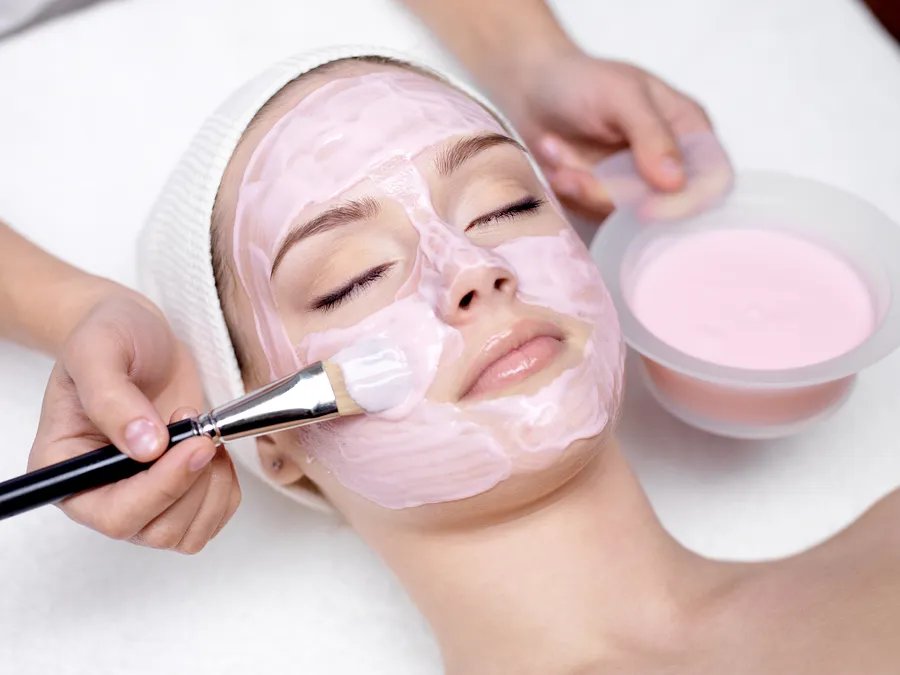
Understanding Whitening Facials
Whitening facials have gained immense popularity as a powerful method to achieve a brighter, more even skin tone and combat hyperpigmentation. This comprehensive guide will delve into every facet of whitening facials, from the fundamental principles to the practical steps involved in the procedure and the crucial aftercare protocols that ensure optimal results. By understanding the intricacies of this skincare treatment, you can make informed decisions about your own skin health and unlock the secrets to a radiant, glowing complexion. Throughout this exploration, we’ll address common concerns and provide actionable advice to help you achieve your desired skin transformation safely and effectively.
What is a Whitening Facial?
A whitening facial is a specialized skincare treatment designed to lighten and brighten the skin, reducing the appearance of dark spots, uneven skin tone, and hyperpigmentation. Unlike standard facials, whitening facials incorporate specific ingredients and techniques to target melanin production, the pigment responsible for skin color. These treatments typically involve a combination of exfoliation, the application of whitening agents, and the use of advanced technologies to enhance the penetration of active ingredients and stimulate collagen production. The primary objective is to rejuvenate the skin, promoting a clearer, more luminous complexion while addressing specific concerns such as sun damage, acne scars, and age spots. Regular whitening facials can significantly improve skin texture and enhance overall skin health, leaving you with a youthful and radiant glow.
How Whitening Facials Work

Whitening facials work by employing a multi-pronged approach to tackle hyperpigmentation and promote skin lightening. The process typically begins with exfoliation, which removes dead skin cells and prepares the skin to better absorb active ingredients. Next, whitening agents, such as vitamin C, kojic acid, arbutin, and hydroquinone (under professional supervision), are applied to inhibit the production of melanin. These ingredients work by interfering with the enzyme tyrosinase, which is responsible for melanin synthesis. Furthermore, advanced technologies like microdermabrasion or laser treatments can be incorporated to enhance the penetration of whitening agents and stimulate collagen production, leading to improved skin texture and tone. By targeting melanin production and promoting cellular turnover, whitening facials help to fade existing dark spots, prevent new ones from forming, and reveal a brighter, more even complexion.
Benefits of Whitening Facials
Whitening facials offer a multitude of benefits beyond just skin lightening. Regular treatments can lead to a significant reduction in the appearance of dark spots and uneven skin tone, giving the skin a more uniform and youthful appearance. They are highly effective in addressing sun damage, acne scars, and age spots, common signs of aging and environmental exposure. The exfoliation process involved in whitening facials also stimulates collagen production, improving skin elasticity and reducing the appearance of fine lines and wrinkles. Moreover, these facials can enhance the skin’s overall texture and promote a healthy glow, leaving the skin feeling refreshed and revitalized. Many individuals experience increased confidence as their skin becomes clearer, brighter, and more radiant. By incorporating whitening facials into your skincare routine, you can achieve a noticeable improvement in your skin’s appearance and overall health.
Preparing Your Skin for a Whitening Facial
Proper preparation is key to maximizing the benefits of a whitening facial and ensuring a safe and effective treatment. Before undergoing a whitening facial, it’s essential to consult with a qualified skincare professional who can assess your skin type, concerns, and medical history. This consultation helps determine the most appropriate treatment plan and identify any potential contraindications. For instance, if you have highly sensitive skin or active skin conditions, modifications to the treatment may be necessary. In the days leading up to your facial, it’s crucial to avoid harsh skincare products, such as those containing retinoids or strong exfoliants, as these can increase skin sensitivity. Additionally, protecting your skin from sun exposure by wearing sunscreen daily is essential, as sun damage can exacerbate hyperpigmentation and hinder the results of your facial. By following these preparation guidelines, you can optimize your skin’s condition and pave the way for a successful whitening facial.
Consultation and Skin Analysis

A thorough consultation and skin analysis are fundamental steps in the whitening facial process. During the consultation, the skincare professional will inquire about your skin concerns, medical history, and skincare routine. This information helps them understand your specific needs and determine if a whitening facial is the right treatment for you. A skin analysis typically involves a visual examination of the skin, assessing factors such as skin type, tone, texture, and the presence of hyperpigmentation, acne scars, or sun damage. Advanced tools, like a skin scanner, might be used to analyze the skin’s deeper layers. Based on the consultation and analysis, the professional will create a personalized treatment plan that addresses your unique concerns. This plan outlines the specific steps of the facial, the products to be used, and the expected results. The consultation also provides an opportunity to discuss any potential risks, side effects, and aftercare instructions. A comprehensive consultation ensures that the whitening facial is both safe and effective, tailored to your skin’s specific needs.
Pre-Facial Skincare Routine
Preparing your skin in the days leading up to a whitening facial can significantly enhance the treatment’s effectiveness. One crucial step is to discontinue the use of harsh exfoliants and skincare products containing retinoids, AHAs (alpha-hydroxy acids), or BHAs (beta-hydroxy acids) at least a week before your appointment. These ingredients can make your skin more sensitive and prone to irritation during the facial. Instead, focus on gentle cleansing, moisturizing, and protecting your skin from sun exposure. Use a mild cleanser to remove impurities and a hydrating moisturizer to maintain skin hydration. Apply a broad-spectrum sunscreen with an SPF of 30 or higher every day, even on cloudy days, to protect your skin from harmful UV rays. Avoid procedures that may irritate the skin, such as waxing or threading, and refrain from sunbathing or tanning beds. By following these pre-facial skincare guidelines, you can help ensure your skin is in optimal condition to receive the whitening facial, maximizing its benefits and minimizing any potential side effects.
The Whitening Facial Procedure
The whitening facial procedure typically involves a series of carefully executed steps designed to cleanse, exfoliate, brighten, and nourish the skin. The process is performed by a trained skincare professional in a clean and comfortable environment. The duration of a whitening facial can vary depending on the specific techniques and products used, but it generally takes between 60 and 90 minutes. Each step is essential to achieving the desired results of a brighter, more even skin tone. During the facial, the aesthetician will closely monitor your skin’s reaction to the treatments, adjusting the procedure as needed to ensure both effectiveness and safety. The entire experience is designed to be relaxing and rejuvenating, leaving you with a noticeable improvement in your skin’s appearance and overall well-being. Understanding each step of the whitening facial procedure helps in appreciating the comprehensive approach to skin rejuvenation.
Cleansing and Exfoliation

The first step in a whitening facial involves thorough cleansing and exfoliation. The esthetician begins by gently cleansing the face to remove any makeup, dirt, and oil. This prepares the skin for the subsequent treatments. Exfoliation is then performed to remove dead skin cells, which can make the skin appear dull and uneven. Exfoliation also helps to unclog pores, allowing for better absorption of the active ingredients in the whitening products. There are different methods of exfoliation, including chemical exfoliants, such as enzyme peels or gentle acid peels, and physical exfoliants, such as microdermabrasion. The esthetician will select the method best suited for your skin type and concerns. This initial exfoliation step is critical, as it reveals the fresher skin underneath and enhances the effectiveness of the subsequent whitening agents. The process usually takes between 10-15 minutes.
Application of Whitening Agents
After cleansing and exfoliation, the esthetician applies a variety of whitening agents to the skin. These agents are specifically chosen for their ability to inhibit melanin production and lighten dark spots. Common whitening ingredients include vitamin C, kojic acid, arbutin, and, in some cases, hydroquinone, which is typically used under strict professional supervision. The esthetician will carefully apply these products, often using a brush or cotton pads, ensuring even coverage across the face. The specific concentration and combination of whitening agents used will depend on your skin type, the severity of hyperpigmentation, and your individual goals. The application may be followed by gentle massage to aid absorption. This stage usually lasts for 15-20 minutes. The whitening agents work synergistically to address different aspects of melanin production, leading to a more uniform and luminous complexion.
Use of Advanced Technologies
To further enhance the effectiveness of whitening facials, advanced technologies are often incorporated. These technologies help to improve the penetration of active ingredients and stimulate collagen production, resulting in better and longer-lasting results. Microdermabrasion, for example, uses a device to gently exfoliate the skin, removing dead cells and prepping the skin for deeper penetration of whitening agents. Laser treatments, such as IPL (Intense Pulsed Light), can target melanin directly, breaking down pigment and reducing the appearance of dark spots. Ultrasound technology can be used to infuse active ingredients into the skin at a deeper level. These technologies are carefully selected based on your skin’s needs and the goals of the treatment. Their use contributes to more dramatic and long-term improvements in skin tone and texture, offering a comprehensive approach to skin rejuvenation.
Extraction

After the application of whitening agents, the esthetician may perform extractions, if necessary. Extractions involve removing blackheads, whiteheads, and other impurities from the pores. This helps to clear the skin and prevent breakouts, contributing to a smoother, more even complexion. Extractions are typically done manually or with the use of specialized tools. The esthetician will carefully assess your skin to determine if extractions are needed and use appropriate techniques to minimize discomfort and prevent scarring. Extraction is essential for individuals prone to acne or clogged pores and enhances the overall effectiveness of the whitening facial by preparing the skin for subsequent steps. This part of the process typically takes 10-15 minutes.
Mask Application
The final step in the whitening facial procedure involves the application of a mask. The mask is specifically chosen to complement the whitening agents and further enhance the treatment’s benefits. Masks used in whitening facials typically contain ingredients such as antioxidants, vitamins, and soothing agents to calm the skin and boost hydration. The esthetician will apply the mask evenly across the face and allow it to sit for 10-15 minutes. This period gives the mask’s ingredients time to penetrate the skin, providing added benefits and helping to seal in the active ingredients applied earlier in the facial. The choice of mask depends on your skin type and the specific goals of the treatment, with options ranging from hydrating to clarifying and brightening masks. The mask application concludes the facial procedure, leaving your skin feeling refreshed, revitalized, and prepared for post-facial care.
Post-Facial Care and Maintenance
Proper post-facial care is critical to maximizing the results of your whitening facial and maintaining a healthy, radiant complexion. Your esthetician will provide specific instructions on how to care for your skin in the days following your treatment. Following these guidelines ensures that your skin heals properly and that the benefits of the facial are sustained. Post-facial care typically involves a combination of gentle skincare products and protective measures to shield your skin from environmental stressors. Understanding the importance of post-facial care and adhering to your esthetician’s recommendations are crucial steps in achieving and maintaining the desired results. This stage of the process ensures the longevity and effectiveness of the treatment, helping you achieve and maintain a brighter, more even skin tone.
Daily Skincare Regimen

Maintaining a consistent daily skincare routine is fundamental to preserving the results of your whitening facial. Start by using a gentle cleanser that is free of harsh chemicals, fragrances, and alcohol. This will help to remove impurities without stripping your skin of its natural oils. After cleansing, apply a hydrating moisturizer to maintain your skin’s moisture barrier. Choose a moisturizer appropriate for your skin type – lightweight for oily skin and richer for dry skin. Incorporate a serum containing antioxidants, such as vitamin C, to further brighten the skin and protect it from free radical damage. Use skincare products specifically designed to maintain the benefits of the facial treatment. Avoid using products that contain irritating ingredients, such as strong exfoliants or retinoids, unless specifically recommended by your esthetician. This daily routine, combined with professional treatments, can help you achieve and maintain a consistently brighter and healthier complexion.
Protecting Your Skin from Sun Exposure
Protecting your skin from sun exposure is absolutely critical to maintaining the results of your whitening facial and preventing future hyperpigmentation. Sun damage can reverse the benefits of the treatment and lead to new dark spots and uneven skin tone. Apply a broad-spectrum sunscreen with an SPF of 30 or higher every day, regardless of the weather or your outdoor activities. Reapply sunscreen every two hours, especially if you are spending time outdoors. Seek shade during peak sun hours (typically between 10 a.m. and 4 p.m.) and wear protective clothing, such as wide-brimmed hats and long sleeves, when possible. Avoiding direct sun exposure is key after a whitening facial, as the skin is often more sensitive during this time. By adopting sun protection habits, you not only safeguard your skin from further damage but also ensure the lasting effectiveness of your whitening facial and support the long-term health and radiance of your skin.
Maintaining Results and Future Treatments
To achieve and maintain the desired results from whitening facials, it’s essential to establish a consistent skincare regimen and plan for future treatments. The frequency of these facials, along with complementary skincare practices, determines the long-term effectiveness of the treatment. A commitment to skin health is critical for those seeking a consistently brighter, more radiant complexion. Proper maintenance not only preserves the effects of the facial but also enhances the overall health and appearance of the skin. This dual approach, combining professional treatments with diligent at-home care, ensures lasting results and supports the long-term well-being of your skin.
Frequency of Facials

The frequency of whitening facials varies depending on your skin type, the severity of your concerns, and your individual goals. Typically, a series of facials is recommended to achieve the best results, often spaced 2 to 4 weeks apart. This allows the skin to recover between treatments and allows the active ingredients to work effectively. After an initial series of facials, you might transition to maintenance treatments, which can be performed every 1 to 3 months to maintain your results. Your esthetician will help you determine the optimal schedule based on your specific needs and how your skin responds to the treatment. It’s important to follow their recommendations to ensure that your skin receives the appropriate level of care and maintains its brightness and even tone. Consistent follow-up treatments contribute to the overall health and radiance of your skin, preventing the recurrence of hyperpigmentation and maintaining a youthful appearance.
Combining Facials with Other Treatments
To enhance the results of whitening facials, you might consider combining them with other skincare treatments. These complementary treatments can address different aspects of skin health and further improve your complexion. For instance, you can combine whitening facials with chemical peels, microdermabrasion, or laser treatments. Chemical peels can help to exfoliate the skin, revealing a fresher, brighter layer. Microdermabrasion can gently exfoliate and improve the penetration of whitening agents. Laser treatments can target specific concerns like dark spots and pigmentation. Consulting with your esthetician or dermatologist is essential to determine which treatments will best complement your whitening facials and align with your individual skin concerns. When planning your regimen, it is important to consider the potential synergies of different treatments for enhanced outcomes. Customized skincare plans help in achieving a more comprehensive approach to skin health, resulting in a radiant, healthy complexion.
Addressing Potential Side Effects
While whitening facials are generally safe, it’s important to be aware of potential side effects and how to manage them. Common side effects can include mild redness, swelling, and temporary skin sensitivity. These effects are usually mild and resolve within a few days. More serious side effects are rare but can include hyperpigmentation, allergic reactions, or infection. To minimize the risk of side effects, it is essential to choose a qualified and experienced skincare professional and to inform them of any allergies or skin sensitivities you have. Following post-facial care instructions carefully is also crucial for optimal healing. If you experience any unusual or severe side effects, contact your esthetician or dermatologist immediately. This will ensure any issues are addressed and resolved promptly and that you can continue to benefit from whitening facials safely.
In conclusion, whitening facials provide an effective method to get radiant skin, offering a range of benefits from reducing dark spots to improving skin tone. Understanding the process, preparing properly, and following post-treatment care are essential for achieving optimal results. By consulting with a professional and addressing potential side effects, you can safely enjoy the benefits of brighter, healthier skin. With a consistent skincare routine and appropriate professional treatments, radiant skin is within your reach.