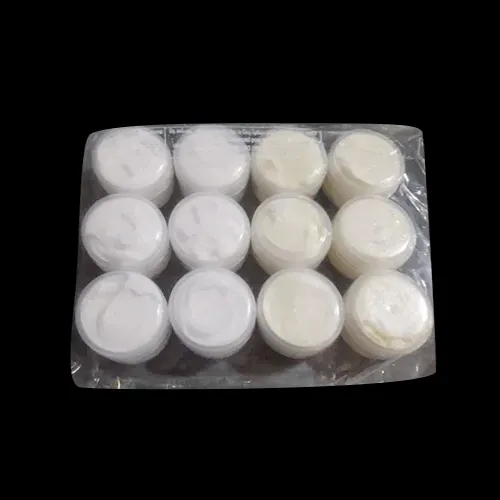
The Power of Whitening Face Cream
In a world that often celebrates flawless beauty, the quest for a brighter, more even skin tone has become a cornerstone of many skincare routines. Whitening face creams have emerged as a popular solution, promising to diminish dark spots, hyperpigmentation, and overall skin dullness. But what truly lies beneath the surface of these creams? This article dives into the world of whitening face creams, uncovering the secrets to their effectiveness and guiding you on your journey to a radiant complexion. Understanding the ingredients, application methods, and realistic expectations is key to harnessing the power of these creams effectively. Join us as we unravel the mysteries and equip you with the knowledge to make informed choices for your skin.
Understanding Skin Whitening
Skin whitening, or skin brightening, is the process of lightening the skin tone or providing a more even complexion. This can be achieved through a variety of methods, including cosmetic products, medical treatments, and lifestyle changes. The primary goal is often to reduce the appearance of dark spots, sunspots, acne scars, and hyperpigmentation, which can result in a more youthful and vibrant appearance. It’s crucial to understand that skin whitening doesn’t necessarily mean aiming for a drastic change in skin tone but rather a more balanced and luminous complexion. The science behind skin whitening involves targeting melanin, the pigment responsible for skin color, and inhibiting its production or promoting its removal. Different ingredients and approaches work to achieve this, each with its own set of benefits and considerations. Always prioritize your skin health and safety when considering any whitening products.
What is Whitening Face Cream and How Does it Work?

Whitening face cream is a cosmetic product formulated to lighten the skin or reduce the appearance of dark spots and uneven skin tone. These creams typically contain active ingredients that target melanin, the pigment responsible for skin coloration. These ingredients work through various mechanisms, such as inhibiting melanin production, promoting cell turnover to remove pigmented cells, or blocking the transfer of melanin to the skin’s surface. Common ingredients include vitamin C, niacinamide, hydroquinone (used under strict medical supervision), and kojic acid. The effectiveness of a whitening face cream depends on the concentration of active ingredients, the product’s formulation, and the individual’s skin type and condition. Consistency in application and adherence to product instructions are crucial for achieving noticeable results. It’s important to choose creams that are appropriate for your skin type and to consult with a dermatologist if you have any concerns or existing skin conditions.
Benefits of Using Whitening Face Cream
Whitening face creams offer a multitude of benefits beyond simply lightening the skin. They can significantly reduce the appearance of dark spots caused by sun damage, aging, or acne scars, leading to a more even skin tone. Many creams also improve skin texture, making the skin feel smoother and more supple. The active ingredients often have antioxidant properties, which protect the skin from free radical damage and premature aging. Furthermore, using a whitening face cream can boost confidence by addressing skin imperfections and promoting a more radiant complexion. Regular use, combined with a comprehensive skincare routine, can contribute to long-term skin health and a youthful glow. It’s a versatile addition to any skincare regimen, offering both aesthetic and protective benefits, when chosen and used appropriately.
Secret 1 Natural Ingredients for Whitening
Many whitening face creams harness the power of natural ingredients to achieve a brighter complexion. These ingredients often provide a gentler approach, minimizing the risk of irritation while still delivering effective results. Popular natural options include licorice extract, known for its ability to inhibit melanin production and reduce hyperpigmentation; bearberry extract (arbutin), which also works to lighten the skin; and mulberry extract, a potent antioxidant that helps even out skin tone. When choosing a cream with natural ingredients, look for products that also incorporate other beneficial components such as aloe vera for soothing and hydration, and green tea extract for its antioxidant properties. The key is to opt for products with well-researched natural ingredients that are proven to be effective and safe for your skin type. Remember that consistency and a holistic skincare routine will enhance the benefits of these natural ingredients.
The role of Vitamin C

Vitamin C is a powerhouse ingredient in many whitening face creams, valued for its antioxidant properties and its ability to brighten the skin. As a potent antioxidant, Vitamin C protects the skin from damage caused by free radicals, which contribute to premature aging and dark spots. It also inhibits the production of melanin, helping to lighten existing dark spots and prevent new ones from forming. Furthermore, vitamin C promotes collagen synthesis, improving skin elasticity and reducing the appearance of fine lines and wrinkles. When looking for a Vitamin C serum or cream, look for a stable form of the vitamin, such as L-ascorbic acid, and ensure it is properly packaged to protect it from light and air. Incorporating Vitamin C into your skincare routine is a smart move towards achieving a brighter, more youthful complexion, but always introduce it gradually to avoid irritation.
Secret 2 Hydration is Key
Proper hydration is fundamental for healthy, radiant skin, and it plays a crucial role in the effectiveness of whitening face creams. Hydrated skin functions optimally, allowing active ingredients to penetrate more effectively, resulting in better results. Furthermore, hydrated skin appears plumper, smoother, and less prone to the appearance of fine lines and wrinkles, which can contribute to a more youthful and glowing complexion. Look for creams that contain hydrating ingredients such as hyaluronic acid, glycerin, and ceramides. These ingredients help draw moisture into the skin and lock it in, ensuring that your skin remains hydrated throughout the day. In addition to applying hydrating creams, make sure to drink plenty of water, which hydrates your skin from the inside out. Consistent hydration creates a perfect environment for skin whitening ingredients to work effectively.
The importance of moisture
Moisture is critical to maintain the skin’s barrier function, protecting it from environmental aggressors and preventing moisture loss. When the skin is properly moisturized, it becomes more resilient, less prone to irritation, and better able to heal. Moisturizers create a protective layer on the skin, trapping in moisture and keeping the skin soft and supple. Whitening face creams often contain ingredients that can be slightly drying, so it is important to counteract this with a rich moisturizer. Applying a moisturizer after the whitening cream helps to hydrate the skin and enhance the absorption of the active ingredients. Choose a moisturizer suited to your skin type, be it a lightweight lotion for oily skin or a richer cream for dry skin. This combination of a whitening cream and a hydrating moisturizer will help you achieve a brighter, healthier complexion.
Secret 3 Exfoliation for Brighter Skin

Exfoliation is a vital step in any skin whitening routine, as it helps to remove dead skin cells from the surface, revealing the brighter, fresher skin underneath. By sloughing off the top layer of dead cells, you allow whitening ingredients to penetrate more effectively, leading to better results. Exfoliation also helps to improve skin texture, reducing the appearance of fine lines, wrinkles, and uneven skin tone. It can also unclog pores, which reduces breakouts and enhances overall skin clarity. However, it’s crucial not to over-exfoliate, as this can lead to irritation and damage the skin barrier. It’s generally recommended to exfoliate once or twice a week, depending on your skin type and the type of exfoliant you use. Incorporating exfoliation into your routine will significantly improve the effectiveness of your whitening face cream and contribute to a radiant complexion.
The Exfoliation Process
There are two main types of exfoliation: physical and chemical. Physical exfoliation involves using a scrub, brush, or other abrasive tools to manually remove dead skin cells. Chemical exfoliation uses acids such as AHAs (alpha-hydroxy acids) and BHAs (beta-hydroxy acids) to dissolve the bonds between skin cells, promoting cell turnover. AHAs, like glycolic and lactic acid, are effective for brightening and improving skin texture, while BHAs, like salicylic acid, are ideal for unclogging pores and addressing acne. When choosing an exfoliant, consider your skin type and sensitivity. Start with a low concentration and gradually increase as your skin becomes accustomed to it. Always follow up with a moisturizer and sunscreen to protect your skin from sun damage. Integrating exfoliation strategically into your routine can maximize the benefits of your whitening cream.
Secret 4 Sun Protection is a Must
Protecting your skin from the sun is absolutely essential when using whitening face creams, as the sun’s UV rays can worsen hyperpigmentation and counteract the effects of the creams. Exposure to the sun can stimulate melanin production, leading to new dark spots and uneven skin tone. Sunscreen should be an integral part of your daily skincare routine, regardless of the weather. Use a broad-spectrum sunscreen with an SPF of 30 or higher, and apply it liberally 15-20 minutes before sun exposure. Reapply every two hours, especially if you are swimming or sweating. Additionally, seek shade during peak sun hours (10 AM to 4 PM) and consider wearing protective clothing, such as hats and sunglasses, to further shield your skin from harmful UV rays. Consistent sun protection is not only necessary for maintaining the benefits of whitening creams but also for preventing premature aging and reducing the risk of skin cancer. Your radiant skin begins with sun protection.
Understanding SPF and its Importance

SPF (Sun Protection Factor) indicates how well a sunscreen protects your skin from UVB rays, which are the primary cause of sunburn and skin damage. A sunscreen with an SPF of 30 blocks approximately 97% of UVB rays, while a sunscreen with an SPF of 50 blocks around 98%. However, SPF only measures protection against UVB rays and not UVA rays, which also contribute to skin aging and damage. Broad-spectrum sunscreens protect against both UVA and UVB rays. When selecting a sunscreen, look for a broad-spectrum formula with an SPF of 30 or higher. Ensure that you apply an adequate amount of sunscreen (approximately one ounce for your entire body) and reapply frequently. Don’t forget to apply sunscreen to areas often overlooked, such as the ears, neck, and the backs of your hands. Combining a high SPF with a broad-spectrum formula is the best way to ensure optimal sun protection, keeping your skin healthy and your whitening efforts effective.
Secret 5 Choose the Right Cream for Your Skin
Selecting the right whitening face cream for your skin type is crucial for achieving optimal results while minimizing the risk of irritation. Understanding your skin type—whether it’s oily, dry, combination, or sensitive—will help you choose a product with the appropriate ingredients and formulation. People with oily skin may benefit from lighter, oil-free creams that won’t clog pores, while those with dry skin may require richer, more emollient formulas. Combination skin may need different products for different areas of the face. Sensitive skin requires gentle, fragrance-free products with minimal active ingredients to avoid irritation. Always perform a patch test before using a new cream, applying a small amount to a discreet area of skin to check for any adverse reactions. Consulting with a dermatologist can help you identify your skin type and recommend the most suitable whitening face cream for your needs.
Understanding Skin Types
Different skin types have unique characteristics and needs, which influence the selection of a whitening face cream. Oily skin tends to produce excess sebum, which can lead to clogged pores and breakouts. Individuals with oily skin should opt for lightweight, non-comedogenic creams that won’t exacerbate oiliness. Dry skin lacks moisture and can feel tight, flaky, and itchy. For dry skin, creams with hydrating and emollient ingredients are essential. Combination skin has both oily and dry areas, often with an oily T-zone (forehead, nose, and chin) and dry cheeks. Those with combination skin may need to use different products on different parts of their face. Sensitive skin is prone to irritation, redness, and itching. People with sensitive skin should choose fragrance-free, hypoallergenic creams with a limited number of active ingredients. Knowing your skin type is the first step toward building a safe and effective skincare routine.
Secret 6 Consistency is Essential

Consistency is the cornerstone of any effective skincare routine, and it is particularly important when using whitening face creams. The benefits of these creams are not instantaneous; they typically take several weeks or months of regular use to become noticeable. Applying the cream as directed, usually twice a day, is crucial for maintaining a steady supply of active ingredients to the skin. Missing applications can interrupt the process and delay results. Along with consistent application, build your use into your routine. Whether it’s morning and night, or just at night, establish a set routine to avoid skipping applications. Be patient, and do not expect overnight miracles. Whitening face creams work gradually, so it’s important to be consistent with your routine to see and maintain the desired results. With dedication and consistency, you’ll be well on your way to a more radiant complexion.
How to Build a Routine
Creating a structured skincare routine is essential to maximize the effectiveness of your whitening face cream. The order in which you apply your products matters. Typically, start with a gentle cleanser to remove impurities, followed by a toner to balance the skin’s pH. Next, apply the whitening face cream, allowing it to absorb fully before moving on to the next step. If your cream is for daytime, always apply sunscreen as the final step. If you are using any other serums, apply them before your moisturizer. For nighttime, apply a moisturizer after your whitening cream to lock in moisture. Incorporate exfoliation once or twice a week, and always follow up with a moisturizer. Consistency in your routine, with the right products, will bring the results you seek. Your skin will thank you for the care.
Secret 7 Realistic Expectations and Patience
It’s essential to approach the use of whitening face creams with realistic expectations and a generous dose of patience. While these creams can significantly improve skin tone and reduce the appearance of dark spots, they are not a magic bullet. Results take time, usually several weeks or months of consistent use, and the extent of the improvement depends on various factors, including the individual’s skin type, the concentration of active ingredients, and the severity of the skin concerns. Avoid expecting rapid transformations, and be wary of any product that promises instant results. It’s also important to understand that some skin conditions may require more intensive treatments, such as those offered by dermatologists. Be patient with the process, and celebrate small improvements along the way. Staying realistic and patient will ensure you stay on track and minimize disappointment. Your brighter skin is coming.
Managing Expectations
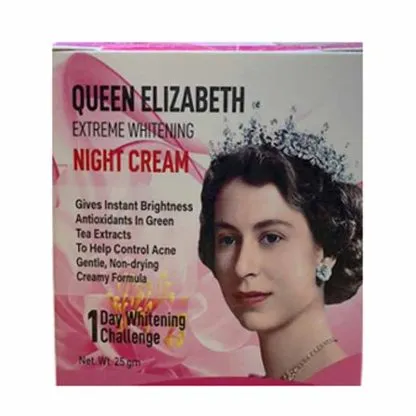
Managing expectations is crucial when beginning a skin whitening journey. Understand that skin whitening is a gradual process, and the results will vary depending on individual skin characteristics, the specific product, and the consistency of use. Don’t expect to achieve a drastically lighter skin tone overnight, as this is unrealistic and could potentially be unsafe. Focus on the improvements in your skin’s overall health and appearance, such as reduced dark spots, improved skin texture, and a more even complexion. Be wary of products that make extreme claims or promise unrealistic outcomes. Instead, prioritize products with proven ingredients and realistic goals. It’s essential to consult with a dermatologist if you have concerns or are unsure about the appropriate approach for your skin. Remember that the ultimate goal is a healthier, more radiant skin, rather than a specific skin tone.
Additional Tips for a Radiant Complexion
In addition to using a whitening face cream, several lifestyle factors can contribute to a more radiant complexion. A balanced diet rich in fruits, vegetables, and antioxidants provides essential nutrients for healthy skin. Adequate hydration, by drinking plenty of water, keeps skin plump and hydrated, enhancing its natural glow. Getting enough sleep (7-8 hours per night) allows the skin to repair and regenerate overnight. Manage stress through relaxation techniques, as stress can contribute to skin problems. Avoid smoking and limit alcohol consumption, as both can damage the skin. Regular exercise boosts circulation, delivering nutrients to the skin and promoting a healthy glow. Consistent and healthy lifestyle practices can dramatically improve the effectiveness of your whitening face cream, and bring you even closer to your goals. Embrace these holistic approaches for truly glowing and bright skin.