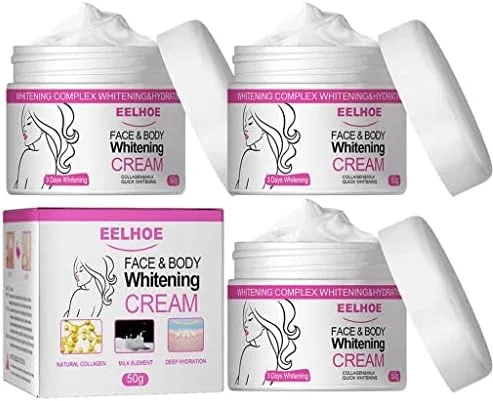
Top 5 Whitening Cream Secrets in South Africa
In the pursuit of radiant and even-toned skin, many South Africans turn to whitening creams for face and body. However, navigating the world of these products can be tricky. This guide reveals the top 5 secrets to effectively and safely use whitening creams, ensuring you achieve the best possible results. From understanding how these creams work to choosing the right ingredients and maintaining a consistent skincare routine, we’ll cover everything you need to know. Understanding the fundamentals and following expert advice will help you on your journey to brighter, more confident skin. Remember, patience and proper skincare practices are key. Let’s delve into the secrets!
Understanding Skin Whitening
Skin whitening, often referred to as skin lightening or skin brightening, aims to reduce the appearance of dark spots, hyperpigmentation, and uneven skin tone. This is achieved by decreasing the production of melanin, the pigment responsible for skin color. It is important to be clear on the purpose of skin whitening, which is to diminish imperfections, not to fundamentally alter your natural skin tone. Whitening creams work in various ways, by either inhibiting the enzyme tyrosinase, which is crucial in melanin production, or by accelerating the shedding of the skin’s surface cells to reveal brighter skin underneath. Understanding these principles is crucial for setting realistic expectations and choosing appropriate products.
What Causes Dark Spots and Uneven Skin Tone

Dark spots and uneven skin tone can result from various factors, including sun exposure, hormonal changes (such as melasma), acne scars, inflammation, and aging. Sun exposure is one of the most significant contributors; ultraviolet (UV) radiation stimulates melanin production, leading to the development of dark spots. Hormonal fluctuations, often during pregnancy or due to birth control pills, can cause melasma, a condition characterized by brown or gray-brown patches, typically on the face. Acne and other forms of skin inflammation can also leave behind post-inflammatory hyperpigmentation (PIH), causing the skin to darken in the affected areas. Finally, the natural aging process can also lead to age spots or sun spots, which are another form of hyperpigmentation.
How Whitening Creams Work
Whitening creams function by targeting the melanin production process. The active ingredients in these creams work in several ways. Some ingredients, such as hydroquinone, inhibit tyrosinase, an enzyme essential for melanin synthesis. Others, like retinoids, promote cell turnover, helping to shed the pigmented skin cells, and revealing newer, lighter skin. Additional ingredients, such as vitamin C, act as antioxidants and can also inhibit melanin production. The efficacy of these creams varies depending on the active ingredients, the concentration, and the consistency of use. It’s crucial to note that results take time, and patience is key when using whitening creams. Additionally, choosing the right product is vital.
Secret 1 Choosing the Right Ingredients
The ingredients in a whitening cream significantly influence its effectiveness and safety. South African consumers should familiarize themselves with ingredients that are effective and safe for long-term use. Many whitening creams have different ingredients that can either work really well or might have some side effects. Knowing these ingredients can help you make better choices for your skin. Before choosing any product, it’s always best to know what is in it.
Hydroquinone vs. Other Ingredients

Hydroquinone is a widely recognized skin-lightening agent that inhibits melanin production. While it can be highly effective, it also carries potential risks, including skin irritation, ochronosis (a condition causing blue-black discoloration of the skin), and photosensitivity. Due to these risks, hydroquinone concentrations are often regulated, and long-term use should be monitored by a dermatologist. Alternatives to hydroquinone include ingredients such as kojic acid, azelaic acid, vitamin C, and niacinamide. These ingredients may offer similar benefits with fewer side effects, however, the effectiveness of each may differ depending on the user.
Natural vs. Chemical Ingredients
The market offers a variety of whitening creams with both natural and chemical ingredients. Natural ingredients, like licorice extract, bearberry extract, and mulberry extract, often contain compounds that inhibit melanin production. They may be gentler on the skin, but their effectiveness can vary, and the results may take longer to appear. Chemical ingredients, such as hydroquinone, retinoids, and certain types of acids (like glycolic or lactic acid), are often more potent and can deliver faster results. However, they may also cause more irritation and require careful usage. Considering the individual skin type, sensitivity, and concerns will help determine the best choice. Remember to check the labels and look for products with transparent and easy-to-understand ingredient lists.
Secret 2 Sun Protection is Crucial
Sun protection is paramount in any skin-whitening regimen. UV radiation from the sun can trigger melanin production, which can negate the effects of whitening creams and worsen hyperpigmentation. It’s essential to protect the skin from further sun damage, as this is one of the biggest causes of dark spots and uneven skin tone. Without sun protection, the skin-whitening process may be ineffective, and you could also damage your skin even more. By making sun protection a priority, you’re setting yourself up for long-term success in maintaining a brighter, more even complexion, and keeping your skin healthy.
The Importance of SPF

Using a broad-spectrum sunscreen with an SPF of 30 or higher is critical. This helps protect the skin from both UVA and UVB rays, which can contribute to hyperpigmentation and premature aging. Sunscreen should be applied generously and re-applied every two hours, especially when outdoors. Even on cloudy days, UV rays can penetrate the clouds, so sun protection should be a part of your daily routine, rain or shine. This not only protects the skin from further damage but also allows the whitening creams to work more effectively. Think of sunscreen as your skin’s first line of defense.
Choosing the Right SPF Product
When selecting a sunscreen, consider your skin type and the activities you engage in. For sensitive skin, look for mineral sunscreens containing zinc oxide or titanium dioxide. If you spend a lot of time outdoors or participate in water-based activities, opt for a water-resistant sunscreen. Check the label to ensure it offers broad-spectrum protection, and choose an SPF that is appropriate for your skin’s sensitivity to the sun. Using the right product can make sun protection both effective and comfortable. Also, be mindful of the expiration dates on your sunscreen and replace it regularly to ensure its efficacy.
Secret 3 Consistent Application Matters
Consistency is key to achieving optimal results with whitening creams. Regularly applying the product as directed is important for seeing noticeable improvements in your skin tone. Skipping applications can reduce the effectiveness of the cream and extend the time it takes to see results. Make it a non-negotiable part of your daily skincare routine, both in the morning and at night. Be patient; visible changes usually take several weeks or months of consistent use.
Creating a Skincare Routine

A well-rounded skincare routine is essential for maximizing the benefits of whitening creams. This should include cleansing the face and body to remove dirt, oil, and impurities. Apply the whitening cream as directed by the manufacturer, often in a thin layer on the affected areas. Always apply sunscreen in the morning, even on cloudy days. Consider adding a gentle exfoliant to remove dead skin cells and enhance product absorption. Be patient and make sure to regularly follow your skincare routine. Remember, it takes time to see visible results, and consistency will help achieve them.
When to Apply Whitening Cream
The ideal time to apply whitening cream varies depending on the product and your skincare routine. Most creams are best applied twice daily, in the morning and at night, after cleansing. Applying it at night allows the cream to work while the skin is in repair mode. During the day, apply sunscreen over the cream to protect your skin. If you are using other skincare products, such as serums or moisturizers, apply the whitening cream before these products to allow for better absorption. Following the instructions on the product label is crucial, and always consult a dermatologist if you have any questions about when to apply the cream.
Secret 4 Managing Expectations
It’s essential to approach skin whitening with realistic expectations. Whitening creams can diminish dark spots and uneven skin tone, but they may not completely eliminate them. Skin type, the severity of the hyperpigmentation, and the chosen products’ active ingredients can influence the outcomes. It is important to remember that the goal is to improve the skin’s appearance, and this may take time. Patience and consistent use, combined with sun protection and a good skincare routine, will help you to reach your goal.
Realistic Results

Realistic results with whitening creams involve gradual improvement in skin tone and a reduction in the appearance of dark spots. You should not expect an immediate transformation, and results may take several weeks to months of consistent use to become visible. Individual results will vary based on the product used, the type of skin, and the presence of underlying conditions. Keep an open mind, stay consistent with your skincare routine, and assess your progress over time. It’s important to remember that everyone’s skin is unique, and the outcomes will vary. Celebrating small victories is also important.
Potential Side Effects
Whitening creams, like any skincare product, can have potential side effects. These can range from mild irritation and redness to more severe reactions, depending on the active ingredients and the individual’s skin sensitivity. Some common side effects include dryness, itching, and peeling. More potent ingredients, such as hydroquinone or retinoids, may cause more severe reactions. In some cases, overuse or misuse can lead to ochronosis, a condition causing blue-black discoloration of the skin. If you experience any adverse reactions, such as persistent irritation, burning, or changes in skin color, discontinue use immediately and consult a dermatologist. Always start with a small amount of the product to test how it will affect your skin.
Secret 5 Researching and Choosing Products
Choosing the right whitening cream involves careful research and consideration. Given the wide range of products available, making an informed choice is important for achieving desired results while minimizing potential risks. Always be a smart consumer, understand your skin, and know what to look for in a product. Check the ingredient list, read reviews, and when in doubt, consult a professional.
Reading Reviews and Comparing Brands

Before purchasing a whitening cream, research and read reviews from other users. Online reviews, testimonials, and expert opinions can provide valuable insights into the effectiveness, side effects, and overall user experience of different products. Compare different brands based on their ingredients, price, and customer feedback. However, remember that individual experiences may vary. Consider the source of the reviews and evaluate their credibility. Look for detailed reviews that discuss both positive and negative aspects of the product to get a balanced understanding. This research step will help you narrow down your options and make an informed decision.
Consulting with a Dermatologist
Consulting with a dermatologist is highly recommended, especially if you are new to whitening creams or have specific skin concerns. A dermatologist can assess your skin type, identify any underlying skin conditions, and recommend the best products and treatments for your needs. They can also advise on the safe and effective use of whitening creams, including appropriate concentrations and potential side effects. Dermatologists can provide personalized advice and help you to create a tailored skincare routine. They can also monitor your progress and adjust your treatment plan if necessary. Consulting with a professional will help you on your journey to achieving brighter and healthier skin in a safe and effective way.
In conclusion, achieving brighter, more even-toned skin with whitening creams in South Africa involves understanding the active ingredients, prioritizing sun protection, adhering to a consistent skincare routine, setting realistic expectations, and conducting thorough research. By following these top 5 secrets, you can navigate the world of whitening creams safely and effectively, ultimately enhancing your skin’s radiance. Remember to be patient, consistent, and informed, and don’t hesitate to consult with a dermatologist for personalized guidance. With the right approach, you can achieve your skincare goals and confidently embrace your radiant complexion.