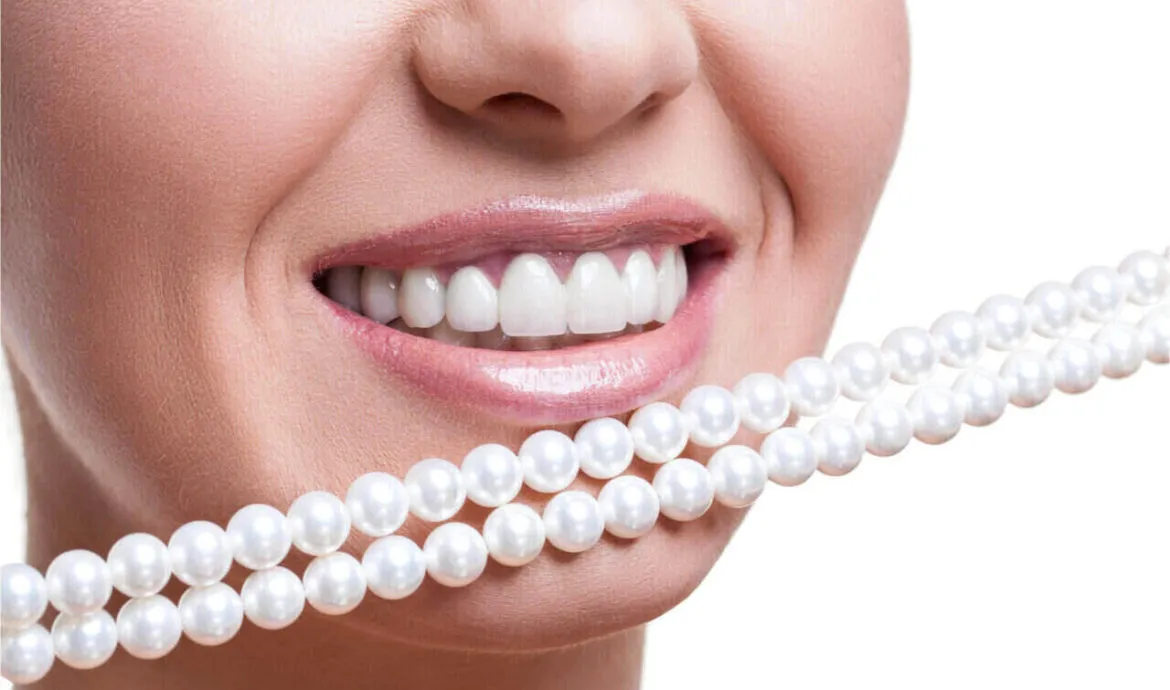
A bright, white smile is a powerful asset, boosting confidence and making a lasting impression. Cosmetic dentistry offers a range of solutions to achieve this, with tooth whitening being one of the most popular and effective. This article explores the secrets of tooth whitening, providing a comprehensive guide to the procedures, facts, and considerations involved in achieving a dazzling smile. From understanding the science behind it to exploring the different options available, we’ll delve into everything you need to know about cosmetic dentistry tooth whitening. Get ready to uncover the secrets to a brighter, more confident you!
What is Tooth Whitening
Tooth whitening, also known as teeth whitening, is a cosmetic dental procedure designed to lighten the shade of your teeth. It works by removing stains and discoloration, revealing a brighter and more youthful smile. It is a minimally invasive procedure and a relatively quick and affordable way to enhance your appearance. The process involves using bleaching agents, typically containing hydrogen peroxide or carbamide peroxide, to break down the stains and discoloration that have accumulated on the enamel. These stains can be caused by various factors, including food, drinks, tobacco use, and aging. The treatment can range from over-the-counter products to professional treatments performed by a dentist.
How Tooth Whitening Works
The science behind tooth whitening is quite fascinating. The active ingredients in whitening products, typically hydrogen peroxide or carbamide peroxide, penetrate the enamel and dentin of your teeth. These agents break down stain molecules, effectively dissolving the discoloration and allowing the natural color of your teeth to shine through. The process is a chemical reaction, and the concentration of the bleaching agent and the duration of the treatment influence the effectiveness. Different methods use different concentrations and application times. Professional treatments use higher concentrations for faster results, while at-home kits use lower concentrations for gradual whitening.
Professional Tooth Whitening Procedures

Professional tooth whitening procedures, performed by a dentist, offer the most effective and controlled results. Dentists can use stronger bleaching agents and specialized equipment to achieve significant whitening in a single visit. These procedures are also safer, as dentists can assess your oral health and address any pre-existing conditions that might impact the treatment. There are different types of professional whitening available, including in-office and dentist-supervised at-home treatments. Your dentist will consider your specific needs and goals to recommend the most appropriate option for you, ensuring optimal outcomes and minimizing the risk of side effects.
In-Office Whitening
In-office whitening, also known as chairside bleaching, is a quick and effective way to achieve dramatic results. The procedure involves applying a high-concentration bleaching agent to your teeth, followed by the use of a special light or laser to accelerate the whitening process. This can often be completed in a single, one-hour appointment. Before the procedure, your dentist will protect your gums and soft tissues to prevent irritation. The results are immediate, often lightening your teeth by several shades. The dentist will also provide aftercare instructions to maintain your new, brighter smile.
At-Home Whitening Trays
Your dentist can provide custom-fitted trays and a professional-strength whitening gel for at-home use. This method allows you to whiten your teeth gradually and at your convenience. The dentist will take impressions of your teeth to create trays that fit perfectly. You then fill the trays with the whitening gel and wear them for a specified amount of time each day or night, as directed by your dentist. This method offers more control over the whitening process and is generally more affordable than in-office treatments. It is crucial to follow the dentist’s instructions to avoid any potential side effects and to achieve the best results.
Over-the-Counter Whitening Products

Over-the-counter (OTC) whitening products are readily available at most drugstores and supermarkets. These products offer a more affordable and accessible option for those seeking to whiten their teeth. While they may not be as powerful as professional treatments, they can still provide noticeable results, especially for mild staining. It’s essential to be aware of the limitations of these products and to use them as directed to avoid any adverse effects. There are two main types of OTC whitening products whitening toothpastes and whitening strips, each with its own benefits and considerations.
Whitening Toothpastes
Whitening toothpastes contain mild abrasives and chemicals that help remove surface stains. They can improve the brightness of your teeth by a shade or two. However, they do not change the intrinsic color of your teeth in the same way that bleaching products do. The abrasives in these toothpastes can sometimes cause sensitivity, so it is important to choose a toothpaste that is gentle on your teeth and gums. Whitening toothpastes are an excellent choice for maintaining a bright smile but might not be sufficient for significant discoloration. You must continue to brush twice a day for at least two minutes each time for optimum results.
Whitening Strips
Whitening strips are thin, flexible strips coated with a bleaching agent, typically hydrogen peroxide. They are applied directly to the teeth and worn for a specified amount of time. Whitening strips are generally more effective than whitening toothpastes and can provide noticeable results within a few weeks. However, they may not whiten teeth evenly and can cause some sensitivity. When using whitening strips, it is crucial to follow the manufacturer’s instructions carefully. Ensure that the strips cover all surfaces of the teeth evenly for the best results.
Top 7 Facts About Tooth Whitening

Understanding these facts will help you make informed decisions about tooth whitening.
Fact 1 Effectiveness of Whitening
Tooth whitening is very effective in lightening the shade of your teeth, especially for stains caused by coffee, tea, and tobacco. However, the degree of whitening varies depending on the type and severity of the stains. Professional treatments usually provide the most dramatic and immediate results. At-home methods can also be effective, but they typically take longer to achieve the desired outcome. The effectiveness also depends on the individual’s teeth and the type of whitening product used. Consulting with a dentist can help you determine the best whitening option for your specific needs and expectations.
Fact 2 Types of Stains
There are two main types of tooth stains extrinsic and intrinsic. Extrinsic stains are on the surface of the teeth, caused by food, drinks, and tobacco. Intrinsic stains are within the tooth structure, caused by aging, medications, or trauma. Tooth whitening is most effective on extrinsic stains. Intrinsic stains may require more intensive treatment or may not respond as well to whitening. Your dentist will assess the type of stains you have to determine the most effective whitening method. This assessment will help you set realistic expectations regarding the results.
Fact 3 Sensitivity Issues

Tooth sensitivity is a common side effect of tooth whitening. The bleaching agents can temporarily make your teeth more sensitive to temperature changes. This sensitivity is usually mild and temporary, resolving within a few days after the treatment. To minimize sensitivity, use toothpaste for sensitive teeth before, during, and after the whitening process. Avoid very hot or cold foods and drinks during treatment. Your dentist may also recommend fluoride treatments or other desensitizing agents to help alleviate any discomfort.
Fact 4 Whitening and Fillings
Tooth whitening only works on natural teeth. It does not whiten fillings, crowns, veneers, or other dental restorations. If you have fillings or other restorations in your front teeth, they may stand out after whitening your natural teeth. In such cases, you might need to replace these restorations to match your new, brighter smile. Discuss this with your dentist before undergoing whitening. They can assess the current state of your restorations and provide recommendations on how to achieve the most aesthetically pleasing results.
Fact 5 Maintenance and Aftercare
Maintaining your newly whitened smile requires proper care and maintenance. Avoid foods and drinks that can stain your teeth, such as coffee, tea, red wine, and berries. Brush your teeth twice a day with a whitening toothpaste and floss daily. Regular dental check-ups and cleanings are also essential. Your dentist may recommend touch-up treatments to maintain your results. Maintaining good oral hygiene and avoiding staining agents will help prolong the effects of tooth whitening.
Fact 6 Cost Considerations

The cost of tooth whitening varies depending on the method and location. Over-the-counter products are the most affordable, while professional treatments are more expensive. In-office whitening is generally more costly than at-home treatments. Consider your budget and the desired results when choosing a whitening method. Consult with your dentist to determine the most cost-effective option that meets your needs. Remember that the investment in tooth whitening is also an investment in your confidence and overall well-being.
Fact 7 Benefits of a Brighter Smile
A brighter smile offers many benefits, including increased self-esteem, improved social interactions, and a more youthful appearance. People with whiter teeth often report feeling more confident and attractive. A beautiful smile can make a positive first impression and enhance your overall appearance. It can also contribute to better oral health habits, as people are often more motivated to take care of their teeth after whitening. A brighter smile can improve your quality of life, both personally and professionally.
Who is a Good Candidate for Tooth Whitening
Generally, individuals with healthy teeth and gums and who have staining or discoloration are good candidates for tooth whitening. It’s particularly effective for stains caused by coffee, tea, tobacco, and aging. Your dentist will assess your oral health to determine if you are a suitable candidate. They will check for any existing dental issues, such as cavities or gum disease, which need to be addressed before whitening. People with realistic expectations about the results are more likely to be satisfied with the treatment. If you want a brighter smile, consulting with a dentist is the first step.
Who Should Avoid Tooth Whitening

Tooth whitening is not suitable for everyone. It is not recommended for pregnant or breastfeeding women. It may not be effective for people with certain types of intrinsic stains. Individuals with severe dental issues, such as cavities, gum disease, or sensitive teeth, should address these issues before undergoing whitening. People with existing dental restorations in the front teeth may not be ideal candidates, as the restorations will not whiten. Always consult with your dentist to determine if tooth whitening is right for you. They can assess your oral health and provide personalized recommendations.
Risks and Side Effects of Tooth Whitening
While generally safe, tooth whitening can have some risks and side effects. The most common side effect is tooth sensitivity, which is usually temporary. Gum irritation or inflammation can also occur if the bleaching agent comes into contact with the soft tissues. In rare cases, tooth whitening can cause changes in the enamel. Following your dentist’s instructions carefully can minimize the risk of side effects. Always disclose any pre-existing dental conditions or sensitivities to your dentist before treatment. Being aware of potential side effects and taking preventive measures is essential for a successful and safe experience.
Alternatives to Tooth Whitening
If tooth whitening is not suitable for you, or if you desire more comprehensive cosmetic changes, there are alternative options available. Dental veneers are thin, custom-made shells that cover the front surface of the teeth, providing a complete smile makeover. Dental bonding involves applying a tooth-colored resin to the teeth to improve their shape, size, and color. Crowns are used to restore severely damaged or discolored teeth, offering both cosmetic and functional benefits. Your dentist can recommend the best alternative based on your specific needs and goals. Discussing all available options ensures you choose the most appropriate treatment for a beautiful, healthy smile.
In conclusion, tooth whitening is a safe and effective way to enhance your smile and boost your confidence. By understanding the process, the various options available, and the potential considerations, you can make an informed decision about whether tooth whitening is right for you. Consulting with a cosmetic dentist is crucial to ensure the best results and to maintain a healthy and beautiful smile for years to come. Embrace the power of a brighter smile and unlock the confidence you deserve. Schedule a consultation today and take the first step towards a radiant and dazzling smile!