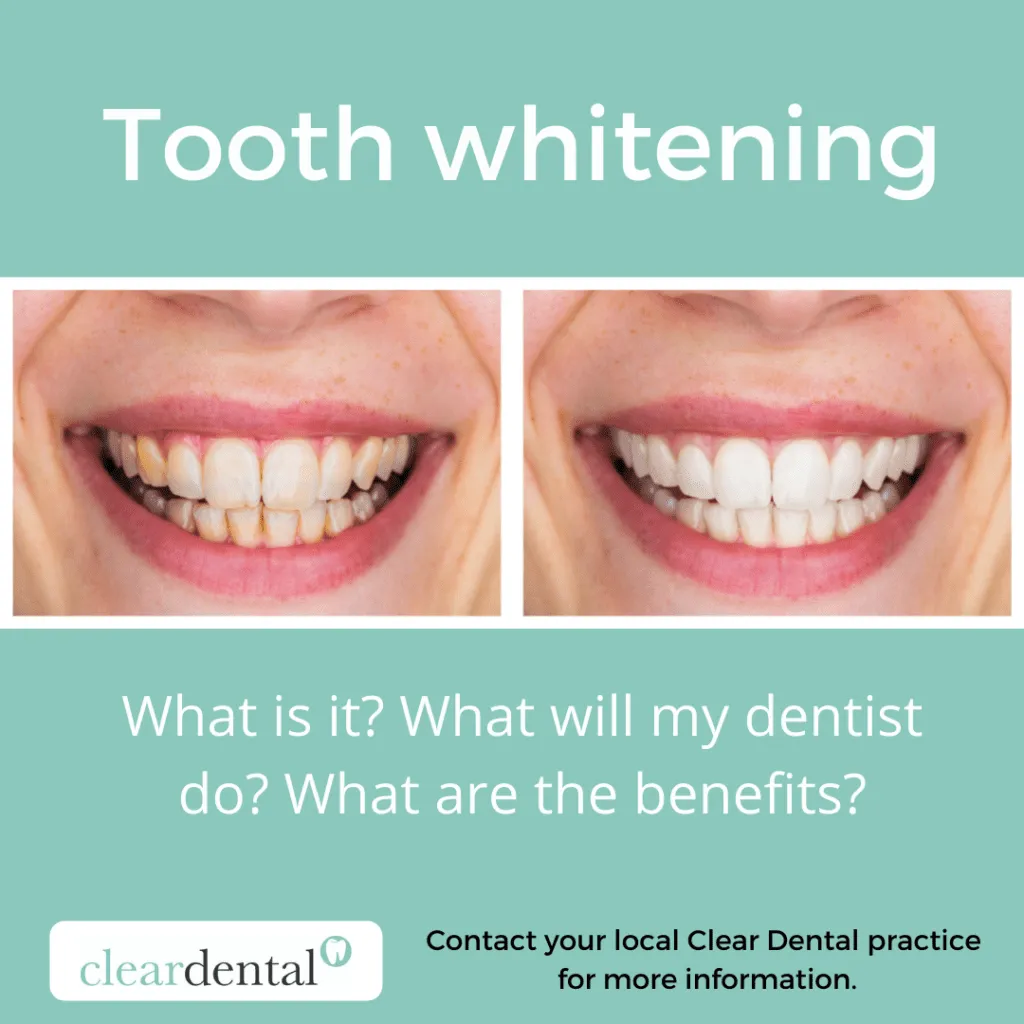
What is the Active Ingredient in Tooth Whitening
Tooth whitening has become a staple in modern cosmetic dentistry, with a vast array of products promising brighter smiles. But what is the secret behind these treatments? The effectiveness of tooth whitening largely depends on its active ingredients. These ingredients are designed to break down the stains and discoloration that accumulate on your teeth, revealing a whiter, more radiant smile. Understanding these key components is crucial if you are considering whitening your teeth. The active ingredients are the engines that power the whitening process, and knowing their functions and effects will help you make an informed decision about which treatment is right for you.
Hydrogen Peroxide
Hydrogen peroxide is one of the most prevalent active ingredients found in tooth whitening products. It is a strong oxidizing agent, which means it can break down stain molecules by releasing oxygen. This oxygen penetrates the enamel of your teeth, where it interacts with the discolored compounds, breaking them down and thus lightening your teeth. Hydrogen peroxide is available in various concentrations, and the higher the concentration, the faster and more intense the whitening effect. However, it is important to note that higher concentrations also come with a higher risk of side effects. Hydrogen peroxide is a tried and true whitening agent that has been used for many years.
How Hydrogen Peroxide Works

The process by which hydrogen peroxide whitens teeth is a chemical reaction. When applied to the teeth, hydrogen peroxide releases oxygen molecules, which penetrate the enamel and dentin. These oxygen molecules then react with the stain molecules, breaking their chemical bonds and dispersing them. This process effectively reduces the concentration of stain molecules, making your teeth appear whiter. The effectiveness of this process depends on the concentration of the hydrogen peroxide, the duration of application, and the nature of the stains. Professional treatments often use higher concentrations for faster results, while over-the-counter products use lower concentrations for safer home use.
Concentration Levels
The concentration of hydrogen peroxide in tooth whitening products significantly impacts their effectiveness and potential side effects. Over-the-counter products typically contain lower concentrations, usually between 3% and 10%, making them safer for home use but also slower to produce visible results. Professional treatments, on the other hand, can use concentrations ranging from 15% to 40%, offering faster and more dramatic whitening, but often under the supervision of a dentist. Higher concentrations can lead to increased tooth sensitivity and gum irritation. Therefore, it is essential to consider your individual needs and tolerance when choosing a whitening product and always follow the manufacturer’s instructions or your dentist’s guidance.
Carbamide Peroxide
Carbamide peroxide is another key active ingredient used in tooth whitening. It is a compound that breaks down into hydrogen peroxide and urea when it comes into contact with water. Because of this conversion, carbamide peroxide is a slower-releasing but longer-lasting whitening agent. It is commonly found in take-home whitening kits provided by dentists. The slower release means less immediate sensitivity compared to higher concentrations of hydrogen peroxide, but it still delivers effective whitening results. Carbamide peroxide’s gradual action makes it a popular choice for at-home treatments, providing a balance between effectiveness and comfort.
How Carbamide Peroxide Works

Carbamide peroxide works through a similar mechanism as hydrogen peroxide but with a slower, more sustained effect. When carbamide peroxide is applied to the teeth, it gradually releases hydrogen peroxide. This slow release allows for a longer duration of whitening action while potentially reducing immediate sensitivity. The urea byproduct also helps to hydrate the teeth, further decreasing sensitivity. This controlled release makes carbamide peroxide a suitable option for individuals who prefer a gentler whitening experience or want to whiten their teeth overnight. It is a popular option for those seeking effective yet comfortable at-home treatments.
Differences between Hydrogen Peroxide and Carbamide Peroxide
The primary difference between hydrogen peroxide and carbamide peroxide lies in their delivery and concentration. Hydrogen peroxide is a more immediate and potent whitening agent, providing quicker results but often with higher sensitivity. Carbamide peroxide, on the other hand, releases hydrogen peroxide more gradually, leading to a gentler but longer-lasting effect. Carbamide peroxide typically has a lower percentage of active ingredient. The choice between the two often depends on the product’s application method (in-office vs. at-home) and the desired intensity of whitening. Both ingredients are effective, but their suitability varies depending on individual preferences and tolerance.
Other Ingredients to Consider
While hydrogen peroxide and carbamide peroxide are the primary active ingredients, other ingredients also play supporting roles in tooth whitening products. These ingredients can enhance the whitening effect, protect your teeth, or reduce potential side effects.
Sodium Bicarbonate

Sodium bicarbonate, or baking soda, is a common ingredient in many whitening toothpastes. It acts as a mild abrasive, helping to remove surface stains from your teeth. While it does not directly whiten teeth in the same way as peroxide-based products, it can improve the appearance of your teeth by removing superficial discoloration. Additionally, sodium bicarbonate helps to neutralize acids in your mouth, contributing to a healthier oral environment. Its gentle abrasive action makes it a popular choice for those looking for a natural approach to teeth whitening.
Fluoride
Fluoride is another key ingredient often found in tooth whitening products, especially in whitening toothpastes. Its primary role is to strengthen tooth enamel, making your teeth more resistant to decay and sensitivity. The whitening process can sometimes make teeth more sensitive, and fluoride helps remineralize the enamel, reducing the risk of discomfort. Fluoride also helps to protect against cavities, promoting overall oral health. Its inclusion in whitening products ensures that your teeth not only look better but also become healthier.
Benefits of Tooth Whitening Active Ingredients
The active ingredients in tooth whitening products offer several significant benefits, extending beyond just a brighter smile.
Improved Aesthetics

The most obvious benefit of tooth whitening is improved aesthetics. White teeth can significantly enhance your smile, making you look more attractive and youthful. Stains and discoloration can make teeth appear aged and unhealthy, while whitening can reverse these effects, providing a more confident and pleasing appearance. A brighter smile can also improve your overall facial appearance, contributing to a more radiant and vibrant look. Many people find that having whiter teeth makes them feel more confident in social and professional settings, leading to a positive self-image.
Boost in Confidence
A whiter smile often results in a significant boost in confidence. When you feel good about your appearance, it translates into increased self-esteem and a more positive outlook on life. People with whiter teeth tend to smile more freely and engage more confidently in social interactions. The improved self-image can extend to various aspects of your life, from your professional career to your personal relationships. The psychological impact of having a brighter, more attractive smile should not be underestimated, as it can profoundly affect your overall well-being.
Potential Risks and Side Effects
While tooth whitening is generally safe, there are potential risks and side effects that you should be aware of before undergoing treatment. These side effects vary depending on the product and concentration used.
Sensitivity

Tooth sensitivity is one of the most common side effects of tooth whitening. The active ingredients can penetrate the enamel and reach the dentin, which contains nerve endings. This can result in temporary sensitivity to hot or cold foods and drinks. The intensity of sensitivity can vary depending on the concentration of the whitening agent, the duration of treatment, and individual tooth conditions. Sensitivity usually subsides within a few days after treatment, and using toothpaste for sensitive teeth can help manage the discomfort.
Gum Irritation
Gum irritation is another potential side effect of tooth whitening. High concentrations of whitening agents can irritate the soft tissues of the gums, leading to redness, swelling, and discomfort. This irritation is more common with in-office treatments where the whitening agent may come into direct contact with the gums. Using custom-fitted trays for at-home treatments can help minimize gum contact and reduce the risk of irritation. Any gum irritation should resolve within a few days after the treatment. Always follow the dentist’s instructions.
Choosing the Right Tooth Whitening Product
Selecting the right tooth whitening product involves considering several factors, including your oral health, the desired level of whitening, and your budget. There are various options available, from over-the-counter products to professional treatments.
Professional vs. Over the Counter

Professional tooth whitening, performed by a dentist, typically offers faster and more dramatic results due to the higher concentrations of whitening agents used. These treatments are also customized to your teeth, ensuring better results and minimizing risks. Over-the-counter products, such as whitening strips and toothpastes, are more affordable and convenient but generally provide less dramatic results. They are often a good option for maintaining whiteness after professional treatment or for mild discoloration. It is essential to choose a product that aligns with your expectations and oral health needs.
Consulting Your Dentist
Before starting any tooth whitening treatment, consulting your dentist is highly recommended. Your dentist can assess your oral health, identify any underlying issues, and recommend the most suitable whitening option. They can also monitor the treatment process and address any side effects. A professional consultation ensures that you make an informed decision, considering your specific needs and dental history. Your dentist can also provide guidance on the proper use of whitening products and offer personalized recommendations to achieve the best results.
Conclusion
Understanding the active ingredients in tooth whitening is crucial for achieving a brighter, more confident smile. Whether you choose hydrogen peroxide or carbamide peroxide, knowing how these ingredients work and their potential side effects empowers you to make informed decisions. Always consult with your dentist to determine the best whitening approach for your individual needs and ensure the health and beauty of your smile. A bright smile is a powerful tool, and with the right knowledge and care, you can achieve and maintain the dazzling results you desire.