Understanding Teeth Whitening with Braces
The journey to a straighter smile with braces is often a long-term commitment, and the desire to achieve a brighter, more confident smile is natural. However, teeth whitening while wearing braces presents unique challenges. This guide explores the intricacies of teeth whitening with braces, providing essential facts, methods, and tips to help you achieve your desired results. Understanding the process and its potential impacts is the first step in ensuring a safe and effective whitening experience. This involves understanding both the benefits and limitations associated with teeth whitening while undergoing orthodontic treatment, and what the best approach might be for the individual. Getting your teeth whitened while wearing braces is a popular request at the dentist, but many times is not as easy as you may think.
What is Teeth Whitening?
Teeth whitening, also known as bleaching, is a cosmetic dental procedure designed to lighten the shade of your teeth. It involves using bleaching agents to break down stains and discoloration on the tooth surface and within the enamel. The goal is to achieve a brighter, more aesthetically pleasing smile. Whitening can address stains caused by various factors, including coffee, tea, tobacco, aging, and certain medications. There are different methods available, ranging from over-the-counter products to professional treatments, each with varying degrees of effectiveness and potential side effects. The choice of method depends on individual needs, preferences, and the guidance of a dental professional.
The Science Behind Teeth Whitening

At its core, teeth whitening works through a chemical process. The active ingredients in whitening products, typically hydrogen peroxide or carbamide peroxide, penetrate the enamel and dentin of the teeth. These substances break down stain molecules, effectively lightening the color of the teeth. The concentration of the bleaching agent and the duration of exposure influence the whitening outcome. Professional treatments often utilize higher concentrations of bleaching agents and may incorporate specialized lights or lasers to accelerate the process. Understanding the science behind whitening helps to appreciate the effectiveness and limitations of different methods and the importance of proper application to minimize potential risks. The process also depends on the type of stain, the enamel and dentin makeup, and the individual’s response to the treatment.
Why Braces Complicate Whitening
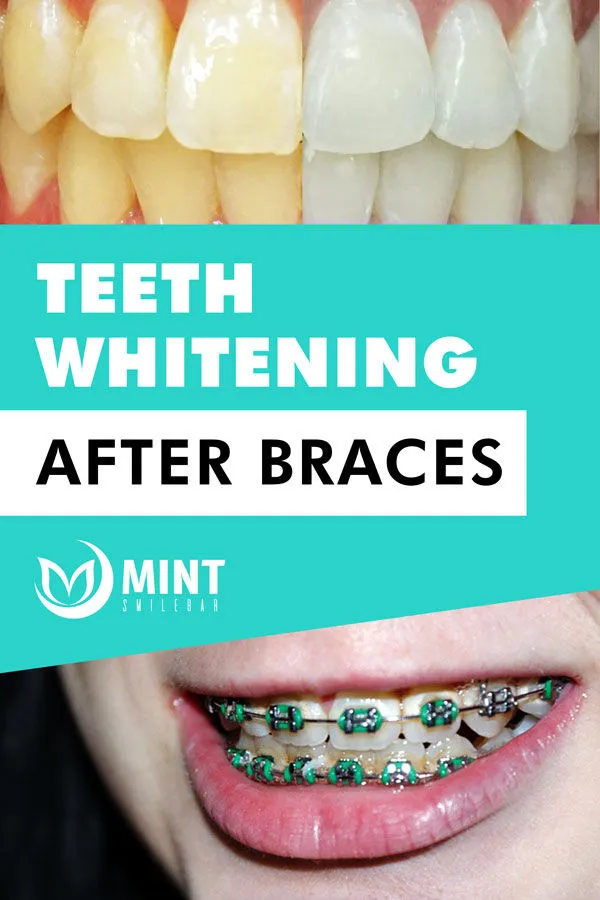
Braces, with their brackets and wires, present unique challenges to teeth whitening. The brackets cover a portion of the tooth surface, preventing the whitening agent from reaching those areas. This can lead to uneven whitening, where the areas covered by brackets remain darker than the exposed enamel. Additionally, the presence of braces makes it more difficult to maintain consistent contact between the whitening agent and the tooth surface. Furthermore, the accumulation of plaque and food particles around the brackets can affect the uniformity of the whitening process. The restricted access and potential for uneven results make it crucial to approach teeth whitening during orthodontic treatment with careful consideration and expert guidance. Working with your orthodontist and dentist is very important to avoid any complications.
Top 5 Facts About Teeth Whitening with Braces
Fact 1 Potential Uneven Whitening

One of the most significant concerns is the potential for uneven whitening. Areas of the teeth covered by brackets will not whiten as effectively as the exposed surfaces, leading to noticeable differences in shade once the braces are removed. This can require additional whitening treatments after the braces are off to achieve a uniform appearance. Therefore, it’s essential to understand this potential outcome and consider strategies to mitigate uneven whitening, such as professional guidance and the use of specialized whitening methods. Many people opt to wait until after their braces are removed for whitening so they can achieve a more uniform look. This ensures the bleaching agent can reach all surfaces of the teeth and provide a more consistent whitening effect, thus avoiding the problem of uneven tooth shades.
Fact 2 The Importance of Professional Guidance
Consulting with your orthodontist and dentist is paramount before starting any teeth whitening process while wearing braces. They can assess your oral health, discuss the potential risks and benefits, and recommend the most appropriate methods for your specific situation. Professional guidance ensures that you receive personalized advice, minimizing the risk of complications and maximizing the likelihood of achieving satisfactory results. They may also suggest alternative approaches or provide custom-fitted trays for whitening after the braces are removed. Professional guidance will also help you understand the expectations of your whitening process, as well as setting the best possible options and timelines for a successful outcome.
Fact 3 Different Whitening Methods
Several teeth whitening methods are available for those with braces, each with its pros and cons. Whitening toothpastes and mouthwashes can provide mild stain removal but typically have limited whitening effects. Over-the-counter whitening strips might be used, but their effectiveness can be reduced due to the presence of brackets, which makes them less efficient in providing uniform whitening. Professional in-office whitening offers the most controlled and effective results, often using higher concentrations of bleaching agents under the supervision of a dental professional. Custom-fitted at-home whitening trays, provided by your dentist, may also be an option. The choice of method depends on your budget, time commitment, and the recommendation of your dental professionals.
Fact 4 Maintaining Oral Hygiene is Key

Maintaining excellent oral hygiene is crucial throughout your orthodontic treatment, and even more so if you’re considering teeth whitening. Proper brushing and flossing are essential to remove plaque and food particles, which can hinder the whitening process and increase the risk of uneven results. Using a fluoride toothpaste and mouthwash can help strengthen your enamel and reduce sensitivity. Regular dental check-ups and professional cleanings are also necessary to remove any stubborn stains and maintain optimal oral health. Good hygiene practices help ensure that the whitening process is as effective as possible and protects your teeth from potential damage. If the teeth are not properly cleaned, it may cause sensitivity from the bleaching agent.
Fact 5 Patience and Realistic Expectations
Achieving a brighter smile with braces requires patience and realistic expectations. The whitening process may take longer than usual due to the presence of brackets. The results might not be as dramatic as those achieved without braces. Understand that you may need multiple whitening sessions or touch-up treatments after the braces are removed to achieve your desired results. Setting realistic expectations helps to avoid disappointment and ensures a positive experience. It’s important to understand that the final outcome may not be fully visible until the braces are off, allowing for a comprehensive whitening approach.
Methods of Teeth Whitening While Wearing Braces
Whitening Toothpaste and Mouthwash

Whitening toothpastes and mouthwashes are readily available and can help remove surface stains. These products often contain mild abrasives or chemical agents that gently polish the teeth. While they can contribute to a brighter appearance, their whitening effects are typically limited. They are a good option for maintaining cleanliness and may help prevent further staining. However, they are unlikely to significantly alter the underlying shade of the teeth. It is important to understand the limitations of these products and to complement them with other whitening methods for more noticeable results. Using these products can provide minimal results, or help maintain the existing whiteness.
Over-the-Counter Whitening Strips
Over-the-counter whitening strips are another option. They are relatively easy to use and are designed to be applied directly to the teeth. However, their effectiveness can be reduced when wearing braces because the strips may not make complete contact with the tooth surface due to the presence of brackets and wires. This can lead to uneven whitening results, with the areas covered by brackets not whitening as effectively as the exposed enamel. Consult your dentist before using these strips, as they might not be the best option during orthodontic treatment. Your dentist may recommend a professional option, or advise you to wait until your braces are removed.
Professional In-Office Whitening
Professional in-office whitening is often considered the most effective method for teeth whitening. A dentist will apply a high-concentration bleaching agent to your teeth, often combined with a special light or laser to accelerate the whitening process. This method offers controlled results under the supervision of a dental professional. While wearing braces, your dentist can apply whitening solutions carefully, but the uneven whitening issues still apply. Some dentists might recommend waiting until the braces are removed for optimal results. The dentist is the best option for the best possible whitening for your teeth, and is worth asking about if you are considering whitening while wearing braces.
At-Home Whitening Trays

Your dentist can provide custom-fitted whitening trays. These trays are designed to fit your teeth perfectly. They can be filled with a bleaching gel and worn for a specific period. At-home trays can offer better results than over-the-counter strips, and your dentist will supervise their use. Trays may be less effective while wearing braces, but can offer some benefit. It is important to consult your dentist about the best option for at-home whitening. Your dentist might suggest waiting until the braces are removed before using the trays. The dentist will ensure that the whitening agent is used correctly to minimize sensitivity and ensure better results. Follow the dentist’s instructions carefully for optimal results and to minimize risks.
Tips for a Successful Teeth Whitening Experience with Braces
Consult with Your Orthodontist and Dentist
The most important step is to consult with both your orthodontist and your dentist before starting any whitening treatment. They can assess your oral health, including the position of your teeth and the condition of your enamel. They can advise on the most appropriate methods for your specific situation and discuss potential risks and benefits. This will help ensure the whitening is a safe, effective process. They can help avoid any surprises. Always follow your orthodontist and dentist’s recommendations to maintain the health of your teeth and gums. Their expert advice will help you make informed decisions about teeth whitening while wearing braces and achieve the best possible outcome for your smile.
Follow Proper Oral Hygiene Routines

Maintaining exceptional oral hygiene is essential. Thorough brushing, flossing, and the use of mouthwash will help remove plaque and prevent the buildup of stains. Brush your teeth after every meal, paying extra attention to the areas around your brackets and wires. Use a fluoride toothpaste to strengthen your enamel and reduce the risk of sensitivity. Consistent oral hygiene practices will help maintain optimal oral health and improve the effectiveness of your whitening treatment. Good oral hygiene can also help to minimize any side effects. If you are having trouble brushing or flossing, your dentist or orthodontist can offer suggestions.
Be Patient and Persistent
Teeth whitening with braces can require patience. It may take longer to see the desired results compared to whitening without braces. Be persistent with your treatment, following the instructions provided by your dentist. Results can be uneven, and you might need to have touch-up treatments after your braces are removed. Keep your expectations realistic and stay committed to the process. The final result will be worth it. It is important to remember that achieving the perfect smile takes time and dedication. With patience and persistence, you can achieve a brighter, more confident smile.
The Risks and Considerations
Sensitivity

Teeth sensitivity is a common side effect of teeth whitening. The bleaching agents can temporarily make your teeth more sensitive to hot and cold temperatures. This is usually a temporary effect. It is essential to discuss the risks with your dentist and to use a toothpaste for sensitive teeth to manage the sensitivity. Avoid excessively hot or cold foods and drinks during the whitening process. Your dentist may recommend a fluoride treatment to help desensitize your teeth. Make sure you follow your dentist’s advice and recommendations to help minimize the risk of sensitivity.
Damage to Enamel
The risk of damage to the enamel is rare but possible if the whitening process is misused. Overuse of whitening products can potentially weaken the enamel and make your teeth more susceptible to cavities. It is important to follow the instructions provided by your dentist and avoid overusing any whitening treatments. If you experience any signs of damage to your teeth, such as increased sensitivity, stop the treatment and consult your dentist immediately. Your dentist will be able to provide advice on how to prevent damage to your teeth. Regular dental checkups are important to check for any signs of damage and address any concerns promptly.
Uneven Results
Uneven results are a common concern with teeth whitening while wearing braces. The brackets can prevent the bleaching agents from reaching all surfaces of your teeth. This can result in areas that remain darker than the rest of your teeth. For optimal results, your dentist may recommend waiting until your braces are removed to have your teeth whitened. Your dentist will be able to explain the potential for uneven results and recommend the best approach for your specific situation. Touch-up treatments can also be used after your braces are removed to even out the results. Understanding the possibility of uneven results is key to managing your expectations and working with your dentist to achieve the best possible outcome for your smile.