Understanding the Challenges of Teeth Whitening with Braces
Teeth whitening with braces presents a unique set of challenges. The presence of brackets and wires creates obstacles for even whitening, as these appliances cover a significant portion of the tooth’s surface. This can lead to uneven results, where the areas covered by brackets remain darker than the exposed enamel. Additionally, the braces themselves can trap whitening agents, potentially leading to inconsistent outcomes. It’s essential to understand these difficulties before attempting any DIY teeth whitening methods while wearing braces. Proper preparation and realistic expectations are key to achieving the best possible results, minimizing potential risks, and maintaining the health of your teeth and gums throughout the whitening process. Consider that the brackets can also lead to the formation of white spots after the braces are removed, which is why proper care is required.
Why Teeth Whitening is Tricky with Braces
The mechanics of braces make teeth whitening a more complicated process. Brackets block direct contact between whitening agents and the enamel, hindering the uniform distribution of the product. This can result in a mottled appearance, with areas around the brackets remaining unbleached. Moreover, saliva can dilute the whitening solution before it has a chance to work effectively on the entire tooth surface. Furthermore, the tight spaces around the brackets can make it challenging to clean teeth thoroughly, which can exacerbate staining and discoloration. Because of these factors, it’s vital to select appropriate whitening methods and adhere to safe application techniques when undergoing teeth whitening while wearing braces. Proper planning and expert guidance can improve the chances of achieving the desired effects without harming your teeth.
Potential Risks and Considerations

DIY teeth whitening with braces comes with potential risks that must be carefully considered. One of the most significant concerns is the possibility of uneven whitening. Improper application of whitening agents can lead to splotchy results, with some areas of the teeth appearing significantly lighter than others. Additionally, there’s a risk of increased tooth sensitivity, especially if using high-concentration whitening products. The gums can also be affected, with some individuals experiencing irritation or inflammation if the whitening agent comes into contact with the soft tissues. Furthermore, the presence of braces can trap the whitening product against the enamel for an extended period, potentially causing demineralization or other adverse effects. Consulting a dentist before starting any DIY teeth whitening process is advisable to reduce the risks and ensure a safe approach.
Effective DIY Teeth Whitening Methods for Braces
While teeth whitening with braces requires a careful approach, several DIY methods can be effective when used correctly. Over-the-counter whitening toothpastes and mouthwashes containing mild bleaching agents like hydrogen peroxide can help to reduce surface stains. Custom-fitted whitening trays, often available from dentists, can be used with a prescribed whitening gel, ensuring the agent reaches the tooth surface while avoiding brackets. Another option includes whitening strips, although care should be taken to ensure they fit correctly around the braces and cover the visible areas of the teeth. Regular use of these methods, combined with good oral hygiene practices, can contribute to a brighter smile while wearing braces. However, professional dental advice should always precede the use of any DIY whitening methods.
Choosing the Right Whitening Products
Selecting the right whitening products is essential for achieving the best outcomes when undergoing teeth whitening with braces. Consider your tolerance for sensitivity, the intensity of stains, and your personal preferences. Toothpastes and mouthwashes containing hydrogen peroxide or carbamide peroxide can provide a gentle whitening effect. Whitening strips specifically designed for use with braces are also available, often featuring a flexible design to accommodate the brackets. However, it is vital to select products that are safe for enamel and gums, avoiding those with harsh abrasives that could damage your teeth or cause irritation. Always follow the product’s instructions carefully and seek professional advice from your dentist regarding the best products for your unique situation.
Homemade Whitening Recipes

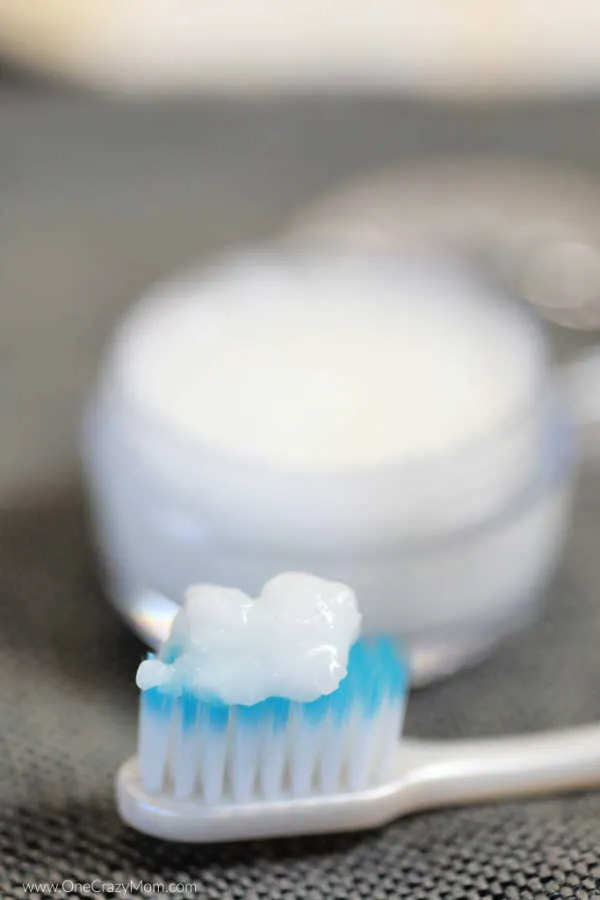
Many people use homemade recipes as an alternative to commercial teeth whitening products. Some common ingredients include baking soda, mixed with water to form a paste, which can gently scrub the teeth surface. Hydrogen peroxide, when used in low concentrations, can also serve as a mild bleaching agent. Additionally, some individuals advocate for the use of activated charcoal, which is believed to absorb stains. It is essential to exercise caution and research any ingredients before applying them to the teeth. Overuse of abrasive substances, such as baking soda, may damage the enamel. A dentist should be consulted before trying DIY whitening recipes to ensure that they are safe and suitable for your individual needs.
Safe Application Techniques
To ensure the safety of your teeth during DIY teeth whitening with braces, you must use specific application techniques. If you are using whitening strips, gently apply them, avoiding contact with brackets and gums. For whitening gels, use custom-fitted trays to minimize exposure of the brackets to the solution. When brushing with whitening toothpaste or a homemade remedy, use a soft-bristled toothbrush and apply gentle pressure. It is also vital to be mindful of the application time and any instructions given. Excessive use of whitening products can lead to increased sensitivity and even damage the enamel. Therefore, follow the instructions carefully and seek advice from a dental professional for guidance on the best methods for your individual needs.
Maintenance and Aftercare for Whitened Teeth with Braces
Proper maintenance and aftercare are vital for sustaining the whitening effects while wearing braces. Continue your regular oral hygiene routine by brushing your teeth twice daily and flossing once a day. Consider using a whitening toothpaste to keep your teeth bright. Moreover, avoid consuming stain-causing foods and drinks, such as coffee, tea, and red wine, which can lessen the whitening effects. Regularly visit your dentist for check-ups and cleaning to address any plaque buildup. A healthy diet and good oral hygiene habits are the keys to maintaining a bright smile while wearing braces and for the long term.
Oral Hygiene Routine

Maintaining a strict oral hygiene routine is vital for achieving a brighter smile while wearing braces. Brush your teeth at least twice daily, using a soft-bristled toothbrush and fluoride toothpaste. Focus on cleaning each tooth individually and around brackets and wires, ensuring that plaque and food particles are removed. Flossing once a day is also crucial, using floss threaders or interdental brushes to navigate around the braces. Rinse your mouth with an antiseptic mouthwash to eliminate any bacteria that might remain after brushing. Regularly visiting your dentist for professional cleanings and check-ups will further help remove any buildup and maintain overall dental health during orthodontic treatment.
Foods and Drinks to Avoid
Several foods and drinks can stain teeth, particularly those undergoing whitening treatment while wearing braces. Minimizing or avoiding these items can help preserve your desired smile. Coffee, tea, and red wine are notorious for their staining properties due to the presence of tannins. Similarly, dark-colored sodas, fruit juices, and sports drinks can contribute to discoloration. Foods such as berries (blueberries, raspberries, and strawberries), soy sauce, and curries can also stain teeth. Try to limit your consumption of these products during the whitening process, and immediately rinse your mouth with water after consuming them.
Professional Teeth Whitening Options for Braces
Professional teeth whitening offers an alternative to DIY methods, especially when wearing braces. Dentists can use more potent whitening agents and precise application techniques. Professional whitening treatments often provide more even and effective results because the dentist can control the amount of solution and avoid the brackets and wires. Moreover, dentists can monitor your oral health throughout the process, minimizing the risk of sensitivity or other side effects. A dentist is also able to recommend professional whitening for braces. If DIY whitening isn’t working, you can consult your dentist for professional whitening options.
Consulting a Dentist

Consulting with a dentist before starting any teeth whitening process, particularly while wearing braces, is highly recommended. A dentist can assess your oral health and identify potential risks or problems. They can advise you on the best whitening methods suited to your specific needs and recommend products and treatments. They can also monitor your progress, adjusting the treatment as needed, and help minimize the risk of complications. Dentists also help to set realistic expectations about what can be achieved. Consulting with a dentist ensures that your teeth whitening is safe and effective and that your overall oral health is maintained during orthodontic treatment.
Comparing DIY vs Professional Whitening
Both DIY and professional teeth whitening methods have their advantages and disadvantages. DIY options are often more affordable and can be done in the comfort of your home. However, they may not be as effective as professional treatments, particularly when wearing braces. Professional whitening treatments, on the other hand, provide more significant and consistent results with supervision from a dental professional. DIY methods may carry a greater risk of uneven whitening or tooth sensitivity. The best choice depends on your individual needs and circumstances. Consulting with a dentist will help you decide which method is most suitable for you.
Final Thoughts on Teeth Whitening with Braces
Achieving a brighter smile with braces requires a thoughtful approach that weighs the challenges and potential benefits. DIY teeth whitening can be a viable option if executed carefully and in line with professional recommendations. Prioritize proper oral hygiene, select appropriate whitening products, and follow safe application techniques to minimize the risk of complications and achieve desired outcomes. While it is challenging to whiten teeth with braces, this can be done safely with proper preparation. Always consult with your dentist for personalized guidance, and remember that consistency and patience are essential for maintaining a radiant, healthy smile throughout your orthodontic journey.