Teeth Whitening vs Bleaching What’s the Difference
The quest for a brighter, more confident smile often leads individuals to explore options for teeth enhancement. Two of the most common terms you’ll encounter are ’teeth whitening’ and ’teeth bleaching.’ While often used interchangeably, there are critical distinctions between these procedures. Understanding these differences is crucial for making informed decisions about your dental care. Both whitening and bleaching aim to lighten the shade of your teeth, but they achieve this through different mechanisms and utilize different types of products. These processes help remove stains and discoloration from your teeth, but their approaches and the results they yield can vary significantly. This article provides a thorough comparison to clarify these concepts, ensuring you understand the nuances of each.
Understanding Teeth Whitening
Teeth whitening, in its broadest sense, refers to any process that lightens the color of your teeth. This can be achieved through various methods, including professional treatments and over-the-counter products. Whitening typically involves removing surface stains that have accumulated on your teeth over time. These stains are often caused by the consumption of certain foods and drinks, such as coffee, tea, red wine, and berries, as well as smoking. The goal is to restore the natural color of the teeth by removing external staining agents. Whitening treatments generally target these extrinsic stains, aiming to reveal the natural shade of your enamel.
How Teeth Whitening Works

The primary mechanism behind teeth whitening involves the use of abrasive agents that scrub away surface stains. Toothpastes, for example, often contain mild abrasives that gently polish the teeth’s surface, removing stains. Other whitening products, such as whitening strips and some mouthwashes, use chemical agents to help break down and remove stains. These products contain ingredients like hydrogen peroxide or carbamide peroxide, which oxidize the stain molecules, thereby lessening their color. The degree of whitening depends on the type of product used and the duration of its application. Over-the-counter products usually offer modest results, while professional treatments provide more noticeable and long-lasting effects.
Types of Teeth Whitening Treatments
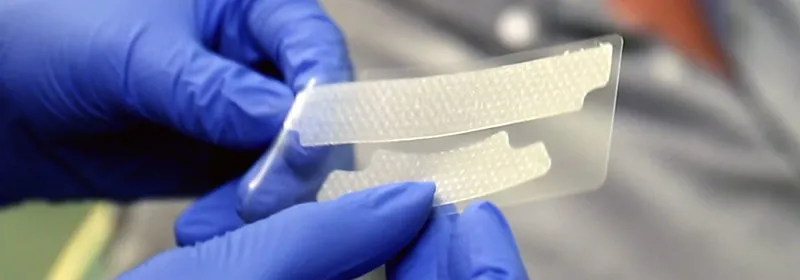
There are many types of teeth whitening treatments available. Over-the-counter options include whitening toothpastes, which contain mild abrasives and chemical agents, designed for daily use. Whitening strips are another popular choice, offering a convenient way to apply a whitening agent directly to the teeth. Whitening mouthwashes also contribute to stain removal through chemical action, though their impact is usually less significant. For professional treatments, dentists offer in-office whitening procedures that use stronger concentrations of whitening agents, often combined with special lights or lasers to accelerate the process. These treatments offer the most dramatic and consistent results, providing a brighter smile in a single visit. These options cater to different preferences and budgets, allowing individuals to select the best solution for their needs.
Teeth Whitening Products and Options
A wide array of products are available for teeth whitening, ranging from everyday items to professional treatments. Whitening toothpastes, easily accessible at drugstores, incorporate mild abrasives and chemical ingredients to tackle surface stains. Whitening strips are another popular choice, featuring a thin, flexible strip coated with a whitening agent, typically hydrogen peroxide, applied directly to the teeth. Whitening mouthwashes provide an additional layer of stain removal, with formulas that use chemical actions to lighten teeth, although these are generally less potent than other methods. For more significant results, professional in-office whitening treatments offer higher concentrations of whitening agents. Customized trays provided by a dentist allow the whitening process to occur at home, but under professional guidance, combining effectiveness with safety.
Understanding Teeth Bleaching

Teeth bleaching is a more specific form of teeth whitening, which uses a chemical agent, typically hydrogen peroxide or carbamide peroxide, to lighten the color of the teeth beyond their natural shade. This process not only removes surface stains but also penetrates the enamel to address intrinsic stains – those located within the tooth structure itself. Bleaching is usually a more aggressive method than standard whitening, as it alters the inherent color of the teeth. Bleaching treatments can dramatically change the appearance of teeth, making them significantly whiter and brighter. This is the main distinction: bleaching aims to change the inherent color of the tooth, while whitening primarily removes surface stains.
How Teeth Bleaching Works
Teeth bleaching works by using chemical agents to break down the stain molecules within the enamel. The active ingredients, such as hydrogen peroxide, release oxygen molecules that penetrate the enamel and dentin of the teeth, where the stains reside. These oxygen molecules break the bonds that hold the stain molecules together, effectively decolorizing them. As the stain molecules break apart, the teeth appear lighter. The strength of the bleaching agent, the duration of the treatment, and the specific method used affect the degree of bleaching. Professional treatments provide the most intense and controlled results, utilizing higher concentrations of the bleaching agent and often incorporating light activation to speed up the process.
Types of Teeth Bleaching Treatments
Teeth bleaching treatments are available in both professional and at-home options. Professional bleaching involves in-office procedures performed by a dentist. These treatments utilize high concentrations of bleaching agents, such as hydrogen peroxide, often combined with special lights or lasers to enhance the process. At-home bleaching kits are another option, which typically include custom-fitted trays provided by a dentist, along with a bleaching gel. These trays are designed to hold the bleaching agent in place and ensure even coverage. Over-the-counter bleaching kits are also available, but they generally contain lower concentrations of bleaching agents and may not offer the same level of effectiveness as professional treatments. Careful consideration of the different bleaching treatment options is important to choose the method that best suits your needs and oral health.
Teeth Bleaching Products and Options

The selection of products and options for teeth bleaching is wide-ranging, with choices designed to cater to different needs and circumstances. Professional bleaching, conducted in dental offices, often utilizes strong hydrogen peroxide solutions, and can include light activation to intensify the process. These treatments offer the most dramatic results, typically completed in a single visit. At-home bleaching kits, available through a dentist, provide a more controlled approach, with custom-fitted trays and a bleaching gel. These options offer convenience and safety, with professional guidance. Over-the-counter bleaching products are another possibility, including strips, gels, and toothpastes, offering convenience, but they frequently have lower concentrations of active bleaching agents and may deliver less noticeable results. It is essential to choose a bleaching method appropriate for your dental health and the degree of whitening desired.
Teeth Whitening vs Bleaching Which Is Right
Deciding between teeth whitening and bleaching depends largely on your specific needs and the current condition of your teeth. For those with mild surface stains caused by dietary habits or lifestyle choices, simple whitening treatments may be sufficient. Whitening toothpastes and over-the-counter strips can effectively remove these stains and restore the natural brightness of your teeth. However, if you have deeper discoloration, intrinsic stains, or if you desire a more significant change in the shade of your teeth, bleaching is often the better option. Bleaching can address a broader range of discoloration issues and can produce more dramatic results. It’s important to consider the cost, time commitment, and sensitivity levels when making your decision, as well as consulting with a dentist to get professional advice.
Factors to Consider
Several factors should be taken into account when deciding between teeth whitening and bleaching. The severity and type of your tooth discoloration are primary considerations; surface stains may respond well to whitening, while intrinsic stains usually need bleaching. The sensitivity of your teeth is also crucial. Bleaching treatments can sometimes cause temporary tooth sensitivity, which may be an issue for some individuals. Budget and desired results also influence your choice. Whitening products tend to be more affordable and convenient, while bleaching can be more expensive but delivers more noticeable results. Lifestyle factors like smoking or frequent consumption of staining foods and drinks can affect the longevity of any whitening or bleaching treatment. Consulting a dentist is vital to understanding the best course of action for your specific situation.
Cost and Effectiveness
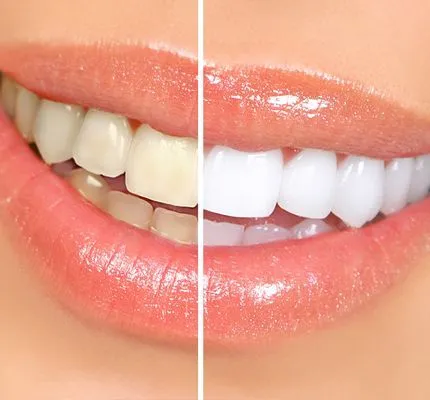
The cost and effectiveness of teeth whitening and bleaching vary significantly based on the type of treatment selected. Over-the-counter whitening products, such as toothpastes and strips, are generally the most affordable options, providing moderate results. Their effectiveness depends on consistent use and the degree of surface staining. Professional in-office bleaching is typically the most expensive option. However, it delivers the most dramatic and consistent results, often visible after a single treatment. At-home bleaching kits, provided by a dentist, fall in between these two extremes in terms of cost and efficacy. They offer a balance of convenience and effectiveness. The effectiveness also depends on the type of stain, with surface stains generally responding better to whitening treatments. Intrinsic stains often require the more potent bleaching agents used in professional treatments.
Consulting a Dentist
Consulting a dentist is a critical step in the decision-making process for teeth whitening or bleaching. A dentist can assess the condition of your teeth, identify the type and cause of discoloration, and recommend the most suitable treatment. They can also ensure that your teeth and gums are healthy enough to undergo the procedure and address any underlying dental issues. A dentist provides tailored advice based on your oral health, lifestyle, and cosmetic goals. They can also help you understand the potential risks and side effects of each treatment and provide professional treatments that maximize the safety and effectiveness of the procedure. Before embarking on any whitening or bleaching journey, make sure to consult with your dentist to get personalized guidance and achieve the best possible results.
In conclusion, the choice between teeth whitening and bleaching depends on your specific circumstances and desired outcomes. Understanding the differences between these procedures, the factors influencing their effectiveness, and the importance of consulting a dental professional will help you make an informed decision. By carefully considering these aspects, you can achieve a brighter, healthier smile, boosting your confidence and overall well-being.