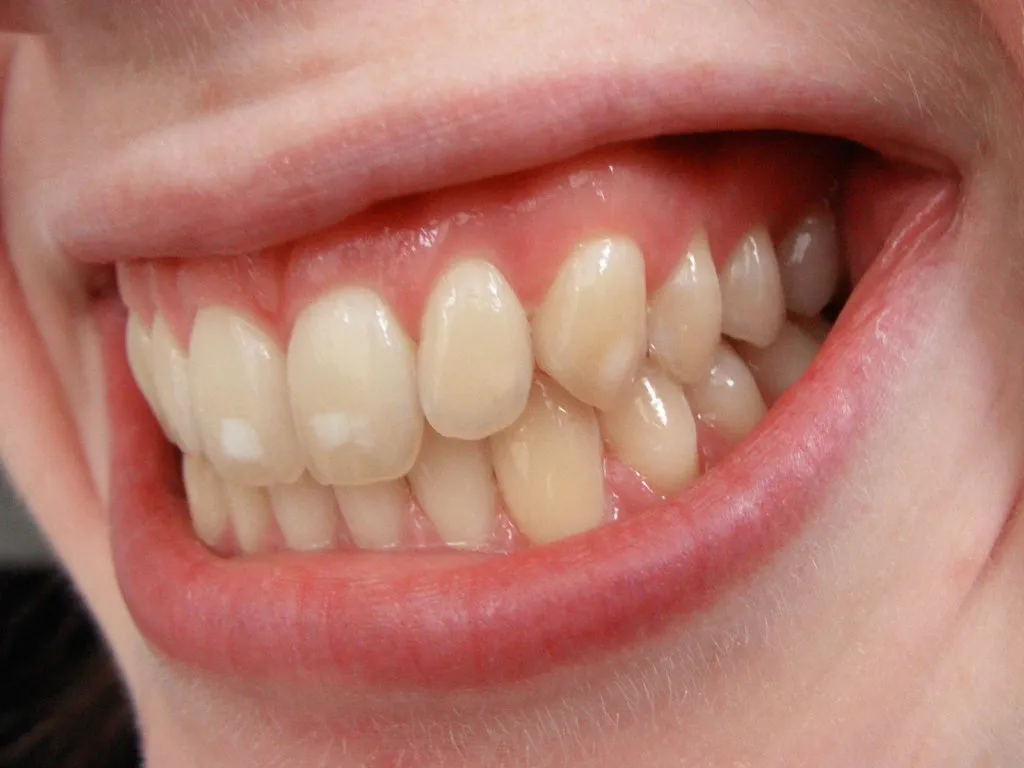
Understanding Yellow Teeth and Causes
Yellowing of the teeth is a common cosmetic concern, affecting people of all ages. While some degree of discoloration is natural, various factors can accelerate and worsen this process. Understanding the causes of yellow teeth is the first step toward effective whitening strategies. It helps in choosing the right approach and managing expectations regarding the outcome. The shade of your teeth can vary from person to person, and even within the same mouth, but significant yellowing can be addressed with a variety of methods.
Common Causes of Tooth Discoloration
Several factors contribute to the yellowing of teeth. These factors can be broadly categorized into lifestyle choices, oral hygiene practices, and natural aging processes. Recognizing these influences is crucial for preventing further discoloration and making informed decisions about whitening treatments. Some causes are more easily addressed than others, but each has its own impact on the overall appearance of your smile. It is important to consult with a dentist to identify the specific causes for your teeth.
Dietary Habits

What you eat and drink plays a significant role in the color of your teeth. Certain foods and beverages are notorious for staining enamel. Coffee, tea, red wine, and dark-colored sodas contain pigments that adhere to the tooth surface. Similarly, deeply colored fruits like berries and sauces, such as soy sauce or tomato-based products, can contribute to staining over time. Limiting the consumption of these items and practicing good oral hygiene after consumption can help mitigate their effects. It’s also worth considering the acidity of foods, as acidic environments can erode enamel, making teeth more susceptible to staining. Consuming these products in moderation or using a straw for beverages can help.
Poor Oral Hygiene
Inadequate oral hygiene is a major contributor to yellow teeth. Failing to brush and floss regularly allows plaque and tartar to accumulate, creating a breeding ground for bacteria and staining agents. Over time, the buildup of these substances can lead to discoloration and other dental problems. Proper brushing, twice a day for two minutes each time, and daily flossing are essential. Regular dental checkups and professional cleanings can remove plaque and tartar that cannot be addressed at home, helping to maintain a bright and healthy smile. Additionally, using a fluoride toothpaste helps to strengthen the enamel and reduce the risk of staining.
Aging and Genetics
As we age, the enamel on our teeth naturally thins, revealing more of the yellowish dentin underneath. Dentin is the tissue that lies beneath the enamel. This process is a natural part of aging and is not always preventable. Furthermore, genetics play a role in the color and thickness of tooth enamel. Some people are simply predisposed to having teeth that are naturally more yellow or prone to staining. Understanding that these factors are involved can help in setting realistic expectations for teeth whitening treatments. While whitening can improve the appearance, the underlying structure and genetic predisposition will influence the results.
Top 7 Teeth Whitening Tips
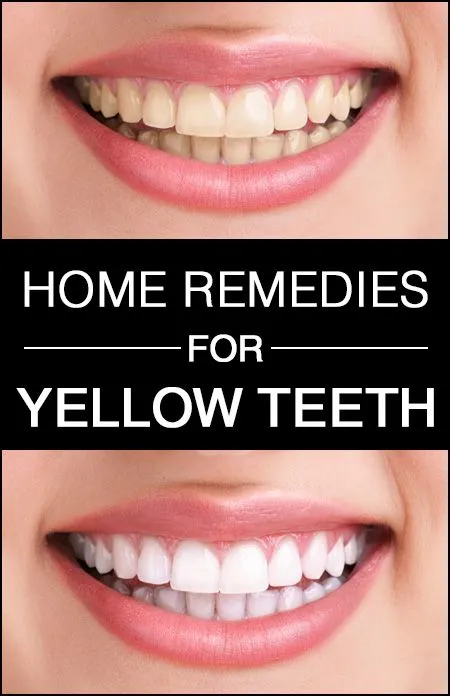
There are numerous methods to brighten a yellowed smile. The most effective approach often depends on the underlying causes of the discoloration and the individual’s preferences and budget. The following 7 tips offer a range of options, from professional treatments to over-the-counter products and natural remedies. Always consult with a dentist before starting any whitening regimen to ensure it is safe and suitable for your specific dental health conditions. This is crucial for the best results and avoid any potential damage to your teeth and gums. These tips cover options for both in-office procedures and at-home treatments, allowing for a personalized approach.
Professional Teeth Whitening
Professional teeth whitening, performed by a dentist, is often the most effective and fastest way to achieve significant whitening results. These treatments use high concentrations of bleaching agents that penetrate the enamel and break down stain molecules. The process is carefully controlled to minimize sensitivity and ensure the safety of your gums and teeth. Professional whitening typically involves several sessions, depending on the desired shade and the severity of the staining. This method is ideal for those seeking dramatic results or those whose teeth have stubborn stains that do not respond to other methods. These treatments also provide an opportunity for the dentist to check for any underlying dental issues.
In-Office Whitening
In-office whitening involves the application of a strong bleaching agent by a dental professional. The dentist will protect your gums and then apply the whitening gel to your teeth. A special light or laser may be used to activate the whitening agent, accelerating the process. Results are often noticeable immediately after the procedure, with teeth becoming several shades lighter. In-office whitening is a safe, effective, and convenient option, especially for individuals who want immediate results. The procedure is typically completed in one or two appointments, making it a time-efficient choice.
At-Home Whitening Kits

At-home whitening kits, often provided by a dentist, offer a more gradual approach to teeth whitening. These kits typically include custom-fitted trays and a bleaching gel. You wear the trays for a specified amount of time each day, as directed by your dentist. The strength of the bleaching agent is usually lower than that used in-office treatments, making them gentler on the teeth. At-home kits are convenient and allow you to whiten your teeth at your own pace. Regular use, as prescribed, can yield noticeable results over a few weeks. It’s important to follow your dentist’s instructions to avoid any potential side effects, such as tooth sensitivity.
Over-the-Counter Whitening Products
Over-the-counter (OTC) whitening products are readily available and offer a convenient way to whiten teeth at home. These products are generally less potent than professional treatments but can still provide noticeable results. When choosing OTC products, it is important to read reviews, and understand the active ingredients, and choose products with the ADA seal of acceptance. It is also important to talk to your dentist about these products. They can help ensure you’re choosing a product that is suitable for your dental health needs.
Whitening Toothpastes
Whitening toothpastes contain mild abrasives and/or chemical agents that help remove surface stains. While these toothpastes can improve the appearance of teeth by removing stains, they typically do not change the intrinsic color of the teeth. They are an excellent option for maintaining a bright smile and can be used daily as part of your oral hygiene routine. Look for toothpastes that contain ingredients like hydrated silica or baking soda for gentle abrasion or those that contain a small amount of peroxide to help with whitening. It is crucial to use whitening toothpaste with caution to prevent over-abrasion of the enamel.
Whitening Strips

Whitening strips are thin, flexible strips coated with a peroxide-based whitening gel. These strips are applied directly to the teeth and are worn for a specified amount of time, usually 30 minutes. Whitening strips can provide visible results in a few weeks, making them a popular choice for at-home whitening. It is important to follow the product instructions carefully to ensure safety and effectiveness. Some users may experience mild tooth sensitivity or gum irritation, which usually resolves after the treatment. Consistent use of the strips will often lead to a noticeable improvement in the brightness of your teeth. Always follow the product’s instructions for best results.
Homemade Remedies and Natural Solutions
Some people prefer to use natural remedies for teeth whitening. While these solutions may be less potent than professional treatments or OTC products, they can be a good option for those seeking a gentler approach. It is important to note that these remedies have limited scientific evidence, and it is essential to consult with a dentist before trying them, to ensure they are safe and effective for your particular needs.
Baking Soda and Hydrogen Peroxide
A mixture of baking soda and hydrogen peroxide is a popular homemade remedy. Baking soda acts as a mild abrasive to remove surface stains, while hydrogen peroxide has a slight bleaching effect. To use this method, mix a small amount of baking soda with hydrogen peroxide to form a paste and gently brush your teeth with it. Use this mixture sparingly, as excessive use can erode enamel. While some people experience positive results, it is vital to use this method cautiously and to stop immediately if you notice any sensitivity or irritation. Consult with your dentist to find out if it’s a safe option for you.
Coconut Oil Pulling

Coconut oil pulling involves swishing a tablespoon of coconut oil in your mouth for about 15-20 minutes. Proponents of this method claim it can remove bacteria, reduce plaque, and whiten teeth. While some studies suggest potential benefits, the evidence is limited. Oil pulling is generally considered safe but is not a substitute for brushing and flossing. It is important to note that oil pulling primarily affects surface stains and may not significantly whiten teeth. If you choose to try oil pulling, ensure it is done in conjunction with your regular oral hygiene routine.
Maintaining a Bright Smile
After undergoing teeth whitening treatments, it’s essential to take steps to maintain your bright smile. This involves practicing good oral hygiene, making dietary adjustments, and attending regular dental checkups. Taking these measures will help prevent future staining and keep your teeth looking their best for longer. Maintaining a consistent oral health routine is key to long-term results. Be aware of what can cause future discoloration.
Proper Brushing and Flossing
Regular brushing and flossing are fundamental to maintaining a bright smile. Brushing removes plaque and surface stains, while flossing removes food particles and plaque from between teeth. Brush your teeth at least twice a day for two minutes each time, using a fluoride toothpaste. Floss daily to keep the gums healthy. Consider using an electric toothbrush, which can be more effective at removing plaque. Effective brushing and flossing not only keep your teeth white but also support overall dental health by preventing cavities and gum disease. A good oral hygiene routine makes whitening efforts more successful.
Dietary Adjustments

Making smart dietary choices can help prevent new stains from forming. Limit your intake of staining foods and beverages, such as coffee, tea, red wine, and dark-colored sodas. If you consume these items, rinse your mouth with water afterward or brush your teeth. Eating a diet rich in fruits and vegetables can also benefit your oral health. Crunchy fruits and vegetables, such as apples and carrots, can act as natural cleaners. Drink plenty of water, as it helps to wash away food particles and keeps your mouth hydrated. Being mindful of what you eat and drink makes a significant difference.
Regular Dental Checkups
Regular dental checkups and professional cleanings are crucial for maintaining a bright smile. Your dentist can remove plaque and tartar that brushing and flossing cannot remove. During checkups, your dentist will also assess your overall oral health and can identify and address any potential problems, such as cavities or gum disease. Professional cleanings can often remove surface stains and improve the brightness of your teeth. Schedule checkups every six months, or as recommended by your dentist. This will ensure your teeth stay healthy and white for a long time.