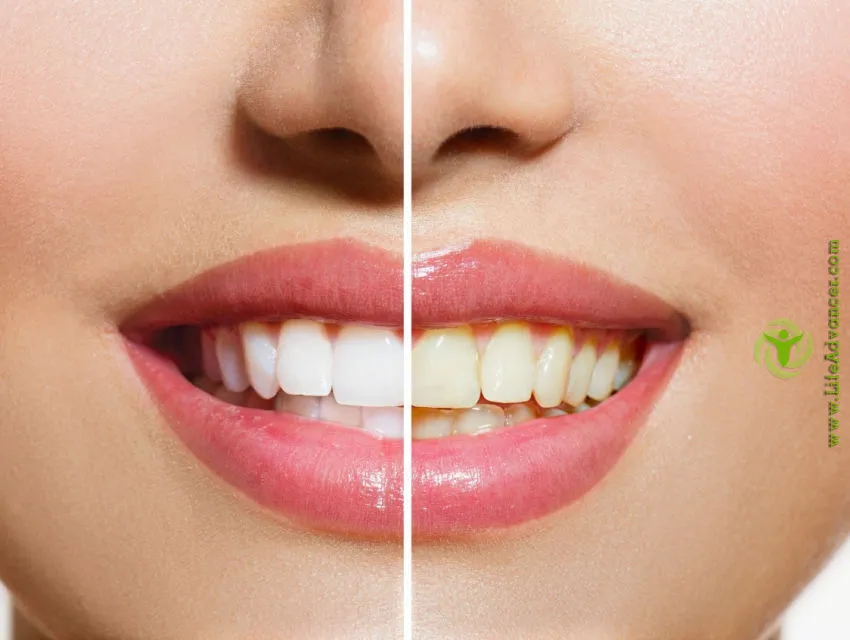
The Power of Teeth Whitening Top 5 Secrets
A bright, white smile can significantly boost your confidence and make a lasting impression. Teeth whitening has become a popular cosmetic procedure, offering a range of options to achieve a radiant smile. However, navigating the world of teeth whitening can be overwhelming. This guide unveils the top 5 secrets to effective teeth whitening, providing insights into professional treatments, over-the-counter options, dietary adjustments, oral hygiene practices, and the importance of regular dental checkups. By understanding these secrets, you can embark on your journey to a brighter, healthier smile with confidence, ensuring you make informed decisions and achieve the best possible results. Let’s dive into the secrets that will transform your smile and boost your self-esteem.
Secret 1 Professional Treatments
Professional teeth whitening treatments, conducted by dentists, offer the most effective and immediate results. These treatments utilize high-concentration bleaching agents that penetrate the enamel to lift stains and discoloration. This process is performed under controlled conditions, ensuring the safety of your gums and teeth. Professional whitening can typically lighten your teeth several shades in a single session, providing a dramatic transformation. Your dentist will also be able to identify the cause of discoloration and recommend the best course of action. This could include in-office whitening procedures or customized take-home trays with professional-strength bleaching gel. Professional treatments are the cornerstone of teeth whitening.
Understanding Professional Teeth Whitening

Understanding how professional teeth whitening works is key to appreciating its effectiveness. Dentists use a high-concentration hydrogen peroxide or carbamide peroxide gel, which is applied to the teeth. The dentist then uses a special light or laser to activate the whitening agent and accelerate the process. This process breaks down the stains and discoloration within the enamel, leading to a brighter smile. The procedure usually takes about an hour and can provide results that last for several months, depending on your lifestyle and habits. The process is safe when performed by a professional. Your dentist will also provide post-treatment care instructions to help maintain your results and minimize any potential sensitivity.
Secret 2 Over-the-Counter Options
For those seeking a more accessible and affordable option, over-the-counter teeth whitening products are readily available. These include whitening toothpastes, strips, and gels. Whitening toothpastes often contain mild abrasives or chemical agents that help remove surface stains. Whitening strips are thin, flexible strips coated with a peroxide-based whitening gel, applied directly to the teeth. Whitening gels come in various forms, including trays and pens, and typically use a lower concentration of peroxide compared to professional treatments. While these options may not provide the same dramatic results as professional treatments, they can be effective for mild discoloration and maintaining a brighter smile. Selecting the right product and consistently using it is vital.
Effectiveness of Whitening Toothpastes and Strips
Whitening toothpastes and strips are popular choices for those seeking to improve their smile. Whitening toothpastes work by removing surface stains, which may make teeth appear brighter, but they don’t significantly change the intrinsic color of your teeth. Whitening strips, on the other hand, can be more effective, as they contain a peroxide-based bleaching agent that penetrates the enamel. The effectiveness of strips varies depending on the concentration of the peroxide and the duration of use. It’s important to follow the product instructions to avoid gum irritation and uneven whitening. For best results, consider using these products in conjunction with other whitening methods and maintaining a good oral hygiene routine. Consistency is the key to effective use.
Secret 3 Dietary Adjustments for Whiter Teeth

Your diet plays a significant role in the color of your teeth. Certain foods and drinks can stain your teeth over time, while others can help maintain their brightness. Making informed dietary choices is crucial for achieving and maintaining a white smile. Avoiding stain-causing foods and drinks and incorporating teeth-friendly options into your diet can significantly enhance the results of your teeth whitening efforts. This involves understanding the impact of various foods and beverages and making thoughtful choices that support your oral health. Dietary adjustments, combined with other whitening methods, can contribute to a more radiant and confident smile. Consistency in your dietary habits is essential for long-term success.
Foods and Drinks to Avoid
Certain foods and drinks are notorious for staining teeth. Coffee, tea, red wine, and dark-colored sodas contain pigments that can easily stain the enamel. Berries, such as blueberries and blackberries, and sauces like soy sauce and balsamic vinegar also contribute to discoloration. Additionally, smoking and chewing tobacco are major contributors to tooth staining. To minimize staining, limit your consumption of these items. If you do consume staining foods or drinks, rinse your mouth with water afterward to help remove the pigments. Regular brushing and flossing after meals are also critical in reducing the impact of stain-causing agents. Being mindful of your dietary choices is key to preserving a bright smile.
Foods to Include in Your Diet
While some foods can stain your teeth, others can help keep them white. Crunchy fruits and vegetables, such as apples, celery, and carrots, act as natural abrasives, helping to scrub away surface stains. Dairy products, like milk and yogurt, contain calcium, which strengthens teeth and protects against stains. Water is also essential, as it helps rinse away food particles and prevents staining. Incorporating these teeth-friendly foods into your diet can contribute to a naturally brighter smile. These foods promote overall oral health. They also serve as a delicious and healthy way to maintain a white and confident smile, complementing the other methods you employ for teeth whitening.
Secret 4 Maintaining Oral Hygiene

Maintaining good oral hygiene is fundamental to achieving and preserving a white smile. Effective brushing and flossing remove plaque and surface stains, preventing further discoloration. Regular oral hygiene practices are crucial for anyone seeking to brighten their teeth. A consistent oral hygiene routine, including proper brushing and flossing, helps to maintain your white smile. Along with professional treatments and dietary adjustments, good oral hygiene is the foundation of a healthy and radiant smile.
Proper Brushing and Flossing Techniques
Proper brushing and flossing techniques are essential for maintaining a white smile. Brush your teeth at least twice a day for two minutes each time. Use a soft-bristled toothbrush and fluoride toothpaste. Gently brush all surfaces of your teeth, including the front, back, and chewing surfaces. Floss daily to remove plaque and food particles from between your teeth, where a toothbrush can’t reach. Use about 18 inches of floss, wrapping it around your fingers and guiding it between your teeth. Be gentle to avoid irritating your gums. Combining these techniques with regular dental checkups ensures your teeth remain healthy and bright.
Secret 5 The Role of Regular Dental Checkups
Regular dental checkups are not just about detecting cavities; they are also crucial for maintaining a bright and healthy smile. During checkups, dentists can perform professional cleanings to remove plaque, tartar, and surface stains. Regular visits also allow dentists to identify any underlying issues that may be contributing to tooth discoloration or oral health problems. Professional cleanings remove built-up plaque. They improve the overall brightness of your teeth, and ensure your teeth remain healthy and bright. Regular checkups are integral to any teeth whitening plan. They work in conjunction with all other methods, ensuring optimal and long-lasting results for your teeth.
Benefits of Professional Cleanings

Professional dental cleanings offer several benefits that contribute to a brighter smile. Dentists use specialized tools to remove plaque and tartar, which can stain teeth. They also polish the teeth to remove surface stains and leave them feeling smooth and clean. Professional cleanings can remove stains that brushing and flossing alone may miss. These cleanings are preventative measures that ensure that your teeth stay healthy. Furthermore, they are the cornerstone of a teeth whitening regimen. Regular cleanings help your teeth look and feel their best.