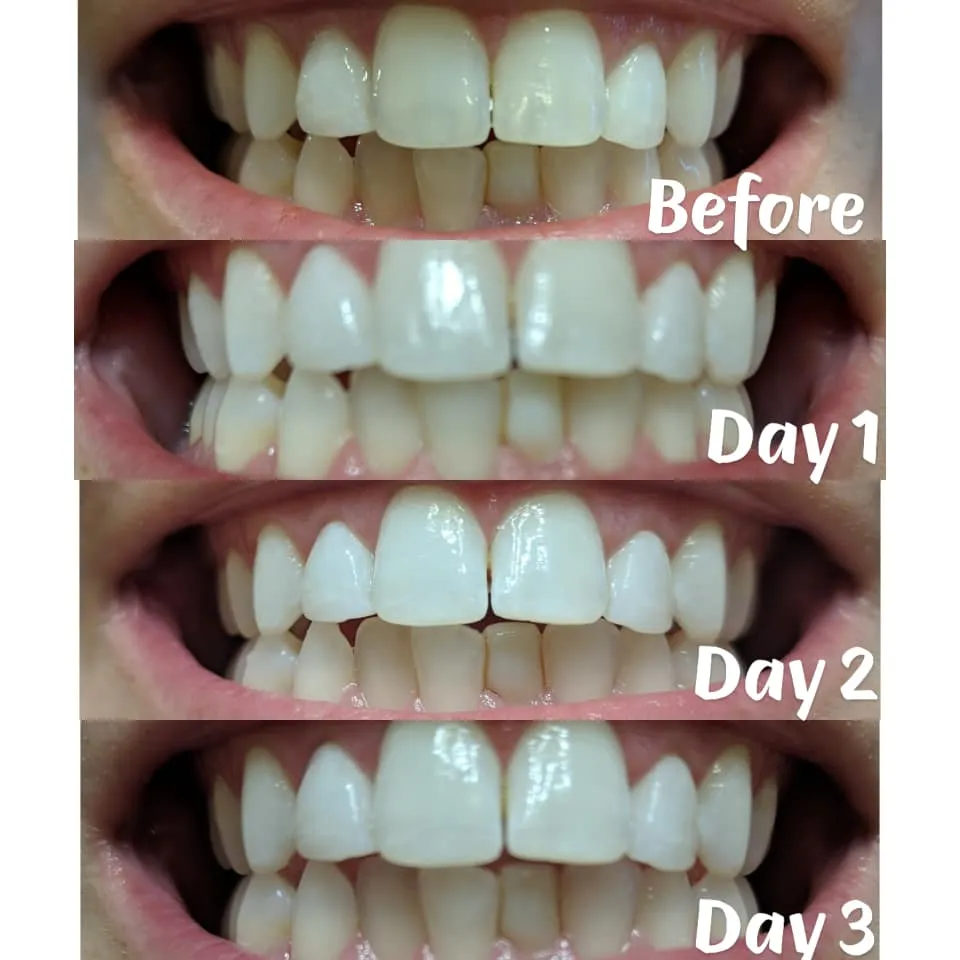
Understanding Teeth Whitening Strips
Teeth whitening strips have become a popular and accessible method for achieving a brighter smile. But what exactly are they, and how do they work? This guide will delve into the details of teeth whitening strips, providing you with the knowledge you need to use them effectively and safely. From understanding their composition to knowing when and when not to use them, we’ll cover everything you need to know to make an informed decision about incorporating these strips into your oral hygiene routine. A thorough understanding of these products is the first step toward a more confident and radiant smile. Let’s get started on your journey to a brighter smile!
What are Teeth Whitening Strips
Teeth whitening strips are thin, flexible strips coated with a peroxide-based whitening agent, typically hydrogen peroxide or carbamide peroxide. These strips are designed to adhere directly to the surface of your teeth, allowing the whitening agent to come into contact with the enamel. The active ingredient penetrates the enamel, breaking down stains and discoloration caused by various factors, such as coffee, tea, tobacco, and aging. The concentration of the whitening agent varies depending on the brand and the intended use, with some strips offering stronger formulations for faster results, while others provide gentler options for sensitive teeth. The ease of use and convenience make them a favorite for those looking for an affordable and accessible way to enhance their smiles.
How Whitening Strips Work

The mechanism behind teeth whitening strips is quite straightforward, yet effective. Once the strip is applied to the teeth, the whitening agent begins to work. The peroxide in the strip reacts with the discolored molecules within the enamel. This chemical reaction breaks down the stain molecules, effectively lightening the teeth. The process is gradual and depends on the concentration of the whitening agent and the duration of use. The active ingredient is designed to penetrate the enamel without causing significant damage to the tooth structure, making it a relatively safe method when used as directed. To enhance effectiveness, it’s important to ensure proper application, ensuring the strip makes close contact with the tooth surface for optimal results. Consistency is key, with most products requiring daily use over a period of several weeks to achieve the desired outcome.
Types of Whitening Strips
The market offers a variety of teeth whitening strips, each catering to different needs and preferences. Some are designed for sensitive teeth, containing lower concentrations of the whitening agent to minimize discomfort. Others offer rapid results, with higher concentrations for quicker whitening effects. There are also strips with advanced technologies, like those designed to better adhere to teeth or to provide more even whitening across the surface. The choice of strip should be based on individual needs, considering factors like sensitivity, the degree of discoloration, and desired results. Consulting with a dentist can help determine the best type of strip for your specific situation. The selection should also take into account ease of use, taste, and any additional features offered by the product.
When to Use Teeth Whitening Strips
Knowing when to use teeth whitening strips can help you maximize their effectiveness and minimize potential risks. Timing is key to getting the best results and ensuring your teeth stay healthy. The following scenarios provide guidance on the optimal times to incorporate these strips into your oral care routine. Consider these factors to enhance your smile and boost your confidence while maintaining your dental health. These scenarios will help you integrate teeth whitening strips safely and effectively.
Before Important Events

If you have a special event on the horizon, such as a wedding, a job interview, or a significant social gathering, teeth whitening strips can be an excellent option to enhance your appearance. Starting a whitening regimen a few weeks before the event allows you to achieve a brighter smile gradually. This ensures your teeth have the desired level of brightness without the rush. It’s important to follow the product instructions and avoid overuse, as excessive whitening can lead to sensitivity. This proactive approach allows you to showcase your best smile with confidence, creating a lasting positive impression. However, remember to plan ahead, as the duration of the whitening process can vary depending on the specific product and your teeth’s response.
After Professional Teeth Cleaning
After a professional teeth cleaning, your teeth are already in a pristine condition, free from plaque and surface stains. This is the perfect time to use whitening strips, as the whitening agent can penetrate the enamel more effectively. The absence of surface buildup allows for better contact between the strips and the tooth surface. It can also help to enhance the results of the cleaning, giving you a visibly brighter smile. Discuss this with your dentist, as they may recommend a specific waiting period after the cleaning. The combination of a professional cleaning and whitening strips can significantly improve the overall appearance of your teeth and help maintain oral health.
To Maintain a Bright Smile
Once you have achieved your desired level of whiteness, whitening strips can be used periodically to maintain your bright smile. This is particularly useful for those who consume staining foods and drinks, such as coffee, tea, and red wine. Regular touch-ups, following the manufacturer’s instructions, can help prevent discoloration and keep your teeth looking their best. This approach is also beneficial for smokers or those who use tobacco products, as these habits can quickly lead to staining. Maintain a consistent oral hygiene routine, including regular brushing, flossing, and periodic use of whitening strips. This strategy will help keep your smile radiant and prevent the need for more extensive whitening treatments in the future.
When NOT to Use Teeth Whitening Strips

While teeth whitening strips can be beneficial, there are certain situations where their use is not recommended. Understanding these contraindications is crucial to avoid potential complications and to ensure the safety of your teeth and gums. Knowing when to avoid these strips helps you make informed decisions about your oral care. Consulting your dentist is always recommended to address specific concerns. The following situations provide guidance on when to avoid whitening strips, promoting both a bright and healthy smile.
Sensitivity to Ingredients
If you have a known sensitivity or allergy to any of the ingredients in teeth whitening strips, it is crucial to avoid their use. The most common active ingredient, peroxide, can cause irritation or allergic reactions in some individuals. Symptoms can range from mild discomfort to more severe inflammation. Before using any new product, it is best to review the ingredients list. If you experience any signs of sensitivity, such as burning, swelling, or excessive gum irritation, discontinue use immediately. Always consult with your dentist or a healthcare professional if you are unsure about your sensitivity to any ingredients. Opting for a different type of whitening product or alternative options might be necessary to maintain your oral health.
Pre-Existing Dental Issues
Teeth whitening strips are not suitable for everyone, particularly those with pre-existing dental issues. If you have cavities, gum disease, or other significant dental problems, using these strips could exacerbate the issues. The whitening agent can penetrate cavities and cause sensitivity, or it can irritate inflamed gums. Additionally, whitening strips do not work on dental work such as fillings, crowns, or veneers, and they can cause uneven whitening if your teeth have these restorations. Before using whitening strips, it’s essential to have any dental problems addressed by your dentist. A comprehensive oral examination will help determine if whitening strips are safe and appropriate for your specific dental health needs. Prioritize your overall oral health over cosmetic enhancements to ensure a healthy and beautiful smile.
Following Dental Procedures

After certain dental procedures, such as fillings, root canals, or teeth whitening, it is generally best to avoid using whitening strips. Your teeth and gums may be more sensitive in the immediate aftermath of a procedure. The whitening agent could cause additional irritation or discomfort. Following your dentist’s specific post-procedure instructions is crucial, which might include waiting a certain period before resuming any whitening treatments. This allows your teeth and gums to heal and recover completely. Always consult your dentist to ensure the timing is right and to avoid any complications. Your dentist will guide you on when it is safe to resume teeth whitening and will provide the best recommendations for your situation.
Step-by-Step Guide to Using Whitening Strips
Using teeth whitening strips effectively requires following a few simple steps. Proper application and adherence to the recommended treatment duration will help you achieve the best results and minimize any potential side effects. This step-by-step guide outlines the essential steps, from preparing your teeth to post-treatment care, to maximize your whitening experience. Carefully read and follow the product instructions. Correct usage is key to obtaining the brighter smile you desire.
Prepare Your Teeth
Before applying the whitening strips, prepare your teeth by gently brushing them. This removes any surface debris and plaque that could hinder the effectiveness of the whitening agent. However, avoid brushing immediately before applying the strips, as this can make your teeth more sensitive. Rinse your mouth with water to remove any remaining toothpaste residue. Ensure your teeth are dry before applying the strips. This allows for better adhesion of the strips to your teeth. Following these steps will optimize the contact between the strips and your teeth.
Apply the Strips Correctly

Carefully peel the whitening strip from its backing. Align the strip with your gum line, and press it gently but firmly onto the front surfaces of your teeth. Make sure the strip covers all visible areas. Fold the excess strip over the back of your teeth to secure it in place. Avoid touching the strips excessively, as this can reduce their effectiveness. Repeat this process for both the upper and lower teeth. Make sure to apply the strips to the teeth you want to whiten. Following these instructions will ensure proper application for optimal results.
Adhere to Treatment Time
Once the strips are in place, adhere to the treatment time recommended by the manufacturer. This can vary depending on the specific product, ranging from 30 minutes to an hour. Set a timer to ensure you do not exceed the recommended time. Avoid eating, drinking, or smoking while the strips are in use, as these activities can reduce their effectiveness. If you experience any significant discomfort or sensitivity during the treatment, remove the strips immediately and rinse your mouth with water. Remove the strips and discard them once the treatment time is over. Consistency in following the recommended treatment time is essential to achieve the desired whitening effect.
Post-Treatment Care
After removing the strips, rinse your mouth with water to remove any residual whitening agent. Avoid eating or drinking strongly colored foods and beverages for at least an hour after treatment, as your teeth may be more susceptible to staining. Brush your teeth gently to remove any remaining residue, but avoid over-brushing, which can cause sensitivity. If you experience any discomfort, use a toothpaste formulated for sensitive teeth. Take care to rinse your mouth after brushing to avoid irritating your gums. Be sure to follow the manufacturer’s instructions for the frequency of use, as overuse can lead to increased sensitivity. Proper post-treatment care is important for maintaining the results and ensuring your oral health.
Maximizing Results

To get the most out of your teeth whitening strips, there are several strategies you can implement. Beyond proper application and adherence to treatment times, the choices you make in your daily habits can significantly impact the final results. By combining effective techniques with preventative measures, you can enhance the brightening effect and keep your smile looking its best for longer. This guidance offers suggestions to amplify your whitening experience. The following actions will help optimize the impact of the whitening process.
Proper Application Technique
Carefully follow the manufacturer’s instructions for applying the strips. Ensure the strips make full contact with the surface of your teeth. Avoid touching the strips excessively, as this can reduce their effectiveness. Make sure you apply the strips to the teeth you want to whiten. Align the strips properly, covering the front surfaces of your teeth, and fold the excess over the back to secure them. Make sure that the strips have a tight seal with the teeth to maximize the effectiveness of the whitening agent. Proper technique is fundamental to ensuring the product works effectively and yields the best possible outcomes. By paying close attention to the application process, you can significantly improve your whitening results.
Avoiding Staining Foods and Drinks
To maximize the effectiveness of your teeth whitening strips, it is essential to avoid or limit the consumption of staining foods and drinks. Coffee, tea, red wine, and dark-colored sodas can stain your teeth and diminish the effects of the whitening treatment. Foods such as berries, soy sauce, and curries can also contribute to staining. After a whitening session, your teeth are more susceptible to staining, so be particularly careful in the hours immediately following the treatment. Drinking through a straw can help minimize contact with your teeth. Maintaining a diet that is low in staining agents will help maintain the brightness of your smile.
Maintaining Oral Hygiene

A consistent oral hygiene routine is crucial to preserving your newly whitened smile. Brush your teeth twice a day with a fluoride toothpaste to remove plaque and surface stains. Floss daily to remove debris and plaque from between your teeth, where your toothbrush cannot reach. Consider using an antibacterial mouthwash to further reduce bacteria and prevent staining. Regularly visit your dentist for check-ups and professional cleanings. Your dentist can identify and address any underlying issues that may affect the appearance and health of your teeth. A consistent oral hygiene regimen, coupled with whitening strips, will help you to maintain a bright and healthy smile. Regular dental care will help keep your teeth in optimal condition and prevent staining.
Possible Side Effects and How to Manage Them
While teeth whitening strips are generally safe, some side effects can occur. Understanding these potential issues and how to manage them can help you mitigate any discomfort and ensure a positive experience. These side effects are typically temporary and manageable with appropriate care. By being aware of possible issues, you can confidently and safely whiten your teeth. The following information will help you address the common problems that may arise from using teeth whitening strips.
Tooth Sensitivity
Tooth sensitivity is one of the most common side effects of using teeth whitening strips. You may experience a sharp, temporary pain or discomfort when exposed to hot, cold, or sweet foods and drinks. If you experience sensitivity, consider using a toothpaste designed for sensitive teeth, which contains ingredients like potassium nitrate to block pain signals. Avoid very hot or cold foods and drinks. Reduce the frequency or duration of your whitening treatments. If the sensitivity persists, consult your dentist, who may recommend a fluoride treatment or other solutions. If your sensitivity is mild, it will likely subside once you stop using the strips or reduce the frequency of use. Sensitivity is usually temporary and manageable.
Gum Irritation
Gum irritation is another possible side effect, which can manifest as redness, swelling, or soreness along the gum line. This is usually due to the whitening agent coming into contact with the gums. To manage gum irritation, make sure to apply the strips carefully. Avoid over-applying the strips. If the irritation is severe, stop using the strips and consult your dentist. Rinsing your mouth with warm salt water can help soothe irritated gums. Irritation is generally temporary, and will resolve once you discontinue using the strips. Ensuring proper application will limit the contact between the whitening agent and your gums, minimizing the risk of irritation.
Other Considerations
Beyond the core aspects of using teeth whitening strips, there are additional factors to consider for a comprehensive understanding. These considerations will help you make informed decisions. Consulting with your dentist and being aware of the product’s shelf life are essential. A thorough evaluation will help you utilize the strips correctly. Here is more detailed information.
Consulting with a Dentist
Before starting a teeth whitening regimen, it is always best to consult with your dentist. They can assess your oral health, identify any pre-existing conditions, and determine if whitening strips are suitable for you. Your dentist can also recommend the most appropriate type of whitening product and provide guidance on how to use them effectively and safely. They can offer professional advice based on your unique needs and dental history. Regular dental check-ups are crucial to monitoring your oral health and ensuring that the whitening strips are not causing any harm. Consulting your dentist will ensure a safe and effective whitening experience, reducing the risk of complications and maximizing your results.
Storage and Shelf Life
Proper storage is crucial to maintain the efficacy of your teeth whitening strips. Store them in a cool, dry place, away from direct sunlight and heat. Extreme temperatures can degrade the active ingredients, reducing the product’s effectiveness. Always check the expiration date before use, as the whitening agent can break down over time. Discard any strips that have expired or show signs of degradation. Follow the storage instructions provided on the packaging. Proper storage will help ensure that your strips remain potent. Properly storing your teeth whitening strips will maximize their longevity and effectiveness, allowing you to achieve optimal whitening results.