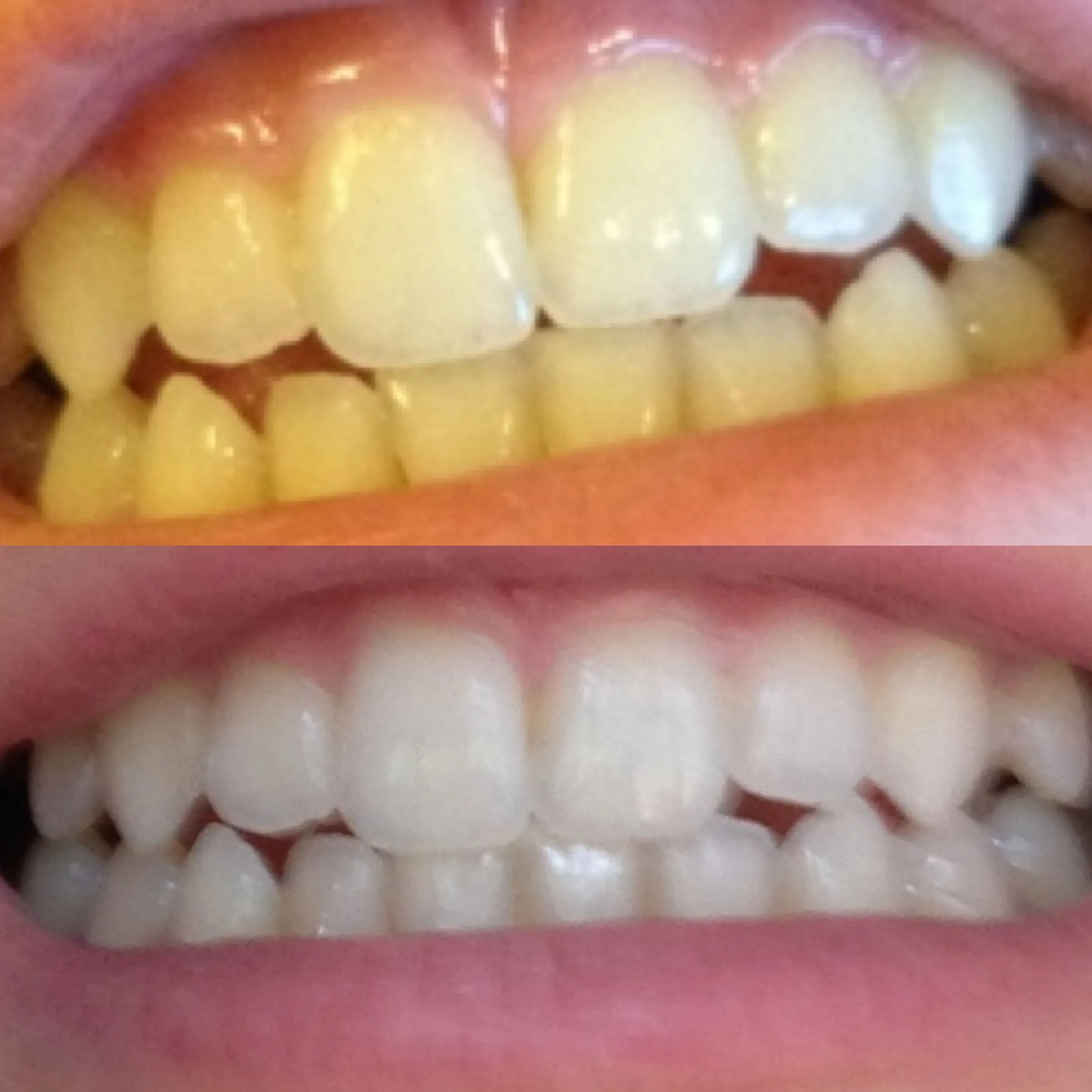
What are Teeth Whitening Strips?
Teeth whitening strips are a popular over-the-counter (OTC) method for brightening your smile. These thin, flexible strips are coated with a whitening agent, typically hydrogen peroxide or carbamide peroxide. Designed to be applied directly to the teeth, they offer a convenient and relatively affordable way to address teeth discoloration caused by various factors like coffee, tea, tobacco, and aging. The appeal of whitening strips lies in their ease of use and accessibility, making them a go-to choice for individuals looking to enhance their dental aesthetics without professional treatments.
How Do Teeth Whitening Strips Work?
Whitening strips function through a chemical process that targets the stains on your teeth. The active ingredients in the strips penetrate the enamel and dentin, the layers of the tooth structure. These ingredients break down the stain molecules, effectively lightening the overall shade of your teeth. The process works by oxidation, where the whitening agent reacts with the discolored molecules, transforming them into less noticeable compounds. The efficacy of this process depends on several factors, including the concentration of the whitening agent, the duration of application, and the severity of the stains.
The Active Ingredients in Whitening Strips

The primary active ingredients in teeth whitening strips are bleaching agents, responsible for the whitening effect. These agents oxidize the stain molecules within the tooth enamel, thereby lightening the teeth. The most common active ingredients are hydrogen peroxide and carbamide peroxide. They differ in their chemical composition and how they release the bleaching agent, but both serve the same core function. The concentration of these agents can vary between different brands and product lines, influencing the effectiveness and the time it takes to see results.
Hydrogen Peroxide
Hydrogen peroxide is a strong oxidizing agent and a common ingredient in teeth whitening products. It’s the active ingredient that directly breaks down stain molecules within the enamel. The concentration of hydrogen peroxide in whitening strips can vary, with higher concentrations often leading to faster results. However, higher concentrations may also increase the risk of tooth sensitivity. This is because the hydrogen peroxide can temporarily dehydrate the enamel and irritate the nerve endings in the teeth. It is essential to follow the product instructions carefully when using hydrogen peroxide-based whitening strips.
Carbamide Peroxide
Carbamide peroxide is another whitening agent used in strips. When carbamide peroxide comes into contact with water, it breaks down into hydrogen peroxide and urea. The hydrogen peroxide then acts as the bleaching agent, similar to when hydrogen peroxide is used directly. Carbamide peroxide typically has a lower concentration of hydrogen peroxide than products using hydrogen peroxide directly. This can mean a slower whitening process but may also result in less sensitivity. It’s a popular choice for those with sensitive teeth or those looking for a milder whitening experience. The release of hydrogen peroxide is gradual, providing a longer duration of action.
How Quickly Do Teeth Whitening Strips Work?

The speed at which teeth whitening strips work varies from person to person. Some individuals may see noticeable changes within a few days, while others may take several weeks to achieve their desired level of whitening. Generally, you can expect to see some degree of improvement after a week or two of consistent use. However, the final results and the time needed to achieve them depend on a variety of factors. It is important to remember that OTC whitening strips typically offer a more gradual whitening process compared to professional treatments. Patience and consistency are key to achieving the best results with whitening strips.
Factors Affecting Whitening Speed
Several factors affect how quickly teeth whitening strips work. Understanding these factors can help you set realistic expectations and optimize your whitening routine. The effectiveness of the strips is influenced by the type and severity of stains, the concentration of the whitening agent, and the frequency of use. Additionally, individual oral hygiene habits, the natural shade of your teeth, and dietary choices can all play a role. Adjusting for these factors can help you achieve a brighter smile more efficiently and safely.
The Severity of Stains
The severity and type of stains significantly impact the speed of whitening. Surface stains, such as those caused by coffee, tea, and tobacco, usually respond well to whitening strips and can be removed more quickly. Deeper, intrinsic stains, which result from factors like aging, genetics, or certain medications, may require longer treatment times or may not be as effectively addressed by OTC strips. The deeper the stain, the longer it will typically take to see noticeable results. In some cases, professional treatments might be needed for stubborn or severe discoloration. Regular dental cleanings can help remove surface stains to help the whitening process.
The Concentration of the Whitening Agent

The concentration of the active whitening agent (hydrogen peroxide or carbamide peroxide) in the strips also affects the speed of whitening. Higher concentrations typically lead to faster results. However, it’s crucial to note that higher concentrations can also increase the risk of tooth sensitivity and gum irritation. OTC whitening strips usually contain lower concentrations compared to professional treatments. This means they may take longer to produce noticeable results, but they are generally considered safer for at-home use. Always read the product label and follow the instructions carefully to ensure safe and effective use.
Consistency of Use
Consistency is essential for achieving the best results with teeth whitening strips. Following the product instructions meticulously, including the recommended frequency and duration of use, is vital. Skipping applications or using the strips irregularly can prolong the whitening process and reduce the effectiveness of the treatment. Using the strips daily, as directed, helps to maintain a consistent bleaching action on the teeth, allowing the active ingredients to break down the stain molecules effectively. Making teeth whitening strips part of your regular oral hygiene routine will optimize results and help you achieve a brighter smile.
How to Use Teeth Whitening Strips Effectively
Using teeth whitening strips correctly will help you maximize their effectiveness and minimize potential side effects. Begin by choosing a reputable brand and carefully reading the product instructions. Ensure you understand the recommended application time and frequency. Proper preparation, application techniques, and post-application care are all crucial. Incorrect usage can lead to inconsistent results or even damage to the teeth or gums. Consistency, following the guidelines, and a bit of care will help you get the best results. Always consult with your dentist if you have any concerns.
Preparing Your Teeth

Before applying teeth whitening strips, prepare your teeth to ensure the best results. Brush your teeth gently to remove any food particles and plaque, but avoid brushing immediately before application, as this can increase sensitivity. Floss your teeth thoroughly to remove any debris between your teeth. Ensure your teeth are dry before applying the strips, as moisture can reduce the adhesion of the strips and diminish their effectiveness. Dry teeth allow for better contact between the whitening agent and the tooth surface. Preparing your teeth properly can significantly enhance the performance of the strips.
Applying the Strips
Careful application is vital for effective use of whitening strips. Peel the strips from their backing and apply them to your teeth, ensuring the gel side is in contact with the tooth surface. Align the strips with your gum line, pressing them gently to secure them in place. Avoid overlapping the strips onto your gums, as this can lead to irritation. Follow the product’s instructions for the recommended duration of wear. After the specified time, remove the strips and discard them. Rinse your mouth with water to remove any remaining gel and brush your teeth gently. Proper application maximizes contact between the whitening agent and your teeth.
Avoiding Common Mistakes
Avoiding common mistakes will improve your results and reduce the risk of adverse effects. One common mistake is applying the strips to wet teeth or not drying them properly before application, which can reduce adhesion. Another mistake is wearing the strips for longer than the recommended time, which can increase sensitivity. Overlapping the strips onto your gums is another mistake, as it can cause gum irritation. Also, neglecting to brush your teeth before and after application can minimize the whitening effect. Reading and following the product instructions will help you avoid these mistakes and achieve the best results.
Maintaining Your Results

Maintaining the results of your teeth whitening treatment requires ongoing care and attention to your lifestyle choices and oral hygiene habits. Following these tips will help you keep your teeth bright for as long as possible. Remember that the duration of your results can vary based on the type of whitening used, your diet, and your oral hygiene practices. Regular dental check-ups and cleanings can help preserve the brilliance of your smile.
The Duration of Results
The duration of teeth whitening results from strips varies from person to person, typically lasting from several months to a year. This depends on the type of whitening used, oral hygiene habits, diet, and lifestyle factors. Results from OTC strips may not last as long as professional treatments due to the lower concentration of bleaching agents. However, with proper care and maintenance, you can extend the life of your brighter smile. Regularly scheduled dental checkups and cleanings are key to preserving your results. Avoid habits that can stain your teeth, and follow the tips below.
Tips for Long-Lasting Whitening
- Avoid or limit consumption of staining foods and drinks like coffee, tea, red wine, and berries.
- Practice good oral hygiene, including brushing twice a day and flossing daily.
- Use a whitening toothpaste to help maintain brightness.
- Consider using a straw when drinking staining beverages to minimize contact with your teeth.
- Schedule regular dental check-ups and professional cleanings.
- Avoid smoking and other tobacco products.
- Consider touch-up treatments with whitening strips as needed to maintain your results.
Potential Side Effects of Whitening Strips

While teeth whitening strips are generally safe, some potential side effects can occur. These side effects are typically temporary and mild, but it’s essential to be aware of them. Tooth sensitivity and gum irritation are the most common side effects, which usually subside shortly after discontinuing the use of the strips. If you experience severe or persistent side effects, consult with your dentist. Understanding the potential risks will allow you to make informed decisions and use whitening strips safely.
Tooth Sensitivity
Tooth sensitivity is a common side effect of teeth whitening strips. This occurs because the whitening agents can temporarily dehydrate the enamel, exposing the underlying dentin, which contains nerve endings. This exposure can cause discomfort when consuming hot or cold foods and drinks. Sensitivity typically subsides within a few days after stopping the use of the strips. Using toothpaste designed for sensitive teeth can help alleviate this discomfort. Always follow the product instructions, and consult your dentist if the sensitivity is severe or prolonged. Avoiding overly hot or cold foods can also help.
Gum Irritation
Gum irritation is another potential side effect. This can occur if the whitening agent comes into contact with the gums or if the strips are applied incorrectly. Symptoms of gum irritation include redness, swelling, and soreness. To minimize this risk, avoid overlapping the strips onto your gums. Always follow the product instructions carefully. If gum irritation occurs, discontinue use and consult your dentist. Gently rinsing your mouth with saltwater can also help soothe the irritated gums.
When to Consult a Dentist
While OTC teeth whitening strips are safe for most people, there are instances where consulting a dentist is necessary. If you experience severe tooth sensitivity, gum irritation, or any other adverse reactions, stop using the strips and seek professional advice. Your dentist can assess the issue and recommend appropriate solutions. If you have existing dental work like fillings, crowns, or veneers, discuss teeth whitening with your dentist, as these restorations will not whiten with the strips. Professional guidance ensures the best and safest results.
Alternatives to Teeth Whitening Strips
Several alternative options are available if you’re seeking teeth whitening solutions. Your dentist can offer professional teeth whitening treatments like in-office bleaching, which uses stronger whitening agents and provides quicker results. Custom-fit whitening trays, which are used with a professional-strength bleaching gel, are another option. Whitening toothpastes and mouthwashes can help maintain brightness but are not as effective as whitening strips or professional treatments. The best option depends on your needs and preferences. A consultation with your dentist will help determine the most suitable teeth whitening option for you.
In conclusion, teeth whitening strips offer a convenient way to brighten your smile, but understanding how they work, how quickly they produce results, and the potential side effects is essential. Following the directions, avoiding common mistakes, and taking care of your teeth will help you achieve the best and safest results. While these strips can offer significant improvement, consider consulting with your dentist to discuss the most suitable teeth whitening option for you.