What Is Teeth Whitening
Teeth whitening is a popular cosmetic dental procedure designed to lighten the shade of your teeth, improving the overall appearance of your smile. Over time, teeth can become discolored due to various factors, including aging, genetics, diet, and lifestyle choices like smoking. Whitening treatments aim to remove stains and discoloration, restoring a brighter, more youthful appearance. It is crucial to understand the different methods available, from over-the-counter options to professional treatments, to make an informed decision about the best approach for your specific needs and oral health.
Understanding White Strips
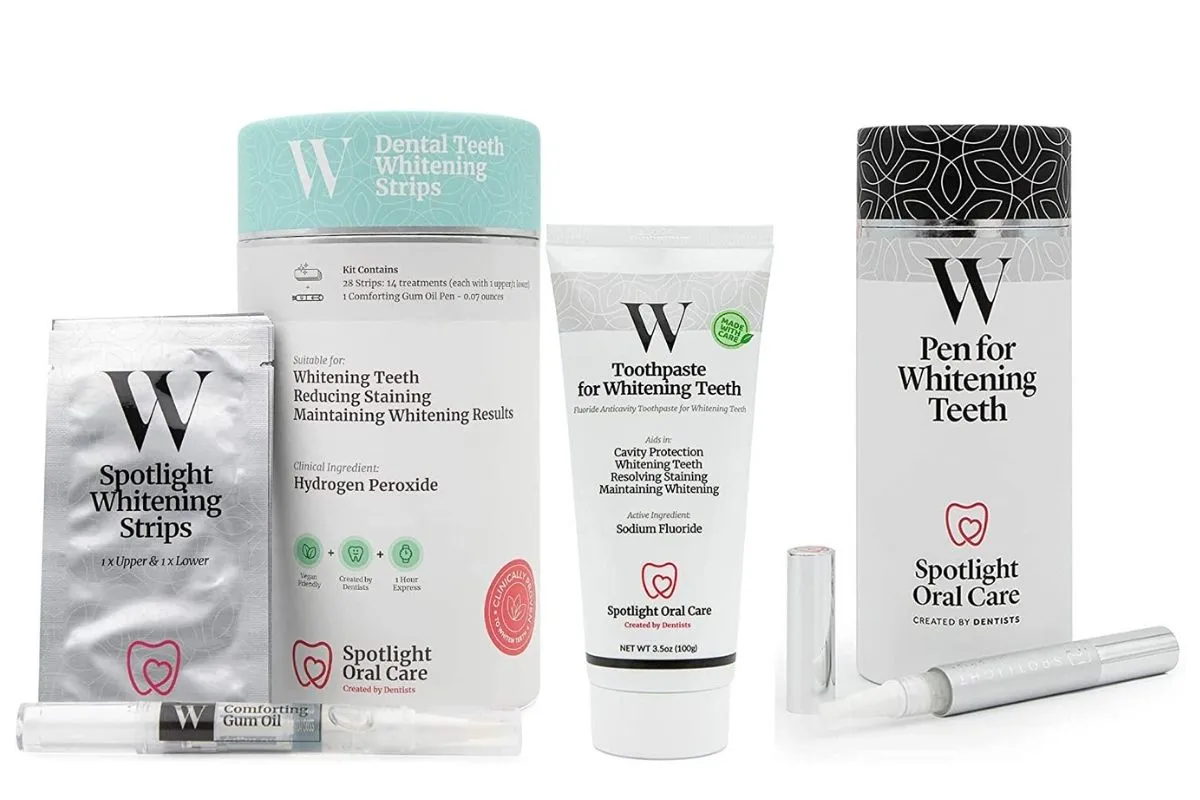
White strips are a widely accessible and affordable over-the-counter teeth whitening option. They are thin, flexible strips coated with a peroxide-based bleaching agent. These strips are designed to be applied directly to the teeth, adhering to the surface and delivering the whitening solution. White strips offer a convenient at-home method for improving the brightness of your smile. However, it is essential to know their effectiveness and limitations compared to professional teeth whitening options. White strips are typically used for a set period, as directed by the product instructions, to gradually lighten the teeth over several days or weeks.
How White Strips Work

The active ingredient in most white strips is hydrogen peroxide or carbamide peroxide. When applied to the teeth, these chemicals penetrate the enamel and dentin, breaking down the stain molecules that cause discoloration. The concentration of the bleaching agent in white strips is generally lower than that used in professional treatments. This means that while they can effectively lighten teeth, the results may be less dramatic and take longer to achieve than with professional options. The duration of treatment and the consistency of use, as per the product’s guidelines, are crucial for realizing the desired whitening effects.
Limitations of White Strips
While white strips can be a convenient option, they have limitations. The whitening effects can be less pronounced compared to professional treatments, and the results may vary depending on the type and severity of the stains. Moreover, white strips may not effectively whiten teeth with intrinsic stains, like those caused by tetracycline or fluorosis. Uneven application can lead to inconsistent whitening, and some users experience sensitivity or irritation of the gums. It is also essential to follow the product instructions carefully and consult with a dentist if any adverse effects occur, such as prolonged sensitivity or gum irritation.
Professional Teeth Whitening Explained
Professional teeth whitening is a cosmetic dental procedure performed by a dentist, using stronger bleaching agents and advanced techniques to achieve more dramatic and faster results. This type of whitening offers several advantages over at-home methods, including higher concentrations of the whitening agent and the supervision of a dental professional. During professional whitening, the dentist can assess your oral health, identify any potential issues, and tailor the treatment to your specific needs. This ensures a safer and more effective whitening experience, reducing the risk of complications and maximizing the benefits of the treatment.
Types of Professional Whitening

Professional teeth whitening typically comes in two main forms in-office whitening and at-home whitening with dentist supervision. Both methods utilize higher concentrations of bleaching agents than white strips, leading to more noticeable results. The choice between these options depends on individual preferences, the desired speed of results, and the dentist’s recommendations. The dentist will evaluate your teeth and gums to determine the most appropriate approach for you. They can provide detailed guidance on preparing for the procedure and aftercare to achieve optimal results. The professional methods also offer the benefit of professional expertise to monitor the entire process.
In-Office Whitening
In-office teeth whitening is performed in a dental clinic, where a high-concentration bleaching gel is applied to the teeth. The dentist may use a special light or laser to accelerate the whitening process. This method provides immediate results, often lightening teeth several shades in a single session. Before the procedure, the dentist will protect the gums and soft tissues to prevent irritation. In-office whitening is ideal for people seeking quick and dramatic results and can be more effective for stubborn stains. The dentist monitors the patient’s progress and ensures the treatment is safe and comfortable throughout.
At-Home Whitening from Dentist
At-home whitening from a dentist involves custom-fitted trays and a professional-strength bleaching gel provided by your dentist. The dentist will take impressions of your teeth to create the trays, ensuring a perfect fit and maximizing the effectiveness of the whitening agent. You will be instructed to wear the trays with the gel for a specific amount of time each day or night, as directed by your dentist. This method allows for a more gradual whitening process, with results typically noticeable within a few weeks. While slower than in-office whitening, it offers the convenience of whitening your teeth at home while still under professional supervision.
Top 5 Differences White Strips vs. Professional Whitening

Deciding between white strips and professional teeth whitening involves weighing several factors, including effectiveness, speed, cost, professional supervision, and potential side effects. Each method offers unique advantages and drawbacks. Understanding these differences can help you select the best option for your needs and goals. Consulting with a dentist is essential for personalized advice and to ensure the chosen method aligns with your oral health.
1 Effectiveness
Professional whitening typically yields superior results compared to white strips. The higher concentration of the bleaching agent used by dentists and the specialized techniques applied result in more dramatic and long-lasting whitening. While white strips can lighten teeth, they may not be as effective for deep stains or discoloration. In-office procedures can provide immediate improvements, while at-home treatments from a dentist also offer significant enhancements over several weeks. The level of effectiveness depends on several factors, including the type of stains and the initial shade of your teeth. If you are looking for the most effective results, professional whitening is the better choice.
2 Speed of Results
Professional teeth whitening provides faster results than white strips. In-office treatments can lighten teeth by several shades in a single session, offering immediate gratification. At-home whitening kits provided by dentists typically show noticeable results within a few weeks. White strips require consistent use over several weeks, and the whitening effect is more gradual. If you want to see rapid improvements in your smile, professional whitening is the clear winner. However, white strips offer a more convenient and affordable option if immediate results aren’t a priority.
3 Cost

The cost is a significant factor in choosing between white strips and professional teeth whitening. White strips are significantly more affordable, making them accessible for those on a budget. Professional whitening, especially in-office procedures, is a more expensive investment. However, the long-term benefits and effectiveness may justify the higher cost for some individuals. The initial investment in professional whitening could save money down the line. It is vital to consider your budget and weigh it against the desired outcome and long-term value.
4 Professional Supervision
Professional teeth whitening involves the supervision of a dentist, which ensures the safety and effectiveness of the treatment. Dentists can assess your oral health, identify any underlying issues, and customize the treatment to your specific needs. They can also monitor the whitening process and address any potential side effects. White strips are an over-the-counter product, offering no professional oversight. This can lead to potential misuse or complications. Professional supervision provides peace of mind and increases the likelihood of achieving the desired results safely and effectively. The dentist will also provide guidance on aftercare and maintenance.
5 Potential for Sensitivity
Teeth sensitivity is a common side effect of teeth whitening. Both white strips and professional whitening can cause temporary sensitivity, but professional treatments allow dentists to take precautions to minimize this. Dentists can use desensitizing agents or adjust the concentration of the whitening agent. They can also assess your teeth’s sensitivity level before the procedure and provide personalized recommendations. White strips may also cause sensitivity, and the absence of professional supervision can increase the risk of this side effect. Understanding and managing potential sensitivity is essential for a comfortable and successful whitening experience.
Which Teeth Whitening Is Right for You

Choosing the right teeth whitening method depends on your individual needs, preferences, and budget. Consider the level of whitening you desire, the speed of results you need, and the importance of professional supervision. White strips are a suitable option for those seeking a cost-effective, convenient method with modest results. Professional whitening is ideal if you are looking for dramatic, long-lasting results and value professional oversight and guidance. Assessing these factors and consulting with a dentist can help you make the best choice for your smile goals.
Factors to Consider
Before deciding on a teeth whitening method, consider your oral health, the type and severity of stains, your budget, and your time constraints. If you have sensitive teeth or other dental issues, professional whitening may be safer and more effective. The nature of the stains on your teeth will also influence the effectiveness of the whitening treatment. Your budget and time commitment will also affect your choices. White strips offer a lower cost and are more accessible. Professional whitening delivers quicker, more noticeable results. Consulting with a dentist will provide insights and guide you toward the right decision.
Consulting with a Dentist
Consulting with a dentist is an essential step in any teeth whitening journey. A dentist can assess your oral health, identify any underlying issues, and recommend the most suitable whitening method for your needs. They can also discuss the benefits and risks of each option, ensuring you make an informed decision. A dentist will be able to help you understand the type of stains and the level of whitening achievable with different methods. Regular dental checkups are also a way to maintain and monitor the long-term health of your teeth. It is important to seek the advice of a dentist for the best outcome and ensure the safety and effectiveness of your teeth whitening experience.