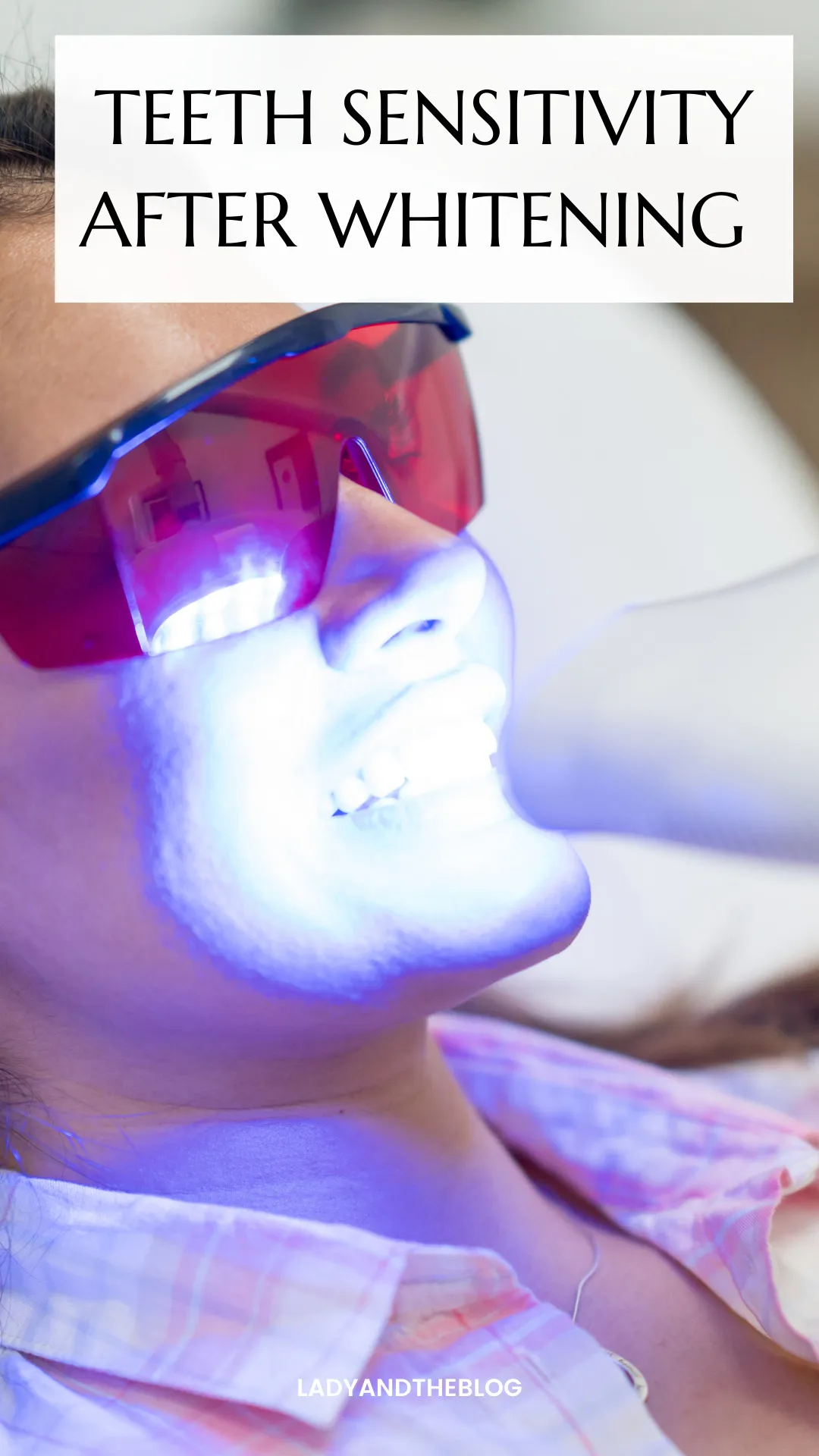
Understanding Teeth Whitening Sensitivity
Teeth whitening is a popular cosmetic procedure, offering a brighter, more confident smile. However, it can sometimes lead to temporary teeth sensitivity. This sensitivity, though often short-lived, can be uncomfortable and may deter some individuals from pursuing whitening treatments. Understanding the underlying causes of this sensitivity and the available remedies is crucial for anyone considering or experiencing this common side effect. This comprehensive guide will delve into the reasons behind teeth sensitivity after whitening, explore immediate relief strategies, and offer long-term solutions to ensure a comfortable and successful whitening experience. Addressing these issues allows you to enjoy the benefits of a whiter smile without unnecessary discomfort, promoting both oral health and aesthetic satisfaction.
Causes of Sensitivity After Whitening
The primary cause of teeth sensitivity following whitening treatments is the active ingredient in the whitening agent, typically hydrogen peroxide or carbamide peroxide. These chemicals work by penetrating the enamel of your teeth to break down the stains and discoloration. This process can temporarily make the enamel more porous, exposing the underlying dentin. Dentin contains microscopic tubules that lead directly to the nerve endings within the tooth, increasing the likelihood of sensitivity. Additionally, whitening agents can irritate the soft tissues of the gums, further exacerbating the discomfort. Factors such as the concentration of the whitening agent, the duration of exposure, and the individual’s natural tooth sensitivity can influence the severity of the reaction. Understanding these mechanisms is key to effectively managing and alleviating the discomfort associated with teeth whitening.
Temporary Nature of Sensitivity

It’s important to note that the sensitivity experienced after teeth whitening is usually temporary. In most cases, the discomfort subsides within a few days to a couple of weeks following the treatment. This is because the enamel gradually re-mineralizes, and the tubules in the dentin begin to close, reducing nerve stimulation. The duration of sensitivity varies from person to person, depending on factors like the type of whitening treatment, the strength of the whitening agent, and the individual’s inherent tooth sensitivity. For instance, professional in-office whitening treatments, which use higher concentrations of the bleaching agent, might initially result in more pronounced sensitivity compared to at-home methods. However, with proper care and adherence to post-whitening guidelines, the sensitivity typically resolves itself, allowing you to enjoy the long-term benefits of a brighter smile.
Immediate Relief Strategies
When dealing with teeth sensitivity after whitening, several strategies can provide immediate relief and make your experience more comfortable. These methods are designed to soothe irritated nerves and protect the teeth from further irritation. Implementing these immediate measures can significantly reduce discomfort and help you manage the temporary sensitivity more effectively. From using specific oral care products to making simple dietary adjustments, these techniques offer practical ways to minimize pain and promote healing. By following these guidelines, you can continue to maintain your oral hygiene and overall well-being without the distress of excessive sensitivity. These actions are vital for those experiencing discomfort following teeth whitening and can offer rapid relief.
Using Desensitizing Toothpaste
Desensitizing toothpaste is a readily available and highly effective solution for teeth sensitivity. These toothpastes typically contain ingredients like potassium nitrate or stannous fluoride, which work by blocking the tubules in the dentin, preventing nerve stimulation. Potassium nitrate, in particular, helps to calm the nerve endings, reducing the sensation of pain. To maximize the effectiveness, it’s crucial to use the toothpaste regularly, typically twice a day, and allow the product to stay in contact with the teeth for several minutes before rinsing. For more severe cases, your dentist might recommend applying the toothpaste directly to the sensitive areas and leaving it overnight. The consistent use of desensitizing toothpaste is a proactive step in managing sensitivity and should become a standard part of your oral care routine post-whitening.
Applying Fluoride Treatments

Fluoride treatments are another highly effective method to combat teeth sensitivity. Fluoride strengthens tooth enamel, making it more resistant to external stimuli and helping to block the tubules in the dentin. Your dentist can provide professional fluoride treatments, which are usually more concentrated than those found in over-the-counter products. These in-office treatments can provide rapid relief and protection. In addition, your dentist might recommend at-home fluoride treatments, such as fluoride rinses or gels, to be used daily. These products help to remineralize the enamel, reducing sensitivity over time. Fluoride treatments are particularly beneficial because they not only address sensitivity but also help to prevent tooth decay. Consistent use of fluoride, under the guidance of a dental professional, provides a comprehensive approach to managing and preventing teeth sensitivity after whitening.
Avoiding Trigger Foods and Drinks
Certain foods and drinks can exacerbate teeth sensitivity. These include items that are either very hot, very cold, acidic, or high in sugar. Hot beverages like coffee and tea, cold drinks such as ice water and smoothies, and acidic foods such as citrus fruits and pickles can all trigger discomfort. Sugar-rich foods and drinks, like candy and soda, can also increase sensitivity by promoting enamel erosion. Avoiding these trigger foods and drinks is a simple yet effective way to minimize sensitivity. When you do consume them, try to do so in moderation and follow with a thorough rinsing of your mouth with water to neutralize any acid residue. By making conscious dietary choices, you can create a more comfortable environment for your teeth to recover after whitening and reduce the frequency of sensitivity episodes.
Long-Term Solutions and Prevention
While immediate relief strategies are vital, incorporating long-term solutions can prevent or reduce sensitivity in the future. This involves being mindful of the whitening method you choose, maintaining good oral hygiene practices, and seeking advice from a dental professional. Long-term care focuses on strengthening tooth enamel, minimizing exposure to irritants, and ensuring the overall health of your teeth and gums. By integrating these practices into your routine, you can enjoy a consistently bright smile with minimal sensitivity. These ongoing measures are not only beneficial for long-term comfort but also promote the overall well-being of your teeth, contributing to a healthier and more confident smile for years to come.
Choosing the Right Whitening Method

The choice of whitening method can significantly impact the likelihood and severity of teeth sensitivity. Over-the-counter whitening products, such as strips and toothpastes, typically contain lower concentrations of whitening agents than professional treatments. This often results in less sensitivity but might require a longer treatment duration to achieve the desired results. Professional whitening treatments, performed by a dentist, offer more powerful and faster results but may increase the risk of sensitivity. If you have a history of sensitive teeth, it is wise to consult with your dentist before deciding on a whitening method. They can assess your specific needs and recommend a treatment option that balances effectiveness with comfort. Considering your individual sensitivity level and preference will ensure that you select the best teeth whitening solution that can provide the results you desire while minimizing potential discomfort.
Maintaining Good Oral Hygiene
Good oral hygiene is fundamental to overall dental health and can help to minimize sensitivity. Brushing your teeth gently with a soft-bristled toothbrush twice a day is essential. Avoid brushing too vigorously, which can erode enamel and increase sensitivity. Flossing daily removes plaque and food particles from between your teeth, preventing gum irritation that can exacerbate sensitivity. Using a fluoride-containing toothpaste is also crucial for strengthening the enamel. Additionally, consider incorporating an antimicrobial mouthwash into your routine to reduce bacteria and protect your gums. Regular dental check-ups and professional cleanings are also key, as your dentist can identify potential issues early and provide tailored advice. By adhering to a consistent oral hygiene routine, you not only mitigate sensitivity but also safeguard against dental problems, promoting a healthier, more comfortable smile.
Consulting Your Dentist
If you experience persistent or severe teeth sensitivity after whitening, it’s essential to consult your dentist. They can determine the underlying cause of the sensitivity and recommend the most appropriate course of action. Your dentist may conduct a thorough examination to rule out other potential issues, such as cavities or gum disease. They can also provide professional treatments, such as fluoride applications or desensitizing agents, to provide relief. Furthermore, your dentist can offer personalized advice on your oral hygiene routine and recommend specific products tailored to your needs. Regular dental check-ups, coupled with professional guidance, are crucial for maintaining optimal oral health and managing sensitivity. Consulting a dentist is a proactive step toward ensuring your teeth are healthy, your whitening experience is comfortable, and you receive the care you need.
Dietary Adjustments to Minimize Sensitivity

Making conscious dietary adjustments can play a significant role in managing teeth sensitivity. What you eat and drink directly impacts the health of your teeth, and making informed choices can help to alleviate discomfort and prevent further irritation. Focusing on a balanced diet that includes teeth-friendly foods and avoiding those that can trigger sensitivity is a simple yet effective strategy. These dietary changes not only help reduce sensitivity but also contribute to better oral health overall. By adopting a mindful approach to your eating habits, you can minimize discomfort and enhance your enjoyment of a bright, healthy smile.
Foods to Avoid
To minimize sensitivity, it’s wise to limit or avoid certain foods and drinks. Highly acidic items such as citrus fruits (lemons, oranges, grapefruits), tomatoes, and pickles can erode enamel, making teeth more vulnerable. Very hot or cold foods and beverages, like ice cream, hot coffee, and ice water, can trigger sensitivity by stimulating the nerves in your teeth. Sugary foods and drinks, including candy, soda, and sweetened juices, should be consumed sparingly because sugar can promote enamel erosion and increase the risk of sensitivity. Try to limit the frequency and duration of your exposure to these foods, and rinse your mouth with water after consumption to help neutralize acids and protect your enamel. Being mindful of these dietary triggers is crucial for maintaining comfort and minimizing sensitivity during and after your teeth whitening experience.
Foods to Include
Focusing on foods that support oral health is essential for managing and preventing teeth sensitivity. Include plenty of calcium-rich foods, such as dairy products (milk, yogurt, cheese), or calcium-fortified alternatives like almond milk. Calcium helps to strengthen tooth enamel. Fiber-rich fruits and vegetables, such as apples, carrots, and celery, can stimulate saliva production, which helps to neutralize acids and wash away food particles. These foods also help to gently clean the teeth. Drink plenty of water throughout the day to stay hydrated and help with saliva production, which is vital for protecting and remineralizing your teeth. A balanced diet rich in vitamins and minerals supports overall oral health, making your teeth more resistant to sensitivity and discomfort. A diet including tooth-friendly foods will promote a healthy and comfortable smile.
In conclusion, teeth sensitivity after whitening is a common, temporary concern that can be effectively managed. By understanding the causes of sensitivity, implementing immediate relief strategies like using desensitizing toothpaste and avoiding trigger foods, and adopting long-term preventative measures like maintaining good oral hygiene, you can enjoy the benefits of a brighter smile without unnecessary discomfort. Consult with your dentist to personalize your approach and address any underlying issues. With careful planning and proactive care, you can confidently achieve and maintain a beautiful, healthy smile.