What You Need to Know About Teeth Whitening
Teeth whitening is a popular cosmetic procedure aimed at lightening the shade of your teeth and removing stains and discoloration. There are various methods, ranging from professional treatments at a dentist’s office to over-the-counter products and DIY solutions. The effectiveness of each method varies depending on the type of stain, the individual’s oral health, and the ingredients used. While professional treatments often yield quicker and more dramatic results, they can also be expensive. DIY teeth whitening recipes, like the one we’ll explore, offer a cost-effective alternative, but it’s essential to understand the potential benefits and risks involved. Before starting any teeth whitening regimen, it’s wise to consult your dentist to ensure it is safe for your specific dental condition.
Understanding the Role of Baking Soda
Baking soda, also known as sodium bicarbonate, is a mild abrasive. This means it can help scrub away surface stains on your teeth. When used in teeth whitening, the abrasive action of baking soda helps to remove plaque and debris, contributing to a brighter smile. However, it is important to note that while baking soda can help remove stains, it does not chemically change the color of your teeth. It simply polishes the surface. Moreover, using too much baking soda or brushing too vigorously can damage the enamel over time, leading to increased sensitivity and potential dental problems. The key is moderation and proper technique, which we will address in the steps below. Baking soda also has natural properties that can help neutralize acids in your mouth, promoting a healthier oral environment.
The Whitening Power of Hydrogen Peroxide

Hydrogen peroxide is a mild antiseptic that acts as a bleaching agent. It works by oxidizing the stains on your teeth, breaking them down, and making your teeth appear whiter. The concentration of hydrogen peroxide plays a significant role in its effectiveness. Over-the-counter whitening products typically use lower concentrations (around 3%), while professional treatments may use much higher concentrations. When combined with baking soda, hydrogen peroxide can boost the whitening effect. However, it’s important to use the correct concentration and follow the recipe precisely, because higher concentrations can cause gum irritation and tooth sensitivity. Always use food-grade hydrogen peroxide or a concentration specifically designed for dental use. It is crucial to carefully follow the instructions to avoid any adverse effects. The correct usage of this ingredient can provide the desired result in your teeth.
Step-by-Step Teeth Whitening Recipe
This recipe combines the cleaning power of baking soda with the whitening action of hydrogen peroxide to give you a brighter smile. Remember that consistency is key. For optimal results, use this recipe once or twice a week. This is not a quick fix, and noticeable changes take time. Always listen to your body and if you experience any discomfort, discontinue use and consult with a dentist. Regular dental check-ups are essential for assessing your oral health and addressing any underlying issues. If you want to enhance the look of your teeth and make your smile more appealing then this recipe is for you. It offers a simple, accessible, and cost-effective method for maintaining a brighter smile at home.
Ingredients and Supplies You’ll Need
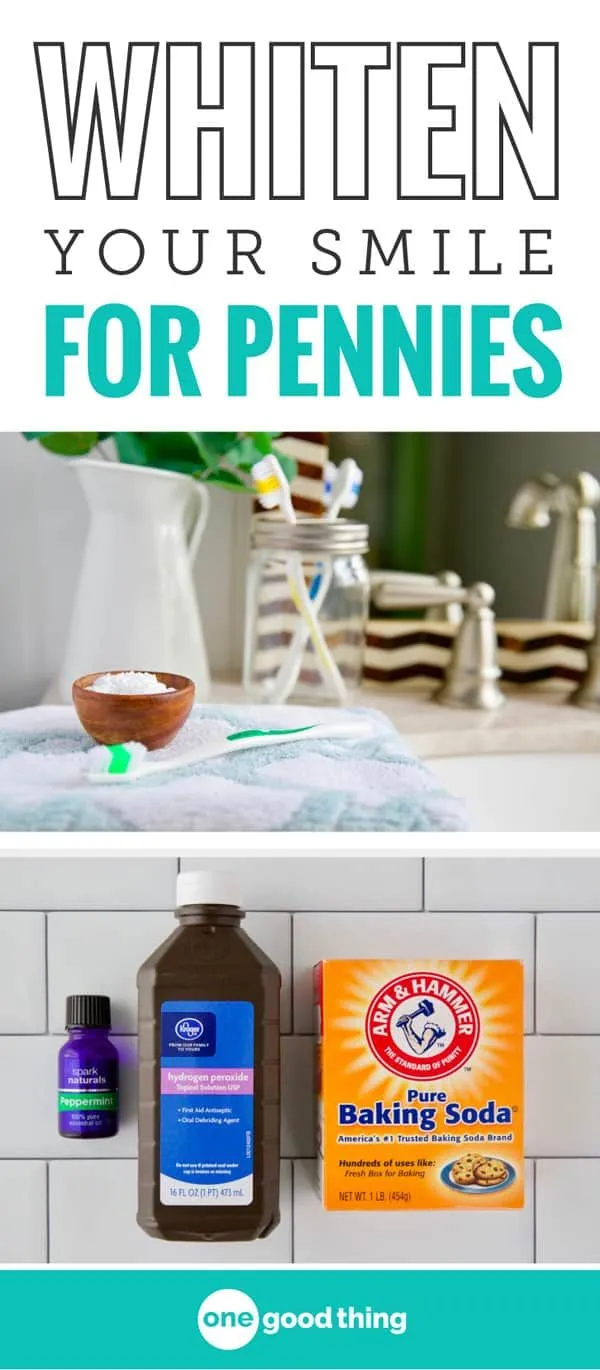
Before you begin, gather the following items. This will ensure you’re prepared and the process goes smoothly. Make sure you have access to these items. It is also important to ensure the quality of these items so you can have the best results. You need to have: baking soda (sodium bicarbonate), 3% hydrogen peroxide (food grade or dental use), a small bowl, a soft-bristled toothbrush, a measuring spoon, and a timer. Having all the necessary tools will make the whitening process more efficient and safer. Choose a soft-bristled toothbrush to avoid damaging your enamel and gums. Using a measuring spoon is important for getting the right proportions, and a timer can help ensure that you don’t over-brush or leave the mixture on your teeth for too long. These simple steps will provide the foundation for a successful teeth-whitening process.
Mixing Baking Soda and Hydrogen Peroxide

In a small bowl, combine the baking soda and hydrogen peroxide. The recommended ratio is usually about 1 teaspoon of baking soda to 1-2 teaspoons of hydrogen peroxide. Start with the lower amount of hydrogen peroxide and add more as needed to create a paste-like consistency. The mixture should not be too runny or too thick. Too much hydrogen peroxide can cause irritation, so be careful. Mix the ingredients thoroughly until you get a smooth paste. If the mixture is too thick, add a few more drops of hydrogen peroxide until you achieve the desired consistency. Remember, the goal is to create a paste that is easy to apply to your teeth without dripping or being too abrasive. Mixing the ingredients correctly is crucial for ensuring the effectiveness of the whitening process. Check for consistency to make sure that the ingredients are well mixed.
Applying the Mixture to Your Teeth
Once your paste is ready, apply it to your teeth. Use a soft-bristled toothbrush to scoop a small amount of the paste. Gently brush your teeth in circular motions, ensuring you cover all surfaces. Avoid brushing too aggressively, as this can damage your enamel. The goal is to evenly coat your teeth with the mixture, not to scrub them hard. If you feel any irritation, stop immediately and rinse your mouth thoroughly. Brush for about two minutes. This is similar to the time you typically spend brushing with toothpaste. Make sure to cover all parts of your teeth so the whitening process is consistent. Take special care to brush along the gum line and any areas with visible stains. Proper application ensures all parts of your teeth are treated for the best whitening results.
How to Properly Brush Your Teeth
The way you brush is as important as the ingredients you use. Use gentle, circular motions, paying attention to each tooth. Avoid using excessive pressure, which can wear down the enamel. If you are applying a mixture like baking soda and hydrogen peroxide, brush with your regular toothpaste afterward to remove any remaining residue and further clean your teeth. It is important to brush the correct way to avoid damage. Ensure all the surfaces of each tooth are covered for effective cleaning. You should also focus on your gum line. Brush in circular motions to prevent the erosion of enamel and gum recession. By taking the correct brushing steps, you can improve the efficacy of your recipe.
Rinsing and Post-Treatment Care

After brushing for two minutes, rinse your mouth thoroughly with water. Spit out any remaining paste and rinse your toothbrush as well. It’s important to remove all traces of the mixture from your mouth to prevent any potential irritation. Follow up with your regular toothpaste and brush again. This helps to neutralize the effects of the baking soda and hydrogen peroxide and ensures your mouth is clean. Avoid eating or drinking anything for at least 30 minutes after the treatment to allow the ingredients to work. This allows the whitening agents to fully affect the surface of your teeth. Regular dental check-ups are necessary to maintain your oral hygiene. Following these steps will give you the best results from the recipe.
Important Safety Precautions
While this teeth whitening recipe can be effective, it is essential to use it with caution. Always use food-grade hydrogen peroxide or a concentration specifically designed for dental use. Never use higher concentrations without consulting your dentist. Do not swallow the mixture. If you accidentally swallow any of it, rinse your mouth immediately with water. Avoid using this recipe too frequently, as overusing it can damage your enamel and lead to tooth sensitivity. If you experience any pain, sensitivity, or discomfort, discontinue use and consult your dentist. Children under the age of 12 should not use this recipe. Pregnant or breastfeeding women should also consult a healthcare professional before use. Always practice safety precautions before applying this recipe.
Potential Side Effects to Watch For
Like any teeth whitening method, this recipe can have side effects. The most common side effect is increased tooth sensitivity, especially if you have sensitive teeth or pre-existing dental issues. You may also experience gum irritation or inflammation. If you notice any of these symptoms, stop using the recipe and consult your dentist. Other less common side effects include changes in the texture or appearance of your teeth and an increased risk of enamel erosion with overuse. If you experience any unusual symptoms, such as persistent pain or discomfort, seek professional dental advice. Remember to always assess your oral condition before starting any whitening procedure. Being aware of the side effects allows you to prepare for potential issues and make informed decisions about your oral health.
When to Consult a Dentist

It is always a good idea to consult with your dentist before trying any teeth whitening method, especially if you have pre-existing dental conditions such as cavities, gum disease, or tooth sensitivity. They can assess your oral health and advise whether this recipe is suitable for you. If you experience any persistent side effects, such as tooth sensitivity or gum irritation, see your dentist immediately. If you have any other issues, your dentist can identify the root causes and recommend an appropriate treatment. Your dentist can provide professional teeth-whitening options that are safe and effective. Regular dental check-ups are important for maintaining oral health and addressing any issues early. Regular check-ups and consultations with your dentist will give you a healthy smile and a good teeth whitening process.
Alternative Teeth Whitening Methods
If this DIY recipe is not suitable for you, or if you are looking for other options, there are many alternative teeth whitening methods available. Over-the-counter whitening strips and trays are readily available and often a good choice for home use. Professional whitening treatments are done by a dentist and can offer more dramatic and faster results. Other options include using whitening toothpaste and mouthwash. The best method for you will depend on your individual needs and preferences. If you have questions about which option is best for you, consult with your dentist. By consulting a dentist, you can figure out which whitening method is best for you and your dental health. Always take the time to consider all options available to you.
Maintaining a Bright Smile After Whitening
Once you have achieved your desired level of whiteness, it is important to take steps to maintain your bright smile. Avoid or limit the consumption of foods and beverages that can stain your teeth, such as coffee, tea, red wine, and berries. Practice good oral hygiene by brushing twice a day with fluoride toothpaste and flossing daily. Consider using a whitening toothpaste or mouthwash to help maintain your results. Regular dental check-ups and cleanings are essential to prevent stains and maintain a healthy smile. Consider using a straw when drinking staining beverages to minimize contact with your teeth. By taking care of your teeth and following these tips, you can enjoy a bright, white smile for a long time. Remember to practice good oral hygiene for the best results.