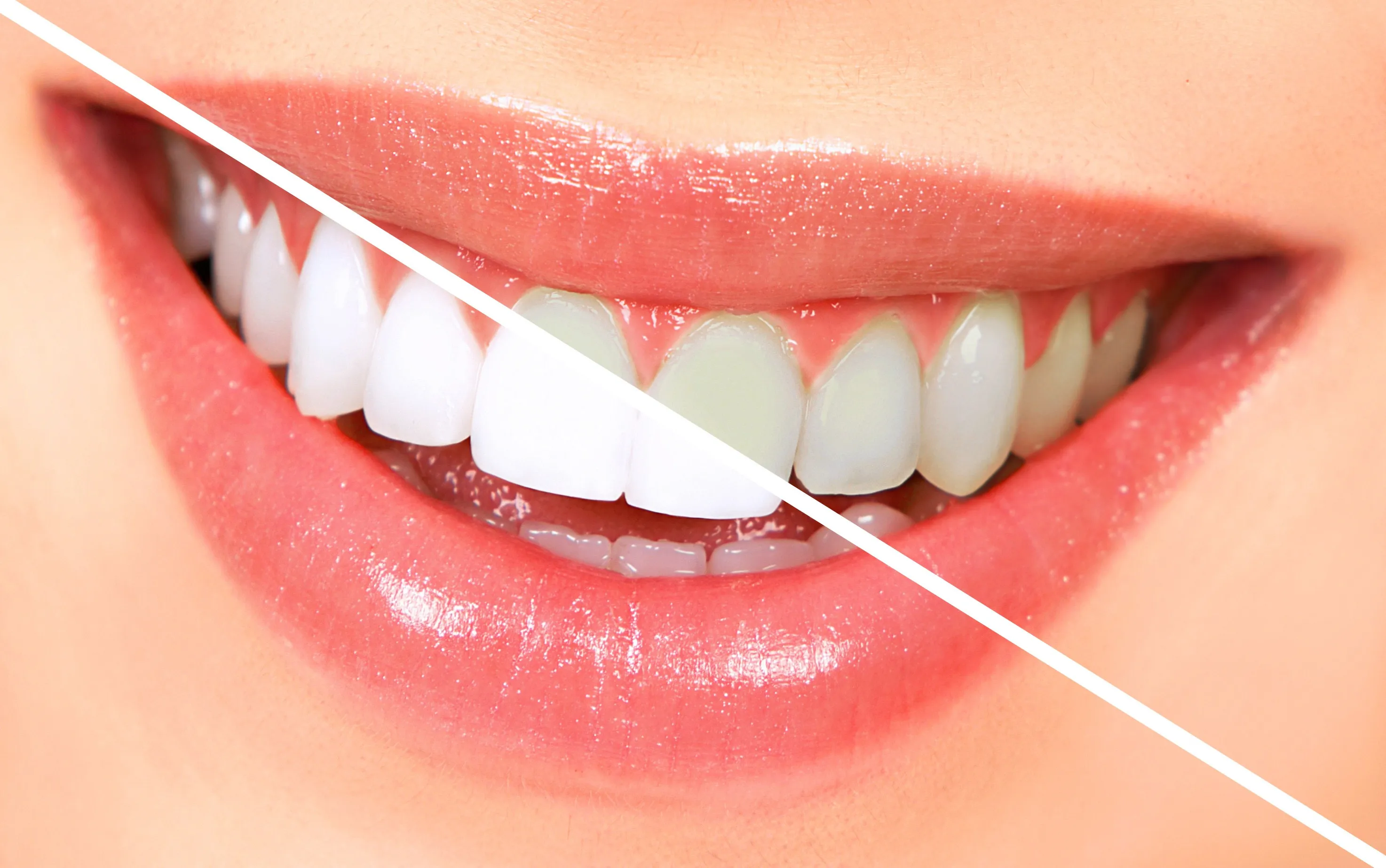
What is Teeth Whitening?
Teeth whitening is a cosmetic dental procedure designed to lighten the shade of your teeth and improve the appearance of your smile. It works by removing stains and discoloration, which can be caused by various factors, including aging, genetics, diet, and lifestyle habits such as smoking. The process involves using bleaching agents, typically containing hydrogen peroxide or carbamide peroxide, to break down the staining molecules within the tooth enamel. The effectiveness of teeth whitening can vary depending on the method used and the type of staining present. It’s a popular choice for people looking to boost their self-esteem and achieve a more youthful and vibrant smile. Understanding the different procedures is key to achieving desired results, as some methods are better suited for certain types of discoloration than others. Consulting with a dental professional is also very important to determine the best approach for individual oral health needs.
Teeth Whitening Procedures Overview
Teeth whitening procedures generally fall into two main categories: professional treatments performed by a dentist and at-home methods. Professional treatments, often more potent, can deliver faster and more dramatic results. These in-office procedures provide a controlled environment where a dentist can monitor the process and manage any potential side effects. At-home whitening options, such as over-the-counter whitening strips and toothpastes, offer a more convenient and affordable alternative. These methods typically involve lower concentrations of bleaching agents and require more time to achieve noticeable results. Both approaches have advantages and disadvantages. The choice depends on factors like the severity of the staining, the desired level of whitening, and the patient’s budget and lifestyle. A comprehensive understanding of the different procedures is crucial to make an informed decision that aligns with individual needs and expectations.
Professional Teeth Whitening Procedures

Professional teeth whitening, performed in a dental office, provides the most effective and controlled approach to brightening your smile. Dentists use higher concentrations of bleaching agents than those available for at-home use, resulting in quicker and more significant whitening. The dentist will assess the patient’s oral health, take precautions to protect the gums, and apply the whitening agent directly to the teeth. Various techniques are employed, often combined with specialized equipment like lasers or lights to enhance the bleaching process. This method offers several benefits, including faster results, professional supervision, and the ability to address stubborn stains that at-home methods may not be able to tackle. While it is more expensive than at-home options, many patients find the results and safety features of professional teeth whitening procedures well worth the investment.
In-Office Whitening Techniques
In-office teeth whitening includes various techniques to maximize the bleaching process. Dentists may use a combination of stronger bleaching agents and specialized lights or lasers to accelerate the whitening process. These lights emit specific wavelengths of light that activate the bleaching agents, helping to break down stains more effectively. The entire procedure typically takes about an hour, with the dentist carefully applying the whitening solution to the teeth and monitoring the process to prevent any complications. This in-office approach offers precision and control, allowing dentists to customize the treatment according to individual needs and achieve dramatic results in a single visit. The expertise of the dental professional ensures that the procedure is safe and effective, with minimal risk of side effects.
Laser Teeth Whitening
Laser teeth whitening is an advanced in-office procedure that uses a laser to accelerate the teeth-whitening process. A high-concentration bleaching gel is applied to the teeth, and then a laser is used to activate the gel, intensifying its effect and speeding up the whitening process. This technique can significantly reduce the time required to achieve noticeable results, often completing the procedure in under an hour. Laser whitening is particularly effective for stubborn stains and offers a more controlled approach compared to some other methods. However, it can be more expensive than other in-office procedures. The laser helps to penetrate the enamel more effectively, leading to a brighter and more uniform whitening effect.
Custom Tray Whitening

Custom tray whitening combines professional guidance with the convenience of an at-home treatment. The dentist takes impressions of the patient’s teeth to create custom-fitted trays. These trays ensure that the whitening gel comes into contact with all tooth surfaces evenly, maximizing effectiveness. The patient then receives a whitening gel from the dentist, which they apply to the trays and wear for a specified period daily. This method offers a balance between professional supervision and the flexibility of at-home treatment. It allows for gradual whitening, providing patients with more control over the shade they achieve. Custom tray whitening is generally more effective and safer than over-the-counter whitening strips because the trays are custom-made, reducing the risk of gum irritation. It’s a popular choice for its effectiveness and convenience.
At-Home Teeth Whitening Procedures
At-home teeth whitening options offer a convenient and often more affordable way to brighten your smile. These procedures typically involve lower concentrations of bleaching agents, making them safe for unsupervised use. While the results may not be as dramatic or rapid as professional treatments, at-home methods provide a practical solution for those seeking gradual whitening. Several products are available over the counter, each with its own set of instructions and recommended usage. Understanding the different types of at-home treatments is essential to make an informed decision and achieve the desired results. It is important to follow the instructions carefully to avoid any potential side effects and achieve the best possible outcome.
Whitening Toothpastes
Whitening toothpastes contain mild abrasives and/or chemical agents that help remove surface stains from your teeth. They are a gentle way to help maintain the brightness of your smile. Unlike professional whitening treatments, these toothpastes do not change the intrinsic color of the teeth; instead, they remove surface stains caused by food, drinks, and tobacco. These toothpastes usually contain ingredients like hydrated silica, baking soda, or peroxide. While they can improve the appearance of your teeth, they typically offer only minor whitening effects. The abrasives help to polish the tooth surfaces, removing stains. It is important to use these toothpastes as directed to avoid excessive abrasion, which could potentially damage the enamel over time. Whitening toothpastes are best used as a part of a regular oral hygiene routine.
Whitening Strips

Whitening strips are thin, flexible strips coated with a peroxide-based whitening agent. They are a popular at-home teeth-whitening option. These strips are designed to be applied directly to the teeth, where they release the bleaching agent and help to remove stains. Whitening strips are generally easy to use and readily available over the counter. They typically need to be worn for a specified amount of time each day, often for a few weeks, to achieve noticeable results. The effectiveness of whitening strips can vary depending on the concentration of the bleaching agent and the duration of use. While they can be effective for mild to moderate staining, they may not work as well on severe discoloration. It’s essential to follow the instructions provided and be aware of potential side effects, such as temporary tooth sensitivity.
Teeth Whitening Procedures Risks and Considerations
Like all cosmetic procedures, teeth whitening carries certain risks and considerations. Understanding these factors is important before deciding on a whitening treatment. The most common side effects include tooth sensitivity and gum irritation. These side effects are typically temporary and resolve shortly after the treatment is completed. In rare cases, more severe complications can occur, such as damage to the tooth enamel or soft tissue irritation. It’s crucial to discuss potential risks with a dental professional before proceeding with any teeth-whitening procedure. They can assess your oral health and recommend the most suitable treatment option, minimizing risks and maximizing positive outcomes.
Tooth Sensitivity
Tooth sensitivity is a common side effect of teeth whitening. The bleaching agents used in the process can penetrate the enamel and reach the dentin, which contains nerve endings. This can lead to increased sensitivity to hot and cold temperatures. Tooth sensitivity is usually temporary and typically subsides within a few days or weeks after the treatment is completed. To manage sensitivity, dentists may recommend using a toothpaste designed for sensitive teeth, which contains ingredients like potassium nitrate to soothe the nerves. Avoiding extremely hot or cold foods and drinks can also help reduce discomfort during this period. Consulting a dentist can provide personalized advice on managing tooth sensitivity effectively. They may suggest using fluoride treatments or other desensitizing agents to minimize the discomfort.
Gum Irritation

Gum irritation is another potential side effect of teeth whitening. This can occur if the bleaching agent comes into contact with the gums during the procedure. The high concentrations of peroxide used in whitening treatments can irritate the soft tissues, leading to redness, swelling, and soreness. Gum irritation is usually mild and temporary, resolving within a few days after the treatment. Dentists take precautions to minimize the risk of gum irritation by using protective barriers and carefully applying the whitening agent. In cases of significant irritation, the dentist may recommend using a topical anti-inflammatory medication or avoiding the whitening treatment for a short period. Proper application techniques and professional supervision are essential to reduce the chances of this side effect.
Maintaining Your White Smile
Once you’ve achieved a whiter smile, maintaining the results is crucial. This involves adopting good oral hygiene practices and making certain lifestyle adjustments. Brushing your teeth at least twice a day and flossing daily removes plaque and food particles that can contribute to staining. Regular dental check-ups and professional cleanings can help keep your teeth bright and healthy. Avoiding or limiting consumption of staining foods and beverages, such as coffee, tea, red wine, and berries, is also beneficial. Additionally, avoiding tobacco products and practicing good oral hygiene will help maintain your results for a longer period.
Post-Whitening Care
Post-whitening care is crucial for maximizing the longevity of your results and preventing new stains from developing. Immediately after a whitening treatment, your teeth are more susceptible to staining, so it’s important to follow specific guidelines. Avoid consuming highly pigmented foods and drinks, such as coffee, tea, red wine, and dark berries, for the first 24 to 48 hours. Refrain from smoking and using other tobacco products, as they can quickly stain your teeth. Brush your teeth gently with a soft-bristled toothbrush and use a whitening toothpaste to help maintain brightness. Continue with regular dental check-ups and professional cleanings to remove surface stains and keep your smile looking its best. Following these post-whitening care tips will help ensure that you enjoy a beautiful, bright smile for an extended period.
Dietary Recommendations

Your diet plays a significant role in maintaining a white smile. Certain foods and drinks are known to cause staining, so it’s important to make informed choices. Limit the consumption of highly pigmented beverages like coffee, tea, red wine, and dark juices. Be mindful of staining foods, such as berries, soy sauce, and curry. If you do consume these items, rinse your mouth with water immediately afterward. Include foods that help to naturally clean and whiten teeth, such as apples, celery, and carrots. These foods stimulate saliva production, which helps wash away food particles and neutralize acids that can erode enamel. Eating a balanced diet and staying hydrated also contributes to overall oral health. Making smart dietary choices is a key factor in preserving the results of your teeth-whitening procedure.
Conclusion
Teeth whitening procedures offer a range of options for achieving a brighter, more confident smile. From professional in-office treatments to convenient at-home methods, the choices are diverse. The best approach depends on individual needs, the severity of staining, and desired outcomes. While teeth whitening is generally safe, it’s important to understand the potential risks and take necessary precautions, such as consulting with a dental professional. Maintaining your white smile requires a commitment to good oral hygiene practices and a mindful approach to your diet and lifestyle. By following these guidelines and choosing the right procedure, you can achieve and maintain a beautiful, radiant smile for years to come.