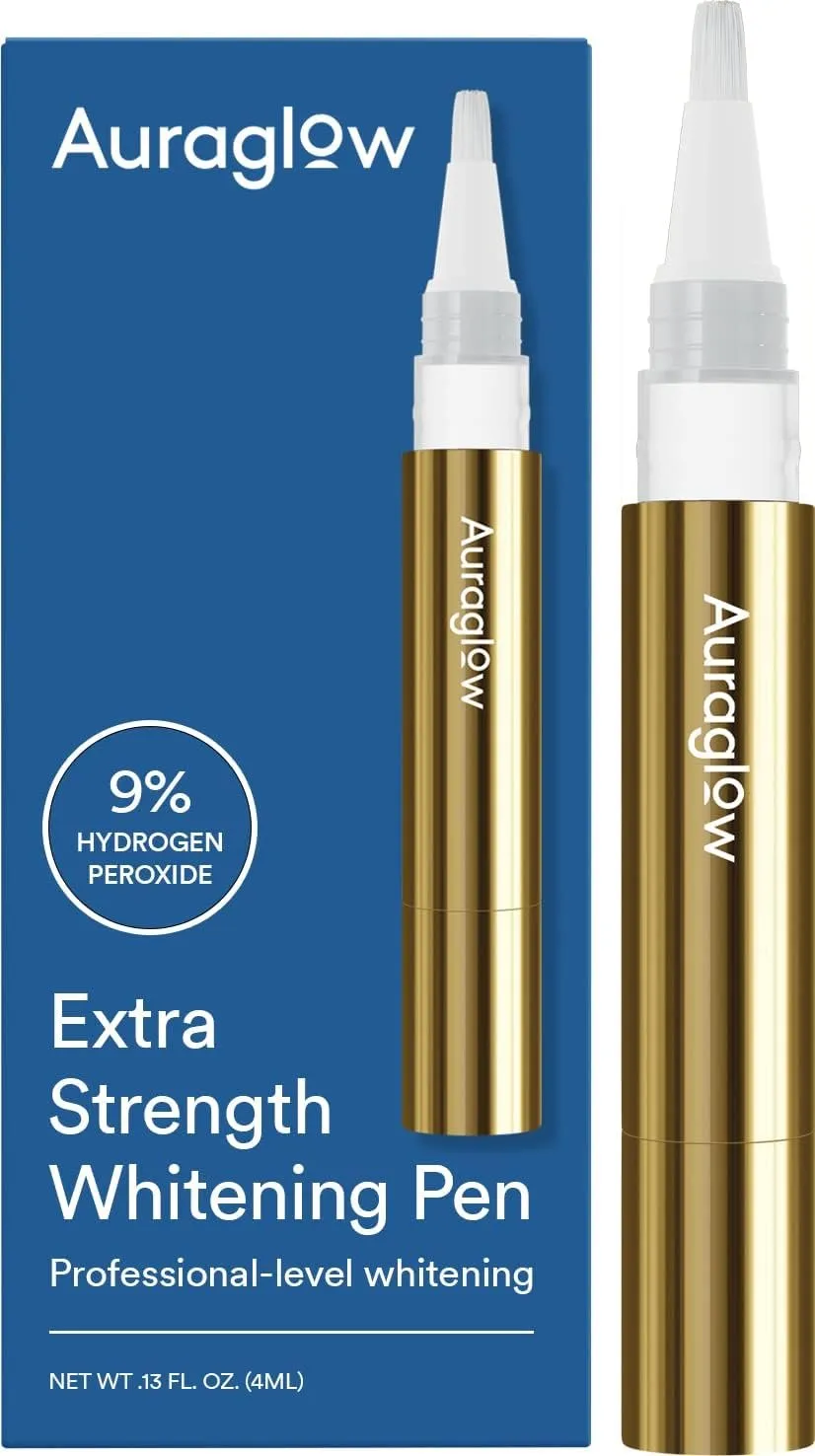
What is a Teeth Whitening Pen?
A teeth whitening pen is a convenient and portable dental product designed to brighten your smile. These pens typically contain a whitening gel that is applied directly to the teeth. They’re marketed as an easy, on-the-go solution for removing stains and discoloration caused by coffee, tea, wine, and other factors. The appeal lies in their ease of use and the promise of a brighter smile without the need for extensive treatments or visits to the dentist. They are compact, making them ideal for travel or quick touch-ups throughout the day. However, it’s important to understand how they work and what to look for when choosing one to ensure the best results and minimize potential side effects.
How Does a Teeth Whitening Pen Work?
Teeth whitening pens utilize a bleaching agent, typically hydrogen peroxide or carbamide peroxide, to lighten the color of your teeth. When applied to the enamel, these agents break down stains and discoloration molecules. The active ingredients penetrate the enamel surface, reacting with the discolored organic molecules and breaking them down into smaller, less noticeable particles. This process doesn’t damage the tooth structure; instead, it alters the appearance of the stains. The effectiveness of a pen depends on the concentration of the active ingredient, the duration of application, and the type of stains present. Consistent use, as directed by the product, is often necessary to achieve noticeable results, and the speed of whitening varies from person to person.
Key Ingredients to Look For

When selecting a teeth whitening pen, pay close attention to the active ingredients. The primary ingredients determine the effectiveness and potential side effects of the product. Researching these components will allow you to make an informed decision that aligns with your oral health needs and aesthetic goals. Here are some key ingredients to be aware of.
Hydrogen Peroxide
Hydrogen peroxide is a common and effective whitening agent found in many teeth whitening products, including pens. It’s a strong oxidizing agent that breaks down stains and discoloration by releasing oxygen molecules that penetrate the enamel. The concentration of hydrogen peroxide in whitening pens can vary, and a higher concentration typically leads to faster results. However, it can also increase the risk of sensitivity. When selecting a pen with hydrogen peroxide, consider your tooth sensitivity and the manufacturer’s recommendations.
Carbamide Peroxide
Carbamide peroxide is another popular whitening agent, often used as an alternative to hydrogen peroxide. It breaks down into hydrogen peroxide and urea when it comes into contact with water. This slow-release mechanism often results in a gentler whitening experience than hydrogen peroxide. Products containing carbamide peroxide typically offer a longer application time. It is also effective at removing stains and can be a good choice if you have sensitive teeth or are looking for a more gradual whitening process.
Sodium Chlorite

Sodium chlorite is sometimes used as a whitening agent. It acts by releasing chlorine dioxide, which helps to oxidize stains on the teeth. Though it is less common than hydrogen peroxide or carbamide peroxide, it can be effective for some types of stains. Sodium chlorite is often used in low concentrations, making it a potentially gentler option for those with sensitive teeth. However, it’s essential to read reviews and consult with a dentist, as its effectiveness varies.
Top 5 Tips for Choosing the Right Pen
Selecting the right teeth whitening pen involves more than just choosing the first product you see. Considering these 5 tips will help you find a pen that meets your needs and achieves optimal results.
Consider the Active Ingredient
The active ingredient is the most crucial factor in determining a whitening pen’s effectiveness. Hydrogen peroxide and carbamide peroxide are the most common. Hydrogen peroxide generally offers faster results but may increase sensitivity. Carbamide peroxide releases hydrogen peroxide more slowly, which can be gentler. Some pens use sodium chlorite. Carefully assess the concentration of the chosen ingredient, considering both the whitening power and your teeth’s sensitivity level. Reading the product description and understanding the ingredient’s function will guide your decision.
Evaluate the Concentration Level

The concentration of the active ingredient directly affects the whitening power and potential side effects. Higher concentrations of hydrogen peroxide typically lead to faster whitening but may increase sensitivity. Carbamide peroxide pens also vary in concentration; lower percentages are gentler but may require more frequent applications. Start with a lower concentration if you’re new to whitening or have sensitive teeth. Gradually increase the concentration if necessary, based on your tolerance and the results. Always follow the product’s instructions and consult with a dentist for personalized guidance.
Check for Sensitivity
Tooth sensitivity is a common side effect of teeth whitening products. Before purchasing a pen, consider products designed for sensitive teeth. Look for pens with lower concentrations of active ingredients or those containing desensitizing agents, such as potassium nitrate. If you already have sensitive teeth, consult your dentist before using a whitening pen. Read reviews and testimonials from other users to assess the pen’s impact on tooth sensitivity. If you experience sensitivity, reduce the frequency of use or switch to a less potent product.
Read Reviews and Testimonials
Real-world experiences from other users can provide valuable insights into a whitening pen’s effectiveness, ease of use, and potential side effects. Look for reviews on reputable websites and platforms. Pay attention to comments about whitening results, sensitivity, and the overall user experience. Filter reviews based on your specific needs, such as those with sensitive teeth. Reviews can help you understand the pen’s performance and identify any potential issues before purchasing. Use the collective feedback to make an informed decision.
Consider the Ease of Use

Ease of use is crucial for ensuring you consistently use the teeth whitening pen. Evaluate the pen’s design and application method. Look for pens that are easy to hold and control and have a precise applicator tip. Consider whether the application process fits into your daily routine. Some pens may require multiple applications per day, while others need only one. Choose a pen that is convenient and user-friendly. This ensures you’ll use the product regularly for optimal results.
How to Use a Teeth Whitening Pen Effectively
Using a teeth whitening pen effectively involves several key steps to ensure both safety and results. Following the product’s instructions is essential, but some general guidelines apply across most pens.
Prepare Your Teeth
Before applying the whitening gel, brush and floss your teeth to remove any surface debris. Make sure your teeth are clean and dry to allow the gel to adhere properly. Gently rinse your mouth with water, but avoid using mouthwash immediately before application, as it may affect the gel’s effectiveness. This pre-treatment helps the whitening agent to better penetrate the enamel.
Apply the Whitening Gel

Carefully apply the whitening gel to the surface of your teeth, following the manufacturer’s instructions. Use the pen’s applicator to apply a thin, even layer of gel to each tooth. Avoid applying the gel to your gums, as this can cause irritation. Be precise to ensure that the gel covers all visible surfaces. Allow the gel to remain on your teeth for the recommended time, avoiding touching your lips or tongue to the treated areas.
Avoid Eating or Drinking
After applying the whitening gel, avoid eating or drinking anything for the specified time, typically 30 minutes to an hour. This allows the gel to work without being disrupted by food or beverages. Avoid consuming anything that could stain your teeth during this time, such as coffee, tea, or red wine. This helps maximize the effectiveness of the whitening treatment and prevent potential staining.
Potential Benefits of Teeth Whitening Pens
Teeth whitening pens offer several benefits that make them an attractive option for those looking to enhance their smiles. These benefits provide convenience and affordability.
- Convenience They are portable and easy to use, making them ideal for on-the-go touch-ups.
- Affordability Teeth whitening pens are generally more affordable than professional whitening treatments.
- Ease of Use The application process is simple and doesn’t require any special equipment.
- Quick Results Many pens offer noticeable whitening results within a few days or weeks.
- Improved Confidence A brighter smile can boost self-esteem and improve your overall appearance.
Are There Any Side Effects?

While teeth whitening pens are generally safe, some side effects are possible. These side effects are usually mild and temporary, but it’s essential to be aware of them.
- Tooth Sensitivity Increased sensitivity to hot or cold foods and drinks is a common side effect.
- Gum Irritation The whitening gel can irritate the gums if it comes into contact with them.
- Uneven Whitening The whitening effect may not be uniform across all teeth.
- Allergic Reactions In rare cases, allergic reactions to the ingredients can occur.
- Toothache Some people may experience mild toothaches during the treatment.
Comparing Teeth Whitening Pens to Other Methods
Teeth whitening pens are one of many options available for brightening your smile. Comparing them to other methods will help you determine the best choice for your needs.
Teeth Whitening Strips
Teeth whitening strips are another popular at-home option. They are thin, flexible strips coated with a whitening gel, typically containing hydrogen peroxide. Strips cover the front teeth and are worn for a specific amount of time each day. Strips are generally more effective than pens, as they have more contact with the tooth surface. However, they may be less convenient for on-the-go use and can cause uneven whitening if not applied properly. Both are affordable but may not provide the same results as professional treatments.
Professional Whitening
Professional teeth whitening, performed by a dentist, offers the most dramatic and consistent results. Dentists use higher concentrations of whitening agents and can customize the treatment to your specific needs. These treatments often involve in-office sessions or custom-fitted trays for at-home use. Professional whitening is more expensive but usually offers the most effective and predictable outcomes. Dentists can also address any underlying dental issues that may affect the whitening process, such as cavities or gum disease.
Final Thoughts
Teeth whitening pens can be a convenient and affordable way to brighten your smile. When choosing a pen, consider the active ingredient, concentration level, and potential side effects. Always read reviews and follow the product’s instructions carefully. Understand the benefits and potential drawbacks compared to other whitening methods. By choosing the right pen and using it correctly, you can achieve a brighter, more confident smile. Remember to consult your dentist for personalized advice and to address any underlying dental concerns. Regular oral hygiene and professional check-ups are also crucial for maintaining a healthy and beautiful smile.