Teeth whitening is a popular cosmetic procedure, promising a brighter, more confident smile. However, a common concern among those considering this treatment is the potential for pain. Many individuals experience some level of discomfort during or after the whitening process. Understanding why teeth whitening can hurt is crucial for anyone considering this cosmetic procedure. This article delves into the underlying causes of teeth whitening pain, offering insights into how to manage it, and exploring alternatives to minimize discomfort. We will explore the factors contributing to sensitivity and pain, providing you with the knowledge to make informed decisions about your dental care and achieve the smile you desire without unnecessary suffering.
What Causes Teeth Whitening Pain
The discomfort associated with teeth whitening stems from several factors, primarily involving the interaction between the whitening agents and your teeth. These agents, while effective in removing stains, can also impact the tooth structure and surrounding tissues. Several elements must be evaluated to assess the potential for pain, from the sensitivity of your teeth to any underlying dental issues, each can play a role. It’s essential to understand these causes to address the pain effectively and ensure a comfortable teeth-whitening experience. Identifying the source of the pain is the first step in finding a solution and protecting your oral health.
Sensitivity from Whitening Products
The primary culprits behind teeth whitening pain are the active ingredients in whitening products, typically hydrogen peroxide or carbamide peroxide. These chemicals work by breaking down the stain molecules on your teeth. This process, however, can also penetrate the enamel and dentin, leading to sensitivity. The strength of the whitening agent, the duration of application, and the frequency of use all influence the level of sensitivity experienced. It is important to note that sensitivity is often temporary, but can be quite uncomfortable during the whitening process.
Hydrogen Peroxide and Carbamide Peroxide

Hydrogen peroxide and carbamide peroxide are the workhorses of teeth whitening. Hydrogen peroxide is a stronger and more immediate acting agent, often used in professional whitening treatments. Carbamide peroxide, on the other hand, breaks down into hydrogen peroxide, offering a more gradual whitening effect, and is commonly found in at-home products. The concentration of these chemicals varies depending on the product, with higher concentrations typically leading to greater sensitivity. Knowing the concentration of these chemicals in your whitening product can help you anticipate and manage potential pain.
How These Chemicals Affect Teeth
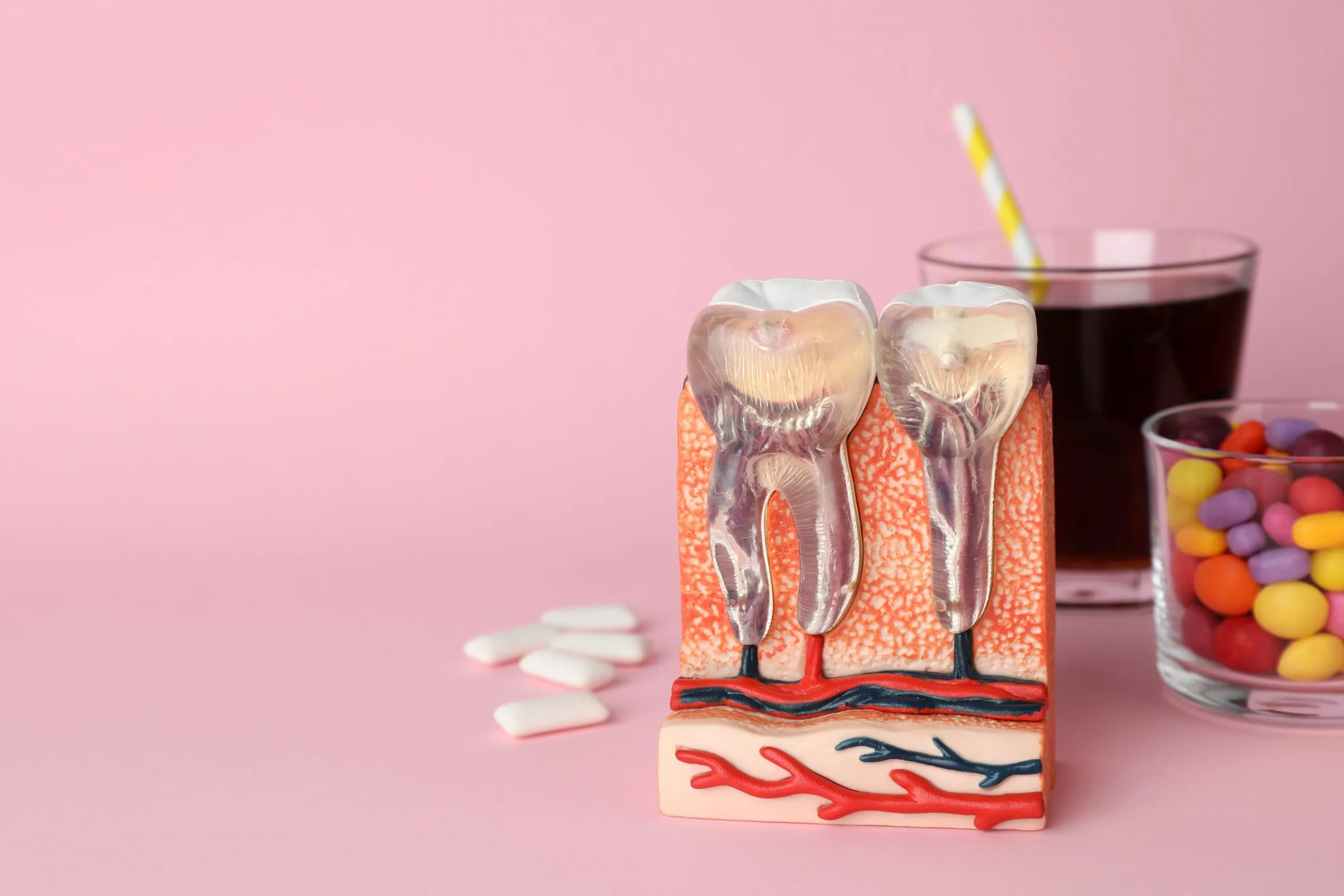
When hydrogen peroxide or carbamide peroxide come into contact with the teeth, they cause the enamel pores to open. This allows the whitening agent to reach the dentin, the layer beneath the enamel. The dentin contains tiny tubules that connect to the nerve of the tooth. This is why some people experience pain, as these chemicals irritate the nerves within the teeth. The process can also dehydrate the teeth, which further increases sensitivity. The effects of this vary from person to person, and the intensity can depend on the health of your teeth.
Existing Dental Issues
Pre-existing dental conditions can significantly increase the likelihood of experiencing pain during teeth whitening. Issues such as cavities, cracks, gum recession, or any other damage to the tooth structure create pathways for the whitening agents to reach the sensitive nerves, thus worsening pain and sensitivity. Before beginning any whitening treatment, it’s critical to address and resolve any underlying dental issues. A checkup with your dentist is recommended to identify and treat any problems that could exacerbate sensitivity.
Cavities and Cracks

Cavities and cracks in your teeth expose the inner layers of the tooth to the whitening chemicals, leading to intense pain. These imperfections provide direct access for the agents to the nerves within the tooth. Even small cracks or areas of decay can significantly increase sensitivity, making the whitening process uncomfortable. Ensuring these are repaired before whitening is a fundamental step in minimizing pain. Regular dental checkups are crucial in finding cavities and cracks early.
Gum Recession and Sensitivity
Gum recession exposes the roots of the teeth, which are not protected by enamel. The root surfaces are very sensitive, and whitening agents can easily irritate them. This can result in sharp, shooting pains. Sensitivity caused by gum recession is frequently more severe than that caused by enamel sensitivity. Individuals with gum recession should consult their dentist to address the recession before whitening, as this may alleviate pain.
Improper Application Techniques
The way you apply teeth whitening products can drastically affect your comfort. Incorrect application, such as using too much gel or not properly fitting the whitening trays, can cause the whitening agent to come into contact with your gums. This can cause irritation and pain. Always adhere to the product’s instructions, or seek professional guidance. Learning the proper application techniques is key to a comfortable whitening experience.
Overuse of Whitening Products

Using teeth whitening products more often than recommended is another common cause of increased sensitivity. Overuse exposes your teeth to whitening agents too frequently, intensifying the irritation and potentially leading to chronic pain. Following the recommended usage guidelines on the product packaging or the instructions provided by your dentist is essential to prevent overexposure. Patience is key in teeth whitening, and sticking to the recommended schedule is crucial to avoid any pain.
Using Too Much Gel
Using an excessive amount of whitening gel increases the likelihood of the product coming into contact with your gums and soft tissues, causing irritation. Excess gel may also seep out of the whitening trays, leading to uneven whitening and increased sensitivity. When using at-home whitening kits, be certain you are using the correct amount. This will keep the process efficient while minimizing discomfort.
How to Alleviate Teeth Whitening Pain
Fortunately, there are several effective ways to manage and alleviate teeth whitening pain. These methods range from over-the-counter solutions to professional treatments provided by your dentist. From the products you use to the foods you eat, several factors can significantly affect your pain levels. Implementing these strategies can make the teeth whitening process much more bearable. If you have to, always consult your dentist for the best possible advice for your unique needs and circumstances.
Desensitizing Toothpaste

Desensitizing toothpastes are specifically designed to reduce tooth sensitivity. They contain ingredients like potassium nitrate or stannous fluoride, which help block the tubules in your dentin, reducing the nerve’s ability to transmit pain signals. Using desensitizing toothpaste for a few weeks before starting your whitening treatment can significantly minimize pain. Continue to use this toothpaste throughout the whitening process to keep sensitivity at bay. Brushing with desensitizing toothpaste twice a day, consistently, is a simple yet effective way to manage discomfort.
Using a Soft-Bristled Toothbrush
A soft-bristled toothbrush is much gentler on your teeth and gums, especially when they are sensitive due to whitening. Using a harder brush can cause additional abrasion to the enamel, further increasing sensitivity. Switching to a soft-bristled brush and brushing gently helps to prevent enamel wear and reduces the risk of irritating the gums. Use gentle circular motions and avoid brushing too hard to protect your teeth. This simple change can offer significant relief during your teeth whitening treatment.
Avoiding Acidic Foods and Drinks
Acidic foods and drinks can erode the enamel of your teeth, making them more sensitive. During teeth whitening, when your teeth are already susceptible, consuming these items can exacerbate discomfort. This includes things like citrus fruits, sodas, and vinegar-based dressings. By avoiding these products, you can reduce the irritation and pain experienced during whitening. After whitening, it is essential to maintain a balanced diet and rinse your mouth with water to remove any remaining acids.
Consulting Your Dentist

If you experience significant pain during teeth whitening, it is critical to consult your dentist. They can assess your specific oral health situation and provide tailored advice. Dentists can identify and treat any underlying issues, recommend professional-grade whitening treatments, and suggest effective pain management strategies. They can also monitor your teeth throughout the whitening process. Professional advice is essential for anyone experiencing significant pain and for people who are unsure about their teeth’s health.
Professional Advice and Treatment
A dentist can offer various professional treatments to reduce pain. This includes applying fluoride treatments to strengthen the enamel and desensitize the teeth. They can also provide custom-fitted whitening trays that ensure proper application of the whitening agent, minimizing gum irritation. Your dentist can also monitor your teeth for any adverse effects and adjust your treatment accordingly. Professional guidance guarantees the safest and most effective whitening results.
Alternatives to Traditional Whitening
If you find that traditional teeth whitening causes too much pain, several alternatives are available. These include using whitening toothpastes and rinses that contain milder bleaching agents or avoiding bleaching altogether. Your dentist may suggest these alternatives or recommend other treatments to give you a brighter smile without sensitivity. These options are often more gentle on the teeth and can provide satisfying results with less discomfort. Always discuss the best alternatives with your dentist, considering your teeth’s health and your smile goals.
In conclusion, while teeth whitening can cause pain, understanding the underlying causes and implementing effective management strategies can make the process much more comfortable. By being aware of the potential issues, consulting your dentist, and following best practices, you can achieve a brighter smile without excessive discomfort. Remember to prioritize your oral health and seek professional advice to ensure the best possible outcome. Achieve the smile you have always dreamed of without compromising your comfort.