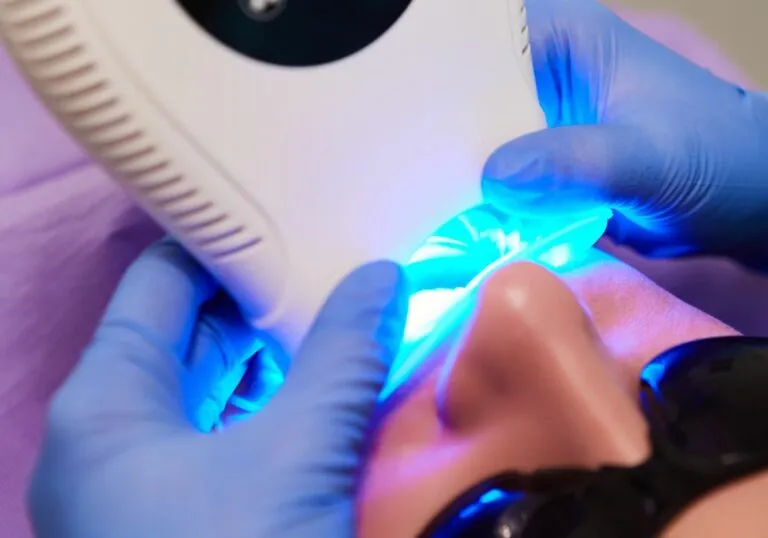
Why Do Teeth Hurt After Whitening?
Teeth whitening is a popular cosmetic procedure that can significantly improve the appearance of your smile. However, it’s not always a pain-free experience. Many individuals experience discomfort after teeth whitening, ranging from mild sensitivity to more intense pain. This discomfort can be caused by several factors related to the whitening process. Understanding these causes is crucial for managing and preventing pain, ensuring a more comfortable whitening experience. The active ingredients in whitening products, typically hydrogen peroxide or carbamide peroxide, work by breaking down stains and discoloration on the tooth surface. This process can sometimes lead to temporary changes in the tooth structure and nerves, resulting in sensitivity. Additionally, certain pre-existing conditions or improper application of the whitening agents can exacerbate the discomfort. Being aware of the potential causes of pain allows you to take proactive steps and make informed decisions, promoting a healthier and happier smile.
Sensitivity Explained
Tooth sensitivity is the most common side effect of teeth whitening. The whitening agents can penetrate the enamel and reach the dentin, which contains tiny tubules that lead to the tooth’s nerve. This can cause a temporary inflammatory response, making your teeth sensitive to hot, cold, sweet, or sour foods and drinks. This sensitivity usually peaks within the first few days after whitening and gradually subsides as the tooth recovers. The degree of sensitivity varies from person to person, depending on factors like the concentration of the whitening agent, the duration of exposure, and the individual’s tooth structure and sensitivity threshold. It is important to note that this is typically a temporary condition. With proper care and management, the sensitivity should resolve within a few days or weeks. Addressing the underlying causes, such as exposure to whitening agents, will help to prevent further complications and discomfort.
Chemical Irritation

Chemical irritation can occur if the whitening agent comes into contact with the gums or soft tissues of the mouth. This is more likely to happen with take-home whitening kits, especially if the trays do not fit properly, allowing the gel to leak. The high concentration of the whitening agents can irritate the soft tissues, causing inflammation, redness, and even chemical burns. Symptoms can range from mild discomfort to significant pain and blistering. Proper application of the whitening product is extremely important to minimize exposure and prevent this type of discomfort. This requires using properly fitted trays and avoiding excessive amounts of the product. Chemical irritation can be prevented by careful application and ensuring that the whitening agent is confined to the teeth. It’s important to follow the instructions provided by your dentist and to seek advice from your dentist if you experience any irritation.
Pre-existing Conditions
Individuals with pre-existing dental conditions like cavities, gum disease, or cracked teeth are more prone to experiencing pain during and after teeth whitening. The whitening agents can seep into these areas, exacerbating the sensitivity and causing significant discomfort. People who have receding gums, which expose the tooth roots, may also experience increased sensitivity because the roots lack the protective enamel layer. It’s crucial to address these underlying dental issues before undergoing teeth whitening. A dentist can diagnose and treat these problems, reducing the likelihood of pain and complications. This proactive approach ensures a smoother whitening experience and protects oral health. Addressing these underlying conditions can help to prevent painful side effects and ensure that you can achieve a brighter smile without unnecessary discomfort.
Improper Application
Improper application of teeth whitening products, whether at home or in a dentist’s office, can lead to increased pain. Using excessive amounts of the whitening agent, leaving the product on for too long, or not following the instructions can increase the risk of sensitivity and irritation. In the case of take-home kits, using trays that don’t fit properly can lead to the whitening gel coming into contact with the gums and soft tissues, resulting in chemical burns. In-office treatments, if not applied and monitored correctly by a professional, can also cause problems. Always adhere to the directions provided by your dentist and the product instructions. Careful and correct application ensures the best results while minimizing pain and potential side effects. If you’re unsure about the proper technique, consult your dentist.
The Top 5 Causes of Teeth Whitening Pain

Tooth Sensitivity
This is by far the most common cause. As mentioned previously, the whitening agents can penetrate the enamel, leading to temporary nerve irritation.
Chemical Burns
Contact with the gums, caused by ill-fitting trays or excessive product, can cause inflammation and pain.
Undiagnosed Dental Issues

Pre-existing conditions like cavities and gum disease can become aggravated by the whitening process.
Over-Whitening
Using whitening products too frequently or for prolonged periods can increase the risk of sensitivity and damage the tooth enamel.
Effective Solutions for Teeth Whitening Pain
Use Sensitivity Toothpaste

Sensitivity toothpaste contains ingredients like potassium nitrate that help block the pathways to the nerves in your teeth, reducing sensitivity. Start using sensitivity toothpaste a couple of weeks before your whitening treatment, and continue using it throughout the whitening process and afterward to manage any discomfort. The toothpaste will help to protect your teeth and keep them safe from pain.
Apply Fluoride Treatments
Fluoride treatments can strengthen the tooth enamel and reduce sensitivity. Your dentist can apply a professional fluoride treatment, or you can use a prescription-strength fluoride toothpaste or mouthwash. These treatments help to remineralize the enamel, making your teeth less susceptible to pain. Fluoride treatments are very effective in protecting your teeth from pain and improving overall dental health.
Adjust Whitening Frequency and Duration
If you’re experiencing pain, reduce the frequency and duration of your whitening treatments. For example, if you’re using a take-home kit, try whitening every other day instead of daily, or reduce the amount of time the trays are in your mouth. This allows your teeth to recover and reduces the chance of further sensitivity. If you are doing this at home, follow the directions carefully and adjust based on how your teeth feel. Listen to your body and do what is right for your needs.
Consult with Your Dentist

If the pain persists or is severe, consult your dentist. They can assess the cause of the pain and recommend the most appropriate treatment. Your dentist may recommend desensitizing treatments, such as fluoride varnish, or they can adjust your whitening plan. They can also check for any underlying dental issues that might be contributing to the pain. Regular dental check-ups before starting any whitening treatment will help to catch any issues that can cause pain or discomfort, ensuring you receive the best possible care. Consulting your dentist can offer peace of mind, making sure you stay healthy and have a pleasant smile.
Take a Break from Whitening
Sometimes, the best solution is to take a break from whitening. If your teeth are very sensitive, stop using the whitening products altogether until the sensitivity subsides. You can then resume the treatments, but reduce the frequency or duration, or switch to a less potent whitening product. This approach gives your teeth time to recover and helps to prevent further pain. Taking a break can be the best way to manage discomfort and ensure you can enjoy the whitening experience without unnecessary pain.
In conclusion, while teeth whitening can lead to a brighter smile, it’s crucial to be aware of the potential for pain and sensitivity. By understanding the causes and implementing the solutions discussed, you can minimize discomfort and achieve a more comfortable whitening experience. Always prioritize your oral health by consulting your dentist and following their recommendations for a safe and effective teeth whitening journey.