Understanding Teeth Whitening Pain
Teeth whitening, while a popular cosmetic procedure, can sometimes come with the unwanted side effect of pain or sensitivity. This discomfort arises because the whitening agents, such as hydrogen peroxide or carbamide peroxide, penetrate the enamel and reach the dentin layer, which contains tiny tubules connected to the tooth’s nerve. This process can irritate the nerves, leading to temporary sensitivity. Understanding the causes of this pain is the first step in finding effective relief and ensuring a more comfortable teeth whitening experience. The degree of sensitivity varies from person to person and depends on factors like the concentration of the whitening agent, the duration of the treatment, and the pre-existing condition of your teeth.
Common Causes of Teeth Sensitivity
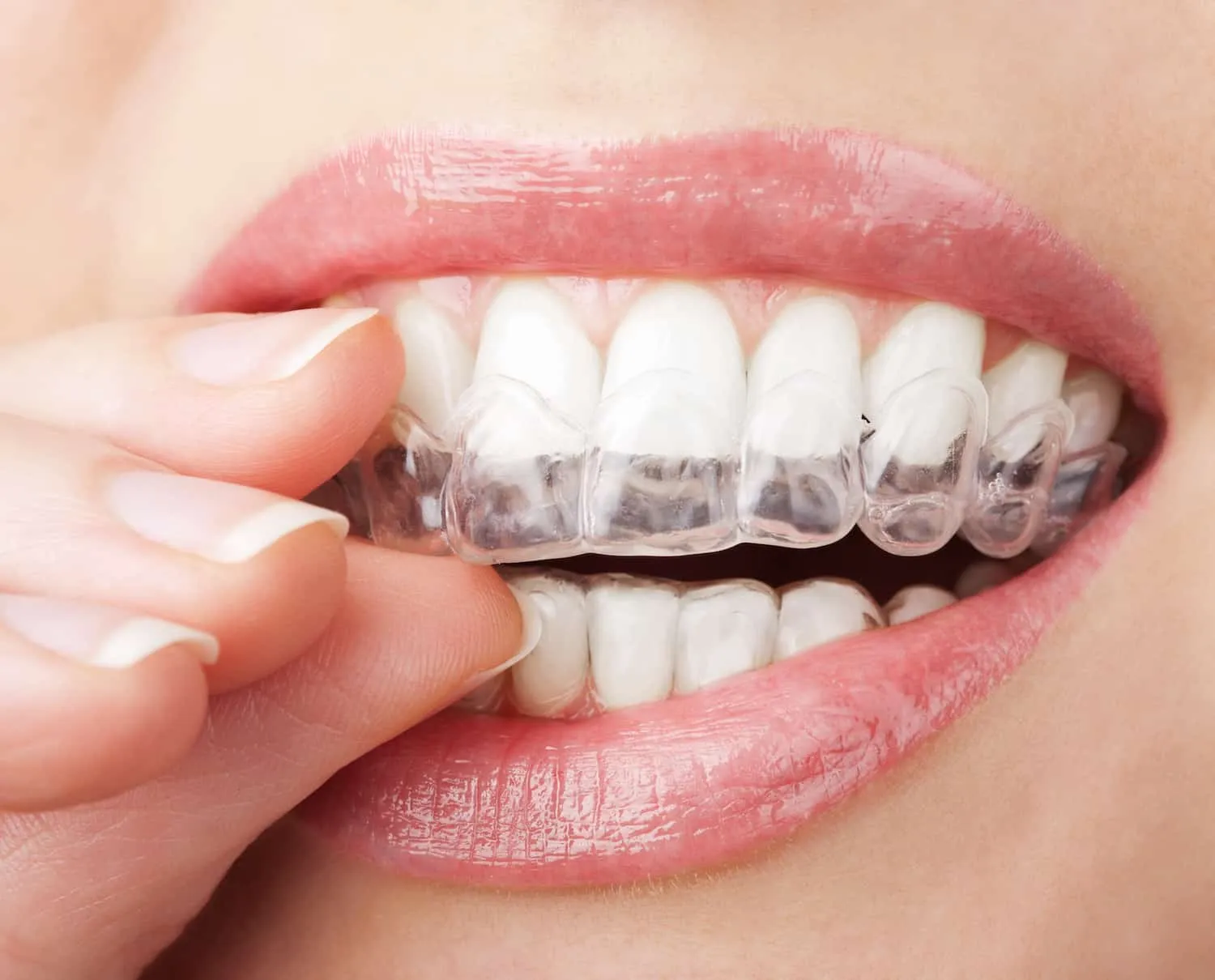
Several factors can contribute to teeth sensitivity during and after teeth whitening. One primary cause is the thinning of enamel, the protective outer layer of your teeth. When the enamel is compromised, the dentin, which contains the sensitive nerve endings, becomes more exposed. Another factor is the use of high concentrations of whitening agents. Stronger solutions can cause more significant irritation. Pre-existing conditions, such as receding gums or small cracks in the teeth, can also heighten sensitivity. Additionally, the use of whitening trays that don’t fit properly can lead to the whitening agent leaking onto the gums, causing inflammation and discomfort. Recognizing these causes helps you take proactive steps to minimize pain and discomfort.
The Role of Hydrogen Peroxide

Hydrogen peroxide is a key ingredient in many teeth whitening products. It works by breaking down stains into smaller, less noticeable particles. However, the same oxidizing properties that make it effective at whitening can also cause sensitivity. As hydrogen peroxide penetrates the enamel, it can irritate the nerves within the teeth. The higher the concentration of hydrogen peroxide, the greater the potential for sensitivity. Professional whitening treatments often use higher concentrations than at-home kits, which is why sensitivity is more common after a dentist’s procedure. Understanding the role of hydrogen peroxide helps you make informed decisions about whitening options and pain management strategies.
Other Whitening Agents and Sensitivity
While hydrogen peroxide is the most common whitening agent, other ingredients can also contribute to sensitivity. Carbamide peroxide, which breaks down into hydrogen peroxide, has similar effects. Some products might also contain abrasives to help remove surface stains, but these can potentially wear down enamel over time, increasing sensitivity. The concentration of these agents and the frequency of their use are critical factors. Always carefully read product labels and follow the instructions provided by your dentist or the product manufacturer. If sensitivity occurs, it is crucial to adjust the frequency of treatment or switch to a less potent product to avoid further discomfort and potential damage to your teeth.
Top 5 Secrets for Teeth Whitening Pain Relief
Dealing with teeth whitening pain doesn’t have to be a miserable experience. By implementing the following strategies, you can significantly reduce discomfort and enjoy a brighter, whiter smile. These secrets are designed to provide relief before, during, and after whitening, ensuring a more pleasant experience and minimizing potential issues. Remember to consult your dentist for personalized advice and to ensure these methods are suitable for your specific needs and oral health condition.
Secret 1 Use Sensitive Toothpaste Before Whitening

One of the most effective ways to prepare your teeth for whitening and minimize sensitivity is to use sensitive toothpaste for a few weeks before starting the process. Sensitive toothpastes contain ingredients like potassium nitrate, which help block the tubules in your dentin, reducing the ability of irritants to reach the nerve endings. This proactive step helps desensitize your teeth, making them less prone to pain during whitening. By incorporating sensitive toothpaste into your daily oral hygiene routine, you can significantly enhance your comfort level and reduce potential discomfort. This method is simple yet highly effective.
How Sensitive Toothpaste Works
Sensitive toothpaste works by creating a barrier that protects the nerve endings in your teeth. Potassium nitrate, a common ingredient, works by blocking the pathways that transmit pain signals. It effectively seals the dentin tubules, reducing the flow of fluids that cause sensitivity. Regular use of sensitive toothpaste builds up this protective layer, providing ongoing relief and comfort. Look for toothpastes specifically designed for sensitivity, and follow the directions on the packaging to ensure optimal results. This method provides an essential foundation for a comfortable whitening experience.
When to Start Using Sensitive Toothpaste
To get the maximum benefit from sensitive toothpaste, start using it at least two weeks before you plan to begin your teeth whitening treatment. This gives the toothpaste enough time to build up its protective effect. Continue using sensitive toothpaste throughout the whitening process and for a few weeks afterward to maintain the reduced sensitivity. This continuous use helps your teeth stay less vulnerable to the whitening agents. Consistency is key; using sensitive toothpaste regularly will provide the best results in terms of managing pain and ensuring comfort.
Secret 2 Apply Fluoride Treatments

Fluoride strengthens tooth enamel and can significantly reduce sensitivity. By remineralizing the enamel, fluoride makes your teeth more resistant to the effects of whitening agents. Fluoride treatments are a powerful tool in your arsenal for teeth whitening pain relief. There are several ways to incorporate fluoride into your routine, from over-the-counter products to professional treatments. Consult with your dentist to determine the best approach for your specific needs.
Benefits of Fluoride for Teeth
Fluoride offers several crucial benefits for your teeth. It strengthens enamel, making it less susceptible to acid erosion and other damage. Fluoride also helps remineralize the teeth, rebuilding weakened areas and sealing dentin tubules. This process reduces sensitivity by blocking pathways to the nerves. Furthermore, fluoride can help prevent tooth decay by making teeth more resistant to plaque and bacteria. Regular use of fluoride, whether through toothpaste, mouthwash, or professional treatments, plays a vital role in overall oral health and is particularly beneficial during teeth whitening.
Types of Fluoride Treatments
There are several types of fluoride treatments available. Fluoride toothpaste is a convenient option for daily use, providing low-level fluoride exposure. Fluoride mouthwashes offer additional protection by reaching areas that brushing might miss. For more intense treatment, your dentist may apply a professional fluoride varnish or gel. These treatments contain a higher concentration of fluoride and provide a more substantial protective effect. In some cases, your dentist might recommend prescription-strength fluoride products. The type of treatment that best suits your needs will depend on your oral health and the level of sensitivity you experience.
Secret 3 Avoid Certain Foods and Drinks

Certain foods and drinks can exacerbate teeth sensitivity, especially after whitening. These items can irritate your teeth and increase discomfort. Avoiding these triggers can significantly aid in your pain relief. You should be particularly careful in the first few days after whitening, when your teeth are most vulnerable. Making informed choices about your diet can drastically improve your comfort level.
Foods to Avoid
Several foods should be avoided or minimized to reduce sensitivity after teeth whitening. Highly acidic foods, such as citrus fruits (lemons, oranges, grapefruits), tomatoes, and pickles, can erode enamel and increase sensitivity. Sugary foods can also contribute to discomfort, as they feed bacteria that produce acids. Hard foods like ice, raw vegetables, and crunchy snacks can cause micro-cracks and increase sensitivity. It’s best to stick to a bland diet consisting of soft, non-acidic, and non-sugary foods to give your teeth a chance to recover.
Drinks to Avoid
Certain drinks can trigger sensitivity and should be avoided or consumed in moderation. Coffee and tea contain tannins that can stain teeth and also make them more sensitive. Carbonated beverages, including soda and sparkling water, are highly acidic and can damage enamel. Alcoholic beverages can also contribute to dehydration, which can worsen sensitivity. Instead, choose water, milk, or other non-acidic beverages to hydrate and protect your teeth. Staying hydrated is also essential for maintaining overall oral health and reducing sensitivity.
Secret 4 Use Over-the-Counter Pain Relief

Over-the-counter pain relievers can provide temporary relief from teeth whitening pain. These medications can help manage discomfort and allow you to continue with your whitening process. However, it’s essential to use them responsibly and not as a long-term solution. Always consult your dentist before using any medication, especially if you have other medical conditions or are taking other medications.
Types of Pain Relievers
Several types of over-the-counter pain relievers can help ease teeth whitening pain. Nonsteroidal anti-inflammatory drugs (NSAIDs), such as ibuprofen (Advil, Motrin) and naproxen (Aleve), can reduce inflammation and pain. Acetaminophen (Tylenol) is another option, though it doesn’t have anti-inflammatory properties. Topical anesthetics, such as benzocaine, can also provide temporary relief when applied directly to the affected areas. The best choice will depend on your individual needs and tolerance. Always follow the instructions on the label and do not exceed the recommended dosage.
When to Take Pain Relievers
Take pain relievers as directed on the product label. You can take them before or during your teeth whitening treatment if you anticipate pain. If you experience sensitivity after whitening, take pain relievers as soon as you feel discomfort. It’s generally best to avoid taking pain relievers for an extended period. If the pain is severe or persistent, consult your dentist immediately to rule out any other underlying issues. They can provide more specific advice and potentially prescribe stronger pain relief or recommend alternative treatments.
Secret 5 Consult Your Dentist

The best way to manage teeth whitening pain is to consult your dentist. They can assess your oral health and recommend the most appropriate whitening options and pain relief strategies. Your dentist can also identify any underlying dental problems that might be contributing to the sensitivity. They can offer professional treatments and customized advice. Professional dental care is essential for ensuring a safe and comfortable teeth whitening experience.
Professional Whitening Options
Your dentist can offer professional teeth whitening treatments that may be more effective and provide more control over sensitivity. These treatments often involve higher concentrations of whitening agents, but they can be carefully monitored to minimize discomfort. Your dentist can also provide custom-fitted trays, which reduce the risk of the whitening agent irritating your gums and causing pain. Professional whitening can also include in-office treatments, where the dentist applies the whitening solution and uses special lights to accelerate the process. These options provide more targeted and controlled whitening while minimizing sensitivity risks.
What to Expect During a Dentist Visit
During a visit to your dentist, you can expect a thorough examination of your teeth and gums. The dentist will check for any existing dental problems, such as cavities, cracks, or gum disease, which could increase your sensitivity. They will discuss your whitening goals and options, including at-home and in-office treatments. The dentist may recommend a professional cleaning to remove surface stains and plaque. They can also provide custom-fitted trays for at-home whitening. If you opt for an in-office treatment, the dentist will apply a whitening solution and use special lights to activate the process. Your dentist can also provide advice on pain management, including sensitive toothpaste, fluoride treatments, and over-the-counter pain relievers. Regular check-ups and guidance from your dentist are essential for a successful and comfortable teeth whitening experience.
Long-Term Teeth Whitening Pain Management
Managing teeth whitening pain is not just about what you do during the process, but also about building habits that support long-term oral health. Regular dental check-ups and cleanings are essential for maintaining healthy teeth and gums. Proper oral hygiene practices, including brushing twice a day with fluoride toothpaste and flossing daily, will help keep your teeth healthy and minimize sensitivity. Avoiding sugary and acidic foods and drinks can further protect your enamel. Considering these long-term strategies helps you enjoy the benefits of teeth whitening with minimal discomfort and ensures a lasting, beautiful smile.