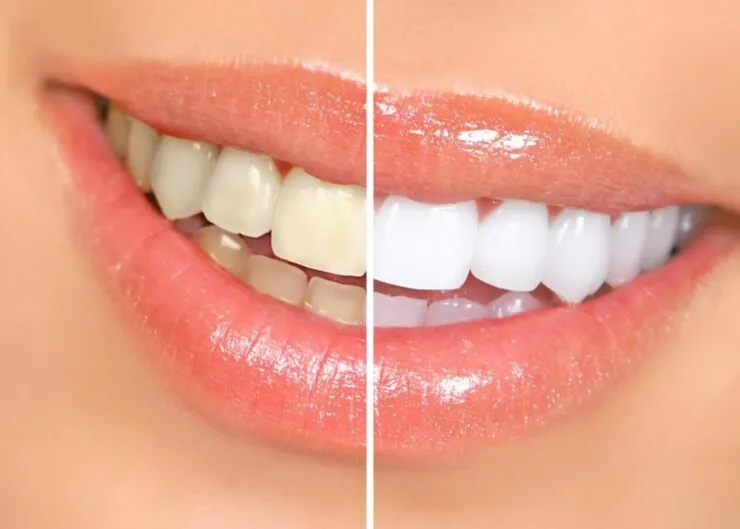
Understanding Teeth Whitening
Teeth whitening has become increasingly popular, offering a brighter, more confident smile. However, the process isn’t always a walk in the park, and many people experience some level of discomfort. Understanding the basics of teeth whitening is the first step in addressing the question should teeth whitening hurt. The process generally involves applying a bleaching agent, usually containing hydrogen peroxide or carbamide peroxide, to the teeth. This agent penetrates the enamel and dentin, breaking down stain molecules and lightening the tooth’s color. There are various methods, including professional treatments performed by dentists and at-home kits. Each method comes with its own set of potential side effects, including sensitivity and, in some cases, pain.
What Causes Teeth Whitening Pain
The primary cause of pain associated with teeth whitening is tooth sensitivity. This sensitivity arises because the bleaching agents can penetrate the enamel and reach the dentin, the layer beneath the enamel that contains tiny tubules. These tubules lead to the pulp of the tooth, where the nerves reside. When the bleaching agent irritates these nerves, it can cause sensitivity, ranging from mild discomfort to sharp, shooting pains. The intensity of the pain depends on several factors, including the concentration of the bleaching agent, the duration of its application, and the individual’s existing dental condition. Pre-existing dental issues like cavities, cracks, or receding gums can significantly increase the likelihood and severity of pain during teeth whitening.
Sensitivity from Whitening [Causes]

Sensitivity from teeth whitening is multifaceted, stemming from a combination of factors. The most common cause is the chemical irritation of the tooth’s nerves. Bleaching agents, particularly hydrogen peroxide, can inflame the nerve endings within the teeth. The concentration of the whitening agent plays a crucial role; higher concentrations generally lead to greater sensitivity. The duration of the treatment also impacts sensitivity, with longer exposure times increasing the risk of pain. Other factors like the porosity of the enamel and the thickness of the dentin can influence how much of the bleaching agent reaches the nerves. Furthermore, individuals with naturally sensitive teeth or those with pre-existing dental conditions like cavities or gum recession are more prone to experiencing pain during the whitening process.
Chemical Sensitivity [Explained]
Chemical sensitivity in teeth whitening is a direct result of the bleaching agents interacting with the tooth’s structure and the surrounding tissues. Hydrogen peroxide, the primary active ingredient in many whitening products, is a strong oxidizing agent. When it comes into contact with the teeth, it breaks down stain molecules, but it can also penetrate the enamel and reach the dentin. This can irritate the nerve endings and cause sensitivity. The level of irritation depends on the concentration of the peroxide and the duration of exposure. Some individuals may experience mild discomfort, while others may suffer from intense, shooting pains. The process also affects the tooth’s hydration, which can further exacerbate sensitivity. Products with higher concentrations of peroxide, like those often used in professional treatments, tend to cause more pronounced chemical sensitivity compared to lower-concentration at-home kits.
Dehydration Effects on Sensitivity
Dehydration plays a significant role in exacerbating teeth sensitivity during the whitening process. The bleaching agents used in whitening treatments can cause the teeth to lose moisture, leading to dehydration. This dehydration can make the teeth more porous and increase the exposure of the dentin tubules, intensifying sensitivity. When the teeth become dehydrated, the nerve endings within the teeth become more susceptible to irritation. This can result in heightened pain when exposed to hot or cold temperatures or other stimuli. Staying adequately hydrated before, during, and after the whitening process can help mitigate the effects of dehydration and reduce sensitivity. Drinking plenty of water helps to maintain the natural moisture balance in the teeth, reducing the likelihood of discomfort.
Teeth Whitening Products & Pain

The type of teeth whitening product used significantly influences the potential for pain. Products vary in their active ingredients, concentrations, and delivery methods, each affecting the likelihood of sensitivity. Professional treatments, typically administered by dentists, often use higher concentrations of hydrogen peroxide, leading to faster results but also a greater risk of sensitivity. At-home kits, such as whitening strips, gels, and trays, generally contain lower concentrations of the bleaching agent, making them gentler on the teeth but requiring more time to achieve the desired results. Toothpastes and mouthwashes designed for whitening often contain milder ingredients, like carbamide peroxide, and are less likely to cause significant pain. The way the product is applied, such as through custom-fitted trays or pre-filled strips, can also impact the level of discomfort. Choosing the right product depends on individual needs, sensitivity levels, and desired outcomes.
Professional Whitening [Pain Factors]
Professional teeth whitening, performed by a dentist, offers rapid results but often involves a higher risk of pain. The primary factor contributing to pain in professional whitening is the use of higher concentrations of hydrogen peroxide. Dentists use these stronger solutions to achieve dramatic whitening effects in a single visit. The application process typically involves isolating the gums and applying the whitening agent directly to the teeth. While dentists take precautions to protect the gums and soft tissues, the higher concentration can still lead to increased tooth sensitivity. The use of specialized lights or lasers to activate the whitening agent can also amplify the potential for discomfort. Furthermore, pre-existing dental conditions, such as tiny cracks or areas of enamel erosion, can make teeth more vulnerable to sensitivity during professional treatments. The dentist will often apply a fluoride treatment after whitening to reduce sensitivity.
At-Home Whitening Kits [Sensitivity]
At-home teeth whitening kits, while generally less likely to cause pain than professional treatments, can still lead to sensitivity. These kits typically contain lower concentrations of hydrogen peroxide or carbamide peroxide, making them gentler on the teeth. However, the longer application times often associated with at-home kits can still lead to some level of discomfort. Common types of at-home kits include whitening strips, trays, and gels. Whitening strips, for example, apply a thin layer of the whitening agent directly to the teeth. Trays, often custom-fitted, ensure even coverage and reduce the risk of the agent coming into contact with the gums, but incorrect use can still cause sensitivity. The frequency of use and adherence to the product instructions are crucial in minimizing pain. It’s essential to follow the manufacturer’s guidelines, avoid overuse, and be mindful of any pre-existing sensitivity issues.
Tips to Minimize Teeth Whitening Pain

Several strategies can help minimize teeth whitening pain and discomfort. Choosing a lower concentration whitening product can reduce sensitivity, especially when using at-home kits. Consider using a desensitizing toothpaste containing potassium nitrate or fluoride for two weeks before and during whitening. This helps block the tubules in the dentin, reducing nerve sensitivity. Applying the whitening agent correctly is crucial; avoid getting the product on your gums, as this can lead to irritation. Limiting the duration of the whitening treatment can also reduce the likelihood of pain. Taking breaks between whitening sessions allows the teeth to recover. Staying hydrated is essential, as dehydration can exacerbate sensitivity. Avoid consuming highly acidic foods and beverages, as these can further irritate sensitive teeth. Consulting with a dentist before starting any whitening regimen is also beneficial, as they can assess your oral health and recommend the most suitable approach.
Choose the Right Whitening Method
Selecting the right teeth whitening method is critical to minimizing the potential for pain. Consider your existing sensitivity levels and dental health when choosing a whitening approach. If you have sensitive teeth, start with a lower-concentration product, such as an at-home kit with a lower percentage of hydrogen peroxide or carbamide peroxide. Consult your dentist to determine the most suitable option for your specific needs. They can recommend a professional treatment if you desire faster results or have complex staining issues. However, be aware that professional treatments typically involve higher concentrations and can lead to increased sensitivity. Explore alternative options like whitening toothpastes and mouthwashes, which are generally milder. It’s crucial to balance the desired level of whitening with your tolerance for potential discomfort and to carefully evaluate all available options.
Proper Application Techniques
Using the correct application techniques is essential to reduce teeth whitening pain. Whether you’re using at-home kits or undergoing professional treatment, proper application can minimize discomfort. When using whitening strips, ensure they are applied evenly and that they don’t overlap onto your gums, which can lead to irritation. For tray-based systems, make sure the tray fits snugly but doesn’t overflow, preventing the whitening agent from coming into contact with soft tissues. Follow the instructions provided with the product carefully, paying close attention to the application time and frequency. If you experience sensitivity, reduce the application time or skip a treatment. If you are undergoing a professional whitening treatment, your dentist will take precautions to protect your gums with a barrier. Make sure to communicate any discomfort or pain you experience to your dentist or dental professional promptly.
Desensitizing Toothpaste [Guide]

Desensitizing toothpaste can be a valuable tool in managing teeth whitening pain and sensitivity. These toothpastes typically contain active ingredients like potassium nitrate or stannous fluoride, which help block the tubules in the dentin, reducing nerve sensitivity. The key is to start using the desensitizing toothpaste a few weeks before starting your teeth whitening treatment. This allows the active ingredients to build up and create a protective barrier for your teeth. Continue using the toothpaste throughout the whitening process and afterward to maintain the protective effect. When brushing, be sure to use a soft-bristled toothbrush and apply gentle pressure. Avoid aggressive brushing, which can further irritate sensitive teeth. For best results, brush your teeth with desensitizing toothpaste twice a day, following the instructions on the product packaging. Consult with your dentist for recommendations on the most effective desensitizing toothpaste for your needs.
Post-Whitening Care [Reduce Pain]
Proper post-whitening care is crucial for reducing pain and maintaining the results of your teeth whitening treatment. After whitening, your teeth may be more sensitive, so it’s essential to take extra precautions. Avoid consuming highly acidic foods and beverages, like citrus fruits, sodas, and vinegar-based dressings, as these can irritate sensitive teeth. Stick to a soft diet for the first few days, choosing foods that are gentle on your teeth. Continue using desensitizing toothpaste to help reduce any residual sensitivity. Maintain good oral hygiene by brushing your teeth gently with a soft-bristled toothbrush and flossing regularly. Consider using a fluoride rinse to strengthen your enamel and further reduce sensitivity. Schedule regular dental checkups to monitor your oral health and address any issues. If you experience significant pain or discomfort, consult your dentist immediately to get advice.
When to See a Dentist
While some level of sensitivity is common during teeth whitening, it’s important to know when to seek professional dental care. If you experience severe or prolonged pain that doesn’t subside within a few days, it’s time to see your dentist. Other warning signs include sharp, shooting pains, pain that interferes with your daily activities, or any unusual changes in your teeth or gums. Your dentist can assess your oral health, identify any underlying dental issues contributing to the pain, and recommend appropriate treatment. They may suggest adjusting your whitening regimen, prescribing desensitizing agents, or addressing any pre-existing dental problems such as cavities or gum disease. Regular dental checkups before and after teeth whitening are also important. They help to ensure that your oral health is in good condition and that you are taking the proper steps to minimize any potential pain or discomfort.
Severe Pain [Warning Signs]

Recognizing the warning signs of severe pain during teeth whitening is essential for protecting your oral health. While mild sensitivity is common, certain symptoms warrant immediate attention from a dentist. If you experience intense, shooting pain that lasts for more than a few days, it indicates a potential issue that requires professional evaluation. Pain that interferes with your ability to eat, drink, or speak is also a red flag. Other warning signs include pain accompanied by swelling, redness, or bleeding in the gums. If you notice any unusual changes in your teeth, such as new spots, cracks, or increased sensitivity to temperature changes, seek dental care immediately. These symptoms could be a sign of an underlying dental problem or an adverse reaction to the whitening treatment. Ignoring these warning signs could lead to more serious complications, so prompt action is crucial.
Alternative Whitening Options
If you’re concerned about the potential for pain from teeth whitening, there are alternative options to explore. Consider whitening toothpastes and mouthwashes, which contain milder bleaching agents or polishing agents and are less likely to cause significant sensitivity. While they may not provide the same dramatic results as professional treatments, they can gradually lighten your teeth over time. Another option is to discuss other cosmetic dental procedures with your dentist. These include dental veneers or bonding, which can cover the stained surfaces of your teeth. These procedures are pain-free and can give you a brighter smile. Regular dental cleanings can also help remove surface stains and improve the overall appearance of your teeth. It’s essential to discuss the pros and cons of each option with your dentist to determine the best approach for your individual needs and preferences.
In conclusion, the question of whether teeth whitening hurts depends on a variety of factors, including the method used, the concentration of the bleaching agent, and your individual sensitivity levels. While some discomfort is common, it’s usually manageable with proper precautions. Understanding the causes of pain, choosing the right products, and following application instructions can help you achieve a brighter smile with minimal discomfort. Always consult with your dentist before starting any whitening treatment, and seek professional help if you experience severe or prolonged pain. With the right approach, you can enjoy the benefits of teeth whitening while minimizing the potential for pain.