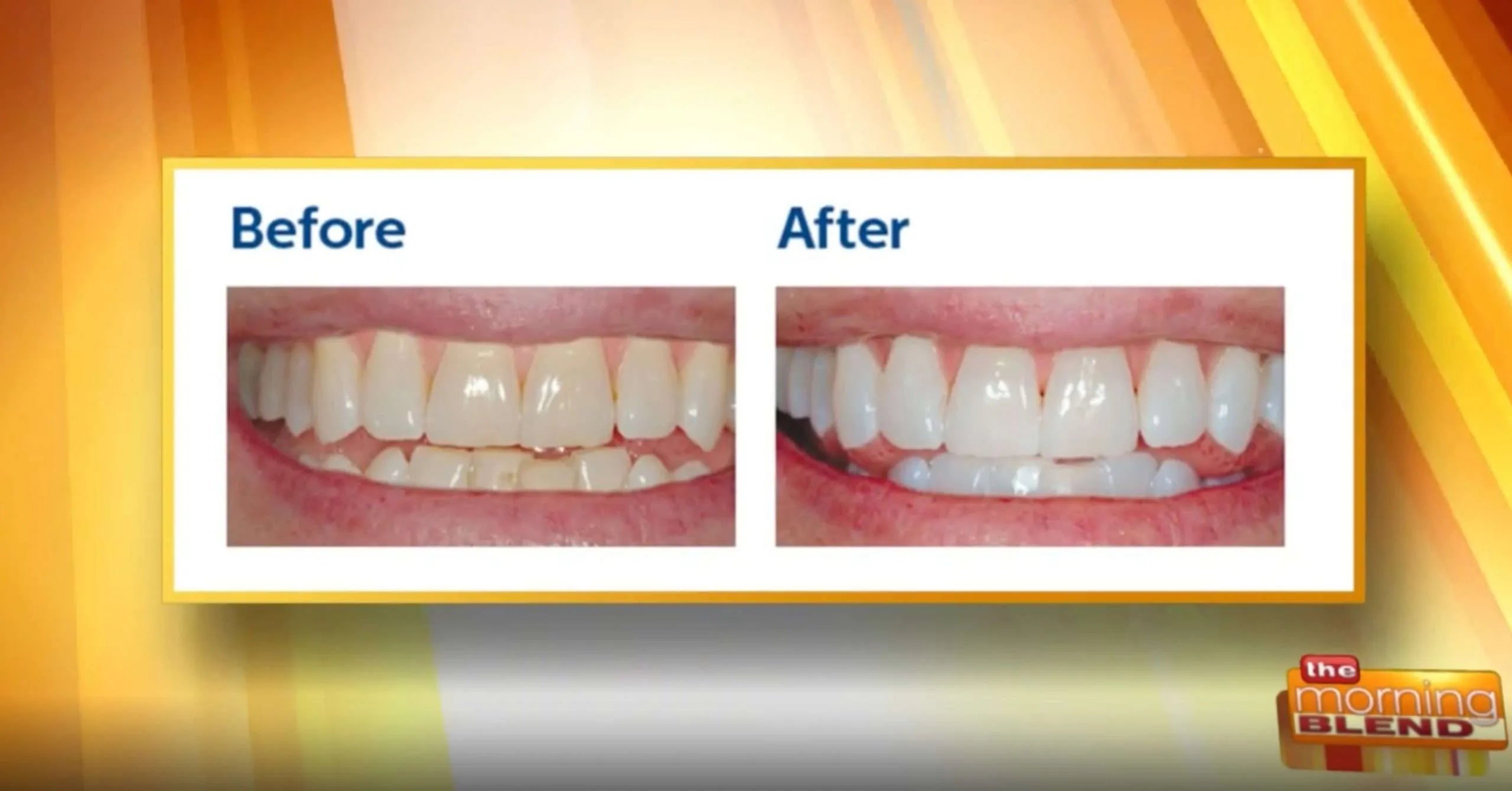
Understanding Teeth Whitening Over 60
Teeth whitening, also known as teeth bleaching, is a popular cosmetic dental procedure that aims to lighten the color of your teeth. The process involves removing stains and discoloration, leading to a brighter, more youthful smile. This treatment is not just for aesthetics, it can significantly boost your self-esteem and overall well-being. For individuals over 60, teeth whitening takes on a unique importance, as age-related changes and accumulated stains can affect the appearance and health of their teeth. Understanding the specific considerations and benefits of teeth whitening for this age group is key to making informed decisions about dental care.
Why Teeth Whitening is Important for Over 60
As we age, our teeth naturally undergo several changes that can lead to discoloration. These changes, coupled with lifestyle factors, make teeth whitening a valuable procedure for those over 60. Whitening can restore a brighter, more vibrant smile, which contributes to a more youthful appearance and improved self-confidence. Moreover, a brighter smile can encourage better oral hygiene practices, contributing to overall dental health. Investing in teeth whitening can be a proactive step towards maintaining both the aesthetic and functional aspects of oral health, allowing individuals over 60 to enjoy a healthier, more confident lifestyle. The goal is to improve the quality of life.
The Impact of Age on Teeth

Aging brings about several changes in the structure and appearance of our teeth. The enamel, the hard outer layer of the tooth, thins over time, revealing the underlying yellowish dentin. This natural thinning makes teeth appear darker. Furthermore, the dentin itself yellows with age. The cumulative effect of these changes results in teeth that are more prone to staining and discoloration. Regular wear and tear, coupled with a lifetime of consuming staining foods and beverages, also contribute to the darkening of teeth. Understanding these age-related changes is the first step in addressing the need for teeth whitening over 60, highlighting the necessity of a tailored approach to achieve the best results.
The Staining Factors on Over 60 Teeth
Several factors contribute to teeth staining, particularly as we age. Lifestyle choices, such as smoking and the consumption of staining foods and drinks (coffee, tea, red wine, and certain berries), play a significant role. Certain medications and medical conditions can also lead to discoloration. Additionally, the cumulative effect of years of wear and tear on the teeth can make them more susceptible to staining. For individuals over 60, these factors often combine, leading to more pronounced staining. Effective teeth whitening strategies must consider these various staining agents to achieve desired results. Addressing these factors is crucial for developing a comprehensive plan to brighten the smile and enhance overall oral health.
Top 5 Benefits of Teeth Whitening Over 60
Enhanced Self-Esteem and Confidence

A brighter smile can significantly boost self-esteem and confidence at any age, but it can be especially impactful for individuals over 60. A youthful and healthy smile can make you feel better about yourself, positively affecting social interactions and overall quality of life. As we age, maintaining a positive self-image becomes increasingly important, and a brighter smile can provide a much-needed confidence boost. The psychological benefits of teeth whitening are often underestimated but can be profound, leading to increased social engagement and a more positive outlook on life. It is a journey, not a destination.
Improved Oral Health
Teeth whitening can indirectly contribute to better oral health. The desire to maintain a brighter smile often motivates individuals to adopt more diligent oral hygiene practices. This includes regular brushing, flossing, and dental check-ups. Moreover, a healthy smile is often an indicator of overall health. By addressing staining and discoloration, teeth whitening can encourage individuals to take better care of their teeth, leading to improved gum health, reduced risk of cavities, and overall better oral hygiene. Proper oral hygiene practices are very important as we age.
A More Youthful Appearance
A bright, white smile can make you look younger, which can be very beneficial for individuals over 60. It can soften the appearance of wrinkles, and enhance your overall facial aesthetics. A radiant smile can project vitality and energy, making a person feel more youthful and vibrant. The rejuvenating effect of teeth whitening can have a significant impact on self-perception and social interactions. This contributes to a more positive self-image. Teeth whitening can be a key component in maintaining a youthful appearance. The goal is to look younger, and to feel younger.
Increased Social Interactions

A confident smile can enhance social interactions, encouraging individuals to engage more actively in social situations. For those over 60, staying socially active is crucial for maintaining emotional well-being and cognitive health. A brighter smile makes you more approachable, and can improve the quality of your relationships. It can facilitate conversations, build connections, and create more positive experiences. The positive impact on social interactions can lead to a more fulfilling and enjoyable life, fostering a sense of belonging and connection. You will feel much better in social situations.
Better Overall Well-being
The cumulative effect of improved self-esteem, enhanced oral health, a more youthful appearance, and increased social interactions can contribute to better overall well-being. Teeth whitening can be a catalyst for positive changes in various aspects of life, leading to a healthier and more fulfilling lifestyle. The positive impact extends beyond aesthetics, impacting physical, emotional, and social health. Prioritizing teeth whitening can be a step towards a more holistic approach to wellness, promoting a happier, healthier, and more vibrant life. This is the ultimate goal of teeth whitening.
Choosing the Right Teeth Whitening Method
Selecting the best teeth whitening method depends on individual needs, budget, and dental health. A dentist can provide the best guidance. There are several options available, ranging from professional in-office treatments to at-home solutions. Consulting a dentist is essential to determine the most appropriate and safe option. Considering the individual’s specific needs and circumstances is paramount in achieving the best results and maintaining long-term oral health. Each method comes with its own set of advantages, disadvantages, and potential risks. Understanding these differences will help to make an informed decision.
Professional Teeth Whitening Options

Professional teeth whitening offers the most effective and fastest results. This method is usually performed by a dentist. It is generally considered the safest option, as it is done under the supervision of a dental professional. The main advantage of professional teeth whitening is the strength of the whitening agents used. They are typically more potent than those available over the counter, resulting in significant lightening of the teeth. There are two main professional options, in-office whitening and take-home whitening kits. The choice depends on the individual’s preference and the dentist’s recommendation.
In-Office Whitening
In-office teeth whitening is the fastest and most effective way to whiten teeth. The entire procedure can be completed in a single dental visit. A high-concentration bleaching agent is applied to the teeth, and often, a special light or laser is used to enhance the whitening process. The dentist carefully monitors the process to ensure safety and effectiveness. This option is ideal for those seeking immediate results and is the most reliable option. This method can whiten teeth several shades in a short period. After the procedure, the dentist provides post-whitening instructions to maintain the results.
Take-Home Whitening Kits
Take-home whitening kits, provided by a dentist, offer a more flexible option. These kits typically include custom-fitted trays and a bleaching gel. The dentist will take impressions of your teeth to create custom trays. You then wear the trays with the whitening gel for a specified amount of time each day or night, as directed by your dentist. These kits are more convenient than in-office treatments. The results are gradual. They are less expensive than in-office procedures. This allows individuals to whiten their teeth in the comfort of their homes while still under professional guidance.
At-Home Teeth Whitening Methods

At-home teeth whitening methods are readily available and provide a more affordable option. These methods include whitening toothpastes, rinses, and over-the-counter whitening strips. While these products are generally less potent than professional treatments, they can still deliver noticeable results, particularly for mild staining. It is very important to consult with a dentist before starting any at-home whitening treatment. The best results will be from a dentist. Always follow the instructions carefully to avoid any adverse effects. Keep in mind, results will vary.
Whitening Toothpastes and Rinses
Whitening toothpastes and rinses contain mild abrasive agents or chemical components that help remove surface stains. They are readily available and easy to incorporate into your daily oral hygiene routine. These products can effectively remove surface stains. Regular use can help maintain the brightness of your teeth. However, they are not as effective at changing the intrinsic color of your teeth. It’s important to select products that are ADA-approved and to use them as directed. Whitening toothpastes are not a substitute for professional whitening treatments.
Over-the-Counter Whitening Strips
Whitening strips are thin, flexible strips coated with a hydrogen peroxide-based whitening agent. They are applied directly to the teeth. They are a popular at-home whitening option because they are relatively affordable and easy to use. They are more effective than whitening toothpastes and rinses. Following the manufacturer’s instructions is very important. The results can vary depending on the severity of the stains. They may not be as effective for individuals with severe discoloration. They may not be suitable for those with sensitive teeth. The strips can be a good option for mild to moderate staining.
Important Considerations and Safety
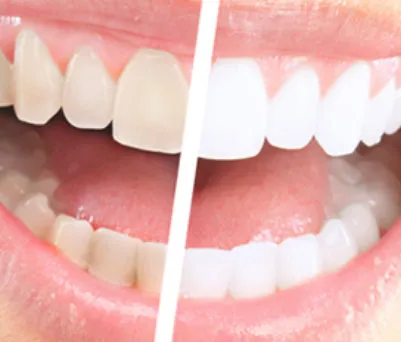
Safety is very important when considering teeth whitening, especially for individuals over 60. It is vital to consult with a dentist before starting any whitening treatment. This is important to ensure that it is a safe and appropriate option for your specific dental condition. Dentists will assess your teeth and gums. They will also advise you on potential risks and the most suitable methods. They will also make sure you understand potential side effects and how to manage them. Prioritizing safety ensures the best outcomes and minimizes the risk of complications.
Consulting with a Dentist
A consultation with a dentist is the most important step before undergoing teeth whitening. Your dentist can assess the health of your teeth and gums, identify any existing dental issues (cavities, gum disease, etc.), and determine the cause of the discoloration. They will also advise you on the most appropriate whitening method based on your dental condition. They can help you manage any potential side effects and provide guidance on aftercare. Your dentist can also discuss expectations, and ensure a safe and effective whitening experience. This is the only way to know.
Potential Side Effects
Teeth whitening can cause some temporary side effects. The most common is tooth sensitivity, which usually subsides within a few days of treatment. Gum irritation is also a possibility, especially if the whitening agent comes into contact with gum tissue. The side effects are usually mild and temporary. Your dentist can provide advice on how to manage any side effects and recommend desensitizing toothpastes or other remedies. It is very important to follow your dentist’s instructions. Proper technique, combined with professional guidance, can help to minimize the risk and severity of side effects.
Maintenance and Aftercare
Maintaining your white smile after teeth whitening requires consistent care and attention. Following the dentist’s post-treatment instructions is vital. This often involves avoiding staining foods and beverages (coffee, tea, red wine, etc.) for a period of time. Regular brushing and flossing are very important to maintain the results. Regular dental check-ups and cleanings are also essential to preserve your bright smile. Proper maintenance not only prolongs the effects of teeth whitening but also contributes to your overall oral health. Continuing to practice good oral hygiene habits will provide the best outcomes.
Maintaining Your White Smile
To keep your teeth white and bright, you will need to adopt good oral hygiene habits. Brush your teeth twice a day, and floss at least once. Limit your intake of staining foods and drinks. Consider using a whitening toothpaste or rinse to maintain the results. Avoid smoking and other tobacco products. Schedule regular dental check-ups and cleanings to remove surface stains. Consider touch-up treatments to keep your teeth bright. By following these guidelines, you can maintain your beautiful smile and ensure lasting benefits from your teeth whitening treatment. The goal is a lasting bright smile.