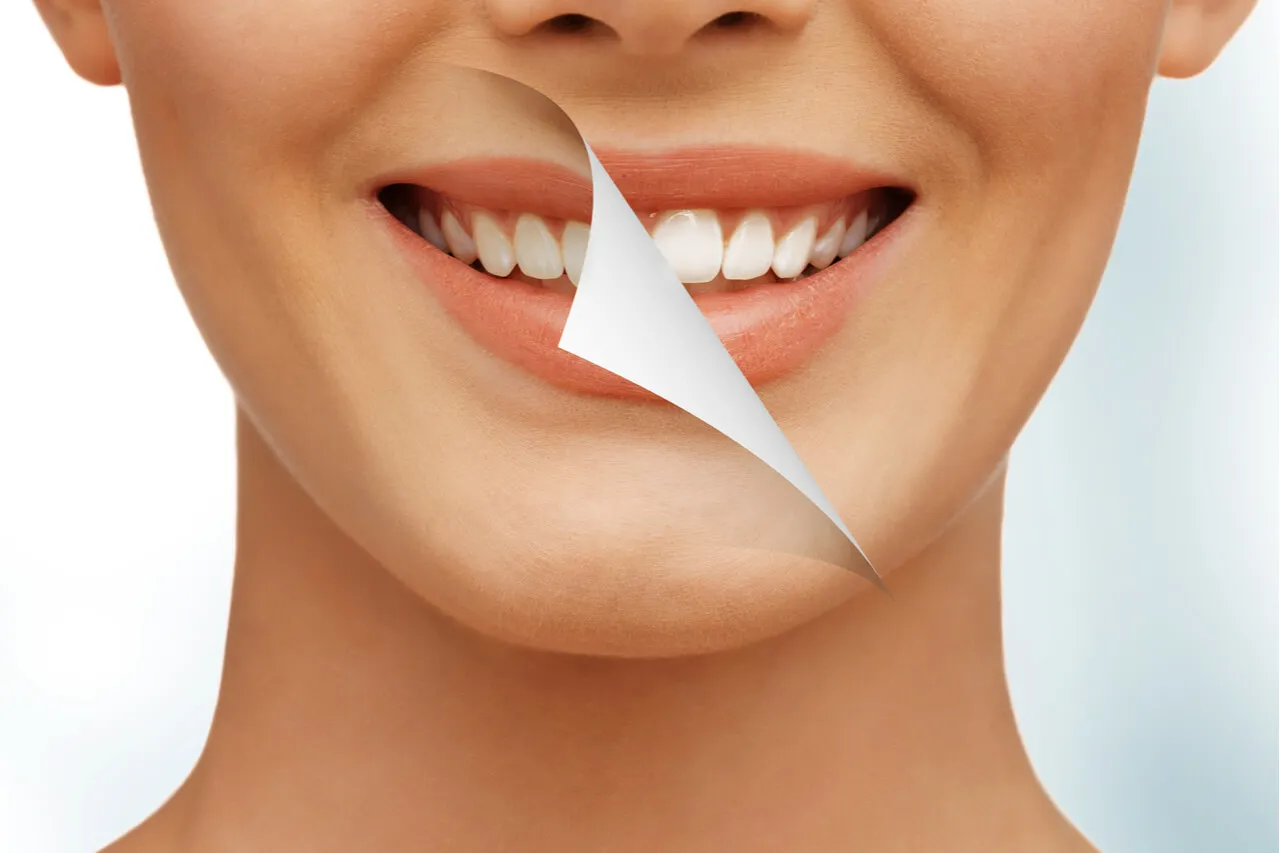
Why Did Teeth Whitening Turn My Gums White?
Teeth whitening has become a popular cosmetic procedure, promising brighter smiles. However, sometimes, the results are not as desired, with the unexpected side effect of gums turning white. This can be alarming, and understanding the underlying causes is crucial. When teeth whitening turns gums white, it’s a sign that something has gone wrong, often indicating the soft tissues are reacting negatively to the bleaching agents. This article explores the common reasons behind this phenomenon, providing insights into what causes gums to turn white after teeth whitening and, most importantly, how to address it effectively.
The Science Behind Whitening Products
Understanding the science behind teeth whitening products is the first step in comprehending why gums might turn white. Most whitening treatments use bleaching agents, typically hydrogen peroxide or carbamide peroxide. These chemicals work by breaking down stain molecules on the teeth’s enamel. The active ingredients penetrate the enamel, reacting with the discolored compounds and oxidizing them, which effectively removes the stains and lightens the teeth. The concentration of the bleaching agent varies between products, affecting the speed and intensity of the whitening process. These agents are potent and, if not applied correctly, can cause irritation or damage to the delicate gum tissues.
How Whitening Agents Work on Teeth

The process of how whitening agents interact with teeth is fascinating. When applied, the bleaching agents begin to penetrate the porous enamel structure. As they do so, they encounter the staining compounds accumulated from food, drinks, and other sources. The peroxide molecules then break down the stain molecules through oxidation, transforming them into less complex, lighter-colored compounds. This process occurs over a period, and the whitening effect gradually becomes noticeable. The efficacy of this process relies on the concentration of the agent, the contact time, and the individual characteristics of the teeth.
The Impact of Whitening on Soft Tissues
While effective on teeth, these agents are not without their impact on soft tissues. Gums are highly sensitive, and the bleaching agents can easily irritate or even burn them. The gums’ surface is composed of delicate epithelial cells that are susceptible to chemical damage. When these cells come into contact with the concentrated bleaching agents, they can become inflamed, resulting in the white appearance. The severity of the reaction depends on factors such as the product’s concentration, the duration of contact, and the protection measures taken during the whitening procedure.
Top 5 Reasons for White Gums After Whitening
1 Excessive Bleaching Product
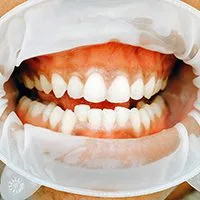
One of the primary reasons for white gums is the use of excessive bleaching product. Overusing a high-concentration whitening agent, or applying it more frequently than recommended, can overwhelm the gums. The chemicals in the whitening product can cause chemical burns. These burns result in the gums turning white. When this happens, the affected areas can become sore and sensitive. It’s essential to follow the instructions provided with the whitening kit or under the supervision of a dentist to avoid overexposure and potential gum damage.
The Role of Concentration and Duration
The concentration of the bleaching agent and the duration of its contact with the gums are critical factors. Higher concentrations, used for extended periods, dramatically increase the risk of gum damage. Professional treatments often involve higher concentrations, but dentists take precautions to protect the gums, such as using protective barriers. At-home kits typically have lower concentrations, but misuse, such as leaving trays in for longer than advised, can still lead to problems. Always adhere to the product’s guidelines and seek professional advice if you’re unsure about the product’s suitability for your needs.
2 Improper Application Techniques
Improper application techniques significantly contribute to white gums after teeth whitening. When using at-home kits, the whitening gel can come into contact with the gums if the trays do not fit correctly or if excess gel overflows. This direct contact exposes the delicate gum tissues to the bleaching agent, leading to irritation and whitening. Similarly, during professional treatments, if the dentist fails to properly isolate the teeth with a protective barrier, the gel can seep onto the gums. Correct application techniques, whether at home or in a clinic, are vital for preventing this issue. Ensuring the gel remains on the teeth and not on the gums is key.
The Importance of Gum Protection

Proper gum protection is non-negotiable during teeth whitening. Professional settings employ various protective measures, such as rubber dams or liquid dam materials, to isolate the gums from the whitening agent. These barriers create a secure seal, preventing the gel from reaching the gum tissues. In at-home kits, the custom-fitted trays should fit snugly to minimize gel leakage. If you notice any irritation or discomfort during the whitening process, remove the tray immediately and consult a dental professional. Neglecting gum protection can result in chemical burns and significant discomfort.
3 Chemical Burns from Whitening Agents
Chemical burns are a common consequence of improper teeth whitening. These burns occur when the bleaching agents come into prolonged contact with the gum tissues. The high concentration of the chemicals damages the superficial layers of the gums. The extent of the burn depends on the concentration of the product and the duration of exposure. Chemical burns can range from mild irritation, causing gums to turn white, to more severe cases involving blistering and significant discomfort. It is crucial to identify and address these burns promptly to prevent further complications.
Identifying and Treating Chemical Burns
Identifying chemical burns involves recognizing the symptoms, which often include white patches on the gums, redness, swelling, and a burning sensation. If you experience these symptoms, stop the whitening treatment immediately and rinse your mouth with water. In mild cases, the gums usually heal within a few days. Over-the-counter pain relievers can help manage discomfort. More severe burns may require professional treatment, including topical medications or protective barriers applied by a dentist. Prompt action minimizes the risk of complications and speeds up the healing process.
4 Allergic Reactions

Allergic reactions to teeth whitening products, though less common, can also cause gum whitening. Some individuals are sensitive to ingredients in the whitening gel, such as the peroxide agents or other additives. This sensitivity can trigger an immune response, leading to inflammation and discoloration of the gums. Allergic reactions vary in severity, ranging from mild redness and swelling to more severe symptoms. Understanding the potential for allergic reactions is important, as they can significantly impact your oral health and comfort.
Recognizing Allergic Symptoms
Recognizing allergic symptoms is essential for promptly addressing the issue. Common signs include itching, redness, swelling, and white patches on the gums. Other symptoms might include blistering or hives. If you experience these symptoms during or after whitening, stop the treatment and consult your dentist immediately. Your dentist can evaluate the symptoms, identify the cause of the reaction, and recommend appropriate treatment, such as antihistamines or topical steroids. It’s crucial to document any allergic reactions to avoid similar issues in future whitening attempts.
5 Underlying Gum Conditions
Sometimes, white gums after teeth whitening may be a symptom of pre-existing or underlying gum conditions. Conditions like gingivitis or periodontitis can make the gums more susceptible to irritation from whitening agents. If the gums are already inflamed or damaged, the bleaching chemicals can exacerbate the problem, leading to whitening and discomfort. It’s essential to ensure your gums are healthy before starting a teeth-whitening procedure. Addressing any pre-existing conditions can prevent complications and ensure a more comfortable and effective whitening experience.
The Effect of Pre-existing Conditions

Pre-existing gum conditions can significantly impact how your gums respond to teeth whitening. For instance, if you have undiagnosed gingivitis, the whitening agents can irritate the inflamed tissues, leading to more pronounced whitening and potentially worsening the condition. Similarly, individuals with receding gums may have exposed root surfaces that are more sensitive to the bleaching chemicals. Consulting a dentist before any whitening treatment is crucial. A dentist can assess your oral health, identify any underlying conditions, and recommend the best course of action to ensure a safe and effective whitening experience.
What To Do About White Gums?
Professional Dental Consultation
If you experience white gums after teeth whitening, a professional dental consultation is your best course of action. Your dentist can accurately diagnose the cause of the issue and provide appropriate treatment. They will examine your gums, assess the extent of the damage, and determine whether it’s a result of chemical burns, allergic reactions, or other underlying conditions. A professional assessment ensures you receive the right care and prevents potential complications. Don’t hesitate to seek expert advice if you notice any adverse effects from whitening; early intervention can prevent more severe problems.
Steps Your Dentist Might Take

During a dental consultation, your dentist will take several steps to address the white gums. Initially, they will likely advise you to stop using the whitening product and rinse your mouth with water. Depending on the severity of the condition, they might recommend a topical medication to soothe the affected areas and promote healing. In cases of chemical burns, they may apply a protective barrier to the gums. For allergic reactions, they may prescribe antihistamines. Your dentist can also provide guidance on proper oral hygiene and aftercare to minimize discomfort and prevent further complications.
Home Remedies and Aftercare
While professional treatment is essential, home remedies and aftercare can aid in healing and relieve discomfort. Rinsing your mouth with lukewarm salt water can help reduce inflammation and promote healing. Avoiding irritating foods and drinks, such as those that are acidic or spicy, can prevent further irritation. Additionally, over-the-counter pain relievers can help manage any pain. It’s important to follow your dentist’s instructions carefully. They will provide a tailored aftercare plan to support the healing of your gums. Gentle brushing and flossing are still essential. However, avoid harsh brushing that can aggravate the condition.
Proper Oral Hygiene Routine
Maintaining a proper oral hygiene routine is crucial during the healing process. Use a soft-bristled toothbrush and brush gently to avoid further irritating the gums. Floss carefully to remove any food particles without causing damage. Your dentist may recommend a specific toothpaste designed for sensitive gums. Avoid using mouthwashes that contain alcohol, as they can further irritate the tissues. Regular dental checkups and cleanings are also essential to prevent future issues. A consistent, gentle approach to oral hygiene supports the healing of your gums and maintains overall oral health.
Preventing White Gums in the Future
Choosing the Right Whitening Method
Preventing white gums involves choosing the right whitening method. Consulting your dentist before whitening is highly recommended. Your dentist can assess your oral health and recommend the most appropriate treatment. If you opt for at-home kits, carefully follow the instructions and use the provided trays correctly. Consider professional whitening, as dentists can take extra precautions to protect your gums during the process. Choosing a method that suits your needs and oral health is the best way to minimize the risk of gum irritation and ensure a successful and safe whitening experience.
Importance of a Consultation
The importance of a dental consultation cannot be overstated. A dentist can evaluate your oral health, identify any potential risks, and provide personalized recommendations. They can also offer professional whitening options, which often include gum protection measures to minimize the risk of complications. A consultation allows you to discuss your expectations and concerns, ensuring you choose a treatment that is both effective and safe. Prioritizing a dental consultation before teeth whitening is a proactive step in protecting your gum health and achieving a brighter, healthier smile. It’s a crucial step to help you avoid issues like white gums.
Conclusion
Teeth whitening can significantly enhance your smile. However, the issue of white gums highlights the importance of understanding the potential risks and taking necessary precautions. By knowing the reasons behind white gums, you can make informed decisions about your whitening choices. Prioritizing professional guidance, following product instructions, and practicing good oral hygiene are essential steps. Addressing any issues promptly and seeking professional advice can help ensure a safe and effective teeth whitening experience, leading to a beautiful and healthy smile without the worry of white gums. If you notice any changes in your gums after teeth whitening, always consult your dentist for the best course of action.