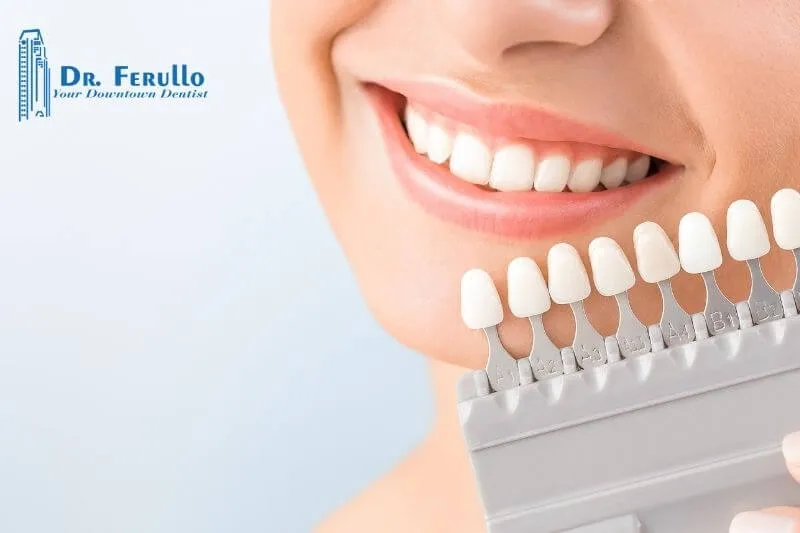
Teeth Whitening Safety An Overview
Teeth whitening has become a popular cosmetic procedure, promising a brighter and more attractive smile. However, with the increasing availability of various whitening options, it’s essential to address the fundamental question Is teeth whitening safe? This article delves into the safety aspects of teeth whitening, exploring the different procedures, potential risks, and how to ensure a safe and effective experience. Understanding the facts is crucial before undergoing any teeth whitening treatment to protect your oral health and achieve the desired results without compromising your well-being. From professional treatments to over-the-counter products, we will examine the factors that contribute to the safety profile of each method.
What is Teeth Whitening
Teeth whitening is a cosmetic dental procedure aimed at lightening the color of your teeth and removing stains or discoloration. This is typically achieved through the use of bleaching agents, most commonly hydrogen peroxide or carbamide peroxide, which break down stains into smaller, less noticeable particles. The process can address both extrinsic stains (on the surface) and intrinsic stains (within the tooth structure). There are numerous reasons why people opt for teeth whitening, including enhancing their appearance, boosting self-confidence, and achieving a more youthful look. The effectiveness of the treatment and its safety depend significantly on the method used and individual oral health conditions.
Types of Teeth Whitening Procedures

Teeth whitening procedures vary in method and intensity, broadly categorized into in-office and at-home treatments. Each type uses different concentrations of bleaching agents and involves different levels of professional supervision. Understanding these differences is key to assessing the safety and suitability of each option for your specific needs and oral health status. The choice between in-office and at-home whitening often depends on individual preferences, budget, and the severity of tooth discoloration, with professional guidance playing a critical role in ensuring a safe and effective outcome.
In-Office Whitening
In-office teeth whitening, performed by a dentist, typically involves a higher concentration of bleaching agents, often yielding quicker and more dramatic results. The procedure usually begins with a thorough cleaning of the teeth, followed by the application of a protective barrier to the gums. The whitening agent is then applied, and a special light or laser may be used to accelerate the process. This method offers the advantage of professional oversight, which can help manage potential side effects and ensure the procedure is performed safely and effectively. The entire process usually takes about one to two hours, making it a convenient option for many individuals. (image in-office-teeth-whitening)
At-Home Whitening
At-home teeth whitening involves using whitening products provided or recommended by a dentist, or over-the-counter products. These products include whitening toothpaste, strips, and custom-fitted or pre-fabricated trays filled with a bleaching gel. The concentration of bleaching agents is generally lower than in-office treatments, requiring more time to achieve noticeable results. While at-home methods are more convenient and often less expensive, they require careful adherence to instructions to minimize risks and maximize effectiveness. Consulting with a dentist before starting any at-home whitening treatment is always recommended to ensure it is safe for your teeth and gums. (image at-home-teeth-whitening)
5 Proven Facts About Teeth Whitening Safety

The safety of teeth whitening is a multifaceted issue, with several factors influencing the potential risks. Understanding these risks allows individuals to make informed decisions and take necessary precautions. Here are five proven facts to consider when evaluating the safety of teeth whitening procedures and products. These facts highlight both the potential hazards and the measures you can take to mitigate them, ensuring a safer experience.
Fact 1 Sensitivity
Tooth sensitivity is a common side effect of teeth whitening, arising from the bleaching agents penetrating the enamel and reaching the nerves within the teeth. This can result in temporary discomfort, particularly when consuming hot or cold foods and beverages. The degree of sensitivity varies among individuals and is often related to the concentration of the whitening agent and the duration of exposure. Using desensitizing toothpaste before and during treatment can help manage this issue. (image teeth-whitening-sensitivity)
Fact 2 Gum Irritation
Gum irritation, or gingivitis, is another potential side effect, especially if the whitening agent comes into contact with the gums. This can cause redness, swelling, and soreness. Gum irritation is more common with at-home whitening systems, particularly if the trays do not fit properly or if the instructions are not followed carefully. Protective measures, such as using custom-fitted trays and applying a protective barrier during in-office procedures, can help prevent this issue. (image teeth-whitening-gum-irritation)
Fact 3 Enamel Damage

While rare, excessive or improper use of whitening agents can potentially weaken tooth enamel. This is because the bleaching agents can alter the mineral structure of the enamel. Enamel erosion can increase the risk of cavities, tooth decay, and increased tooth sensitivity. Following the recommended guidelines and consulting with a dentist can help mitigate the risk of enamel damage, ensuring the long-term health and integrity of your teeth.
Fact 4 Overall Health
The overall impact on health is generally minimal with teeth whitening, provided the procedures are carried out as directed. However, individuals with pre-existing dental issues, such as cavities or gum disease, should address these problems before undergoing whitening treatments. Moreover, it’s important to be aware that whitening treatments do not work on existing dental work such as crowns or fillings. The whitening process can cause the original teeth to not match the color of your dental work. Consulting with a dentist can help determine if teeth whitening is appropriate, given your overall oral and general health. (image consult-a-dentist)
Fact 5 Effectiveness
The effectiveness of teeth whitening can vary based on the type of stains, the method used, and individual tooth characteristics. While professional whitening often yields more dramatic and immediate results, at-home treatments can also be effective with consistent use. The duration of the whitening effects also depends on lifestyle factors, such as diet and smoking habits. Periodic touch-up treatments may be necessary to maintain the desired level of brightness. (image healthy-smile)
How to Ensure Safe Teeth Whitening

Ensuring the safety of teeth whitening involves several key steps, from professional consultations to diligent adherence to instructions. Taking these precautions can significantly reduce the risks and maximize the benefits of teeth whitening. It’s about striking a balance between achieving a brighter smile and maintaining optimal oral health. Careful consideration and proactive measures are essential to navigate the world of teeth whitening safely and effectively.
Consult a Dentist
Before undergoing any teeth whitening procedure, it is crucial to consult with a dentist. A dentist can assess your oral health, identify any underlying issues (like cavities or gum disease), and determine if teeth whitening is appropriate for you. They can also recommend the most suitable whitening method based on your specific needs and goals. Professional advice ensures the safety and effectiveness of the treatment, protecting your teeth and gums from potential harm. (image consult-a-dentist)
Follow Instructions
Whether you choose in-office or at-home whitening, it is vital to follow the provided instructions carefully. This includes adhering to the recommended application times, the frequency of use, and the concentration of the whitening agent. Overuse can increase the risk of side effects such as sensitivity and gum irritation. Properly following the guidelines ensures that you achieve the desired results while minimizing the potential for adverse reactions. The instructions will also inform of any foods to avoid. (image teeth-whitening-products)
Choose the Right Products

When selecting at-home whitening products, choose those that are approved by your dentist or have been proven safe and effective. Over-the-counter products vary in quality and effectiveness. Make sure that the product has the American Dental Association (ADA) Seal of Acceptance. This seal signifies that the product has been evaluated for safety and efficacy. Your dentist can recommend safe and suitable products based on your needs, helping you make an informed choice. (image teeth-whitening-products)
Limit Whitening Frequency
To maintain the health of your teeth, limit the frequency of whitening treatments. Avoid overdoing it, as frequent whitening can increase the risk of sensitivity, gum irritation, and enamel damage. Consult with your dentist about the appropriate frequency for touch-up treatments, based on your specific needs and lifestyle. This proactive approach helps you enjoy a brighter smile without compromising your long-term oral health. (image teeth-whitening-overview)
Teeth Whitening Safe or Not Conclusion
Teeth whitening can be a safe and effective way to enhance your smile when performed with the right precautions. By understanding the potential risks, consulting with a dental professional, and following instructions carefully, you can achieve a brighter smile while protecting your oral health. Remember to prioritize your teeth’s health and consult with your dentist for personalized advice and guidance. This ensures a safe and satisfying teeth whitening experience, giving you the confidence of a beautiful and healthy smile. (image healthy-smile)