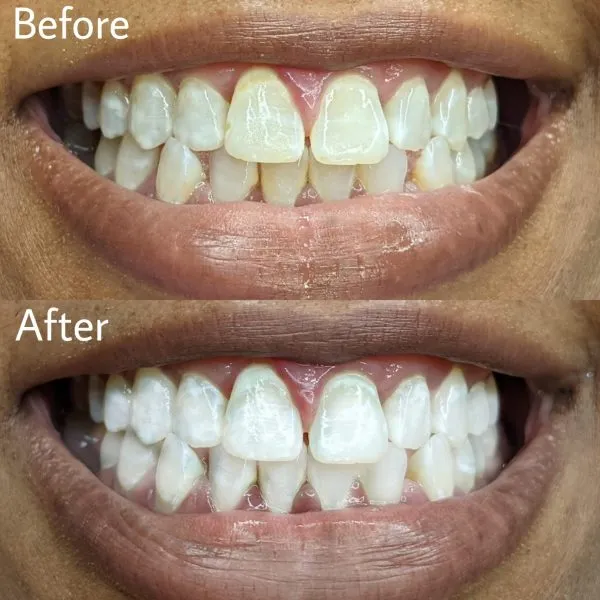
Understanding Teeth Whitening
Teeth whitening, also known as teeth bleaching, is a cosmetic dental procedure designed to lighten the color of your teeth. It’s a popular choice for people looking to enhance their smile and boost their confidence. Over time, teeth can become discolored due to various factors such as aging, certain foods and drinks, smoking, and even some medications. Teeth whitening offers a solution to restore your teeth to their natural brightness or even achieve a significantly whiter shade. Understanding the basics of teeth whitening is the first step toward achieving a brighter, more radiant smile. This guide aims to provide you with comprehensive information about the different types of whitening treatments, the process involved, and what to expect.
What is Teeth Whitening
Teeth whitening involves using bleaching agents to break down stains and discoloration on the surface of your teeth and within the enamel. These agents, typically containing hydrogen peroxide or carbamide peroxide, penetrate the tooth’s structure to lighten the color. The effectiveness of the treatment depends on the type of stain, the concentration of the bleaching agent, and the duration of the treatment. It’s crucial to distinguish between teeth whitening and teeth cleaning. While teeth cleaning removes surface stains and plaque, teeth whitening actively changes the color of the teeth. This process results in a noticeably brighter smile, making it a sought-after cosmetic procedure.
Types of Teeth Whitening Treatments

There are two main categories of teeth whitening treatments: professional teeth whitening and at-home teeth whitening. Each method offers different levels of convenience, cost, and effectiveness. The choice between these options depends on your personal preferences, the extent of the discoloration, and your budget. Both options have the same goal: to give you a brighter smile. Understanding the pros and cons of each method will help you make an informed decision and achieve the best possible results for your teeth whitening goals.
Professional Teeth Whitening
Professional teeth whitening is performed by a dentist in their office. It typically involves a higher concentration of bleaching agents and can provide dramatic results in a single visit. The dentist will protect your gums and soft tissues before applying the whitening solution to your teeth. A special light or laser might be used to accelerate the whitening process. This method is generally more expensive but offers faster and more noticeable results. This process ensures that the treatment is done safely and effectively, minimizing any potential risks or side effects. Your dentist can also assess your oral health to ensure that teeth whitening is appropriate for you.
At-Home Teeth Whitening
At-home teeth whitening involves using whitening products that you can purchase over the counter or through your dentist. These products typically include whitening strips, trays with whitening gel, and whitening toothpastes. While at-home options are generally less expensive than professional treatments, they may require more time to achieve the desired results. Your dentist may provide custom-fitted trays with a higher concentration of bleaching agent for more effective at-home whitening. Always follow the instructions carefully to avoid any potential side effects, and consult your dentist if you have any concerns. It’s also important to choose products with the ADA Seal of Acceptance to ensure safety and effectiveness.
Benefits of Teeth Whitening

The benefits of teeth whitening extend beyond just aesthetic improvements. A brighter smile can significantly boost your self-esteem and confidence. People with whiter teeth often feel more comfortable and confident in social and professional settings. Teeth whitening can also make you look younger and healthier. Beyond the cosmetic benefits, teeth whitening can also encourage better oral hygiene habits, as people are more likely to take care of their teeth when they are happy with their appearance. Achieving a whiter smile can be a powerful way to improve your overall quality of life, fostering greater self-assurance and positive interactions.
Who is a Good Candidate for Teeth Whitening
Most people with healthy teeth and gums are good candidates for teeth whitening. However, it’s important to consult with a dentist before undergoing any whitening treatment. The dentist will assess your oral health and determine if teeth whitening is appropriate for you. Individuals with stained teeth due to aging, certain foods and drinks (like coffee, tea, and red wine), or smoking are often excellent candidates. Whitening treatments are generally not recommended for children under the age of 16, pregnant or breastfeeding women, or people with sensitive teeth or gum disease. Your dentist will help you decide the best option based on your specific needs.
The Teeth Whitening Process
The teeth whitening process varies depending on whether you choose professional or at-home treatment. However, both methods involve some common steps. Understanding the process will help you feel more prepared and comfortable throughout the procedure. From the initial consultation to the final results, each step is designed to ensure the safest and most effective whitening experience. Proper preparation and following your dentist’s instructions are essential for achieving and maintaining a bright, beautiful smile.
Consultation and Evaluation

Before any teeth whitening treatment, your dentist will conduct a thorough examination of your teeth and gums. This includes checking for any cavities, gum disease, or other dental issues that might need to be addressed before whitening. The dentist will also evaluate the type and extent of the staining, and discuss your expectations and desired results. During the consultation, they will explain the different whitening options and recommend the best course of action based on your individual needs. This step is crucial to ensure the success and safety of the whitening process and to prevent any complications. The consultation also provides an opportunity for you to ask questions and discuss any concerns.
Treatment Options
The treatment options depend on whether you opt for professional or at-home whitening. Professional treatments involve applying a high-concentration bleaching agent to your teeth in the dental office. The dentist might use a special light or laser to enhance the whitening effect. At-home options involve custom-fitted trays from your dentist or over-the-counter whitening strips or toothpastes. Your dentist can provide detailed instructions on how to use your chosen method, including the duration of the treatment and any precautions. The treatment plan is tailored to your specific needs and the type of stains you have. It’s essential to adhere to the instructions carefully to achieve the best results.
Aftercare and Maintenance
After your teeth whitening treatment, proper aftercare is essential to maintain your results. You’ll need to avoid foods and drinks that can stain your teeth, such as coffee, tea, red wine, and dark-colored berries, for a period of time. Your dentist might recommend using a special whitening toothpaste to help maintain the brightness of your smile. Regular dental check-ups and cleanings are also crucial to prevent future stains and maintain your oral health. Following these aftercare instructions will help you enjoy your whiter smile for a longer period. Good oral hygiene is also key to preserving your results.
Maintaining Your White Smile

To maintain your white smile, it’s crucial to adopt a good oral hygiene routine. This includes brushing your teeth twice a day with a whitening toothpaste, flossing daily, and using mouthwash. Regular dental check-ups and professional cleanings are essential to remove any surface stains and keep your teeth healthy. Limiting your intake of staining foods and drinks and quitting smoking can also help preserve your results. Consider using at-home touch-up treatments, such as whitening strips or custom trays from your dentist, to maintain your smile’s brightness. Consistent care and attention to detail will ensure your beautiful, white smile lasts a long time.
Potential Risks and Side Effects
While teeth whitening is generally safe, some potential risks and side effects exist. The most common side effect is tooth sensitivity, which usually subsides within a few days after treatment. Gum irritation can also occur if the bleaching agent comes into contact with your gums. In rare cases, more severe complications can arise, such as changes in tooth enamel. It’s essential to discuss these potential risks with your dentist and follow their instructions carefully to minimize any adverse effects. If you experience any unusual symptoms, contact your dentist immediately. Being aware of the possible side effects will help you make an informed decision and seek appropriate care if needed.
Teeth Whitening Costs
The cost of teeth whitening varies depending on the type of treatment and the dentist’s fees. Professional teeth whitening in a dental office is typically more expensive than at-home treatments, but it also offers faster and more dramatic results. At-home whitening kits are generally more affordable. However, the overall cost depends on the number of treatments needed and the specific products used. It’s important to discuss the cost with your dentist before starting the treatment to understand the financial implications. Make sure to ask about payment options and any potential financing plans that may be available to make the treatment more accessible.
Factors Affecting Cost

Several factors influence the cost of teeth whitening. The location of the dental practice, the experience of the dentist, and the specific type of whitening treatment all play a role. The severity of the discoloration and the number of treatments needed also affect the total cost. Additionally, the materials used and any additional procedures required can increase the overall expense. It’s wise to get a detailed cost breakdown from your dentist and compare prices from different providers to ensure you’re getting the best value for your money. Keep in mind that quality and safety should always be your top priorities.
Tips for Affordable Teeth Whitening
If you’re looking for affordable teeth whitening options, consider these tips. At-home whitening kits are often more budget-friendly than professional treatments. Look for special offers or discounts from your dentist, or inquire about payment plans. Whitening toothpastes and strips can be a cost-effective way to maintain your results. It is essential to choose products with the ADA Seal of Acceptance to ensure safety and effectiveness. Maintaining good oral hygiene by brushing twice a day, flossing daily, and having regular dental check-ups is crucial to prevent future staining and preserve your whiter smile without spending extra money on whitening products. Research and compare different options to find the best fit for your budget and needs.
Conclusion
Teeth whitening is a popular and effective cosmetic procedure that can significantly improve your smile and boost your confidence. Understanding the different types of treatments, the process involved, and the potential risks is essential to making an informed decision. Consulting with a dentist is the first step toward achieving a brighter, more radiant smile, ensuring you get a treatment plan tailored to your unique needs. By following aftercare instructions and maintaining good oral hygiene, you can enjoy a beautiful, white smile for years to come. Remember to prioritize your oral health and choose a safe, effective whitening method that fits your lifestyle and budget, and get ready to flash that dazzling smile!