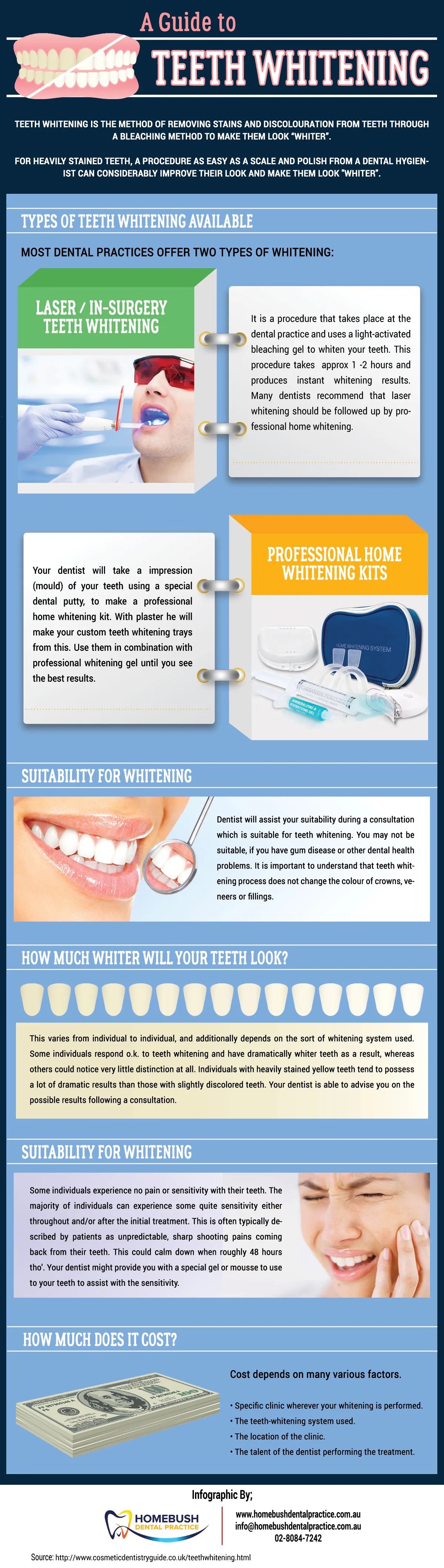
Understanding Teeth Whitening Frequency
Teeth whitening has become a staple in modern cosmetic dentistry, offering a pathway to a brighter, more confident smile. However, while the allure of pearly whites is undeniable, understanding the optimal frequency of teeth whitening is crucial. Overdoing it can lead to various dental issues, making it essential to approach this procedure with informed caution. The frequency of teeth whitening isn’t a one-size-fits-all answer; it hinges on a variety of factors, including the type of whitening method used, individual lifestyle choices, and pre-existing oral health conditions. This guide delves into these critical aspects, offering a comprehensive understanding of how often teeth whitening is appropriate for maintaining a healthy, dazzling smile without compromising dental well-being. The aim is to provide you with the knowledge necessary to make informed decisions, ensuring your teeth whitening journey is both effective and safe.
Factors Influencing Whitening Frequency
Several elements come into play when determining how often you should whiten your teeth. Understanding these factors will help you tailor a whitening schedule that aligns with your specific needs and oral health profile. The key considerations involve the type of whitening treatment you opt for, the lifestyle choices you make daily, and your consistent oral hygiene practices. All of these elements play a significant role in influencing the longevity of your whitening results and the overall health of your teeth and gums. By paying attention to these factors, you can avoid the pitfalls of over-whitening, ensuring your smile stays bright and healthy for the long haul. Remember that consulting with a dental professional is always advisable as they can provide personalized guidance based on your unique dental characteristics.
Type of Whitening Treatment

The type of teeth whitening treatment you choose significantly influences how often you can safely undergo the procedure. Professional whitening treatments, administered by a dentist, usually involve stronger bleaching agents and can produce dramatic results more quickly. Due to the potency of these treatments, the frequency is generally lower—often once every six months to a year, depending on individual needs and the dentist’s recommendations. At-home whitening kits, which use lower concentrations of bleaching agents, may be used more frequently, but still require adherence to the instructions and the guidance of a dentist. Over-the-counter whitening products, such as whitening strips and toothpastes, contain even milder ingredients and are typically safe for more frequent use. It is essential to follow the manufacturer’s instructions closely and not to exceed the recommended usage. Overuse of any whitening product can lead to increased tooth sensitivity and potential damage to the enamel. Consulting your dentist will determine the best course of action.
Lifestyle Choices
Your daily habits can significantly impact how often you need to whiten your teeth. Certain foods and beverages are notorious for staining teeth, including coffee, tea, red wine, and dark-colored berries. If these items are a regular part of your diet, you may find that your teeth stain more quickly, potentially leading to more frequent whitening treatments. Smoking and chewing tobacco also contribute to discoloration, making regular whitening more necessary for those who use tobacco products. Conversely, maintaining a balanced diet rich in fruits and vegetables and practicing good oral hygiene can help extend the time between whitening sessions. Being mindful of these lifestyle choices allows you to better manage your whitening schedule and maintain a brighter smile. The image represents lifestyle choices and how it affects teeth whitening frequency. For example, the image shows a person consuming coffee or tea.
Oral Hygiene Habits
Effective oral hygiene is paramount in preserving the results of teeth whitening and determining how often you need to repeat the process. Brushing your teeth twice a day with a fluoride toothpaste, flossing daily, and using an antimicrobial mouthwash are essential practices. These habits help remove surface stains, prevent the build-up of plaque and tartar, and keep your teeth looking their best. Regular dental check-ups and professional cleanings are also critical, as they remove stubborn stains and plaque that regular brushing can’t eliminate. People with excellent oral hygiene habits will often find that their whitening results last longer, reducing the need for frequent touch-ups. Neglecting proper oral care can lead to rapid discoloration, necessitating more frequent whitening sessions. A dedicated and consistent approach to oral hygiene is a key component in maintaining a bright, healthy smile. The image should show the right way to brush and the tools to maintain oral hygiene.
The Risks of Over-Whitening

While the allure of a dazzling white smile is strong, over-whitening can have detrimental effects on your oral health. It’s crucial to understand the potential risks associated with excessive use of teeth whitening products and treatments. Ignoring these risks can lead to increased sensitivity, enamel erosion, and other complications. Balancing your desire for a brighter smile with the need to protect your dental health is essential. The following are major risks when over-whitening. It is important to seek guidance from a dental professional to ensure that your whitening routine is safe and beneficial.
Tooth Sensitivity and Irritation
One of the most common side effects of over-whitening is increased tooth sensitivity. The bleaching agents in whitening products can penetrate the enamel and irritate the nerves within your teeth. This can lead to discomfort when consuming hot or cold foods and drinks. Over time, frequent whitening sessions can exacerbate this sensitivity, making it a persistent problem. If you experience increased sensitivity, it’s essential to reduce the frequency of whitening treatments or consider using a toothpaste designed for sensitive teeth. Consulting your dentist is crucial to identify the underlying cause and receive appropriate treatment. The image can demonstrate someone experiencing tooth sensitivity.
Enamel Erosion
Overuse of whitening products can lead to enamel erosion, which is the gradual wearing away of the protective outer layer of your teeth. Enamel erosion makes your teeth more vulnerable to decay, cavities, and sensitivity. As enamel wears away, the underlying dentin becomes more exposed, leading to increased tooth discoloration and a higher risk of needing restorative dental work. Preventing enamel erosion is a critical aspect of maintaining good oral health. This involves following your dentist’s recommendations, using whitening products as directed, and avoiding excessive brushing or abrasive toothpastes. Regularly monitoring your teeth’s condition and seeking early intervention for any signs of enamel damage can help protect your long-term dental health. The image can illustrate the effects of enamel erosion on the teeth.
Gum Damage
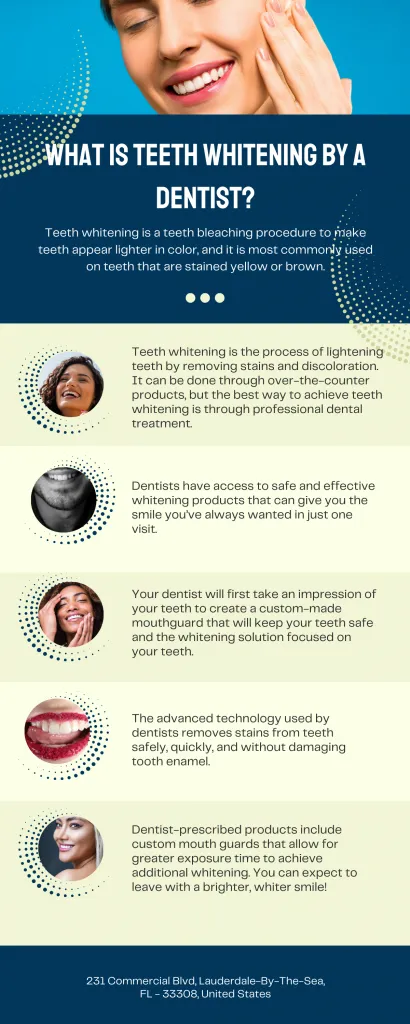
The bleaching agents used in teeth whitening can also irritate and damage the gums, leading to inflammation, redness, and soreness. This can occur if the whitening product comes into contact with your gums during at-home treatments or if professional treatments are not applied correctly. Severe gum irritation can lead to gum recession, making your teeth appear longer and increasing the risk of sensitivity and decay. To prevent gum damage, it’s important to follow the instructions carefully, ensuring the whitening product is applied only to your teeth. If you experience gum irritation, discontinue the whitening treatment and consult your dentist. Proper technique and moderation are essential for maintaining healthy gums while whitening your teeth. This image can demonstrate the effect of gum damage and redness.
Optimal Teeth Whitening Schedule
Determining the ideal frequency for teeth whitening involves a personalized approach, as it should be tailored to your individual needs and circumstances. Consulting with a dentist is essential to get a professional assessment of your oral health and discuss your whitening goals. The dentist will consider various factors, including the type of whitening treatment, your lifestyle habits, and any pre-existing dental conditions. Professional whitening sessions, performed by a dentist, typically require less frequent touch-ups due to the stronger bleaching agents used. At-home whitening kits, which use lower concentrations, can be used more frequently, but it’s critical to adhere to the instructions and not overuse the product. For over-the-counter products, such as whitening strips, follow the recommended usage guidelines closely and be mindful of any signs of increased sensitivity or irritation. Remember that the best schedule is one that balances achieving your desired results with protecting your oral health. Regular dental check-ups, proper oral hygiene, and a collaborative approach with your dentist are key to maintaining a bright, healthy smile.
Professional Whitening
Professional teeth whitening, conducted by a dentist, offers several advantages, including stronger bleaching agents, more effective results, and personalized care. Because the treatments are more potent, professional whitening is usually required less frequently than at-home options. Often, a single session can produce significant results, and touch-ups may only be needed every six months to a year, depending on individual factors. The dentist can also assess your oral health, identify any potential issues, and provide guidance on maintaining your results. Professional whitening ensures a safer and more controlled process, minimizing the risk of side effects such as sensitivity and gum irritation. In contrast to at-home methods, the dentist can also apply protective measures, such as gingival barriers, to shield your gums during the procedure. While it may involve a higher upfront cost, professional whitening can provide a more effective, safer, and long-lasting solution for a brighter smile. This image can show a dentist performing teeth whitening.
At-Home Whitening

At-home teeth whitening kits provide a convenient and more affordable alternative to professional treatments. These kits typically contain whitening strips, trays, or gels with lower concentrations of bleaching agents than those used in professional settings. While the results may be less dramatic, at-home whitening can still effectively lighten your teeth with consistent use. It’s crucial to follow the instructions carefully and not to exceed the recommended usage. The frequency of at-home whitening depends on the specific product and your individual needs. Often, you can use the strips or trays for a few weeks, followed by a break before repeating the process. Be vigilant about monitoring your teeth for any signs of increased sensitivity or irritation. Consulting your dentist before starting an at-home whitening regimen is always recommended to ensure it’s safe and appropriate for your oral health. This is especially important if you have any existing dental work, such as fillings or crowns, as these won’t whiten with the treatment. The image can depict the at-home teeth whitening kit.
Maintenance and Aftercare
Proper maintenance and aftercare are vital for preserving the results of your teeth whitening treatment and ensuring the long-term health of your teeth and gums. Following your dentist’s recommendations, including specific oral hygiene practices and dietary adjustments, is essential. This can help you extend the time between whitening sessions. Incorporating a few key habits into your routine can significantly impact the longevity of your bright smile. Here are some tips to consider:
Maintaining Whitening Results
To keep your teeth bright and prevent staining, consider the following tips. Avoiding staining foods and beverages is essential; this includes coffee, tea, red wine, and dark-colored berries. Using a straw to drink these beverages can minimize their contact with your teeth. Maintaining excellent oral hygiene is another key; this includes brushing your teeth twice a day with a fluoride toothpaste, flossing daily, and using an antimicrobial mouthwash. Regular dental check-ups and professional cleanings are equally important; they remove surface stains and plaque. Avoid tobacco products, as smoking and chewing tobacco can quickly stain your teeth. Following these habits and incorporating them into your routine will help you maintain your results. Consider using a whitening toothpaste for additional stain removal, but be mindful of its abrasiveness. Combining these strategies will provide the best outcome for the long term. The image should show different tips to keep teeth whitening results.
When to See a Dentist

Regular visits to your dentist are essential for maintaining your oral health and ensuring the safety and effectiveness of your teeth whitening routine. Schedule regular check-ups and professional cleanings. At each visit, your dentist can assess your overall oral health, check for any potential issues, and provide guidance on the best whitening approach for you. It’s essential to consult your dentist if you experience any adverse effects from teeth whitening. If you notice increased tooth sensitivity, gum irritation, or any other unusual symptoms, consult your dentist immediately. The dentist can evaluate your condition and recommend appropriate treatment options. Your dentist can also advise you on when and how often to whiten your teeth. Your dentist is your partner in maintaining your oral health. When in doubt, always consult with your dentist before initiating or continuing any teeth whitening treatment.
In conclusion, determining how often you should whiten your teeth is a personalized process that hinges on multiple factors, including the type of whitening treatment, your lifestyle, and your oral hygiene habits. Prioritizing your dental health, following professional guidance, and adopting a consistent approach to oral care are essential for achieving and maintaining a bright, healthy smile. Over-whitening can cause tooth sensitivity, enamel erosion, and gum damage, highlighting the importance of moderation and informed decision-making. By understanding the risks, adhering to recommendations, and consulting with a dentist, you can navigate the teeth whitening process safely and effectively, ensuring your smile remains a source of confidence and joy. Remember, a healthy smile is a beautiful smile, and the right whitening frequency is a key component of achieving this.