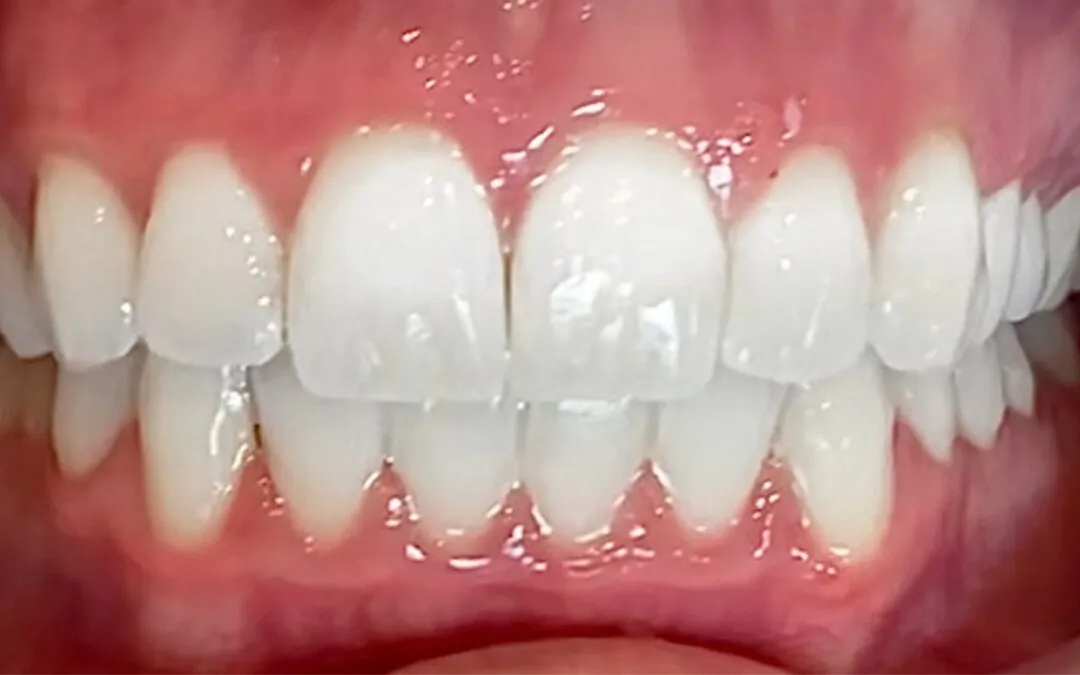
What is Teeth Whitening
Teeth whitening is a popular cosmetic dental procedure designed to lighten the color of your teeth and remove stains and discoloration. It is a non-invasive process that can significantly enhance your smile and boost your confidence. The process involves the use of bleaching agents, typically hydrogen peroxide or carbamide peroxide, to break down the stains that have accumulated on the enamel surface of your teeth. These stains can be caused by various factors, including the consumption of staining foods and beverages, tobacco use, and the natural aging process. Teeth whitening is a versatile procedure, and it can be performed in a dentist’s office or at home using over-the-counter products. The effectiveness and duration of the results vary depending on the method used and individual factors.
Types of Teeth Whitening Procedures
There are several types of teeth whitening procedures available, each with its own advantages and considerations. The two main categories are in-office whitening and over-the-counter (OTC) whitening. In-office whitening, performed by a dental professional, offers immediate and dramatic results due to the higher concentration of bleaching agents and the use of specialized equipment. OTC whitening options include whitening toothpaste, strips, gels, and trays that you can purchase at your local pharmacy or online. These products are typically less potent than professional treatments, so their results may be less pronounced and take longer to achieve. Understanding the differences between these methods is key to making an informed decision about which option best suits your needs and expectations.
In-Office Teeth Whitening

In-office teeth whitening is a professional treatment that offers the fastest and most effective results. A dentist will apply a high-concentration bleaching agent to your teeth and use a special light or laser to activate the whitening process. This procedure usually takes about an hour and can lighten your teeth several shades in a single session. The benefits include immediate results, professional supervision to ensure safety, and customized treatment to address your specific needs. However, in-office whitening is typically more expensive than at-home options. The cost is often justified by the dramatic improvement in the brightness of your smile and the expertise of the dental professional. To further enhance the outcome, your dentist may recommend a maintenance plan to extend the life of your gleaming smile.
Over-the-Counter Teeth Whitening
Over-the-counter (OTC) teeth whitening products provide a convenient and affordable way to brighten your teeth at home. These products include whitening toothpastes, strips, gels, and trays. Whitening toothpastes contain mild abrasives and chemicals that help remove surface stains. Whitening strips and gels, on the other hand, use a lower concentration of bleaching agents to lighten your teeth over time. OTC products are readily available and easy to use, but they may not provide the same dramatic results as professional treatments. The effectiveness of OTC products varies depending on the product, the severity of the stains, and individual factors. Consistent use of OTC products can lead to noticeable improvement in your smile, but it typically takes several weeks or months to achieve your desired level of whiteness. Safety is crucial, and you should carefully follow the product instructions to avoid any potential side effects.
How Long Teeth Whitening Results Last
The longevity of teeth whitening results varies depending on the type of treatment and individual habits. In-office whitening typically lasts from one to three years, while at-home treatments may last for several months to a year. The duration is influenced by factors such as your diet, oral hygiene, and lifestyle choices. To maximize the lifespan of your white smile, it’s crucial to follow your dentist’s recommendations and maintain a consistent oral hygiene routine. Regular touch-up treatments and avoiding staining foods and beverages can help extend the results. Individual factors like the natural shade of your teeth and your enamel’s porosity also play a role in how long the effects of teeth whitening last. Understanding these variables will help you manage your expectations and adopt strategies to preserve your brighter smile.
Factors Affecting Whitening Duration

Several factors influence how long your teeth whitening results will last. These factors can be broadly categorized into dietary habits, oral hygiene practices, and lifestyle choices. Your daily habits and choices play a significant role in determining the longevity of your whiter smile. By understanding these factors, you can make informed decisions to protect your investment in teeth whitening and enjoy long-lasting results. Your dentist can also provide personalized recommendations and tips to help you maintain your bright smile for as long as possible. It’s a proactive approach that involves both professional care and your daily commitment.
Dietary Habits and Staining Foods
Your diet has a significant impact on the duration of teeth whitening results. Certain foods and beverages contain pigments that can stain your teeth, gradually diminishing the effects of whitening. Common culprits include coffee, tea, red wine, dark-colored sodas, and berries. These items contain chromogens, which are compounds that easily attach to the enamel and cause discoloration. To preserve your white smile, it’s advisable to limit your consumption of these staining agents. If you do consume them, rinsing your mouth with water immediately afterward can help minimize staining. Another strategy is using a straw when drinking dark beverages to reduce contact with your teeth. Being mindful of your dietary choices can significantly extend the lifespan of your teeth whitening results and maintain a brighter smile.
Oral Hygiene Practices
Maintaining good oral hygiene is crucial for preserving your teeth whitening results. Regular brushing, flossing, and professional cleanings help remove surface stains and prevent new ones from forming. Brushing your teeth at least twice a day with a whitening toothpaste can help maintain your smile’s brightness. Flossing daily removes plaque and food particles from between your teeth, where staining can occur. Regular dental check-ups and professional cleanings are essential for removing stubborn stains and tartar that brushing and flossing cannot eliminate. These visits also allow your dentist to assess your oral health and provide personalized advice to keep your teeth looking their best. Following a consistent oral hygiene routine is a key factor in extending the longevity of your teeth whitening results.
Lifestyle Choices and Habits

Certain lifestyle choices and habits can significantly affect the duration of your teeth whitening results. Smoking and tobacco use are major contributors to tooth discoloration. The nicotine and tar in tobacco products stain the teeth, making them appear yellow or brown. If you are a smoker, quitting is one of the best things you can do for your teeth and overall health. In addition to tobacco use, excessive alcohol consumption and poor dietary habits can also contribute to staining. Avoiding these habits or practicing moderation can help you maintain your white smile for a longer period. Additionally, using a straw for dark beverages, and rinsing your mouth after consuming staining foods can help keep your teeth looking bright.
Maintaining Your White Smile
Maintaining your white smile requires a proactive approach and consistent effort. After undergoing teeth whitening, it’s important to follow a few key steps to preserve your results. By being mindful of your diet, practicing good oral hygiene, and scheduling regular dental check-ups, you can extend the longevity of your bright, beautiful smile. Remember that maintaining your white smile is an ongoing process, and your commitment is essential to enjoying long-lasting results. The combination of professional care and your daily habits will help you keep your teeth looking their best for years to come. It’s an investment in both your appearance and your oral health.
Best Practices for After Whitening
Following best practices immediately after teeth whitening can help you maximize and maintain your results. For the first 24 to 48 hours, it’s recommended to avoid staining foods and beverages, such as coffee, tea, red wine, and dark-colored sodas. During this period, your teeth are more susceptible to staining. Focus on a white diet, including foods like chicken, fish, white rice, and dairy products. Additionally, avoid smoking and tobacco use, as these can quickly stain your teeth. Rinsing your mouth with water after meals and snacks helps remove food particles and minimize staining. Brushing and flossing gently, as your teeth may be sensitive immediately after whitening. If you experience any sensitivity, consult your dentist for recommendations on toothpaste or desensitizing treatments. Following these simple guidelines will significantly contribute to maintaining your brighter smile.
Regular Dental Check-ups

Regular dental check-ups are essential for maintaining your teeth whitening results and ensuring overall oral health. During these visits, your dentist will assess your teeth, gums, and overall oral condition. They can identify any potential problems, such as cavities or gum disease, and provide early treatment. Professional teeth cleanings remove plaque and tartar that can cause staining and discoloration. Your dentist may also recommend touch-up whitening treatments or provide advice on how to maintain your white smile. Schedule check-ups every six months or as recommended by your dentist. Routine check-ups allow your dentist to monitor your progress, address any concerns, and provide personalized recommendations for maintaining your beautiful, bright smile. These appointments are a crucial part of a comprehensive oral care plan.
Professional Teeth Cleaning
Professional teeth cleaning is an important component of maintaining a white smile. Even with diligent brushing and flossing, some plaque and tartar buildup is inevitable. A dental hygienist can remove this buildup using specialized tools and techniques, leaving your teeth feeling clean and refreshed. Professional cleanings also remove surface stains caused by food, beverages, and tobacco use. This can enhance the brightness of your smile and contribute to a healthier mouth. Your dental hygienist can also polish your teeth, which helps remove surface stains and creates a smoother surface that is less susceptible to future staining. Regular professional cleanings are a vital part of your oral hygiene routine and are essential for maintaining the results of teeth whitening. They contribute to a healthier, brighter, and more confident smile.