Embarking on a teeth whitening journey begins with a crucial first step a thorough consultation. This consultation ensures a safe, effective, and personalized treatment plan. A key component of this initial assessment is the teeth whitening consultation form. This form acts as a comprehensive guide, gathering essential information that helps dental professionals understand your needs, expectations, and medical history. The information collected ensures the best possible outcome, maximizing the effectiveness of the whitening procedure. This guide will help you understand the importance of this form and what to expect.
What is a Teeth Whitening Consultation Form
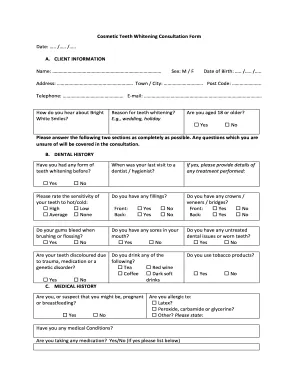
A teeth whitening consultation form is a detailed questionnaire that gathers vital information about a patient’s oral health, aesthetic goals, and overall medical history before a teeth whitening procedure. It serves as a roadmap for the dentist, helping them assess your suitability for the treatment, choose the most appropriate whitening method, and manage any potential risks. The form ensures that the procedure is customized to your specific needs, maximizing the likelihood of a successful and satisfying outcome. This form is often completed during your initial consultation appointment and serves as a foundation for the entire teeth whitening experience. A well-designed form covers various aspects, from your dental history to your desired results.
Why a Teeth Whitening Consultation Form is Important
The teeth whitening consultation form is important for several reasons, all contributing to a safer and more effective whitening experience. Primarily, it helps dental professionals assess your eligibility for the treatment. Not everyone is a suitable candidate, and the form helps identify potential contraindications, such as existing dental conditions or sensitivities. Furthermore, the form allows the dentist to understand your specific goals and expectations regarding the whitening process. This information is crucial for selecting the most suitable whitening method and managing your expectations realistically. By completing this form, you provide valuable information that enables your dentist to tailor the procedure to your individual needs, ultimately leading to better results and a more positive experience. This form also helps to avoid any unexpected results.
Patient Information

The patient information section of the teeth whitening consultation form gathers your personal and health-related details. This information is essential for creating a comprehensive profile and tailoring the treatment to your individual needs. It allows the dental professional to understand your overall health status and identify any factors that might affect the whitening process. Accurate and complete information is crucial for a successful outcome and a safe experience. It ensures that all aspects of the procedure are carefully considered and that your well-being is prioritized. Your privacy is always protected, and your details are kept confidential.
Personal Details
This section typically includes your name, contact information, and date of birth. This information helps in identifying you and creating a record of your consultation. It’s also used for communication purposes, such as scheduling appointments and sending reminders. Accuracy in providing this information is crucial to ensure that you receive all the necessary information and that your records are maintained correctly. This also ensures you are reached in case of any emergency or follow-up communication. This is the most basic part of the consultation form.
Medical History
Medical history is a critical component, encompassing details about any existing health conditions, allergies, and medications you are taking. It helps identify potential risks associated with the teeth whitening procedure. Certain medical conditions or medications can affect the outcome of the treatment or increase the risk of side effects. For example, individuals with sensitive teeth or gum disease might require a modified approach. Allergies to certain ingredients, like peroxide, also need to be identified to prevent adverse reactions. Providing a complete and accurate medical history ensures that the dentist can make informed decisions and tailor the treatment plan accordingly, prioritizing your safety and well-being. This also includes any past surgical procedures.
Dental History

Dental history focuses on the current and past state of your oral health. It includes details about any previous dental treatments, such as fillings, crowns, bridges, and root canals. The dentist will also inquire about your oral hygiene habits, including how often you brush, floss, and visit the dentist for check-ups and cleaning. Information about any existing dental issues, such as cavities, gum disease, or tooth sensitivity, is also essential. This information helps the dentist assess the health of your teeth and gums, determine the suitability of the teeth whitening procedure, and anticipate any potential challenges. A comprehensive dental history ensures that the treatment plan is tailored to your specific needs and that the results are optimized for your oral health. The dentist might also ask about the use of tobacco or alcohol.
Whitening Goals and Expectations
Understanding your goals and expectations is a crucial part of the teeth whitening consultation. This involves discussing your desired shade of white and any specific concerns you may have regarding the appearance of your teeth. The dentist will assess your current tooth shade and explain the realistic outcomes of the whitening procedure. They will also address any expectations you may have. Managing your expectations is crucial to ensure that you are satisfied with the results. This section of the form helps to set the stage for a successful and satisfying experience. This also includes discussion around the possible side effects and sensitivity concerns.
Desired Outcome
This section explores your desired outcome for the teeth whitening procedure. The dentist will ask you about the specific shade of white you hope to achieve. It is important to remember that individual results vary and the dentist will provide a realistic assessment of what can be achieved based on your teeth and the chosen whitening method. Communicating your expectations clearly ensures that the dentist can tailor the treatment to help you achieve your desired results. Sometimes a shade guide is used to help you visualize the potential outcomes and choose the perfect shade for your teeth. Open and honest communication about your desired outcome is crucial for a successful and satisfying experience.
Sensitivity Concerns
Tooth sensitivity is a common side effect of teeth whitening, and this section addresses any pre-existing sensitivity or concerns. If you have sensitive teeth, the dentist will take this into consideration and adjust the treatment plan accordingly. They might recommend a less potent whitening solution or prescribe a sensitivity-reducing toothpaste to use before and during the procedure. Discussing your sensitivity concerns upfront ensures that the dentist can take proactive measures to minimize any discomfort. This proactive approach prioritizes your comfort and ensures that your whitening experience is as pleasant as possible. Proper management of sensitivity issues can help you achieve the desired results without significant discomfort.
Procedure Information
This section provides detailed information about the teeth whitening process. It covers the steps involved, the different types of whitening treatments available, and what to expect during and after the procedure. The dentist will explain the procedure clearly and answer any questions you may have. The goal is to ensure you are well-informed and feel comfortable about the process. This can help alleviate any anxiety or concerns, making the entire experience smoother and more positive. Understanding the procedure is key to achieving the best results and enjoying the benefits of a brighter, whiter smile.
Explanation of the Whitening Process
The dentist will explain the whitening process in detail, including how the whitening agents work to remove stains and discoloration from your teeth. They will describe the steps involved in the chosen treatment method, whether it’s in-office or at-home whitening. This includes the application of the whitening agent, the duration of the treatment, and any precautions to be taken. Understanding the process helps you feel more confident and informed about what to expect. The dentist will also address any questions you may have about the procedure. This explanation often covers the use of hydrogen peroxide or carbamide peroxide to break down stain molecules within the enamel. It’s a chemical process that lightens the teeth without damaging the enamel itself, when done properly.
Types of Whitening Treatments
There are generally two main types of teeth whitening treatments available in-office whitening and at-home whitening. The form will outline the differences between these two options, helping you understand the pros and cons of each. The dentist will help you choose the most suitable option based on your needs, preferences, and oral health conditions. The choice depends on factors such as the desired level of whitening, the time commitment you are willing to make, and the potential for sensitivity. Understanding the different options allows you to make an informed decision and choose the treatment that best fits your lifestyle and goals. Each method has its own advantages and disadvantages.
In-Office Whitening
In-office whitening involves a professional teeth whitening procedure performed by a dentist in their office. This method usually provides immediate and dramatic results. The dentist will apply a high-concentration whitening agent to your teeth and use a special light or laser to activate it. The entire process typically takes about an hour or two. In-office whitening is ideal for those who want quick results or have significant discoloration. The dentist can also monitor the process and address any sensitivity issues that may arise. This method is more expensive than at-home options, but the results are often more effective. This option is also convenient for those with busy schedules, as it requires only a single appointment.
At-Home Whitening
At-home whitening involves using custom-made trays or strips provided by your dentist to apply a lower concentration of whitening agent. You will wear the trays or apply the strips for a specified amount of time each day, as directed by your dentist. This method typically takes several weeks to achieve the desired results. At-home whitening is more affordable and convenient for some people. Your dentist will create custom trays based on impressions of your teeth. This method allows you to whiten your teeth at your convenience. Results are gradual, and you have more control over the process. Be sure to follow the instructions provided by your dentist to achieve the best results while minimizing potential risks, such as tooth sensitivity.
Post-Treatment Instructions
After a teeth whitening procedure, it is essential to follow post-treatment instructions provided by your dentist. These instructions help to maintain the results and minimize any potential side effects. They typically include dietary restrictions, oral hygiene recommendations, and the scheduling of follow-up appointments. Adhering to these instructions is crucial for ensuring a successful and long-lasting outcome. These instructions are customized based on the chosen whitening method and your individual needs. Following these guidelines helps you to protect the results of your whitening treatment. Proper care after the procedure ensures your bright, white smile lasts for as long as possible.
Dietary Restrictions
Dietary restrictions are an important part of the post-treatment instructions. Immediately after the procedure, it is important to avoid foods and drinks that can stain your teeth. These include coffee, tea, red wine, and dark-colored foods such as berries and sauces. You should stick to a white diet for a few days to a week. This diet usually consists of white or lightly colored foods. These can include white rice, pasta, chicken, and dairy products. Avoiding staining foods and drinks prevents the re-staining of your teeth during the initial period after the procedure. Your dentist will provide you with a detailed list of foods and beverages to avoid. Following these dietary guidelines helps you to maximize and maintain the results of your teeth whitening treatment.
Oral Hygiene
Proper oral hygiene is crucial for maintaining your white smile. You should continue to brush your teeth at least twice a day with a soft-bristled toothbrush and a non-abrasive toothpaste. Flossing daily is also essential for removing plaque and food particles from between your teeth. Your dentist may recommend a specific toothpaste or mouthwash to help maintain the results of your whitening treatment. Additionally, it’s important to schedule regular dental check-ups and cleanings to keep your teeth healthy and bright. Proper oral hygiene helps to prevent staining and maintain the overall health of your teeth and gums. The dentist may also advise on the use of a whitening toothpaste to help maintain your results. Following a comprehensive oral hygiene routine helps you to achieve the best and longest-lasting results from your teeth whitening procedure.
Follow-Up Appointments
Follow-up appointments may be scheduled by your dentist after the whitening procedure. These appointments allow the dentist to assess the results of the treatment and monitor your oral health. They also provide an opportunity to address any concerns you may have. During the follow-up appointment, the dentist will evaluate the shade of your teeth and assess any sensitivity issues. They might also recommend touch-up treatments if needed. Regular check-ups ensure that your teeth remain healthy and that the results of your teeth whitening treatment are maintained over time. The frequency of follow-up appointments will vary depending on your individual needs and the type of whitening treatment. Make sure you attend your follow-up appointment to ensure your results are lasting.
Consent and Signature
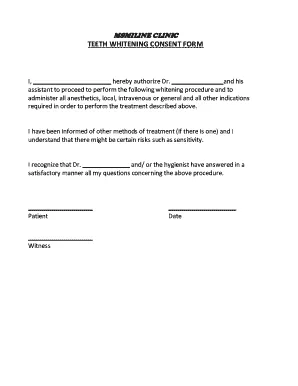
The final part of the consultation form typically includes a consent and signature section. This is where you acknowledge that you have read and understood the information provided, and you give your consent to proceed with the teeth whitening procedure. The consent form typically outlines the risks and benefits of the treatment. It also confirms that you understand the expected outcomes and are aware of any potential side effects. By signing the form, you are confirming that you have been informed about all aspects of the procedure and that you are making an informed decision. This is a critical step in the process, ensuring that you are fully aware of what the procedure entails and that you give your permission to proceed. This step ensures transparency and protects both you and your dentist.
In conclusion, the teeth whitening consultation form is an essential tool in the journey towards a brighter smile. It helps dental professionals understand your needs, expectations, and medical history, while also enabling a customized and safe treatment plan. By carefully completing the form and following the post-treatment instructions, you can achieve optimal results and enjoy a confident, radiant smile. This initial step is critical for a successful outcome.