
Do You Need Teeth Whitening Certification Overview
The world of teeth whitening is vast, offering various methods to achieve a brighter, more confident smile. However, the question often arises, do you need to be certified to perform these procedures? The answer is nuanced and depends on the specific procedures and the legal regulations of your region. This article explores the requirements and benefits of teeth whitening certification, providing essential insights for both professionals and individuals considering the service. Understanding the certification landscape is crucial, ensuring both the safety of the patient and the legality of the procedure. This guide will explore who can perform teeth whitening, the types of certification available, and important considerations before getting certified. So, whether you’re a dental professional, a spa owner, or simply curious about teeth whitening, this guide provides the essential information you need.
Who Can Perform Teeth Whitening
The professionals authorized to perform teeth whitening vary by location, but generally include individuals with specific dental or cosmetic training. This section explores who typically provides these services, ensuring you understand the qualifications of the professionals you might encounter.
Dentists

Dentists are fully qualified and can perform all teeth whitening procedures, including in-office treatments and providing take-home kits. Their comprehensive understanding of oral health allows them to assess the suitability of a patient for teeth whitening and to address any underlying dental issues. They also offer the most advanced teeth whitening treatments that are unavailable to other practitioners. Choosing a dentist ensures a high level of expertise and safety.
Dental Hygienists
Dental hygienists, often working under the supervision of a dentist, are also qualified to perform teeth whitening. Their training includes oral health procedures, making them competent in various teeth whitening techniques, including those done in-office. They are familiar with the anatomy of the mouth and how best to perform teeth whitening safely and effectively, often offering these services as part of a routine dental cleaning.
Dental Assistants
Dental assistants, depending on their training and local regulations, may assist in teeth whitening procedures. They can help with preparation, application, and patient care under the direct supervision of a dentist or dental hygienist. Their role is primarily supportive, ensuring the process runs smoothly and assisting the more senior professionals in the procedure.
Cosmetic Dentists

Cosmetic dentists specialize in enhancing the appearance of teeth and often offer a range of teeth whitening options. They combine the general dental knowledge with a focus on aesthetics, allowing them to provide advanced whitening treatments. These dentists often employ the latest technologies to achieve optimal results. If your goal is a brighter, more attractive smile, a cosmetic dentist is a great option.
Other Professionals
Beyond dental professionals, other practitioners may offer teeth whitening services. However, it’s crucial to verify their certifications and adherence to local regulations to ensure safety and efficacy. The following individuals can also perform the teeth whitening services.
Estheticians
Estheticians, particularly those with additional training or certification, may offer teeth whitening services in spas or salons. These professionals usually focus on superficial cosmetic treatments and may provide less intensive whitening options. Ensure that any esthetician offering teeth whitening is certified and follows all local guidelines to provide safe and effective treatments.
Spas and Salons

Many spas and salons now offer teeth whitening as part of their beauty and cosmetic services. The staff performing these procedures should be properly trained and certified. It’s important to verify their qualifications and the quality of products used, as the laws regarding who can perform teeth whitening can vary greatly from place to place.
What a Teeth Whitening Certification Entails
Teeth whitening certification programs equip individuals with the knowledge and skills necessary to perform these procedures safely and effectively. This section explores the key elements typically covered in a certification program, ensuring a comprehensive understanding of the certification process.
Course Content and Curriculum
A comprehensive teeth whitening certification course covers various topics, including the anatomy of the teeth, different whitening methods, safety protocols, and the handling of potential complications. The curriculum typically includes both theoretical and practical components. Theoretical training covers topics like tooth structure, types of stains, and various whitening agents (such as hydrogen peroxide and carbamide peroxide). Moreover, instruction is provided on how to evaluate patient suitability for whitening and the importance of patient consultation and medical history. Practical training involves hands-on experience with various whitening techniques. This training might include using different types of whitening trays, understanding the use of specialized equipment, and the application of whitening agents. It emphasizes adhering to safety standards to prevent adverse effects like gum irritation or tooth sensitivity.
Hands-on Training and Practical Experience

Practical experience is a critical component of teeth whitening certification. Trainees often work under the supervision of experienced professionals to gain hands-on experience. This practical training allows them to master the techniques of teeth whitening and to handle different patient scenarios. They learn how to correctly apply whitening agents, monitor patient progress, and address any side effects. Hands-on experience ensures that the trainee can provide safe and effective treatments. The importance of practical training cannot be overstressed; it helps ensure proficiency and confidence in performing teeth whitening procedures, leading to better patient outcomes and satisfaction. This practical experience builds a foundation for consistently providing top-quality teeth whitening services.
Accreditation and Licensing
Accreditation ensures that the certification program meets specific educational standards. Licensed programs are often approved by recognized dental or cosmetology boards. Accreditation validates the course content and the quality of instruction. This ensures that the certification program adheres to industry best practices. Graduates from accredited programs often gain more credibility and are better prepared to meet legal requirements. Understanding the program’s credentials will help you make an informed decision about which certification program to join. These programs give you an edge in the competitive cosmetic services industry.
Benefits of Teeth Whitening Certification
Obtaining a teeth whitening certification offers several advantages for both professionals and the services they provide. Here, we will discuss the benefits, showing why it is important for expanding your practice and providing quality service.
Enhanced Credibility and Trust

Certification enhances your credibility and builds trust with your patients. It demonstrates your commitment to professional standards and ensures that you have the knowledge and skills to provide safe and effective treatments. Patients often feel more confident when they know that their service provider is certified and has undergone the proper training. This heightened level of trust can lead to increased patient loyalty and positive word-of-mouth referrals. By promoting your certification, you can differentiate yourself from non-certified providers, attracting more clients and boosting your reputation in the industry. Highlighting your credentials can quickly establish your expertise and build trust with patients.
Expanded Service Offerings
Certification expands your range of services. By becoming certified, you can offer a wider variety of teeth whitening treatments. This expansion increases the revenue streams of your business. Being able to provide teeth whitening can also attract new clients and retain existing ones. Offering multiple services allows you to cater to various client preferences. Diversifying your services strengthens your market position, boosting your profits. Investing in certification allows you to tap into a growing market for cosmetic procedures.
Increased Earning Potential
Teeth whitening certification increases earning potential. Certified professionals can charge premium fees for their specialized services. Adding teeth whitening to your offerings increases your overall revenue. Furthermore, you are able to attract more clients because you provide valuable services. Proper certification also allows you to offer more advanced whitening procedures, which generally command higher prices. Higher earning potential is a clear benefit of certification.
Where to Get Certified for Teeth Whitening
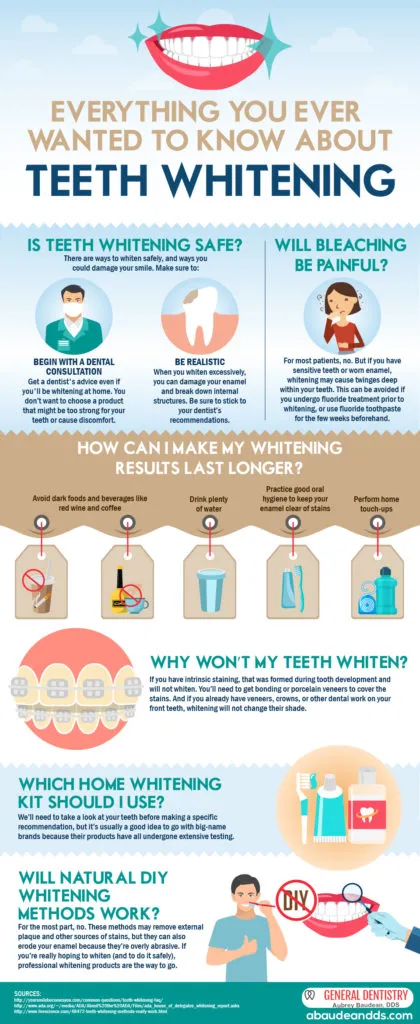
Choosing the right certification program is a crucial step in becoming a certified teeth whitening professional. This section will discuss various options and key considerations.
Online Certification Programs
Online programs offer a convenient way to become certified. They provide flexible schedules and allow you to study at your own pace. Many online courses include detailed video lectures, interactive modules, and downloadable resources. These programs are often more affordable. Before enrolling, verify that the program is accredited. Ensure the program has comprehensive content. While online courses can be convenient, they should not be seen as a substitute for practical hands-on training. Some programs offer a combination of online learning and in-person workshops to provide a well-rounded education.
In-Person Training Courses
In-person training courses provide a hands-on learning experience. These courses typically include practical exercises and direct instruction from experienced professionals. They offer the opportunity to interact with instructors and other students. In-person training facilitates immediate feedback and personalized guidance. Practical experience is extremely important, as it helps to build confidence and competence. Choosing an in-person course ensures you gain essential skills in the field, and also facilitates in-person networking. It provides the most thorough preparation for professional practice. Make sure the course is accredited and offers comprehensive training.
Choosing the Right Certification Program
Selecting the right certification program involves careful consideration. Ensure the program is accredited by a recognized organization. Check the curriculum to confirm that it covers a wide range of topics. Look for hands-on training and practical experience. Consider the instructor’s credentials and expertise. Evaluate the course’s cost, schedule, and location. Check for positive reviews and testimonials from previous students. The best program aligns with your career goals and educational needs. Taking the time to research and select the right program will set the stage for your success.
Important Considerations Before Getting Certified
Before embarking on a teeth whitening certification program, it’s essential to consider various factors. This ensures that you’re well-informed and prepared for the training and professional practice.
Legal and Regulatory Requirements
Legal requirements for performing teeth whitening procedures vary by region. Research and understand the specific regulations in your area. Some states or countries require certifications or licenses to perform these procedures, while others may have less stringent requirements. Stay informed about the law and adjust to any changes. Non-compliance can lead to legal penalties. Ensuring compliance with local regulations will protect your business. By thoroughly investigating these requirements, you can navigate the legal landscape and avoid problems.
Insurance and Liability
Consider insurance and liability issues. Obtain professional liability insurance to protect yourself from potential claims. Understand the risks of teeth whitening, such as tooth sensitivity. Ensure that you have protocols in place to manage any possible complications. Properly documenting all patient consultations and procedures is very important. Having these insurances and practices in place will protect your professional and personal interests. By being well prepared for such situations, you will have peace of mind.
Maintaining Your Certification
Maintaining your certification is a continuous process. Stay current with the latest industry developments. Take continuing education courses to enhance your skills and knowledge. Keep up-to-date with new techniques and products. Ongoing education demonstrates your commitment to professional excellence. Regularly update your certification to remain compliant with industry standards. By prioritizing continuous learning, you demonstrate commitment to the field.
Conclusion
Understanding the certification requirements for teeth whitening is key for anyone seeking to enter the field. By completing the required certification, you will be able to establish your credibility and offer expanded services while increasing your earning potential. By researching programs, you will have an important head start on a successful career. Certification offers a pathway to success in the cosmetic dentistry industry.