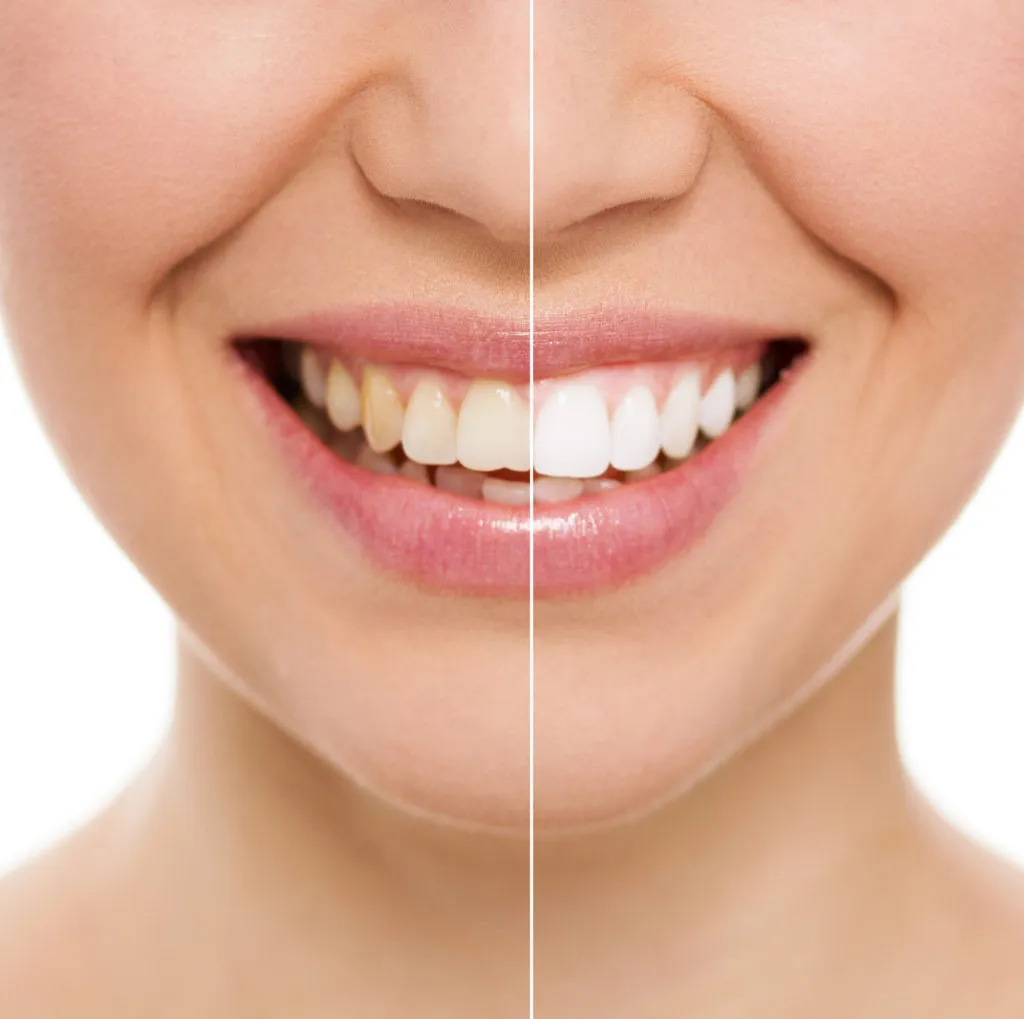
Understanding Teeth Whitening Options
Teeth whitening has become a popular cosmetic procedure, offering individuals a brighter, more confident smile. With various options available, it’s essential to understand the different methods to make an informed decision. This article delves into the two primary approaches bleach and laser teeth whitening comparing their processes, effectiveness, and suitability for different needs. The goal is to provide a comprehensive overview, assisting you in choosing the best teeth whitening solution for your specific dental situation and aesthetic goals. From understanding the science behind the procedures to assessing the practical considerations like cost and convenience, this guide equips you with the knowledge to navigate the world of teeth whitening effectively. It is important to consult with a dentist for a professional opinion tailored to your oral health needs.
The Science Behind Teeth Whitening
Teeth whitening fundamentally relies on the chemical reactions that occur within the enamel of your teeth. The active ingredients in whitening products, primarily hydrogen peroxide or carbamide peroxide, penetrate the porous enamel. These compounds break down into smaller molecules that interact with the stain-causing compounds. The staining agents that cause discoloration, such as tannins from coffee, tea, and wine, as well as pigments from certain foods, are disrupted and broken down. This process lightens the overall appearance of the teeth. The effectiveness of this process is influenced by the concentration of the whitening agent, the duration of its application, and the individual’s tooth structure. The process does not change the internal structure of the teeth but alters the way light reflects off the surface, creating a brighter look. Understanding this fundamental science provides a clearer context for comparing different whitening methods.
How Bleaching Works

Bleaching teeth, also known as chemical whitening, uses bleaching agents to lighten the color of your teeth. This method involves applying a solution containing hydrogen peroxide or carbamide peroxide to the tooth surface. The peroxide breaks down stains and discoloration through oxidation. This process effectively removes stains that have penetrated the enamel. The concentration of the active ingredient varies based on the product. Bleaching can be performed either at home or in a dental office. The process’s effectiveness depends on factors such as the type and severity of the stains, as well as the duration and frequency of application. It’s crucial to follow the instructions provided by your dentist or the product manufacturer carefully to avoid complications. Bleaching is a versatile option, suitable for a wide range of staining issues.
The Bleaching Process
The bleaching process involves several steps. At-home kits typically require applying a bleaching agent, often in a gel form, to custom-fitted trays that fit over your teeth. These trays are worn for a specified period, usually for 30 minutes to several hours daily, for a number of days or weeks. Professional in-office bleaching is more intensive. The dentist applies a stronger bleaching agent and may use a special light or laser to accelerate the process. Before the treatment, your dentist will often clean your teeth and assess their condition to ensure it is safe. The gums are protected with a special barrier to prevent irritation from the bleaching agent. The bleaching agent is then applied to the teeth. After a specified time, it is removed and the teeth are rinsed. The process may be repeated one or more times during the same appointment. The process’s specific details and the number of sessions will vary depending on the chosen method and the desired results.
At-Home Bleaching Kits
At-home bleaching kits offer a convenient and cost-effective way to whiten teeth. These kits typically include custom-fitted trays or strips, along with a bleaching agent that contains a lower concentration of hydrogen peroxide or carbamide peroxide compared to professional treatments. You apply the bleaching agent to the trays and wear them for a designated amount of time, as directed by the product instructions. The treatment duration can range from a few days to several weeks, depending on the kit and the desired level of whitening. These kits are available over the counter or can be prescribed by a dentist. While at-home kits are easier to use, they may require more time to achieve the same level of whitening as professional treatments, and the results may vary depending on factors like the type of stains and the condition of your teeth. It is important to follow all instructions carefully to ensure safety and effectiveness. Consulting with your dentist before starting any at-home treatment is always a good idea.
Professional Bleaching Treatments

Professional bleaching treatments are administered in a dental office and offer several advantages over at-home kits. The dentist uses a higher concentration of bleaching agents, which can produce quicker and more dramatic results. The process often involves applying a protective barrier to the gums to prevent irritation, ensuring patient safety. The dentist can also assess the condition of your teeth and address any underlying issues, such as cavities, before starting the whitening process. Professional treatments may incorporate the use of specialized lights or lasers to accelerate the whitening process, enhancing the effectiveness of the bleaching agents. In-office treatments are typically more expensive than at-home options, but they provide the expertise and supervision of a dental professional. They are best suited for individuals seeking rapid, significant teeth whitening or those with stubborn stains that don’t respond well to at-home treatments. Regular dental check-ups are a must before this procedure to make sure your teeth are healthy.
How Laser Whitening Works
Laser teeth whitening, also known as power whitening or light-accelerated whitening, combines a bleaching agent with a laser light to enhance the whitening process. The dentist applies a concentrated hydrogen peroxide gel to the teeth. The laser’s energy accelerates the chemical reaction of the bleaching agent, making it more effective in breaking down stains and lightening the enamel. The laser light does not directly whiten the teeth; instead, it acts as a catalyst, speeding up the process. The laser is typically applied to the teeth for a short period, often in multiple sessions during a single dental visit. This method is popular for its rapid results and the ability to lighten teeth several shades in a single appointment. The effectiveness of the laser whitening is comparable to other methods but the speed of whitening is enhanced. The entire procedure is done in a dentist’s office and gives instant results.
The Laser Whitening Process
The laser whitening process generally begins with a thorough cleaning of your teeth to remove any surface stains or plaque. The dentist isolates your teeth, often using a cheek retractor, to ensure that the bleaching agent only comes into contact with the teeth. The gums are protected with a liquid dam or a rubber shield to prevent irritation from the whitening gel. The dentist then applies the whitening gel to the surface of your teeth. A laser light is directed at the teeth to activate and accelerate the whitening process. The laser may be applied in multiple 15-minute sessions, depending on the desired results and the product used. After the laser treatment, the whitening gel is removed, and your teeth are rinsed. Some dentists may apply a fluoride treatment to reduce sensitivity after the procedure. The entire process usually takes about an hour. The number of sessions depends on the severity of the discoloration.
Benefits of Laser Whitening

Laser teeth whitening offers several key benefits. One of the most significant advantages is the speed at which results are achieved. The process often provides immediate whitening, with noticeable changes in the shade of your teeth after just one session. It can lighten teeth multiple shades in a short amount of time. This rapid outcome is particularly appealing for individuals who need a quick and effective solution. The procedure is typically performed in a dentist’s office. Laser whitening is considered a safe procedure when done by a trained dental professional. Some individuals may experience reduced tooth sensitivity when compared to other whitening methods. It is efficient at removing stubborn stains and can be used in conjunction with other whitening treatments, like bleaching, for improved outcomes. Laser whitening is suitable for anyone looking for fast and impressive results.
Potential Risks and Side Effects
Both bleach and laser teeth whitening methods can have potential risks and side effects. The most common side effect is increased tooth sensitivity, which can range from mild to moderate and typically subsides within a few days after the treatment. Gum irritation, caused by contact with the bleaching agent, is another potential side effect. It is usually temporary and can be minimized by protective measures, such as applying a gum barrier. The effectiveness of the treatment depends on the method used and the condition of the teeth. In rare cases, teeth whitening can cause enamel damage or increased susceptibility to cavities. It’s crucial to consult your dentist to discuss your oral health. People with existing dental issues, like cavities or gum disease, should address these problems before undergoing any whitening procedure. Some people might not see desired results or have an allergic reaction.
Bleach vs Laser A Comparison
When comparing bleach and laser teeth whitening, there are several key factors to consider. Bleaching, whether at home or in a dental office, is typically more affordable than laser whitening. The bleaching process is less invasive. Laser whitening provides quicker results, offering a faster turnaround time. Laser whitening may be more effective for stubborn stains, although results can vary depending on the individual. Both methods involve similar risks and side effects, such as increased sensitivity and gum irritation. Laser whitening often requires a single visit to the dentist, while bleaching may require multiple applications. The choice between the two depends on your budget, schedule, the degree of whitening desired, and your oral health. It is important to consult with your dentist to get a professional opinion on which option best suits your needs. The decision is based on personal preference, cost, and time constraints.
Effectiveness and Results

The effectiveness of teeth whitening varies based on the method used and individual factors. Laser whitening often delivers immediate and more dramatic results, with teeth lightening several shades in a single session. Bleaching, both at-home and professional, typically requires more time to achieve similar levels of whitening. The results of both methods are influenced by the type and severity of the stains, with certain stains responding better to one method over the other. The maintenance of results is also a consideration. Results from professional treatments can last from several months to a few years, while at-home treatments can have shorter-term effects. Maintaining a good oral hygiene routine and avoiding stain-causing foods and drinks, such as coffee, tea, and red wine, is essential to prolong the whitening effects. The level of initial shade and maintenance efforts play a huge role in the longevity of whitening.
Cost and Accessibility
The cost and accessibility of teeth whitening options vary. At-home bleaching kits are generally the most affordable option, making them accessible to a wider audience. These kits can be purchased over the counter or prescribed by a dentist. Professional bleaching treatments are more expensive, given the cost of professional fees and more advanced equipment. Laser whitening is typically the most expensive method due to the specialized equipment and expertise required. Accessibility depends on location and the availability of dental professionals who offer these services. At-home kits are readily accessible, while professional treatments require an appointment with a dentist. Dental insurance may not cover cosmetic procedures such as teeth whitening, so the cost is typically borne by the patient. You should compare prices and accessibility to determine the best option for your budget and location. The availability of both methods varies based on geographic location.
Time and Convenience
Time and convenience are important factors to consider when choosing a teeth whitening method. At-home bleaching kits require daily application over a period of weeks, offering flexibility in your schedule. The time commitment varies based on the product instructions. Professional bleaching treatments are typically completed in one or a few dental visits, providing a quicker turnaround time. Laser whitening usually takes the least amount of time, with results visible immediately after a single session. This is a major benefit for busy individuals. Professional treatments, while time-efficient, require scheduling appointments. You can compare how much time you are willing to invest in the process. You must factor in appointment availability and the length of each session. Factor in the time required for maintenance and follow-up appointments. You can evaluate your lifestyle and commitments to determine which method suits your schedule best.
Side Effects and Sensitivity

Both bleach and laser teeth whitening methods can cause side effects, primarily increased tooth sensitivity and gum irritation. Sensitivity often occurs because the bleaching agents temporarily affect the enamel’s permeability. This sensitivity can range from mild to moderate and typically subsides within a few days. Gum irritation is caused by contact with the bleaching agent and is usually temporary, resolving shortly after the treatment. To manage sensitivity, dentists may recommend using a toothpaste formulated for sensitive teeth before and after treatment. They can also provide fluoride treatments. The severity of side effects can vary, and some individuals might experience no issues at all. Proper adherence to the dentist’s instructions is crucial to minimizing the risk of these side effects. In order to limit side effects, you must ensure that your dentist is highly trained. You should make sure to report any unusual symptoms. Consider these side effects when choosing the best whitening approach.
Making the Right Choice for You
Choosing the right teeth whitening method depends on several factors, including your budget, the desired results, your schedule, and your dental health. If you’re looking for the most affordable option and are willing to invest time, at-home bleaching kits may be suitable. If you desire faster, more dramatic results and have a bit more to spend, professional bleaching or laser whitening may be better choices. Assess the level of whitening you want to achieve and consult with your dentist about your specific needs. Consider any existing dental issues, such as cavities or gum disease, which should be addressed before any whitening procedure. Make sure you are able to maintain good oral hygiene and be realistic about your expectations. Discuss your options with your dentist to get professional recommendations tailored to your situation. The best approach is the one that aligns with your lifestyle and ensures a healthy and beautiful smile.
Factors to Consider
Several factors influence the decision of which teeth whitening method to choose. The first is your budget. The cost of various treatments varies, from the more affordable at-home kits to the higher expense of professional laser whitening. Consider your time commitments. At-home kits require daily use over several weeks, whereas professional treatments offer quicker solutions. Think about your lifestyle and convenience. Laser whitening offers immediate results, which is ideal for busy schedules. Also, consider your current oral health. People with existing dental issues should address them before whitening their teeth. The degree of staining and desired level of whitening can also influence the decision. Consult your dentist to discuss the options and get personalized advice. The final decision will depend on what works best with your individual circumstances. Carefully evaluating these elements will help you to pick the most appropriate method for you.
Consulting Your Dentist
Consulting your dentist is a crucial step in any teeth whitening journey. Your dentist can assess your oral health, identify any existing dental issues, and determine the most suitable whitening method for your specific needs. They can also provide professional advice based on their examination. Your dentist will be able to explain the benefits, risks, and limitations of each whitening option. During a consultation, your dentist can also discuss your expectations and provide realistic outcomes. They can also address any concerns you may have and ensure that the chosen method is safe and effective. Before starting any teeth whitening treatment, you will likely have a full dental examination. Your dentist can also provide guidance on maintaining your results and avoiding staining in the future. This will guarantee that you have a safe and successful teeth whitening experience. You can get the best and safest results with a professional opinion.