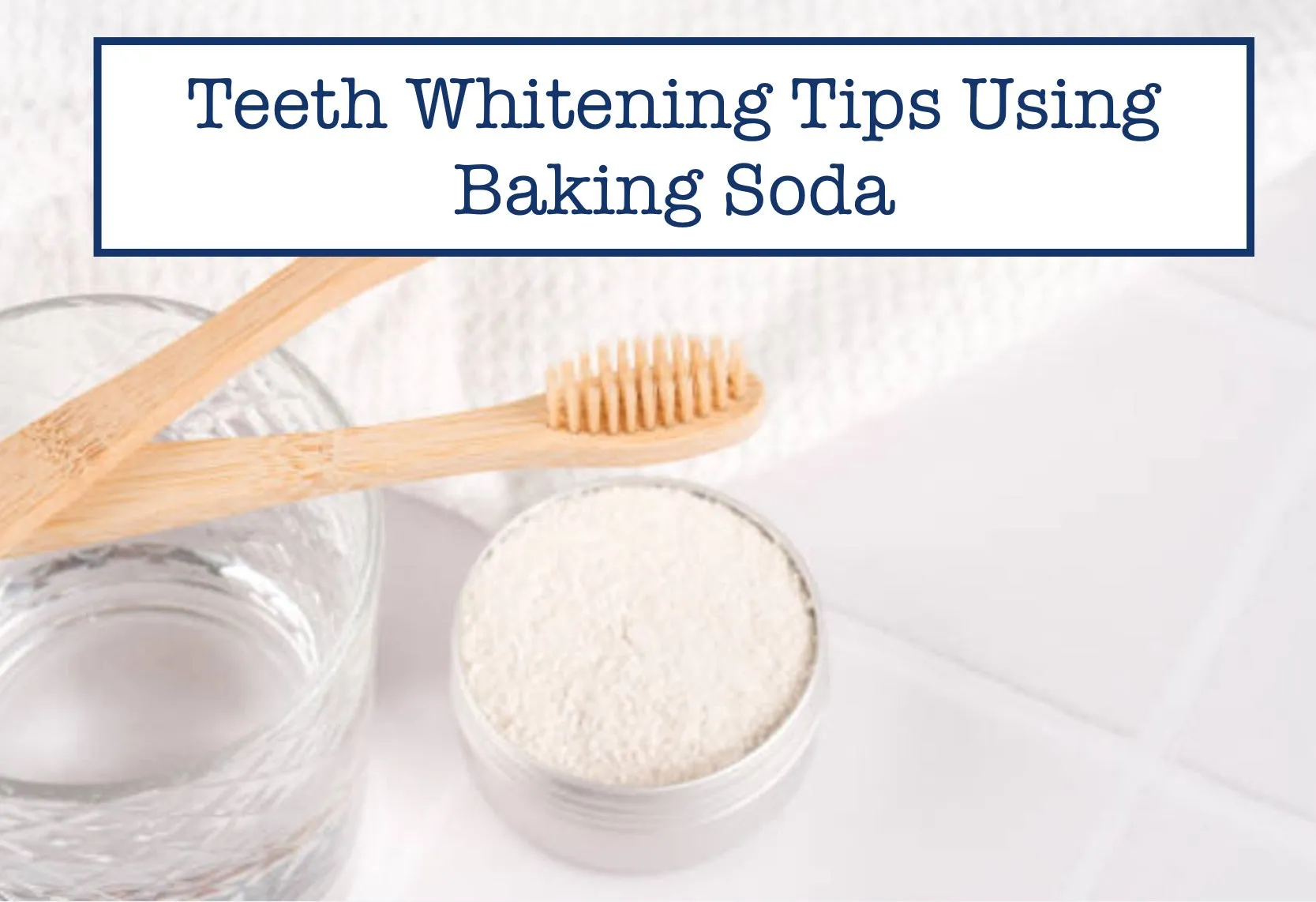
The Science of Teeth Whitening with Baking Soda
Teeth whitening with baking soda has become a popular DIY method for enhancing your smile. But how does it work? Understanding the science behind this simple remedy is crucial to manage expectations and ensure you’re using it safely and effectively. Baking soda, also known as sodium bicarbonate, has properties that contribute to its cleaning and whitening capabilities. Its abrasive nature helps remove surface stains, while its mild alkaline properties can neutralize acids in your mouth, potentially reducing the erosion of tooth enamel. The effectiveness, however, varies from person to person and depends on various factors, including the type and severity of stains and the individual’s oral health.
How Baking Soda Works for Teeth Whitening
Baking soda primarily works through physical and chemical actions. It is not a bleaching agent like hydrogen peroxide, which is common in professional teeth whitening treatments. Instead, it focuses on cleaning and removing surface stains. The fine particles of baking soda act like a gentle abrasive, helping to scrub away stains caused by coffee, tea, wine, and other food products. Additionally, baking soda can help to disrupt the formation of plaque and tartar, contributing to overall oral health. While it can brighten your teeth, it’s essential to understand that baking soda may not be as effective on deeper stains or intrinsic discoloration, which often requires professional treatment.
The Abrasive Nature of Baking Soda

The abrasive quality of baking soda is a double-edged sword. On one hand, it’s this property that allows it to effectively scrub away surface stains and make teeth appear brighter. However, excessive or improper use can lead to enamel erosion. Enamel is the hard, protective outer layer of your teeth. When it is worn down, it can expose the underlying dentin, which is more susceptible to staining and sensitivity. Therefore, it is critical to use baking soda gently and in moderation. The abrasive quality is measured on a scale, and while baking soda is relatively low on this scale compared to some other abrasive substances, regular use can still cause damage over time.
Chemical Reactions and Whitening
Baking soda has a slight chemical effect that contributes to the whitening process. It is a mild base, which means it can help neutralize acids in your mouth. These acids can be produced by food and bacteria, contributing to enamel erosion and the breakdown of tooth structure. By creating a more alkaline environment, baking soda helps to reduce the acidity and thus protect your enamel. Moreover, baking soda can react with certain stains, helping to break them down. Although the chemical reaction is not as potent as that of hydrogen peroxide, it plays a supporting role in the overall whitening effect. It’s this combined physical and chemical action that gives baking soda its teeth-whitening capabilities.
Preparing Your Teeth for Baking Soda Treatment
Before you start using baking soda for teeth whitening, there are a few important considerations to take. First, assess your current oral health. If you have any existing dental problems, such as cavities, gum disease, or sensitive teeth, it’s a good idea to consult your dentist before starting any new whitening regimen. They can advise whether baking soda is suitable for you and suggest other potentially better approaches based on your specific needs. A professional cleaning can also help to remove any surface stains and plaque buildup, maximizing the effectiveness of the baking soda treatment. Remember, a healthy foundation is essential for any successful whitening process.
Choosing the Right Baking Soda

Not all baking soda is created equal, at least in terms of its suitability for teeth whitening. You should choose food-grade baking soda. This type is specifically formulated for human consumption and is free from additives that could be harmful to your teeth or overall health. Make sure the baking soda you’re using is fresh, as it can lose its potency over time. Avoid using baking soda that is past its expiration date, as it may not be as effective. Store the baking soda in a dry place to prevent clumping, ensuring it’s in optimal condition for whitening. Check the label to make sure it’s pure sodium bicarbonate and has no other additives.
Mixing Baking Soda with Other Ingredients
Baking soda can be used on its own, but many people combine it with other ingredients to enhance its whitening effects or improve the taste. Water is the simplest and most common choice for making a paste. A few drops of water are usually sufficient to create a paste-like consistency. However, some people incorporate other ingredients, such as lemon juice or hydrogen peroxide. While these ingredients can potentially boost the whitening power, it’s essential to proceed with caution. Lemon juice is highly acidic and can erode enamel if used frequently, while hydrogen peroxide, while effective, can cause increased sensitivity. Using too much of these ingredients or using them too often can be harmful. Always use them in moderation and consult a dentist if you have any concerns.
Common Ingredients and Their Effects
Several ingredients are often mixed with baking soda for teeth whitening, each offering distinct effects. Lemon juice is a popular addition, but its high acidity can erode enamel and increase sensitivity if used frequently. Hydrogen peroxide, a mild bleaching agent, can provide stronger whitening but might cause sensitivity and irritation. Coconut oil, known for its antibacterial properties, can improve oral hygiene and contribute to the overall health of your mouth. Some people also add a few drops of essential oils, such as peppermint, for flavor and added benefits. It’s important to research each ingredient before incorporating it into your routine to understand its potential benefits and risks.
The Application Process Step by Step

The application process for teeth whitening with baking soda is relatively straightforward, but it’s important to follow the correct steps to minimize the risk of damage and maximize the benefits. First, make sure your teeth are clean by brushing gently with regular toothpaste to remove food particles and loose debris. Then, create a paste by mixing baking soda with water or another suitable ingredient, like a small amount of coconut oil. Dip your toothbrush into the paste, ensuring you cover the bristles evenly. Brush your teeth gently with the paste, using small circular motions for about two minutes. Rinse your mouth thoroughly with water after brushing to remove all traces of baking soda.
Brushing Technique for Effective Whitening
The brushing technique plays a crucial role in achieving effective teeth whitening with baking soda. Use gentle, circular motions when brushing, applying light pressure. Avoid vigorous scrubbing, which can damage enamel and lead to sensitivity. Make sure to brush all surfaces of your teeth, including the front, back, and chewing surfaces. Pay special attention to areas with more staining. Using a soft-bristled toothbrush is essential to avoid any potential damage to the enamel. Be thorough but gentle to maximize the whitening effects while minimizing the risk of abrasion.
Frequency and Duration of Brushing
The frequency and duration of brushing with baking soda is important for safety and effectiveness. Dentists recommend that you should not brush with baking soda more than two or three times per week. Brushing too often can wear down your enamel. Each brushing session should last for about two minutes, the same duration recommended for regular brushing with toothpaste. Any more can increase the risk of enamel erosion. Monitor your teeth for any signs of sensitivity, such as pain or discomfort, and reduce the frequency of use if you experience these symptoms. You can also alternate between using baking soda and regular toothpaste on different days to balance cleaning and protection.
Post-Whitening Care and Maintenance

After whitening your teeth with baking soda, proper post-whitening care is crucial to maintain the results and protect your oral health. Rinse your mouth thoroughly with water to remove any remaining baking soda paste. You can also use a fluoride mouthwash to help strengthen your enamel. Avoid consuming staining foods and drinks, such as coffee, tea, and red wine, for at least an hour after brushing. This helps prevent the newly whitened teeth from absorbing stains. Following a consistent oral hygiene routine, including regular brushing and flossing, will help you keep your teeth clean and bright. Additionally, consider scheduling regular dental checkups and cleanings to keep your teeth healthy and free of plaque buildup.
Managing Sensitivity
Teeth sensitivity is a potential side effect of teeth whitening with baking soda. If you experience sensitivity, there are several steps you can take to manage it. Use a toothpaste specifically designed for sensitive teeth, which contains ingredients like potassium nitrate that help to block the tubules in your dentin, reducing sensitivity. Avoid using baking soda for a few days to give your teeth time to recover. You may also apply a desensitizing gel or varnish to your teeth, which your dentist can provide. If sensitivity persists or worsens, consult your dentist to rule out any underlying dental issues and explore other treatment options. Additionally, you can make adjustments to the frequency and technique of brushing with baking soda.
Long-Term Oral Hygiene Practices
Maintaining good long-term oral hygiene practices is essential for a bright and healthy smile. Brush your teeth twice daily for two minutes each time, using fluoride toothpaste. Floss daily to remove plaque and food particles from between your teeth, where your toothbrush can’t reach. Use an antibacterial mouthwash to further reduce bacteria and plaque. Limit your intake of sugary and acidic foods and drinks. Regular dental checkups and professional cleanings are also vital to prevent cavities, gum disease, and other dental problems. These checkups allow your dentist to detect and address any issues early, maintaining your oral health and the appearance of your teeth. Consider using whitening toothpaste regularly to help maintain the brightness of your teeth.
Assessing Before and After Results

Evaluating your results after teeth whitening with baking soda is important to understand its effectiveness and make necessary adjustments to your routine. Be patient, as results typically appear gradually over time. You may not see dramatic changes after the first few uses, but regular, consistent use can yield visible improvements. Consider the degree of your stains before beginning the treatment. Baking soda works best for removing surface stains caused by food and drinks. Intrinsic stains, such as those caused by genetics or medication, are more difficult to remove with this method. It’s also important to assess any potential side effects, such as increased sensitivity, and adjust your treatment accordingly. If you don’t see the results you want, discuss other whitening options with your dentist.
Taking Before and After Photos
Taking before and after photos is an effective way to track your progress and visually assess the results of your teeth whitening treatment. Take a photo of your teeth before you begin using baking soda. Ensure good lighting and a clear view of your teeth. Take a photo with your mouth in a natural position, without any smiling or forced expressions. After several weeks of regular treatment, take another photo under the same lighting conditions. This allows for a direct comparison of the before and after images. Comparing the photos lets you objectively measure the changes in the shade of your teeth, allowing you to gauge the effectiveness of the treatment. Keep a record of your photos for future reference.
What to Look For in the Results
When assessing your results, you should look for noticeable changes in the color of your teeth. Pay attention to whether your teeth appear brighter or if the stains have diminished. The improvement may not be a dramatic change in shade, and the effectiveness varies from person to person. The results may vary based on the severity of the stains. Surface stains will likely respond more quickly to the baking soda treatment compared to deeper stains. Moreover, keep an eye out for any changes in your teeth’s sensitivity or any signs of enamel erosion. If your teeth become more sensitive, you should reduce the frequency of use. If you don’t see the results you want or experience adverse effects, you might consider alternative whitening methods or consult with your dentist.
Understanding the Limitations of Baking Soda

While teeth whitening with baking soda can be a simple and affordable method for enhancing your smile, it’s important to be realistic about its limitations. Baking soda is not as strong as professional whitening treatments, such as those done by a dentist. It primarily works on removing surface stains, not addressing intrinsic discoloration. If you have deep stains or other dental issues, baking soda might not be the best solution. It’s crucial to understand these limitations to set appropriate expectations and avoid disappointment. If you are looking for more dramatic or immediate results, professional teeth whitening might be the better option. Consult your dentist to determine the best treatment for your specific needs.
Is Baking Soda Right for Everyone?
Whether baking soda is right for you depends on several factors, including your oral health, the type and severity of your stains, and your personal preferences. If you have any existing dental issues, such as cavities, gum disease, or sensitive teeth, you should consult your dentist before using baking soda. Those with sensitive teeth should exercise particular caution, as the abrasive nature of baking soda can worsen sensitivity. It’s also important to consider the nature of your stains. If the stains are deep or intrinsic, baking soda may not be effective. Those seeking dramatic whitening results might consider professional teeth whitening options. If you are unsure, always consult your dentist for personalized advice.
Potential Risks and Side Effects
While baking soda is generally considered safe, it’s important to be aware of the potential risks and side effects. The primary risk is enamel erosion due to its abrasive nature. Overuse or aggressive brushing can damage the enamel, leading to increased sensitivity and a higher risk of cavities. Some individuals may experience increased tooth sensitivity or irritation of the gums. If you experience any discomfort, reduce the frequency of use or discontinue use altogether. Prolonged use can also make your teeth more susceptible to staining. Before starting any new teeth whitening routine, you should consult your dentist. They can assess your oral health, provide personalized advice, and help you determine if baking soda is a suitable option.