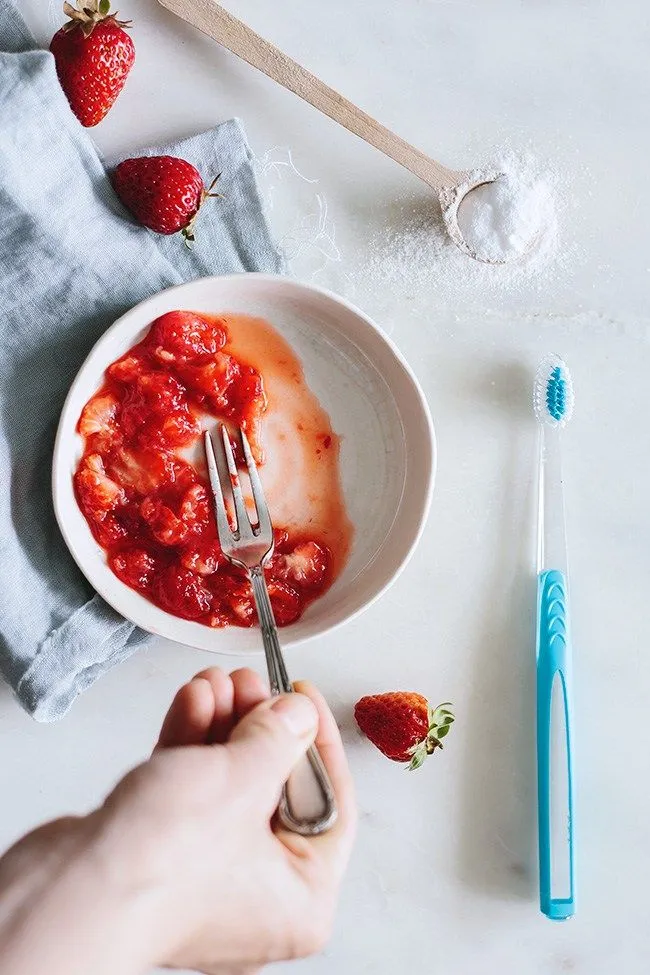
Why Teeth Whitening Matters
A brighter smile can have a significant impact on your overall appearance and self-esteem. Teeth whitening is no longer just a cosmetic procedure; it’s a way to boost your confidence and make a positive first impression. When you have a radiant smile, you tend to smile more, which can improve your mood and the way others perceive you. In today’s world, where appearances often play a crucial role, having a white smile can give you a competitive edge, both personally and professionally. The ability to smile confidently is invaluable.
The Benefits of a Brighter Smile
Beyond the aesthetic advantages, teeth whitening offers several benefits. It can make you look younger and healthier, creating a more vibrant and energetic image. A white smile often signifies good oral hygiene and overall health, which can lead to better social interactions and professional opportunities. Moreover, teeth whitening can encourage you to take better care of your teeth, leading to improved oral health habits. The psychological benefits are also noteworthy; a brighter smile can boost your self-confidence and reduce feelings of self-consciousness, leading to a more positive outlook on life and increased social interactions.
Understanding Teeth Staining

Teeth staining occurs due to various factors, both intrinsic and extrinsic. Extrinsic stains affect the enamel’s surface, while intrinsic stains originate from within the tooth structure. Understanding the causes of these stains is crucial for selecting the most effective teeth whitening methods. Surface stains are often caused by dietary habits, while deeper stains can result from medications, aging, or dental procedures. Knowing what causes your teeth to discolor will help you determine the best approach for restoring your natural white smile and maintaining it long-term. This knowledge empowers you to make informed decisions about your oral care.
Common Causes of Tooth Discoloration
Several factors can lead to tooth discoloration. Aging is a significant contributor, as the enamel wears down over time, revealing the yellowish dentin beneath. Tobacco use, whether smoking or chewing, stains teeth significantly. Dietary habits also play a crucial role. Consumption of dark-colored foods and beverages such as coffee, tea, red wine, and berries can cause surface stains. Certain medical treatments, such as chemotherapy or radiation, can also impact tooth color. Additionally, poor oral hygiene, including inadequate brushing and flossing, can lead to plaque buildup and stains. Understanding these causes helps you take preventive measures and choose appropriate teeth whitening treatments.
Foods and Drinks That Stain Teeth
Many common foods and drinks contribute to tooth staining. Coffee and tea contain tannins, which can stain the enamel. Red wine, due to its pigments and acidity, is another major culprit. Dark-colored sodas and sports drinks can also cause staining. Berries, such as blueberries and blackberries, are rich in pigments that can discolor teeth. Tomato-based sauces and curries can also contribute to staining. Regular consumption of these items increases the likelihood of staining, highlighting the need for diligent oral hygiene and potentially teeth whitening treatments to counteract their effects. Limiting these foods and drinks can help maintain a brighter smile.
Easy Homemade Teeth Whitening Methods

Several methods can be used to whiten your teeth at home. These DIY approaches often utilize readily available ingredients, making them accessible and affordable. However, it’s essential to use these methods with caution and moderation. Always consult a dentist if you have any concerns about the safety or effectiveness of these treatments. Remember that while these methods can improve the appearance of your teeth, they may not provide the same results as professional treatments, and they require consistent use to see noticeable changes. Always prioritize your oral health and practice safe methods to achieve the desired results.
Baking Soda and Hydrogen Peroxide Whitening
The combination of baking soda and hydrogen peroxide is a popular homemade teeth whitening method. Baking soda acts as a mild abrasive that helps remove surface stains, while hydrogen peroxide has bleaching properties that can lighten the teeth. This combination is often used due to its accessibility and relatively low cost. It’s important to note that these ingredients should be used cautiously to avoid damaging tooth enamel. Regular use is typically required to observe any significant changes in tooth color. Always research and practice this method safely.
How to Use Baking Soda for Teeth Whitening
To use baking soda for teeth whitening, mix a small amount (about a teaspoon) of baking soda with enough water to form a paste. Apply this paste to your toothbrush and gently brush your teeth for about two minutes. Rinse thoroughly with water. It’s important not to brush too aggressively, as this can damage the enamel. Use this method no more than once or twice a week to avoid potential damage. Always consult your dentist before incorporating baking soda into your oral hygiene routine to make sure it’s appropriate for your dental needs.
Hydrogen Peroxide Application and Precautions

Hydrogen peroxide can be used as a mouthwash to help whiten teeth. Mix a 3% hydrogen peroxide solution with equal parts water. Swish this mixture around your mouth for about 30-60 seconds, then rinse thoroughly with water. Avoid swallowing the solution. Hydrogen peroxide can cause sensitivity or irritation, so it is best to start with a low concentration and limit the frequency of use to a few times per week. It is essential to consult a dentist to see if this method is safe and effective for you. Overuse can damage enamel and lead to other oral health problems.
Coconut Oil Pulling for Whitening
Coconut oil pulling is an ancient Ayurvedic practice believed to remove toxins from the mouth and whiten teeth. It involves swishing coconut oil in your mouth for a certain period. The oil helps to reduce bacteria, remove plaque, and can contribute to teeth whitening. While the scientific evidence is still limited, many people find it to be an effective and natural method for improving oral hygiene and achieving a brighter smile. It is a gentle and relatively safe method, making it an appealing option for those seeking natural teeth whitening solutions.
The Science Behind Oil Pulling
The mechanism behind oil pulling is thought to be the way oil interacts with bacteria and plaque in the mouth. The oil adheres to the bacteria and debris, effectively removing them from the teeth and gums when you spit it out. Coconut oil, in particular, contains lauric acid, which has antimicrobial properties. While more research is needed to fully understand the effects of oil pulling, anecdotal evidence suggests it can help reduce gingivitis, remove toxins, and improve overall oral health. Further studies are needed to confirm its effectiveness in teeth whitening.
How to Perform Oil Pulling Correctly

To perform oil pulling, take about a tablespoon of coconut oil and swish it around your mouth for 15-20 minutes. Ensure the oil reaches all parts of your mouth, including between your teeth. After swishing, spit the oil into the trash, as it can clog drains. Rinse your mouth with water, and then brush your teeth as usual. Oil pulling should be done on an empty stomach, ideally in the morning before eating or drinking. Consistency is key; it might take several weeks to see noticeable results. Regular practice, combined with other oral hygiene practices, will improve your oral health.
Lemon and Baking Soda Paste
A mixture of lemon juice and baking soda is another DIY teeth whitening method. The acidity of lemon juice, combined with the abrasive action of baking soda, is believed to remove stains. However, this combination can be very harsh on tooth enamel. The high acidity of lemon juice can erode the enamel over time, leading to increased sensitivity and an increased risk of decay. This method should be approached with extreme caution, as the potential risks often outweigh the benefits. If you decide to try it, use it very sparingly and only under the guidance of a dental professional.
The Risks of Using Lemon on Teeth
The high acidity of lemon juice poses significant risks to dental health. Repeated exposure to lemon juice can erode tooth enamel, leading to dental sensitivity and an increased risk of cavities. Erosion of enamel can also make your teeth appear more transparent or yellow over time. Using lemon juice for teeth whitening may lead to permanent damage, necessitating expensive dental treatments. It’s crucial to be aware of these risks and to consider safer alternatives for teeth whitening. Consulting with a dentist before attempting any home remedies is always recommended to avoid damaging your teeth.
Tips for a Safe and Effective Whitening Routine

When using homemade teeth whitening methods, it’s important to prioritize safety and effectiveness. Start with gentle methods and monitor your teeth for any signs of sensitivity or damage. Always follow the instructions carefully and avoid using excessive amounts of abrasive ingredients. Limit the frequency of treatments to prevent enamel erosion. If you experience any discomfort, discontinue the treatment immediately and consult your dentist. A safe and effective whitening routine balances achieving desired results with maintaining the health and integrity of your teeth.
Maintaining Your White Smile
Maintaining your white smile requires a consistent oral hygiene routine and lifestyle adjustments. Brushing your teeth twice a day with fluoride toothpaste is crucial, along with flossing daily to remove plaque and food particles. Regular dental check-ups and professional cleanings are essential for maintaining optimal oral health and removing any surface stains. Avoiding or limiting staining foods and drinks can also help preserve the brightness of your teeth. Staying hydrated by drinking plenty of water helps maintain the natural whiteness. Following these practices will help you maintain a brighter smile.
Oral Hygiene Practices
Proper oral hygiene is fundamental for maintaining a white and healthy smile. Brush your teeth for two minutes each time, ensuring you reach all surfaces of your teeth. Use a fluoride toothpaste to strengthen enamel and protect against cavities. Floss daily to remove plaque and food particles from between your teeth and along the gum line. Consider using an antibacterial mouthwash to further reduce bacteria in your mouth. Replace your toothbrush every three months or sooner if the bristles become frayed. Regular dental check-ups and professional cleanings are also essential to remove plaque and tartar and maintain your overall oral health.
Foods to Avoid for a Brighter Smile

To maintain a white smile, it’s helpful to limit or avoid foods and drinks known to stain teeth. This includes coffee, tea, red wine, and dark-colored sodas. Berries like blueberries, blackberries, and raspberries can also contribute to staining, along with tomato-based sauces, curries, and soy sauce. If you consume these items, rinse your mouth with water afterward or brush your teeth to minimize staining. By being mindful of your dietary choices, you can prolong the effects of teeth whitening treatments and maintain a brighter smile.
Professional Teeth Whitening Options
If you’re looking for more significant results, professional teeth whitening treatments are a great option. These treatments, performed by a dentist, use stronger bleaching agents than those available for home use, leading to faster and more dramatic results. There are two main types of professional whitening treatments: in-office whitening, where the procedure is done in the dentist’s office, and take-home whitening kits, which involve custom-fitted trays and professional-strength whitening gel. Both offer controlled and supervised treatments, minimizing the risk of enamel damage and ensuring optimal outcomes. Consulting with your dentist will help you decide which option is best for your needs.
When to Consult a Dentist
It’s essential to consult a dentist before trying any teeth whitening method, especially homemade ones. A dentist can assess your oral health, identify any underlying issues, and recommend the safest and most effective treatment plan. They can also provide professional teeth whitening treatments that are more powerful and offer predictable results. If you experience tooth sensitivity, gum irritation, or any other dental problems, seek professional advice immediately. Regular dental check-ups and cleanings are vital for maintaining a healthy, bright smile. Your dentist can guide you through the options that are best for your oral health.