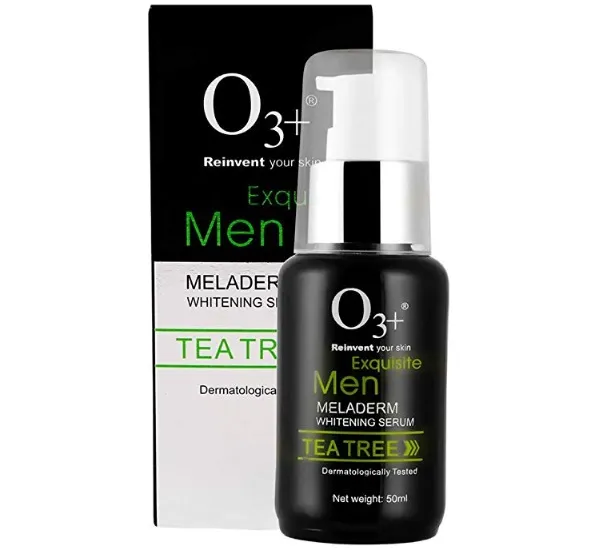
Understanding Skin Whitening Serums
In the bustling beauty market of India, the quest for radiant and even-toned skin has led to the widespread popularity of skin whitening serums. These products promise to lighten dark spots, reduce hyperpigmentation, and improve overall skin complexion. However, with a plethora of options available, choosing the right serum can be a daunting task. This comprehensive guide will help you navigate the world of skin whitening serums in India, ensuring you make informed decisions for your skincare needs. Understanding the intricacies of these products is crucial for achieving desired results while maintaining skin health. The effectiveness of a skin whitening serum hinges on several factors, including the ingredients used, your skin type, and the overall skincare routine. This guide will delve into each of these aspects, providing you with the knowledge needed to select the best serum for your skin.
What is a Skin Whitening Serum?
A skin whitening serum is a concentrated skincare product formulated to lighten dark spots, even out skin tone, and reduce hyperpigmentation. These serums typically contain active ingredients that inhibit melanin production, the pigment responsible for skin color. In India, where various skin tones and types are prevalent, these serums are designed to address concerns like sunspots, acne scars, and uneven skin tone. They are often lightweight and easily absorbed, making them suitable for daily use. The primary goal of skin whitening serums is to promote a brighter, more luminous complexion. These serums often combine ingredients such as Vitamin C, niacinamide, and arbutin, each playing a specific role in skin brightening and overall health. The formulation of these serums varies depending on the manufacturer and the specific skin concerns they target. Choosing a serum that aligns with your skin type and goals is the first step toward effective results.
How Skin Whitening Serums Work

Skin whitening serums work through various mechanisms, primarily targeting melanin production. Melanin is produced by melanocytes, specialized cells in the skin. The active ingredients in these serums interfere with the process by which melanocytes create melanin, leading to a reduction in pigment. Ingredients like hydroquinone, kojic acid, and arbutin inhibit tyrosinase, an enzyme essential for melanin synthesis. Other ingredients, such as Vitamin C and niacinamide, act as antioxidants and anti-inflammatory agents, supporting skin health while indirectly contributing to skin brightening. These serums also help to exfoliate the skin, removing dead skin cells and revealing a brighter layer underneath. Regular use of a skin whitening serum can lead to noticeable improvements in skin tone and texture. It is important to understand that results vary depending on the serum’s formulation, the individual’s skin type, and adherence to a consistent skincare routine. The key is patience and consistency, as skin brightening is a gradual process.
Identifying Your Skin Type
Before choosing a skin whitening serum, it’s crucial to identify your skin type. This will help you select a product that effectively addresses your skin concerns without causing irritation or adverse reactions. Skin types are generally categorized as oily, dry, combination, normal, and sensitive. Each type has unique characteristics and requires specific care. For instance, oily skin tends to produce excess sebum, making it prone to acne and shine, while dry skin lacks moisture and can feel tight and flaky. Combination skin has oily areas (usually the T-zone) and drier areas on the cheeks. Normal skin is balanced, and sensitive skin is easily irritated. Knowing your skin type will guide you in choosing the right ingredients and formulations. Consider factors like how your skin feels throughout the day, its tendency to produce oil, and any sensitivities you may have. Consulting a dermatologist can provide a professional assessment and personalized recommendations for your skin type.
Oily Skin and Skin Whitening Serums
Oily skin requires serums that are lightweight and non-comedogenic, meaning they won’t clog pores. Ingredients like salicylic acid can help control oil production while also exfoliating and promoting skin brightening. Look for serums that are water-based and contain ingredients like niacinamide, which helps regulate oil production and minimizes pores. Serums with a gel-like consistency are often preferred as they are less likely to feel heavy on the skin. Avoid serums with heavy oils or rich creams, as these can exacerbate oiliness and lead to breakouts. The goal is to find a serum that brightens the skin without adding extra shine. Regular cleansing and exfoliation are also vital for oily skin to prevent clogged pores and maintain a healthy complexion. Proper hydration is also essential, even for oily skin, so consider a light, oil-free moisturizer.
Dry Skin and Skin Whitening Serums

Dry skin benefits from serums that provide hydration and retain moisture. Look for serums containing hyaluronic acid, a powerful humectant that attracts and retains water, leaving the skin plump and hydrated. Serums with ceramides help to restore the skin’s natural barrier, preventing moisture loss. Ingredients like Vitamin E and shea butter can also provide nourishment and hydration. Avoid serums with alcohol, as these can further dry out the skin. Opt for richer, more emollient formulations that can penetrate the skin and provide lasting moisture. A hydrating serum should be layered under a moisturizer to lock in the hydration. Regular exfoliation is still important, but it should be done gently to avoid irritating the skin. Proper hydration will help to create a smoother, more radiant complexion.
Combination Skin and Skin Whitening Serums
Combination skin requires a balanced approach, targeting both oily and dry areas. Look for serums that are lightweight and can address multiple concerns. Ingredients like Vitamin C and niacinamide can be beneficial, as they address both brightening and oil control. Consider applying the serum only to the areas that need it most, such as the T-zone or areas with dark spots. You may need to use different products on different areas of your face. For example, you can use a lighter serum on the oily areas and a richer moisturizer on the drier areas. The key is to find a serum that provides the right balance of hydration and oil control without overwhelming the skin. Gentle exfoliation is also important to keep the skin balanced and glowing. Always observe your skin and adjust your routine as needed to ensure the best results.
Key Ingredients to Look For
The effectiveness of a skin whitening serum depends on the active ingredients used. These ingredients work synergistically to lighten dark spots, even out skin tone, and promote a brighter complexion. Understanding the role of each ingredient is crucial for choosing the right serum. Some of the most effective ingredients include Vitamin C, niacinamide, hyaluronic acid, and arbutin. Other ingredients, like kojic acid and hydroquinone, are also used, but they should be used with caution and under professional guidance. The formulation of a serum determines its overall efficacy and suitability for your skin type. Always check the ingredient list and understand how each component benefits your skin. This will help you make an informed choice and achieve the desired results.
Vitamin C for Skin Whitening

Vitamin C is a potent antioxidant and skin brightener. It helps to protect the skin from free radical damage caused by environmental stressors, like pollution and UV rays. Vitamin C also inhibits melanin production, leading to a reduction in dark spots and hyperpigmentation. It promotes collagen synthesis, improving skin elasticity and reducing the appearance of fine lines and wrinkles. Look for serums with a stable form of Vitamin C, such as L-ascorbic acid, and a concentration between 10% and 20%. Vitamin C serums are generally suitable for all skin types, but those with sensitive skin should start with a lower concentration. Vitamin C should be applied in the morning before sunscreen, as it enhances the protective effects of sunscreen. Regular use of Vitamin C serum can significantly improve skin tone and radiance.
Niacinamide for Skin Brightening
Niacinamide, a form of Vitamin B3, is a versatile ingredient with multiple benefits for the skin. It helps to reduce inflammation, regulate oil production, minimize the appearance of pores, and improve skin texture. Niacinamide also inhibits the transfer of melanin to the skin cells, reducing hyperpigmentation and promoting a more even skin tone. It strengthens the skin’s barrier function, improving hydration and protecting against environmental damage. Serums with niacinamide are suitable for all skin types and can be used in conjunction with other skin brightening ingredients. Look for serums with a concentration of 2% to 5%. Niacinamide is often well-tolerated, but some individuals may experience a mild flushing sensation when they first start using it. Consistent use of niacinamide can lead to clearer, brighter, and healthier skin.
Hyaluronic Acid for Hydration
Hyaluronic acid is a humectant that attracts and retains moisture, keeping the skin hydrated and plump. While not a skin whitening ingredient, it is crucial for maintaining overall skin health. Hydrated skin appears brighter and more radiant. Hyaluronic acid helps to reduce the appearance of fine lines and wrinkles, making the skin look more youthful. It improves the effectiveness of other skin brightening ingredients by ensuring that they are absorbed effectively. Hyaluronic acid is suitable for all skin types, especially dry and dehydrated skin. Serums containing hyaluronic acid should be applied to damp skin, followed by a moisturizer to lock in the hydration. Consistent use of hyaluronic acid can significantly improve skin hydration and overall appearance.
Arbutin for Even Tone

Arbutin is a natural skin brightening ingredient derived from plants like bearberry. It works by inhibiting tyrosinase, the enzyme responsible for melanin production, thereby reducing dark spots and hyperpigmentation. Arbutin is generally considered gentler than other skin-lightening ingredients, such as hydroquinone, making it suitable for sensitive skin. There are two main forms of arbutin, alpha-arbutin and beta-arbutin. Alpha-arbutin is generally considered to be more effective. Arbutin serums can be used to treat various skin concerns, including sunspots, acne scars, and melasma. It is important to use arbutin consistently to see results. Combining arbutin with other brightening ingredients, such as Vitamin C and niacinamide, can enhance its effectiveness. Always remember to use sunscreen to protect your skin from further damage and maintain the results achieved by arbutin.
Choosing the Right Serum
Choosing the right skin whitening serum involves careful consideration of your skin type, desired results, and the ingredients used. It’s important to understand that not all serums are created equal, and what works for one person may not work for another. Always read product reviews and ratings to gauge the experiences of other users. Checking for certifications and dermatologist approval can ensure that the product meets certain quality and safety standards. The best serum will address your specific skin concerns, whether it’s dark spots, uneven skin tone, or overall dullness. Patience and consistency are key to achieving the best results. By following these guidelines, you can find a serum that effectively brightens your skin and enhances your natural glow. Selecting the right serum is an investment in your skin’s health and appearance, so take the time to make an informed choice.
Read Reviews and Ratings
Reading reviews and ratings is a crucial step in choosing a skin whitening serum. These provide insights into the experiences of other users, helping you gauge the product’s effectiveness and potential drawbacks. Look for reviews from users with similar skin types and concerns. Pay attention to both positive and negative feedback. Consider the overall rating and the number of reviews to get a balanced perspective. Websites, online retailers, and social media platforms are excellent resources for finding reviews. When reading reviews, look for mentions of specific benefits, such as reduction in dark spots or improvement in skin tone. Be wary of reviews that seem overly promotional or lack detail. Honest reviews will often describe the user’s skin type, their routine, and the results they achieved. Reading a variety of reviews will help you make an informed decision and choose a serum that aligns with your needs.
Consider Your Budget

The price of skin whitening serums can vary significantly, from affordable options to high-end products. It’s important to consider your budget when choosing a serum, but also remember that the most expensive product is not always the best. The effectiveness of a serum depends more on the ingredients and formulation than on the price. Set a budget and research serums within that range. Compare the ingredients, reviews, and ratings of different products to find the best value for your money. Some affordable serums contain effective ingredients and provide excellent results. Don’t hesitate to try different products until you find one that fits your budget and meets your skincare needs. Remember that consistent use is more important than the price of the product. Consider the long-term cost of the serum, taking into account how long a bottle will last. Look for sales and discounts to maximize your budget.
Check for Certification and Dermatologist Approval
Look for certifications and dermatologist approval to ensure the serum meets certain quality and safety standards. Certifications from reputable organizations indicate that the product has been tested and meets specific criteria. Dermatologist-approved products have been tested and recommended by dermatologists, providing an added layer of assurance. Check for certifications like ISO or GMP, which ensure that the product is manufactured under good manufacturing practices. Dermatologist approval means that the product has been evaluated and deemed safe and effective for use. These certifications and approvals are a sign of quality and can give you peace of mind when choosing a serum. Products that are free from harsh chemicals and irritants are generally preferred. Checking for these certifications and approvals is a smart way to make sure you are choosing a safe and effective product for your skin.
Application Techniques for Optimal Results
Proper application techniques are crucial for maximizing the benefits of your skin whitening serum. The order in which you apply your skincare products, as well as the way you apply them, can significantly impact their effectiveness. Always start with a clean face. Use a gentle cleanser to remove dirt, oil, and makeup. After cleansing, apply the serum to slightly damp skin. This helps the serum to absorb more effectively. Use a few drops of the serum and gently pat it onto your face and neck. Avoid rubbing, as this can irritate the skin. Follow the serum with a moisturizer to lock in hydration and enhance the serum’s effects. Always apply sunscreen during the day, as skin whitening serums can increase your skin’s sensitivity to the sun. Following these application techniques can ensure you get the best results from your serum and protect your skin.
Step-by-Step Application Guide

Follow this step-by-step guide for optimal results from your skin whitening serum. Begin by cleansing your face with a gentle cleanser. Pat your skin dry, leaving it slightly damp. Apply a few drops of the serum to your fingertips. Gently pat the serum onto your face and neck, avoiding the eye area. Allow the serum to absorb completely. Follow with a moisturizer to lock in hydration. In the morning, always apply sunscreen with an SPF of 30 or higher. Be consistent with your routine, applying the serum twice a day (morning and evening) for best results. Monitor your skin for any signs of irritation or sensitivity and adjust your routine accordingly. By following this step-by-step guide, you can ensure that you are using the serum correctly and maximizing its benefits. This routine will help you achieve brighter, more even-toned skin.
Integrating Serum into Your Routine
Integrating a skin whitening serum into your existing skincare routine is essential for achieving optimal results. The serum should be applied after cleansing and before moisturizing. If you use other active ingredients, such as retinol or exfoliants, incorporate them into your routine according to their specific instructions. For example, Vitamin C serums are typically applied in the morning before sunscreen. Always introduce new products gradually to monitor your skin’s reaction. When adding a new product, it is best to test it on a small area of your skin first. Observe your skin for a week or two to check for any adverse reactions. If you are using multiple serums, consider using them at different times of the day, such as one in the morning and another in the evening. Consistency is key to success when it comes to skincare. The serum works best when incorporated seamlessly into your daily and nightly routine. By following these guidelines, you can make the most of your serum and create a comprehensive skincare regimen.
Potential Risks and Side Effects
While skin whitening serums can be effective, it is important to be aware of potential risks and side effects. Some ingredients can cause irritation, allergic reactions, or increased sun sensitivity. It is crucial to choose products that are safe and suitable for your skin type. If you experience any adverse reactions, such as redness, itching, or burning, discontinue use immediately. Always perform a patch test before applying a new serum to your entire face. Consult a dermatologist if you have any concerns or if side effects persist. Choosing products that are formulated without harsh chemicals or irritants can help to minimize risks. The goal is to achieve brighter skin without compromising your skin’s health. Being informed about potential risks and side effects will enable you to take necessary precautions and ensure safe and effective use of skin whitening serums.
Allergic Reactions and Irritation
Allergic reactions and irritation are potential side effects of skin whitening serums. Ingredients like hydroquinone, kojic acid, and certain plant extracts can trigger allergic reactions in some individuals. Common symptoms of irritation include redness, itching, burning, and swelling. Perform a patch test before using a new serum. Apply a small amount to a discreet area of your skin, such as behind your ear or on your inner arm. Wait 24 to 48 hours to see if any reaction occurs. If you experience any signs of an allergic reaction or irritation, discontinue use immediately. If the symptoms persist or worsen, consult a dermatologist. Choosing hypoallergenic and fragrance-free products can reduce the risk of allergic reactions. If you have sensitive skin, opt for serums with gentle, soothing ingredients like Vitamin C and niacinamide. Be mindful of your skin’s reaction to new products and adjust your routine accordingly.
Sun Sensitivity and Protection
Many skin whitening serums can increase your skin’s sensitivity to the sun. Ingredients like Vitamin C and certain exfoliants make the skin more susceptible to sun damage. Exposure to the sun can worsen hyperpigmentation and diminish the effects of the serum. It’s crucial to protect your skin from the sun while using these products. Always apply a broad-spectrum sunscreen with an SPF of 30 or higher every morning. Reapply sunscreen every two hours, especially if you are spending time outdoors. Wear protective clothing, such as hats and long sleeves, to minimize sun exposure. Seek shade during peak sun hours (usually between 10 am and 4 pm). Incorporate sun protection into your daily routine and make it a non-negotiable part of your skincare regimen. Protecting your skin from the sun is essential for achieving and maintaining brighter, more even-toned skin. Sun protection is critical to achieving the best results from your skin whitening serum.
Where to Buy Skin Whitening Serum India
In India, skin whitening serums are widely available through various channels. From online retailers to local pharmacies, you have multiple options for purchasing these products. Each channel offers different advantages, so it’s important to consider your preferences and needs when deciding where to buy. Online retailers often offer a wider selection and competitive prices, while local stores provide the convenience of immediate purchase and expert advice. Knowing the different purchasing options can help you make an informed decision and find the best serum for your skin. Consider factors such as product availability, pricing, shipping options, and customer service. Make sure you purchase products from trusted sources to ensure authenticity and product quality. Take your time to compare your options and choose the channel that best suits your needs and preferences.
Online Retailers and Platforms
Online retailers and platforms are a convenient option for purchasing skin whitening serums in India. E-commerce websites offer a vast selection of products, competitive prices, and the convenience of shopping from your home. Popular platforms like Amazon, Flipkart, Nykaa, and Purplle provide access to a wide range of brands and products. These platforms often have customer reviews and ratings, which can help you make informed decisions. Look for reputable sellers with good ratings and customer feedback to ensure you are purchasing authentic products. Online retailers often offer discounts, sales, and promotions, making it a cost-effective option. Shipping is usually available nationwide, and most platforms offer easy returns and customer service. When shopping online, make sure to read product descriptions carefully and check the seller’s reputation. Compare prices and shipping costs to find the best deals. Always ensure the website is secure and protects your payment information. The ease of comparison and the broad selection available make online retailers a popular choice.
Local Pharmacies and Stores
Local pharmacies and stores offer the advantage of immediate purchase and personalized advice. These stores often carry a selection of skin whitening serums from popular brands. The benefit of shopping at a local store is that you can speak directly with a pharmacist or store associate who can offer advice and recommendations. They can often answer your questions and help you find the right product for your skin type and concerns. You can also examine the product packaging and check the expiration date before purchasing. Local stores may offer limited-time promotions and discounts. Supporting local businesses is also a great way to contribute to your community. While the selection may be smaller compared to online retailers, you get immediate access to products and the benefit of personalized service. Choosing a reputable store that carries authentic products is key to getting the best results.
In conclusion, selecting the right skin whitening serum in India involves a thoughtful approach, taking into account your skin type, the ingredients used, and your overall skincare routine. Understanding the benefits of different ingredients, such as Vitamin C, niacinamide, hyaluronic acid, and arbutin, will empower you to choose a serum that effectively addresses your specific concerns. Remember to read reviews, consider your budget, and look for certifications and dermatologist approval to ensure product quality and safety. Proper application techniques, including cleansing, serum application, moisturizing, and sun protection, are crucial for maximizing the serum’s effectiveness. Be aware of potential risks and side effects, such as allergic reactions and sun sensitivity, and take necessary precautions. Whether you choose to purchase your serum online or from a local store, prioritize quality, authenticity, and your skin’s overall health. By following these guidelines, you can confidently navigate the market and find a skin whitening serum that helps you achieve a brighter, more radiant complexion.