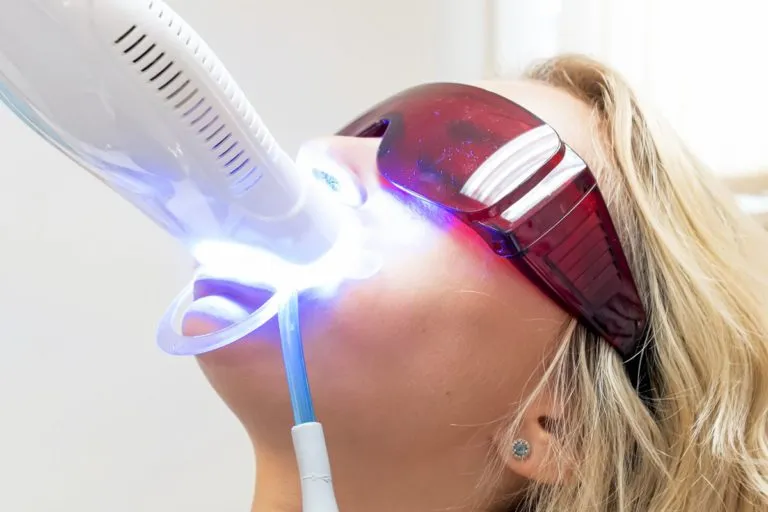
Understanding Office Whitening
Office whitening, also known as in-office teeth whitening, is a professional cosmetic dental procedure designed to significantly brighten your smile in a single visit. This method employs a high-concentration bleaching agent applied directly to the teeth by a dentist or a trained dental professional. The process is faster and often more effective than at-home whitening methods, making it a popular choice for individuals seeking immediate and dramatic results. The procedure is not just about aesthetics; it can also boost your self-confidence and provide a noticeable improvement in your overall appearance. The use of professional-grade materials and techniques ensures a safer and more controlled whitening experience, minimizing the risk of gum irritation and uneven results, commonly associated with over-the-counter products or methods. It is a sophisticated treatment which delivers an efficient and effective smile transformation.
What is Office Whitening
Office whitening involves the application of a potent bleaching gel to the teeth, which contains a high percentage of hydrogen peroxide or carbamide peroxide. The dentist carefully applies the gel to the enamel of each tooth, taking precautions to protect the gums and soft tissues. The whitening agent penetrates the enamel and dentin, breaking down stains and discoloration caused by various factors such as aging, diet, and habits like smoking. This process can lighten teeth several shades in a single session, offering a dramatic improvement. The treatment is usually completed in about an hour, making it a convenient option for those with busy schedules. The professional setting ensures the dentist can monitor the progress and make adjustments for optimal results. The procedure’s efficiency and efficacy make it a preferred choice for those looking for immediate and impactful results.
The Science Behind Office Whitening

The science behind office whitening centers on the chemical reaction between the bleaching agent and the stained molecules within the tooth’s enamel. Hydrogen peroxide or carbamide peroxide, the active ingredients in the whitening gel, release oxygen molecules upon application. These oxygen molecules penetrate the porous enamel, interacting with the stain molecules that cause discoloration. Through an oxidation process, these stain molecules are broken down into smaller, less visible compounds. This process effectively lightens the teeth, eliminating the appearance of stains from the surface and deeper within the tooth structure. The higher concentration of the bleaching agent used in-office accelerates this process, leading to faster and more pronounced results compared to at-home treatments. Furthermore, the dentist’s expertise and professional-grade materials ensure the safety and effectiveness of the procedure, resulting in optimal outcomes for patients seeking a brighter smile.
Preparing for Your Office Whitening Appointment
Before undergoing office whitening, several preparatory steps are essential to ensure a safe and effective procedure. Initially, a thorough dental examination is conducted to assess your overall oral health. The dentist will evaluate the condition of your teeth and gums, checking for cavities, gum disease, or other issues that might need addressing before whitening. Any existing dental work, such as fillings or crowns, will also be evaluated, as these restorations do not whiten with the bleaching agent. Discussing your expectations and desired shade of whiteness with your dentist is crucial to setting realistic goals. Following these steps can help you determine if you’re a good candidate for office whitening and make your experience more beneficial. A clean bill of oral health helps to maximize the whitening treatment.
Consultation and Examination
The consultation and examination phase is a critical first step in the office whitening process, ensuring that the treatment is suitable and safe for you. During this appointment, your dentist will review your dental and medical history, discuss your cosmetic goals, and examine your teeth and gums. This comprehensive assessment helps identify any potential issues such as cavities, gum disease, or existing dental work. The dentist will also explain the office whitening procedure in detail, including what to expect during the treatment and potential side effects. Your teeth will be checked to determine their current shade and take photos to monitor progress. This initial consultation allows you and your dentist to create a personalized whitening plan tailored to your specific needs and expectations, setting the stage for a successful outcome and a brighter smile.
Professional Cleaning

Prior to the office whitening procedure, a professional dental cleaning is typically performed to remove plaque, tartar, and surface stains from your teeth. This cleaning ensures the whitening agent can effectively penetrate the enamel, maximizing the treatment’s efficacy. The dental hygienist will use specialized tools to clean and polish your teeth, removing any buildup that could hinder the whitening process. Cleaning also helps create a smooth, clean surface, allowing the whitening gel to evenly distribute. After the teeth are cleaned, the dentist can assess the baseline shade of your teeth, providing a more accurate measure of the whitening results. The cleaning not only prepares your teeth for the whitening treatment, but also contributes to your overall oral health, making the procedure both cosmetic and beneficial.
The Office Whitening Procedure Step-by-Step
Application of Whitening Agent
The application of the whitening agent is a crucial step in the office whitening procedure, where the dentist or dental professional meticulously applies the bleaching gel to the surface of your teeth. Before applying the gel, protective measures are taken to shield the gums and soft tissues, ensuring they are not exposed to the high-concentration bleaching agent. This protection is typically achieved using a special barrier or a rubber dam. Once the gums are protected, the whitening gel, which usually contains a high percentage of hydrogen peroxide, is applied to the enamel of the teeth. The gel is carefully applied to all visible tooth surfaces. The dentist will ensure the gel is evenly distributed, allowing for consistent whitening across all treated teeth. The exact process will vary depending on the specific system or product used, but it usually involves a few cycles of application and activation to achieve the desired results.
Activation and Monitoring

After applying the whitening agent, the dentist often uses a special light or laser to activate the bleaching gel. This light helps accelerate the chemical reaction, enhancing the effectiveness of the whitening process. The light energy speeds up the release of oxygen molecules, which then break down the stain molecules within the teeth. Throughout this process, the dentist carefully monitors your progress, checking for any sensitivity or discomfort. The treatment may be repeated in intervals, usually about 15-20 minutes, to achieve the desired level of whitening. The number of applications will depend on the initial shade of your teeth and the desired outcome. The dentist will also ensure the patient is comfortable and provide support as needed. This activation process helps in achieving the desired shade of white in less time.
Post-Whitening Care and Maintenance
Following office whitening, proper post-whitening care is essential for maintaining your bright smile and minimizing any potential side effects. You may experience some tooth sensitivity, which is usually temporary. It is advisable to use a desensitizing toothpaste and avoid extremely hot or cold foods and drinks for a short period. It’s important to follow your dentist’s instructions carefully, which may include specific guidelines on oral hygiene practices and products. Regular check-ups and professional cleanings are recommended to maintain your results and overall oral health. You may also be provided with at-home whitening maintenance options to help keep your smile looking its best. This aftercare is critical to the long-term success of your whitening treatment.
Avoiding Staining Foods and Drinks
To preserve the results of your office whitening treatment, it is essential to avoid or minimize the consumption of staining foods and drinks, especially during the initial days and weeks following the procedure. This includes items like coffee, tea, red wine, dark sodas, berries, and heavily pigmented sauces. These substances can easily stain your newly whitened teeth, reversing the effects of the treatment. If you consume such items, try to do so in moderation and rinse your mouth with water immediately afterward. Using a straw when drinking potentially staining beverages can also minimize direct contact with your teeth. Avoiding smoking or using tobacco products is also crucial, as these can significantly stain teeth and detract from the whitening effects. Careful dietary habits and lifestyle choices will greatly help maintain your brighter smile.
Maintaining Your Bright Smile

Maintaining a bright smile after office whitening involves consistent oral hygiene practices and proactive lifestyle choices. Regular brushing with a whitening toothpaste and flossing daily are fundamental for removing surface stains and preventing plaque buildup. Consistent dental check-ups and professional cleanings will help keep your teeth clean and bright. Consider touch-up whitening treatments at home or in the office, if needed, to maintain your desired level of whiteness. Avoiding or minimizing exposure to staining foods, drinks, and tobacco products is critical. A healthy lifestyle with a balanced diet and sufficient water intake will also support your oral health. Following these practices ensures the longevity and beauty of your whitened smile, giving you long-term confidence in your appearance.