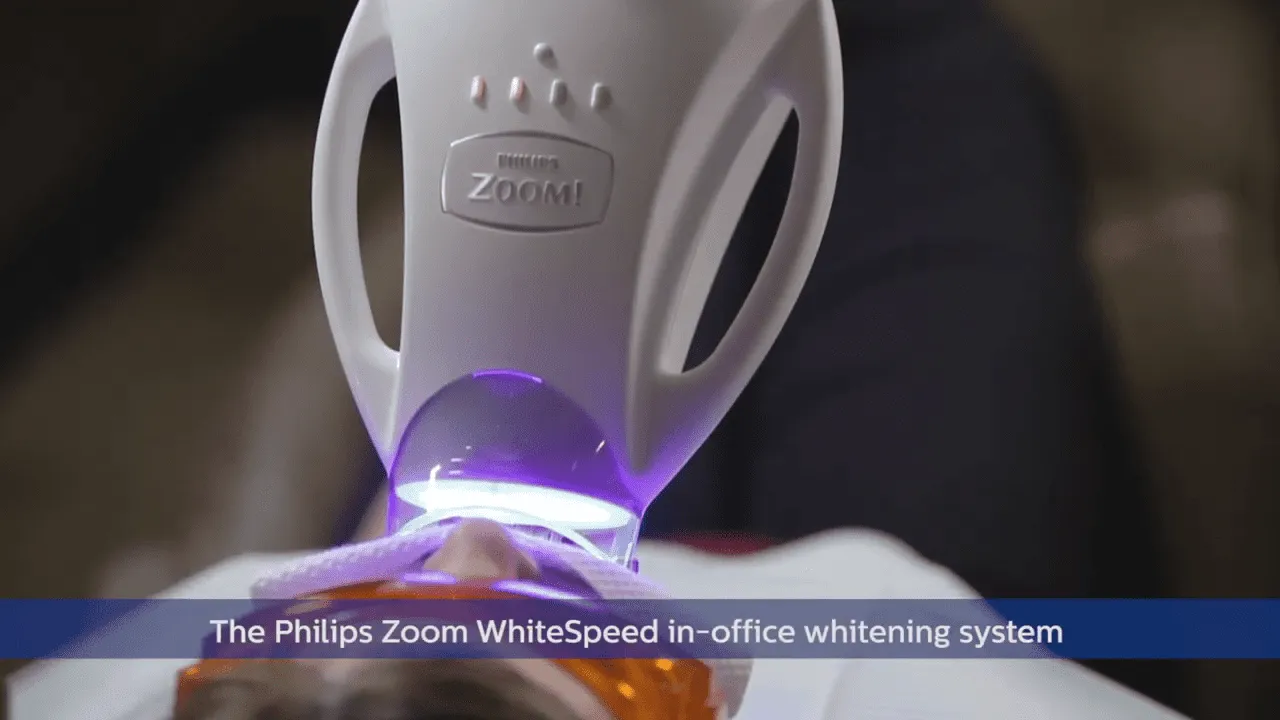
Understanding Office Whitening
Office whitening, also known as in-office teeth whitening, is a cosmetic dental procedure designed to brighten your smile quickly and effectively. Unlike at-home whitening kits that require weeks of consistent use, office whitening provides immediate results, often in a single appointment. This professional treatment uses a higher concentration of bleaching agents and advanced techniques, ensuring a more significant and noticeable improvement in the shade of your teeth. The process is performed by a trained dental professional, ensuring both safety and optimal outcomes for patients looking to enhance their smiles. Office whitening is a popular choice for those seeking rapid and dramatic teeth whitening results.
What is Office Whitening?
Office whitening is a professional cosmetic dental procedure where a dentist or dental hygienist applies a strong bleaching agent directly to the teeth. The primary goal of office whitening is to lighten the color of your teeth, removing stains and discoloration caused by various factors such as age, diet, and lifestyle. The procedure typically involves isolating the teeth, applying the whitening gel, and using a special light or laser to activate the bleaching process. This approach not only enhances the speed of the whitening but also enhances the overall effectiveness of the treatment. Office whitening provides a safe, controlled environment, and often delivers results in a single session.
The Procedure Explained

The office whitening procedure usually starts with a thorough examination and cleaning of the teeth. This prepares the teeth to get the best results from the whitening agent. The dentist then protects your gums and soft tissues by applying a protective barrier. Next, the whitening gel, which contains a bleaching agent such as hydrogen peroxide, is applied to the surface of your teeth. A special light or laser is then used to activate the gel, accelerating the whitening process. After the treatment duration, the gel is removed, and the results are immediately visible. The entire process typically takes about an hour to an hour and a half, making it a convenient option for those with busy schedules. The use of high-concentration bleaching agents and professional techniques is what sets this procedure apart.
Top 5 Benefits of Office Whitening
Benefit 1 Instant Results
One of the most significant advantages of office whitening is the immediate enhancement of your smile. Unlike at-home treatments that take weeks to show results, office whitening can lighten your teeth by several shades in a single session. This instant gratification is ideal for people who need to whiten their teeth for a special occasion or those who simply want immediate results. The quick turnaround is a major factor in why many people choose office whitening over other methods. The high-powered bleaching agents and the activation methods ensure that the whitening process is rapid and efficient, providing a noticeably brighter smile right after your appointment. (image: office-whitening-results.webp)
Benefit 2 Professional Supervision

Office whitening is performed under the direct supervision of a dental professional, ensuring the safety and effectiveness of the procedure. Dentists and hygienists are trained in proper application techniques, minimizing risks such as gum irritation or enamel damage. They can also assess your oral health and determine if office whitening is the right choice for you. Professional supervision means that the treatment is customized to your needs, taking into account your tooth sensitivity and the level of staining. With an expert overseeing the process, you can be confident that the procedure is carried out safely and correctly. (image: office-whitening-professional.webp)
Benefit 3 Customized Treatment
Office whitening allows for customized treatment plans tailored to your specific needs and the extent of your discoloration. The dentist can adjust the strength of the bleaching agent and the duration of the treatment to achieve the best possible results for your unique situation. This personalized approach ensures that the treatment is both effective and safe, minimizing any potential side effects. The customization extends to managing your comfort and any sensitivity you might experience during the procedure. Your dentist will also be able to address any pre-existing dental conditions that may affect the whitening process, providing a comprehensive and tailored treatment plan.
Benefit 4 Enhanced Effectiveness
Office whitening typically uses stronger bleaching agents compared to those available in at-home kits, leading to more dramatic and noticeable results. The professional-grade bleaching agents combined with the use of special lights or lasers, enhance the effectiveness of the treatment. This results in a more thorough removal of stains and discoloration. Professional whitening can often tackle stubborn stains that at-home methods might not be able to remove effectively, giving you a significantly brighter smile. The dentist’s ability to control the process ensures that the bleaching agents are used safely and efficiently. (image: office-whitening-before-after.webp)
Benefit 5 Long-lasting Results

While office whitening provides immediate results, the effects can also last for an extended period, often several months to a year or more, depending on your lifestyle and oral hygiene habits. With proper care, including regular brushing, flossing, and avoiding stain-causing foods and drinks, you can extend the lifespan of your whitening treatment. Your dentist may recommend touch-up treatments or at-home maintenance products to help maintain your bright smile. The long-lasting effects make office whitening a worthwhile investment for achieving and maintaining a beautiful, confident smile. This ensures that your teeth remain bright and vibrant for an extended period, contributing to your overall oral health and confidence.
Who is a Good Candidate for Office Whitening?
Ideal Candidates
Ideal candidates for office whitening are individuals with healthy teeth and gums, who are looking to lighten the color of their teeth. Those with stains caused by aging, certain foods and drinks (like coffee, tea, and red wine), and tobacco use are prime candidates. People seeking quick results for special events, such as weddings or job interviews, also often choose office whitening. It is important to have realistic expectations and understand that the results may vary based on the type and severity of the staining. A consultation with a dentist will help determine if office whitening is the right choice for you.
When to Consider Office Whitening

Consider office whitening if you are looking for rapid and significant teeth whitening results. If you have a special event coming up and want to enhance your smile quickly, or if you have tried at-home methods with little success, office whitening may be a good option. Those with stained teeth from coffee, tea, tobacco, or aging can greatly benefit from this procedure. Additionally, individuals with healthy teeth and gums who want a more confident and attractive smile are also good candidates. Consulting with a dentist is essential to assess your specific needs and determine if office whitening is appropriate for you, ensuring optimal results. (image: office-whitening-consultation.webp)
The Office Whitening Process
Pre-Treatment Consultation
Before undergoing office whitening, you will have a consultation with a dentist or dental hygienist. During this consultation, the dentist will assess your oral health, examine your teeth for any existing issues (like cavities or gum disease), and discuss your expectations. They will also determine if office whitening is a suitable option for you and explain the procedure, risks, and benefits. The dentist may take photos of your teeth to track the progress. This consultation is crucial for ensuring the safety and effectiveness of the treatment and allows you to ask questions and gain a better understanding of the process.
The Whitening Session

During the whitening session, the dentist will start by cleaning your teeth to remove any surface stains. A protective barrier will then be applied to your gums and soft tissues to prevent irritation from the bleaching agent. The whitening gel, containing a high concentration of hydrogen peroxide, will be applied to your teeth. A special light or laser may be used to activate the gel and accelerate the whitening process. The gel is typically left on the teeth for a specific period, after which it is removed, and the process may be repeated several times during the same session. The entire procedure usually takes about an hour or more. (image: office-whitening-procedure.webp)
Post-Treatment Care
After your office whitening treatment, it is important to follow post-treatment care instructions to maintain your results and minimize any potential side effects. You may experience temporary tooth sensitivity, which can be managed with sensitivity toothpaste. Avoid consuming staining foods and drinks, such as coffee, tea, red wine, and dark-colored sodas, for the first 24 to 48 hours. Continue with your regular oral hygiene routine, including brushing and flossing, and attend regular dental check-ups and cleanings. Your dentist might recommend touch-up treatments or at-home whitening products to help you maintain your brighter smile and extend the lifespan of your results.
Potential Risks and Side Effects
Sensitivity

Tooth sensitivity is a common side effect of office whitening. Many people experience temporary sensitivity to hot or cold foods and drinks immediately after the procedure. This sensitivity usually subsides within a few days. Your dentist may recommend using a toothpaste designed for sensitive teeth to help alleviate this discomfort. Avoiding extremely hot or cold foods and drinks immediately after treatment can also help. If the sensitivity persists or becomes severe, consult your dentist for further advice. (image: office-whitening-sensitivity.webp)
Gum Irritation
Gum irritation is another potential side effect of office whitening. This can occur if the protective barrier used during the procedure doesn’t completely shield your gums from the bleaching agent. This irritation typically manifests as mild redness or soreness and usually resolves within a few days. To minimize this risk, dentists take precautions to protect the gums. Avoiding aggressive brushing or flossing immediately after the treatment can also help. If the irritation persists or worsens, contact your dentist for guidance.
Cost of Office Whitening
Factors Influencing Cost
The cost of office whitening can vary depending on several factors. These include the location of the dental practice, the dentist’s experience, the specific whitening system used, and the extent of the treatment required. The cost may also vary based on any additional procedures included, such as teeth cleaning or polishing. It’s important to discuss the cost with your dentist during the consultation and ask about any payment options or financing plans that might be available. Understanding the factors that influence the cost can help you budget accordingly and make an informed decision. (image: office-whitening-cost.webp)
Comparing Costs
When comparing the cost of office whitening, consider the overall value of the treatment. While it may be more expensive than at-home whitening kits, office whitening offers immediate results, professional supervision, and customized treatment options. Consider the long-term benefits and the potential for more effective and lasting results. Inquire about any financing options or payment plans that are available to make the treatment more affordable. Compare prices from different dental practices and ask about what’s included in the cost, such as the consultation, the procedure, and any post-treatment care instructions. This comparison will help you make an informed decision.