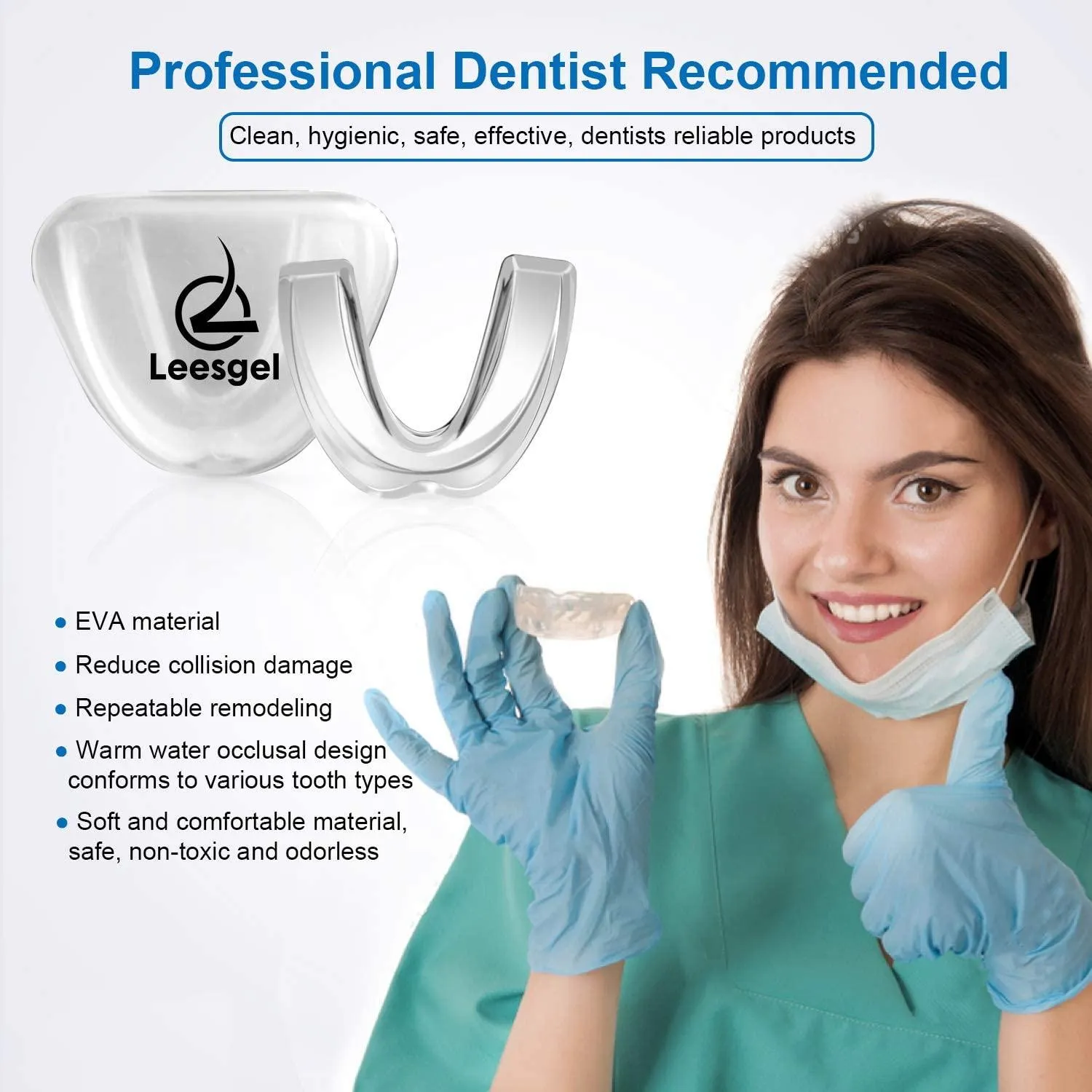
What are Mouth Guards for Teeth Whitening?
Mouth guards for teeth whitening are custom-fitted or pre-fabricated trays designed to hold teeth-whitening agents, such as bleaching gel, in close contact with the teeth. They’re an increasingly popular method for achieving a brighter smile at home, offering a convenient and often more affordable alternative to professional treatments. These mouth guards ensure the whitening agent stays in place and evenly coats the teeth, maximizing the effectiveness of the whitening process. Unlike over-the-counter whitening strips, mouth guards can cover the entire tooth surface, promoting uniform whitening results. They are a key component in many at-home whitening systems, making them a significant aspect of modern dental care and cosmetic dentistry.
How Do Whitening Mouth Guards Work?
Whitening mouth guards work by facilitating the application of a bleaching agent, typically containing hydrogen peroxide or carbamide peroxide, directly onto the teeth. The mouth guard creates a sealed environment, ensuring the whitening gel stays in contact with the teeth for the recommended duration. The active ingredients in the gel penetrate the enamel, breaking down the discolored molecules that cause stains. The effectiveness of the mouth guard depends on its fit, the concentration of the bleaching agent, and the duration of use. Custom-fitted mouth guards generally provide superior results because they offer a closer and more consistent contact with the teeth, enhancing the overall whitening outcome. It’s a straightforward process, but the results are often striking.
The Science Behind Whitening Mouth Guards

The science behind whitening mouth guards revolves around the oxidation process. The bleaching agents release oxygen molecules that interact with the stained organic molecules within the tooth enamel. These oxygen molecules break the bonds that hold the stain particles together, effectively lightening the teeth. The concentration of the bleaching agent, the contact time, and the individual tooth structure all influence the effectiveness of the whitening. Enamel porosity also plays a role, as it affects how easily the bleaching agent penetrates. Research has shown that the proper use of whitening mouth guards, combined with the right concentration of bleaching agents, can safely and effectively remove surface and subsurface stains, leading to a noticeably whiter smile. This process is a testament to the advancements in cosmetic dentistry.
The Benefits of Using Whitening Mouth Guards
Whitening mouth guards offer numerous benefits compared to other teeth-whitening methods. They provide a controlled and customizable approach, allowing users to manage the whitening process according to their needs and comfort level. The ability to use the mouth guard at home saves both time and money compared to professional treatments. Additionally, mouth guards often lead to more even whitening results, as the gel covers the entire tooth surface. They can be a great solution to remove stubborn stains caused by coffee, tea, or smoking. Ultimately, they offer a blend of effectiveness, convenience, and affordability that makes them a popular choice for those seeking a brighter, more confident smile. With correct use and maintenance, they can lead to remarkable results.
Fact 1 Improved Stain Removal
Whitening mouth guards are highly effective at removing various types of stains. Their design ensures the whitening agent maintains prolonged contact with the teeth. This consistent exposure breaks down surface stains from food and beverages and penetrates deeper into the enamel to tackle stubborn discoloration caused by aging, genetics, or medication. This process leads to a brighter and more uniform appearance. Moreover, mouth guards provide a comprehensive approach, as they address stains across the entire tooth surface, contributing to a more dramatic and satisfying whitening effect.
Fact 2 Customized Fit

Custom-fitted mouth guards offer a superior fit and are crucial for effective whitening. These mouth guards are molded to fit the unique contours of an individual’s teeth, ensuring the whitening gel is evenly distributed and in close contact with the enamel. This personalized fit minimizes gel leakage and optimizes the whitening process by maximizing the contact time between the teeth and the bleaching agent. A properly fitted mouth guard leads to more efficient whitening and better results compared to generic, one-size-fits-all options. This custom fit also enhances comfort, making the whitening experience more pleasant.
Fact 3 Reduced Sensitivity
Whitening mouth guards, especially those custom-made or designed with sensitivity in mind, can help reduce the risk of tooth sensitivity. The better fit of a custom mouth guard minimizes the amount of whitening agent that comes into contact with the gums, reducing the potential for irritation and sensitivity. Some whitening gels also contain desensitizing agents like potassium nitrate or fluoride, further mitigating sensitivity. By controlling the application and concentration of the whitening agent, mouth guards allow users to adjust their treatment to minimize discomfort and achieve a brighter smile comfortably.
Fact 4 Convenience and Ease of Use
One of the primary advantages of whitening mouth guards is their convenience. Unlike in-office procedures, mouth guards can be used in the comfort of your home, making them perfect for people with busy lifestyles. The process is straightforward: fill the mouth guard with the whitening gel, insert it into your mouth, and wear it for the recommended time. This home-based approach saves valuable time and eliminates the need for multiple dental appointments. It also allows you to whiten your teeth at your convenience, making it easier to incorporate into your daily routine, whether you’re at home, traveling, or simply prefer the privacy and comfort of self-treatment.
Fact 5 Cost-Effective Solution

Whitening mouth guards provide a cost-effective solution for achieving a brighter smile, representing a significant advantage over professional teeth-whitening treatments. While the initial investment for a custom-fitted mouth guard may be higher than that of over-the-counter options, they often prove to be more economical in the long run. This is because they are reusable, and you only need to purchase whitening gel refills, which are usually more affordable than repeated professional visits. Moreover, the results are often comparable to in-office procedures, making mouth guards an attractive choice for those seeking effective whitening without the high costs associated with dental clinic treatments. The cost savings make it a popular and accessible option for many.
Fact 6 Enhanced Results
Whitening mouth guards often produce enhanced results due to their design and the controlled environment they create. The customized fit of these mouth guards ensures that the whitening gel makes maximum contact with the tooth surfaces. This close and consistent contact allows the active whitening ingredients to penetrate the enamel effectively, leading to more significant and uniform whitening. Mouth guards prevent saliva from diluting the bleaching agent, thus enhancing its efficacy. The use of a mouth guard allows for a higher concentration of whitening gel, which further contributes to more dramatic and noticeable results, especially when compared to whitening strips or other methods.
Fact 7 Professional Quality at Home
Whitening mouth guards provide a professional-quality teeth-whitening experience in the comfort of your own home. The custom-fitted mouth guards used in conjunction with the whitening gel allows for the delivery of the active ingredient directly to the teeth, mimicking the effectiveness of professional treatments offered by dentists. While the concentration of the whitening agent might be slightly lower than in-office treatments to ensure safety, the results are often comparable. You get the benefit of professional-grade whitening without the need for expensive dental appointments, providing an ideal blend of convenience, cost-effectiveness, and efficacy. This makes them a preferred choice for those seeking a brighter smile.
How to Choose the Right Whitening Mouth Guard

Choosing the right whitening mouth guard involves several key considerations. First, assess whether you need a custom-fitted mouth guard from your dentist for the best results, or if a pre-fabricated one will suffice. Consider the material of the mouth guard; ensure it is BPA-free and safe for oral use. Pay attention to the fit of the mouth guard, as a proper fit ensures even distribution of the whitening gel and prevents irritation. Research the type of whitening gel to be used; look for a concentration that is appropriate for your sensitivity level and desired results. Read reviews and consult with your dentist for recommendations. Ultimately, choosing the right mouth guard ensures both effective whitening and comfort during the process.
Types of Whitening Mouth Guards
There are generally two main types of whitening mouth guards: custom-fitted and pre-fabricated. Custom-fitted mouth guards are made by a dentist, based on impressions of your teeth, providing the most precise fit and typically the best results. Pre-fabricated mouth guards, available over-the-counter, come in various shapes and sizes, with some being ‘boil-and-bite’ types that can be customized slightly at home. The choice depends on individual needs, budget, and preferences. Custom guards offer a more tailored experience, reducing the risk of gel leakage and promoting uniform whitening. Pre-fabricated options are more affordable and accessible but may not provide the same level of precision or comfort.
Factors to Consider When Choosing a Mouth Guard
When choosing a whitening mouth guard, several factors are crucial to consider. The material of the mouth guard should be a primary concern; make sure it’s BPA-free, non-toxic, and safe for prolonged contact with your teeth and gums. The fit is also vital, as a poorly fitted guard can lead to uneven whitening and gum irritation. The concentration of the whitening gel is another key factor; start with a lower concentration if you have sensitive teeth. Consider the ease of use and cleaning; a simple cleaning routine can extend the life of your mouth guard. Finally, budget and convenience should be factored in, as the price and availability can significantly influence your choice. Consulting your dentist is always recommended for personalized advice.
Tips for Using Whitening Mouth Guards Effectively

To use whitening mouth guards effectively, always begin by consulting your dentist to determine the appropriate method and concentration of the whitening agent. Before applying the gel, brush and floss your teeth thoroughly. Apply the correct amount of whitening gel to the mouth guard, following the manufacturer’s instructions. Insert the mouth guard carefully, ensuring it fits snugly around your teeth. Wear the mouth guard for the recommended time each day, as indicated on the product packaging or by your dentist. Avoid eating or drinking while the mouth guard is in place. Rinse your mouth and clean the mouth guard after each use, storing it properly in a clean, dry place. Following these tips ensures you achieve the best possible results.
Proper Application Techniques
Proper application techniques are essential for getting the most out of your whitening mouth guard. Before applying the whitening gel, brush your teeth to remove any surface debris. Apply the gel evenly, avoiding overloading the mouth guard to prevent leakage onto your gums. Insert the mouth guard carefully, ensuring it is properly seated in your mouth. It’s crucial to follow the manufacturer’s instructions regarding wear time to prevent over-whitening and sensitivity. If you experience any discomfort, remove the mouth guard immediately and consult your dentist. Consistent, careful application helps maximize effectiveness while minimizing potential side effects, giving you a brighter smile.
Maintenance and Care for Your Mouth Guard
Proper maintenance and care extend the life of your whitening mouth guard and ensure its effectiveness. After each use, rinse the mouth guard thoroughly with cool water to remove any remaining gel and saliva. Avoid using hot water, as it can warp the plastic. Clean the mouth guard with a toothbrush and mild soap or a special mouth guard cleaner, being careful not to use abrasive cleaners that can damage the material. Store the mouth guard in a protective case in a cool, dry place, away from direct sunlight and heat. Regularly inspect your mouth guard for damage, and replace it if it shows signs of wear or tear. Regular and appropriate care maximizes its lifespan and optimizes the whitening process.
Potential Risks and Side Effects of Whitening Mouth Guards

While whitening mouth guards are generally safe, potential risks and side effects can occur. Tooth sensitivity is a common side effect, often temporary, but can cause discomfort. Gum irritation or inflammation can also happen if the mouth guard doesn’t fit correctly or if the gel comes into contact with the gums. In rare cases, some people may experience an allergic reaction to the whitening gel. Overuse can lead to excessive whitening and can damage tooth enamel. It’s essential to consult with a dentist before starting the process and to follow the instructions carefully. Being aware of these potential risks and taking the necessary precautions can help minimize any adverse effects.
Who Should Avoid Whitening Mouth Guards?
Certain individuals should avoid using whitening mouth guards or use them with extreme caution. Those with significant dental work, such as fillings, crowns, or veneers, should consult a dentist, as the whitening gel may not affect these restorations, leading to uneven results. People with gum disease, tooth decay, or other oral health issues should postpone whitening until these conditions are treated. Pregnant or breastfeeding women should also avoid whitening treatments due to the potential effects on the developing baby. Children and teenagers should not use whitening products without professional guidance, as their teeth are still developing. Consulting a dentist can determine if teeth whitening is suitable for each unique case.
Alternatives to Whitening Mouth Guards
If whitening mouth guards aren’t suitable for you, several alternatives can improve the brightness of your smile. Whitening strips are a convenient over-the-counter option, though they may not provide as even results as custom trays. Whitening toothpaste can help remove surface stains. In-office teeth whitening, performed by a dentist, is a more aggressive option for faster results. Professional cleaning, scaling, and polishing can remove stains and improve the appearance of your teeth. Veneers or dental bonding can be used to cover up stains and discolorations, offering a longer-term solution. The best alternative depends on your specific needs, budget, and the degree of whitening desired; consulting a dentist is recommended to determine the most suitable option.
Professional Teeth Whitening Options
Professional teeth whitening options offer faster and more dramatic results than at-home methods. In-office whitening involves a dentist applying a high-concentration bleaching agent directly to the teeth, often enhanced with a special light or laser to accelerate the process. This can typically lighten teeth several shades in a single appointment. Another option involves custom-made trays provided by the dentist, used with stronger bleaching agents at home under professional supervision. These options provide a level of control and monitoring that is impossible with over-the-counter products. The dentist can also address any potential issues like sensitivity or uneven whitening and is best for individuals seeking maximum results in a shorter time. Consultation with a dentist is necessary to determine the best approach.
Maintaining Your Whitened Smile
Maintaining a whitened smile requires consistent care and attention. Regular brushing with a whitening toothpaste helps remove surface stains and keeps your teeth looking bright. Avoid or limit consumption of foods and drinks that can stain teeth, such as coffee, tea, red wine, and dark berries. Consider using a straw for beverages that stain your teeth. Schedule regular dental check-ups and cleanings to remove plaque and surface stains. If you smoke, quitting smoking is one of the most effective ways to maintain a white smile. Following these practices will help you preserve your newly whitened teeth and maintain the results of your whitening treatments for a longer period, giving you a more confident smile.
Long-Term Care and Maintenance
Long-term care and maintenance are essential for keeping your smile bright and healthy. Schedule regular dental check-ups and professional cleanings to prevent the buildup of plaque and tartar, which can dull your teeth. Continue brushing and flossing your teeth daily, using a whitening toothpaste to help remove surface stains. If you notice any new stains developing, consider touch-up whitening treatments, following the instructions of your dentist or product guidelines. Maintain a healthy diet that is low in staining foods and beverages. Protect your teeth from injury and damage by wearing a mouth guard if you play sports. Consistent care and attention will not only maintain your whitened smile but also improve your overall oral health, contributing to a brighter, healthier, and more confident you.