Laser Whitening vs Bleaching What’s the Difference
Choosing between laser whitening and bleaching can be a daunting task. Both procedures aim to brighten your smile, but they differ significantly in their approach, effectiveness, and overall experience. Understanding these differences is crucial to making an informed decision that aligns with your needs, budget, and desired results. This article explores the top 5 differences between laser whitening and bleaching, providing a comprehensive guide to help you achieve a dazzling, confident smile. We will cover everything from the procedures themselves to the long-term maintenance required, empowering you to select the best option for your teeth whitening journey. Both methods offer the promise of a brighter smile, but the path to get there varies significantly.
Procedure Overview Laser Whitening
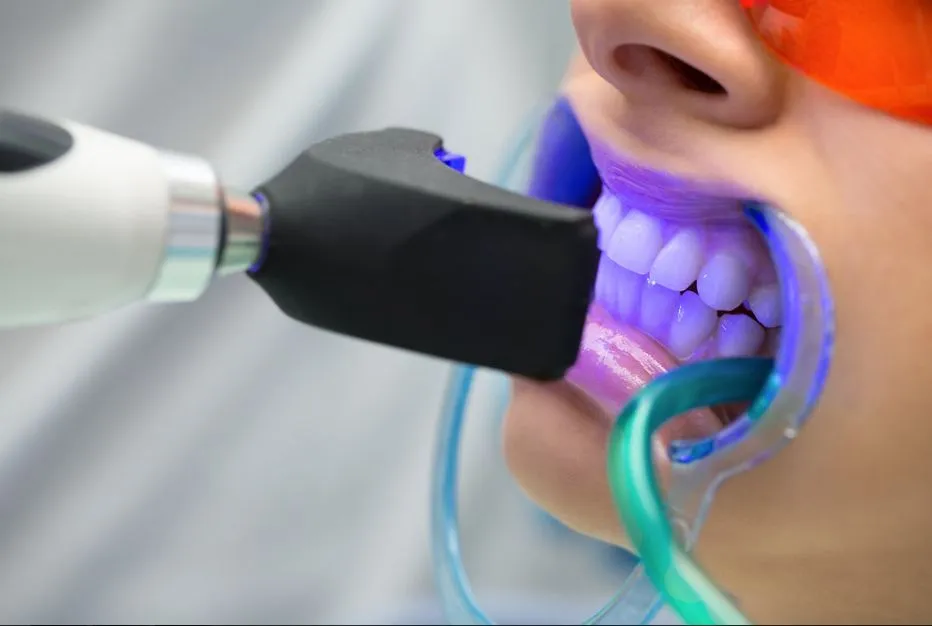
Laser whitening, also known as in-office whitening, is a professional procedure performed by a dentist. It involves applying a concentrated bleaching agent to the teeth, typically hydrogen peroxide. The dentist then uses a laser or specialized light to activate the whitening agent, accelerating the bleaching process. This method offers immediate and dramatic results, often brightening teeth several shades in a single session. The intensity of the laser and the strength of the whitening agent are carefully controlled by the dental professional to ensure safety and minimize potential side effects. This method is ideal for individuals seeking quick and noticeable improvements in their tooth color.
The Laser Whitening Process Step-by-Step

The laser whitening process involves several steps. First, your dentist will examine your teeth and gums to ensure you’re a suitable candidate for the procedure. A protective barrier is then placed on your gums to prevent irritation. Next, the whitening agent is applied to the surface of your teeth. The laser light is then directed onto the teeth, activating the bleaching agent and breaking down stains. The process is usually repeated several times during a single session, which can last from 60 to 90 minutes. After the procedure, your dentist will provide instructions on how to care for your teeth and maintain the results. This typically includes avoiding certain foods and beverages that can stain your teeth in the days following the treatment.
Procedure Overview Bleaching
Bleaching, in contrast to laser whitening, encompasses a broader range of methods, including both in-office and at-home treatments. The primary goal remains the same teeth whitening, but the process and application methods differ. Bleaching generally involves the use of bleaching agents, such as carbamide peroxide or hydrogen peroxide, which penetrate the enamel to break down stain molecules. The concentration of the bleaching agent and the method of application vary widely, influencing the effectiveness and duration of the process. This offers a more flexible approach, allowing patients to choose a method that best fits their lifestyle, budget, and desired level of control over the whitening process.
At-Home Bleaching
At-home bleaching typically involves custom-fitted trays provided by your dentist, or over-the-counter whitening strips or trays. The dentist-provided trays are more customized and use a stronger bleaching agent compared to over-the-counter products. Patients apply the bleaching agent to the trays and wear them for a specified period each day, often for several hours or overnight. The duration of the treatment can range from a few days to several weeks, depending on the concentration of the bleaching agent and the desired results. At-home bleaching is generally a more gradual process, but it can be a cost-effective option for individuals who prefer to whiten their teeth at their own pace and comfort.
In-Office Bleaching

In-office bleaching, a type of bleaching procedure, is performed by a dental professional and involves a stronger concentration of the bleaching agent compared to at-home methods. This treatment is similar to laser whitening but does not necessarily involve a laser. The dentist applies the bleaching agent directly to the teeth and may use a special light to enhance the whitening effect. The process is usually completed in a single session, offering faster results than at-home bleaching. Although in-office bleaching can be more expensive, it provides the advantage of professional supervision and immediate, noticeable improvements in the teeth’s color. The dentist can also address any sensitivity issues that may arise during the treatment.
Key Difference 1 Time Commitment
One of the most significant differences between laser whitening and bleaching is the time commitment required. Laser whitening offers immediate results, often whitening teeth several shades in a single appointment, which typically lasts about an hour. This makes it an excellent option for individuals seeking a quick and effective solution for special events or those who desire immediate cosmetic improvements. The instant gratification of laser whitening is a major appeal. In contrast, bleaching, particularly at-home methods, requires a more extended time investment. Results are gradual, with noticeable changes appearing over several days or weeks. This difference in time commitment is a critical factor for many patients when deciding between the two options.
Laser Whitening Speed
Laser whitening is renowned for its speed. The entire procedure, from preparation to completion, usually takes about an hour. During this time, the dentist applies the whitening agent and uses a laser to accelerate the process. The immediate effect is a significantly brighter smile. This rapid transformation is ideal for people who have time constraints, such as those preparing for weddings, important meetings, or other special occasions. The efficiency of laser whitening makes it a convenient choice for those who want quick results without the need for multiple appointments or prolonged at-home treatments. The immediate impact also provides a high level of satisfaction for patients.
Bleaching Timeframe

Bleaching, whether done at home or in the dentist’s office, unfolds over a more extended period. At-home bleaching can require weeks of daily treatments to achieve the desired results. Even in-office bleaching, while quicker than at-home options, often requires multiple sessions to reach the desired level of whiteness. This longer timeframe means that patients need to commit to consistent use of the bleaching agent, whether it’s through trays or strips. This approach is more gradual, allowing for a more controlled process. However, it demands patience and adherence to the prescribed treatment plan. The length of the process is a crucial factor for anyone considering these options.
Key Difference 2 Cost Factor
The cost of laser whitening and bleaching can vary significantly, influencing the decision for many individuals. Laser whitening, being a professional procedure, typically costs more than bleaching treatments. The higher price reflects the advanced technology, specialized equipment, and the expertise of the dental professional. However, the immediate and dramatic results can justify the investment for some. Bleaching, especially at-home methods, is often more budget-friendly. While in-office bleaching is pricier than at-home methods, it remains generally less expensive than laser whitening. The availability of different bleaching options means individuals can choose a treatment that aligns with their financial constraints. Considering the cost of each option is essential when selecting the appropriate teeth whitening procedure.
Laser Whitening Costs
Laser whitening typically ranges in cost depending on the geographical location and the specific dental practice. This method involves the use of sophisticated equipment and requires the skill of a trained professional, contributing to its higher price point. The cost includes the consultation, the procedure itself, and any post-treatment care instructions. While laser whitening is generally more expensive, the immediate and significant improvements in tooth color can make it worthwhile for those who prioritize fast results and are willing to invest in a premium service. Furthermore, some dental practices offer financing options to make the treatment more accessible.
Bleaching Costs

Bleaching costs can vary greatly depending on whether the treatment is performed at home or in a dental office. At-home bleaching kits are often more affordable, as they involve less professional intervention. These kits typically include custom-fitted trays and the bleaching agent, allowing the patient to whiten their teeth at their convenience. In-office bleaching is more expensive than at-home methods, but it still generally costs less than laser whitening. The price is influenced by the strength of the bleaching agent and the dentist’s time and expertise. The cost-effectiveness of bleaching, especially at-home options, makes it an attractive choice for those seeking teeth whitening without a significant financial burden.
Key Difference 3 Sensitivity
Tooth sensitivity is a common side effect of both laser whitening and bleaching treatments. However, the intensity and duration of sensitivity can differ. Laser whitening, due to the higher concentration of the bleaching agent and the use of a laser, may sometimes result in increased sensitivity. The laser can make teeth more sensitive to hot and cold temperatures for a short time after the procedure. Bleaching, on the other hand, can also cause sensitivity, particularly with higher-strength bleaching agents used in in-office treatments. However, at-home bleaching, with lower concentrations, tends to cause less severe sensitivity. Understanding the potential for sensitivity is vital, and patients should discuss this with their dentist to manage any discomfort that may arise during or after the treatment.
Laser Whitening and Sensitivity
Laser whitening can sometimes lead to increased tooth sensitivity. The high concentration of the bleaching agent and the use of laser technology can make teeth more susceptible to sensitivity, particularly in the days following the procedure. The sensitivity can manifest as discomfort when consuming hot or cold foods and beverages. Dentists usually take precautions to minimize sensitivity, such as applying a desensitizing agent before the treatment or recommending the use of fluoride toothpaste after the procedure. Patients are advised to be mindful of their diet and avoid extreme temperatures for a while. If the sensitivity is severe, your dentist can provide additional treatments to alleviate the discomfort.
Bleaching and Tooth Sensitivity

Bleaching, too, can cause tooth sensitivity. The degree of sensitivity typically depends on the concentration of the bleaching agent used. In-office bleaching, which uses a higher concentration, may result in more sensitivity than at-home treatments. The discomfort often occurs during and shortly after the treatment and might last a few days. At-home bleaching, using lower concentrations, tends to produce milder sensitivity. Dentists often recommend using desensitizing toothpaste or fluoride treatments to manage any discomfort. Patients should communicate with their dentist about any sensitivity issues, allowing the dentist to adjust the treatment plan as necessary. Avoiding highly acidic foods and drinks during the treatment can also help minimize sensitivity.
Key Difference 4 Effectiveness
The effectiveness of laser whitening and bleaching can vary depending on several factors, including the type and severity of the stains, the concentration of the bleaching agent, and the individual’s oral health. Laser whitening often produces more dramatic and immediate results, typically lightening teeth by several shades in a single session. This quick transformation is a key advantage for those seeking immediate cosmetic improvements. Bleaching, while potentially effective, offers a more gradual change. The effectiveness depends on consistent use and the strength of the bleaching agent. The final results also depend on the patient’s adherence to the dentist’s instructions. Both methods can be effective, but their approaches and outcomes differ significantly.
Laser Whitening Results
Laser whitening is celebrated for delivering rapid and noticeable results. Patients often see a significant improvement in the brightness of their teeth in just one session. The results can last for several months to a few years, depending on the patient’s lifestyle and oral hygiene habits. The immediate impact of laser whitening makes it a popular choice for people who require quick and effective teeth whitening. The dentist closely monitors the process, which ensures a high level of control over the final outcome. However, the long-term results depend on regular dental check-ups and diligent maintenance.
Bleaching Results

Bleaching results are typically more gradual. The effectiveness depends on the method used and the individual’s adherence to the treatment plan. At-home bleaching usually takes a few weeks to show visible improvements, while in-office bleaching offers faster results. The degree of whitening achieved varies depending on the concentration of the bleaching agent and the type of stains being treated. Results can last for several months to a year, influenced by factors such as diet, smoking, and oral hygiene. Consistency is key with bleaching; sticking to the prescribed schedule yields better outcomes. It is crucial to manage expectations, as the results might not be as immediate or dramatic as those from laser whitening.
Key Difference 5 Maintenance
Maintenance is a crucial aspect of preserving the results of both laser whitening and bleaching. Regardless of the method, maintaining a bright smile requires consistent oral hygiene practices, including regular brushing, flossing, and dental check-ups. Avoiding or limiting the consumption of staining foods and beverages, such as coffee, tea, red wine, and certain fruits, also helps prolong the effects of teeth whitening. The need for touch-up treatments varies depending on the individual and the type of whitening procedure used. Following the dentist’s recommendations is essential to keep your smile looking its best. Understanding maintenance ensures long-lasting results and a radiant smile.
Maintaining Laser Whitening Results
Maintaining laser whitening results involves several practices. Regular dental check-ups and professional cleanings are essential to remove surface stains and maintain the brightness of your teeth. You should also follow a consistent oral hygiene routine, including brushing your teeth twice a day and flossing daily. Avoiding or limiting the consumption of stain-causing foods and drinks is crucial. The dentist may recommend touch-up treatments every few months or years to maintain the desired level of whiteness. Using a whitening toothpaste can help sustain the results. Following these practices ensures the longevity of the laser whitening effects and allows you to enjoy a vibrant smile for an extended period. A dentist will provide personalized advice for optimal maintenance.
Maintaining Bleaching Results
Maintaining the outcomes of bleaching also requires a commitment to good oral hygiene and lifestyle choices. Regular brushing and flossing are key to preventing stains from redeveloping. Limiting intake of staining foods and drinks is crucial for preserving the whitening effects. The use of whitening toothpaste can help keep the teeth bright. Touch-up treatments may be necessary, and can be done at home or in the dental office, depending on the initial method used. Avoiding tobacco products is very important, as smoking can significantly stain teeth and diminish the results of any whitening treatment. A dentist will provide individualized guidance to maximize the longevity of the bleaching results, ensuring a consistently bright and healthy smile.