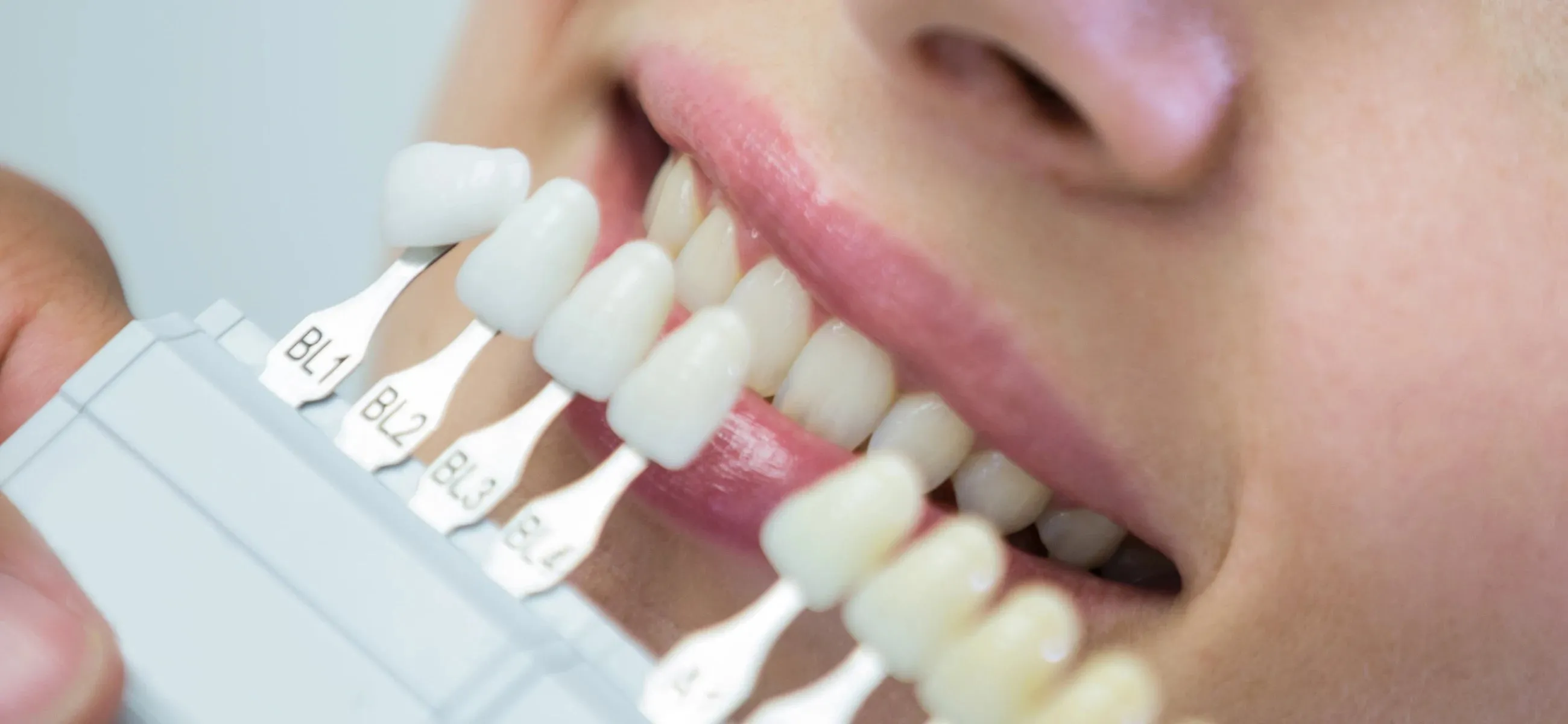
Understanding Instant Teeth Whitening
Achieving a brighter, more confident smile is a goal for many, and instant teeth whitening has become a popular solution. Unlike gradual whitening methods, which can take weeks, instant teeth whitening offers a rapid transformation. These procedures are designed to quickly remove stains and discoloration, giving you a noticeably whiter smile in a single session or within a few days. This immediate effect makes it an attractive option for individuals looking for a quick cosmetic enhancement before important events, such as weddings, job interviews, or social gatherings. The advancements in dental technology have made instant teeth whitening safer and more effective than ever before. However, it is essential to understand the different methods available, the potential benefits, and any associated risks to make an informed decision and maintain long-term oral health.
What is Instant Teeth Whitening?
Instant teeth whitening encompasses a range of cosmetic dental procedures aimed at quickly lightening the shade of your teeth. This process typically involves the application of a bleaching agent, usually a hydrogen peroxide or carbamide peroxide solution, to the tooth surface. The active ingredients in these solutions penetrate the enamel and dentin, breaking down the molecules responsible for staining. This can include stains caused by coffee, tea, tobacco, certain foods, and aging. The whitening process can be performed by a dental professional in a clinic setting or using take-home kits under the guidance of a dentist. The effectiveness and speed of the whitening depend on the concentration of the bleaching agent and the method employed, with in-office procedures generally yielding faster and more dramatic results. The choice of method often depends on the patient’s preferences, budget, and the severity of the discoloration.
Types of Instant Teeth Whitening

Instant teeth whitening methods vary, catering to different needs and preferences. The main categories include professional in-office treatments and at-home solutions, each with its own advantages. Understanding the different options allows you to select the best fit for your lifestyle and dental health. The choice between these options often depends on factors like budget, time constraints, and the desired level of whitening. Consulting with a dentist is crucial before starting any whitening treatment to determine its suitability and discuss the expected outcomes. This ensures that the selected method aligns with your individual dental health profile and cosmetic goals, maximizing the chances of a successful and satisfying outcome. Consider the benefits and limitations of each approach to make an informed decision, ensuring a bright and healthy smile.
Professional Teeth Whitening Options
Professional teeth whitening, performed by a dentist, offers the most dramatic and immediate results. These treatments use higher concentrations of bleaching agents than those available in at-home kits, accelerating the whitening process. Dental professionals can also take precautions to protect your gums and soft tissues, minimizing the risk of sensitivity. Several in-office procedures are available, each with slight variations in technique and technology. These procedures are not only effective but also provide a controlled environment where any potential side effects can be closely monitored and managed. The professional setting ensures optimal safety and can address a wider range of staining and discoloration issues. Before undergoing professional teeth whitening, a dentist will typically assess your oral health, identify any underlying issues, and discuss your cosmetic goals. This ensures that the treatment is tailored to your specific needs and that you achieve the best possible results. Proper pre-treatment care helps reduce potential risks and increases the likelihood of a successful outcome.
In-Office Whitening Procedures
In-office whitening procedures are the gold standard for instant results. The process usually involves applying a high-concentration bleaching agent to the teeth, which is then activated by a special light, such as a laser or LED light. This light accelerates the bleaching process, leading to a significant improvement in tooth color within a single session, which can often be completed in an hour or two. The dentist will first protect the gums and soft tissues using a protective barrier. The bleaching agent is then applied, and the light is directed at the teeth for several minutes. This process may be repeated multiple times during the session, depending on the desired outcome. In-office procedures are highly effective for removing both extrinsic (surface) and intrinsic (internal) stains. The immediate nature of these treatments makes them ideal for those who need quick results for special events or want a rapid smile makeover. The dentist closely monitors the process, ensuring patient comfort and managing any sensitivity that may arise.
Laser Teeth Whitening

Laser teeth whitening is a sophisticated form of in-office whitening that uses laser technology to accelerate the bleaching process. After the teeth are prepared and the bleaching agent is applied, a laser is used to activate the chemical reaction. The laser emits a specific wavelength of light that enhances the effectiveness of the whitening gel, leading to faster and more pronounced results compared to traditional methods. The laser precisely targets the bleaching agent, allowing for controlled and uniform whitening. Laser teeth whitening is known for its efficiency and ability to whiten teeth by several shades in a single session, making it an attractive option for those seeking instant results. The procedure is generally safe, and the dentist takes measures to protect the gums and surrounding tissues. The immediate impact of laser teeth whitening can boost confidence and provide a radiant smile quickly. However, as with any cosmetic procedure, individual results can vary depending on the patient’s oral health and the type of stains being treated.
At-Home Teeth Whitening Solutions
At-home teeth whitening solutions offer a convenient and cost-effective way to whiten teeth gradually. These methods include over-the-counter products like whitening toothpastes and strips, as well as custom-fit trays provided by your dentist. While at-home treatments typically involve lower concentrations of bleaching agents compared to in-office procedures, they still can deliver noticeable results over time. These solutions allow you to whiten your teeth in the comfort of your own home, fitting easily into your daily routine. However, it is essential to follow the product instructions carefully to avoid potential side effects, such as tooth sensitivity or gum irritation. Consulting with a dentist is advisable before starting any at-home whitening treatment to ensure that it is safe and suitable for your specific dental health. The dentist can also provide guidance on the correct usage and help you manage any concerns that may arise during the whitening process. At-home solutions provide flexibility and can be an excellent way to maintain the results of professional whitening or to achieve a brighter smile on a budget.
Whitening Toothpastes
Whitening toothpastes are an accessible and affordable option for maintaining a brighter smile. These toothpastes contain mild abrasives or chemical agents that help remove surface stains, such as those caused by coffee, tea, and tobacco. While they may not dramatically change the color of your teeth, they can effectively remove daily stains, giving your teeth a polished and cleaner appearance. It is important to choose whitening toothpastes that are ADA (American Dental Association) accepted, as these have been tested for safety and effectiveness. However, excessive use of abrasive toothpastes can potentially wear down tooth enamel over time. Therefore, it’s essential to use these products as directed and to alternate them with regular toothpaste. Whitening toothpastes are a great way to supplement professional treatments or maintain the results of at-home whitening, contributing to a consistent level of brightness and shine.
Whitening Strips

Whitening strips are a popular and convenient at-home teeth whitening method. These thin, flexible strips are coated with a peroxide-based whitening agent and are applied directly to the teeth. They are typically worn for a specific amount of time each day, as indicated by the product instructions. Whitening strips are designed to target surface stains and can provide noticeable results within a few weeks of regular use. The ease of application and the relatively low cost make whitening strips a popular choice for individuals looking to brighten their smiles. Different brands and formulations are available, offering varying concentrations of the whitening agent, so it’s important to choose a product that is suitable for your sensitivity levels. Following the product’s guidelines is important to avoid irritation or uneven whitening. Whitening strips can be an effective and practical way to achieve a brighter smile at home.
How to Choose the Right Method
Selecting the right instant teeth whitening method depends on various factors, including your budget, the severity of your staining, and your desired results. If you’re looking for the fastest and most dramatic results, professional in-office whitening, especially laser whitening, is often the best choice. This method is ideal for significant discoloration and offers immediate changes. For those with a more limited budget or a preference for gradual whitening, at-home solutions like whitening strips or custom-fitted trays provided by your dentist can be very effective. Consulting with a dentist is crucial to determine your oral health and to ensure that your teeth are suitable for whitening. Your dentist can also provide guidance on which methods are safe and most effective for your situation, considering factors like tooth sensitivity, existing dental work, and any underlying dental issues. Careful evaluation and a personalized plan from your dentist will allow you to choose the optimal method and achieve a brighter smile in a way that protects your dental health.
Factors to Consider
Several factors influence the effectiveness and suitability of instant teeth whitening. These include the type and severity of staining, your overall oral health, and the presence of dental work such as fillings, crowns, or veneers. The type of stain (extrinsic or intrinsic) affects the whitening approach. Extrinsic stains, which are on the surface of the teeth, respond well to over-the-counter methods, while intrinsic stains, which are deeper within the tooth structure, may require professional treatment for effective removal. Existing dental work does not whiten with the rest of the teeth. This means that if you have fillings or crowns, the whitening process will not change their color. It’s critical to assess your overall oral health, including any gum disease or cavities, before undergoing whitening, as these conditions should be addressed first. Sensitivity levels vary among individuals, and some people experience temporary sensitivity during or after whitening, which is a factor to consider. Consulting a dentist will help you understand these factors and tailor the whitening plan to your specific needs, achieving the best possible results while maintaining dental health.
Benefits of Instant Teeth Whitening

Instant teeth whitening offers several significant benefits that make it a sought-after cosmetic procedure. The most obvious benefit is a brighter, more radiant smile in a short period. This rapid transformation can significantly boost your confidence and self-esteem, making it easier to feel more comfortable in social and professional settings. Having a brighter smile has been linked to increased perceived attractiveness and youthfulness, creating a positive self-image. Instant teeth whitening can also motivate individuals to take better care of their oral hygiene, leading to improved overall oral health. The desire to maintain the results of the whitening often encourages better brushing habits, flossing, and regular dental check-ups. A whiter smile can also have a positive impact on your social interactions, making you feel more approachable and confident. Overall, the benefits extend beyond aesthetics, contributing to both emotional well-being and improved oral health.
Boosting Your Confidence
One of the most immediate and impactful benefits of instant teeth whitening is the boost in confidence. A brighter smile can dramatically improve your self-perception and make you feel more comfortable in social and professional situations. Feeling confident and secure about your appearance has profound effects on both your personal and professional life. This can lead to improved interactions, increased assertiveness, and greater overall happiness. The positive changes in self-esteem can also influence your interactions with others. People with brighter smiles often smile more, making them appear more friendly and approachable, which enhances their social connections and creates a more positive environment. By undergoing instant teeth whitening, individuals invest in themselves, enhancing their confidence and improving their overall quality of life, with lasting effects that extend beyond physical appearance.
The Impact on Oral Health
While the primary goal of instant teeth whitening is to improve the appearance of your smile, it can also have positive implications for oral health. The process itself, when performed by a dental professional and used with the right products, does not harm your teeth. In fact, the motivation to maintain a bright, white smile often encourages better oral hygiene practices. People are more likely to brush and floss regularly to protect their investment. Additionally, when you visit the dentist for teeth whitening, they check your overall oral health. This ensures that any existing problems, such as cavities or gum disease, are identified and addressed. Proactive dental care can prevent future health issues, safeguarding both your smile and overall health. The combined effect of improved oral hygiene and regular dental check-ups means that instant teeth whitening can support not only a beautiful smile but also a healthier mouth.
Maintaining Your White Smile

Maintaining the results of your instant teeth whitening requires a proactive approach, involving both lifestyle adjustments and consistent oral hygiene practices. Avoiding substances that stain teeth is crucial. This includes minimizing the consumption of coffee, tea, red wine, and tobacco products. If you do consume these, rinsing your mouth with water immediately afterward can help reduce staining. Regular brushing and flossing are essential for removing surface stains and preventing new ones from forming. Using a whitening toothpaste and mouthwash can also help maintain brightness. Regular dental check-ups and professional cleanings are essential to monitor your oral health and remove any stubborn stains. Your dentist can also provide touch-up treatments to maintain your results. By following these guidelines, you can extend the lifespan of your bright, white smile and continue to enjoy the benefits of instant teeth whitening long after the initial procedure. Consistency and proactive care are key to maintaining your radiant smile.
Diet and Lifestyle Tips
Your diet and lifestyle have a significant impact on the longevity of your teeth whitening results. Certain foods and beverages can stain teeth, negating the effects of your procedure. To protect your smile, limit your intake of staining foods and drinks, such as coffee, tea, red wine, dark berries, and soy sauce. If you consume these items, rinse your mouth with water immediately afterward. Using a straw when drinking beverages that can stain teeth can also help to minimize contact with your teeth. Avoiding tobacco products is also crucial, as smoking and chewing tobacco not only stain teeth but also harm your overall oral health. Maintaining a balanced diet rich in fruits, vegetables, and water supports good oral health. A healthy lifestyle, combined with diligent oral hygiene, will significantly improve your chances of keeping your teeth white and bright long after your whitening treatment.
Avoiding Stains
Avoiding stains is an essential part of maintaining your newly whitened smile. Some foods and beverages are notorious for causing stains, so minimizing your intake can protect your results. Beverages like coffee, tea, and red wine contain pigments that can easily stain tooth enamel. Dark-colored foods such as berries, soy sauce, and curries also contribute to staining. If you choose to consume these items, rinse your mouth with water immediately afterward. Using a straw when drinking can help limit the contact of staining beverages with your teeth. Tobacco products are a major cause of discoloration. Avoiding tobacco products will not only protect your teeth from staining but also significantly improve your overall oral health. Regular brushing and flossing can also help prevent staining by removing surface stains before they have a chance to set. Being mindful of your diet and lifestyle is essential to protecting your investment in teeth whitening.
Potential Risks and Side Effects

While instant teeth whitening is generally safe, it is essential to be aware of potential risks and side effects. The most common side effect is tooth sensitivity, which can occur during or after the procedure. This usually is temporary and subsides within a few days. Gum irritation is another potential side effect, especially if the bleaching agent comes into contact with the gums. Proper application techniques by a dental professional can help to minimize this risk. In rare cases, whitening can cause irritation to the throat or digestive tract if any of the bleaching agent is swallowed. Pre-existing conditions and the health of your teeth also influence the outcome. To mitigate any risks, consult with your dentist before undergoing any whitening treatment. They can evaluate your oral health, identify any potential issues, and recommend the most suitable whitening method. They can also give you advice on how to manage any side effects that might occur.
Sensitivity and Irritation
Tooth sensitivity and gum irritation are the most frequently encountered side effects of teeth whitening. Sensitivity to hot and cold temperatures is common, particularly with higher-concentration bleaching agents used in professional treatments. This happens because the bleaching agents can temporarily affect the enamel. The sensitivity is usually temporary, lasting for a few days after the procedure. To manage this, your dentist might recommend using a desensitizing toothpaste before and after the treatment. Gum irritation can occur if the bleaching agent comes into contact with the soft tissues. Dentists take precautions, such as using protective barriers, to shield the gums during in-office whitening. You can also use over-the-counter pain relievers to relieve pain and inflammation. Consult your dentist if these symptoms persist or become severe. Following these precautions and your dentist’s advice can minimize discomfort and ensure a smoother experience with instant teeth whitening.
Alternatives to Instant Teeth Whitening
While instant teeth whitening provides rapid results, several alternatives can address tooth discoloration and improve your smile. Dental veneers are a long-term cosmetic solution that covers the front surfaces of teeth, providing a brighter and more uniform appearance. Veneers are an excellent choice for severely stained, chipped, or misaligned teeth. Bonding involves applying a tooth-colored resin to the teeth to improve their appearance. This is a cost-effective option for minor imperfections. Teeth whitening is effective for mild to moderate staining. For more subtle changes, improving your oral hygiene, including regular brushing, flossing, and professional cleanings, can remove surface stains and keep your teeth looking their best. The best choice depends on your specific needs and the extent of discoloration. Consulting with a dentist can help you explore these options and determine the most appropriate treatment plan, ensuring you achieve a beautiful, healthy smile.