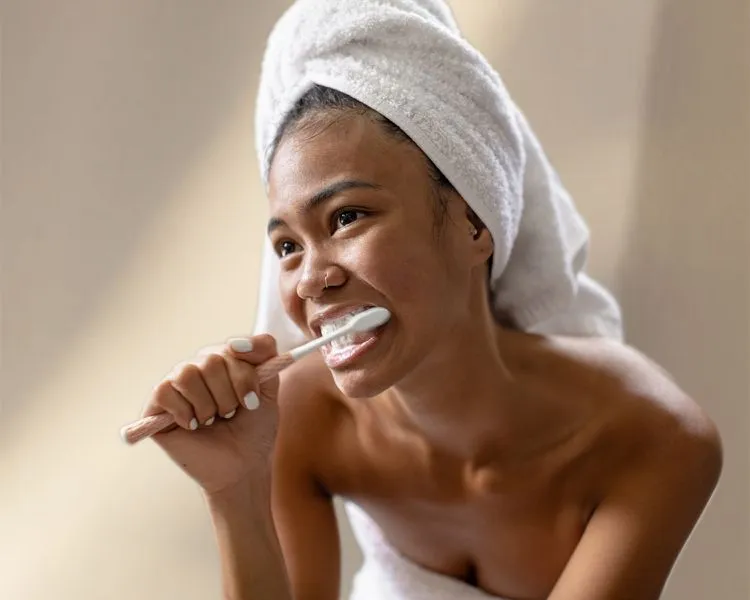
Understanding Hydrogen Peroxide and Teeth Whitening
The quest for a brighter smile often leads individuals to explore various teeth whitening methods, and one popular option that has gained traction is the use of hydrogen peroxide. Hydrogen peroxide, a common household chemical, is known for its bleaching properties. This article delves into how hydrogen peroxide can be used as a DIY teeth whitening solution, exploring its mechanisms, potential risks, and safe application methods. It’s important to approach this topic with a balanced perspective, understanding both the benefits and the precautions associated with this treatment.
How Hydrogen Peroxide Works for Whitening
Hydrogen peroxide works its magic on teeth through oxidation. When applied to the teeth, it breaks down into water and oxygen. The oxygen molecules then penetrate the enamel, the outermost layer of the tooth, and react with the stain molecules. These stain molecules are what cause the discoloration. By breaking down these stain molecules, hydrogen peroxide effectively lightens the appearance of the teeth, leading to a brighter smile. The effectiveness of this process depends on several factors, including the concentration of the hydrogen peroxide and the type of stains present.
The Science Behind the Stain Removal

The stains on your teeth can come from various sources such as coffee, tea, red wine, and tobacco. These substances contain chromogens, which are compounds that contain color pigments. When chromogens come into contact with the porous surface of the enamel, they can become trapped, causing discoloration. Hydrogen peroxide works at a molecular level by breaking the bonds that hold the stain molecules together. This process essentially decolorizes the stain molecules, making them less visible and leading to a lighter tooth shade. The duration and intensity of the whitening effect depend on the concentration of the hydrogen peroxide, the duration of its application, and the specific type of stain.
Risks and Precautions of Using Hydrogen Peroxide
While hydrogen peroxide can be effective, it’s important to be aware of the potential risks. Using hydrogen peroxide at high concentrations can cause tooth sensitivity and gum irritation. Excessive use or prolonged exposure can also damage the enamel, making the teeth more susceptible to decay. It is crucial to dilute hydrogen peroxide before use, usually to a 3% concentration, which is the standard concentration found in many household products. Always use it in moderation and follow recommended guidelines. If you experience any discomfort or sensitivity, it is recommended to discontinue use and consult a dentist. Image: hydrogen-peroxide-bottle
DIY Teeth Whitening Methods with Hydrogen Peroxide
There are several DIY methods for using hydrogen peroxide to whiten teeth. However, it’s crucial to approach these methods with caution and prioritize safety. Always start with a low concentration of hydrogen peroxide (3%) and perform a patch test to check for sensitivity. Here are a few popular methods, with detailed instructions below, keeping in mind the importance of moderation and safety.
Hydrogen Peroxide and Baking Soda Paste

Combining hydrogen peroxide with baking soda creates a paste that can act as a mild abrasive and whitening agent. Baking soda helps to remove surface stains, and hydrogen peroxide provides the bleaching effect. This combination can enhance the whitening process when used with caution. It’s important to avoid excessive use, as the abrasiveness of baking soda can potentially damage the enamel. Always brush gently and do not apply too much pressure. Image: baking-soda-paste
Step by Step Guide
- Mix a small amount of baking soda with hydrogen peroxide to form a paste. The consistency should be thick enough to stick to your teeth, but not too abrasive.
- Gently brush your teeth with the paste for about two minutes. Focus on the areas where you have the most staining.
- Rinse your mouth thoroughly with water.
- Use this method no more than once or twice a week to avoid damaging your enamel.
Hydrogen Peroxide Mouthwash
Using hydrogen peroxide as a mouthwash can help to whiten your teeth and also provide antibacterial benefits. However, it’s important to dilute the hydrogen peroxide properly to avoid irritation or damage. The recommended concentration for mouthwash is usually around 1.5% to 3%. Using a hydrogen peroxide mouthwash can contribute to a cleaner mouth and potentially whiter teeth, but it should not replace regular brushing and flossing. Image: mouthwash-teeth-whitening
How to Use it Correctly

- Mix equal parts of 3% hydrogen peroxide and water.
- Swish the mixture around your mouth for about 30-60 seconds.
- Spit out the solution and rinse your mouth with water.
- Use this mouthwash no more than once or twice a day.
Hydrogen Peroxide and Water Mixture
Another simple method is to mix hydrogen peroxide with water to create a diluted solution for brushing. This method is suitable for those who want a gentler approach. By diluting the hydrogen peroxide, you reduce the risk of sensitivity and irritation. It is crucial to maintain the correct ratio of hydrogen peroxide to water to ensure safety and effectiveness. This method should be used sparingly and with awareness of potential risks. Image: teeth-whitening-diy
Dilution and Application
- Mix equal parts of 3% hydrogen peroxide and water.
- Dip your toothbrush into the diluted solution.
- Brush your teeth gently for about two minutes.
- Rinse your mouth thoroughly with water.
Important Considerations Before You Start

Before attempting any DIY teeth whitening method, there are several important considerations to keep in mind. These precautions help ensure the safety and effectiveness of the treatment. The health of your teeth and gums is paramount. Consulting with a dental professional is always the best approach before undertaking any teeth whitening treatment. A dentist can assess your oral health, identify any underlying issues, and recommend the most suitable approach for your needs.
Consult Your Dentist
It is always advisable to consult your dentist before attempting any DIY teeth whitening methods. Your dentist can assess the condition of your teeth and gums, discuss potential risks, and advise you on the most appropriate course of action. They can also provide professional teeth whitening options that are safer and more effective. A professional assessment can prevent you from harming your teeth and gums. Image: dental-checkup
Realistic Expectations
It is important to have realistic expectations when using DIY teeth whitening methods. While hydrogen peroxide can help to lighten the appearance of your teeth, the results may not be as dramatic as professional treatments. The degree of whitening will depend on the type and severity of the stains, as well as the concentration of hydrogen peroxide used and the duration of the application. Be patient and consistent, and avoid expecting immediate or drastic changes. Image: white-smile
Monitoring for Sensitivity

Keep a close eye on your teeth and gums for any signs of increased sensitivity or irritation. If you experience any discomfort, such as increased sensitivity to hot or cold foods, stop using the hydrogen peroxide immediately and consult your dentist. Sensitivity can be a sign that the enamel is being affected or that your gums are being irritated. Discontinuing use and seeking professional advice is crucial to prevent further damage. Image: sensitive-teeth
Post-Whitening Care
After using hydrogen peroxide for teeth whitening, there are several steps you can take to maintain your results and ensure the health of your teeth and gums. Proper care is crucial for maximizing the benefits of the whitening process and minimizing any potential risks. Following these guidelines can help to preserve your brighter smile and promote overall oral health.
Maintaining Your White Smile
To maintain your white smile, it’s important to follow good oral hygiene practices. This includes brushing your teeth twice a day with fluoride toothpaste, flossing daily, and using an antibacterial mouthwash. Regular dental checkups and cleanings are also essential. Maintaining good oral hygiene helps to remove surface stains and prevent new stains from forming, thus helping to prolong the effects of the whitening treatment.
Foods to Avoid

Certain foods and drinks can stain your teeth and diminish the effects of teeth whitening. To maintain your bright smile, limit your consumption of stain-causing substances such as coffee, tea, red wine, and dark-colored sodas. These beverages contain chromogens that can easily stain the enamel. It’s also a good idea to avoid smoking and chewing tobacco, as these products can significantly discolor your teeth.
Regular Dental Checkups
Schedule regular dental checkups and cleanings with your dentist. Professional cleanings can remove surface stains and plaque, keeping your teeth looking their best. Your dentist can also assess your oral health, identify any potential problems, and recommend further treatments if necessary. Regular dental visits are an important part of maintaining a healthy and bright smile.
In conclusion, DIY teeth whitening with hydrogen peroxide can be a viable option for those seeking a brighter smile. However, it is essential to approach it with caution, understanding both the benefits and the risks involved. Always consult your dentist before starting any whitening treatment, and follow all safety guidelines. By being informed and responsible, you can safely explore DIY teeth whitening methods and achieve the smile you desire. Remember, oral health is paramount, and professional guidance is always the best approach.