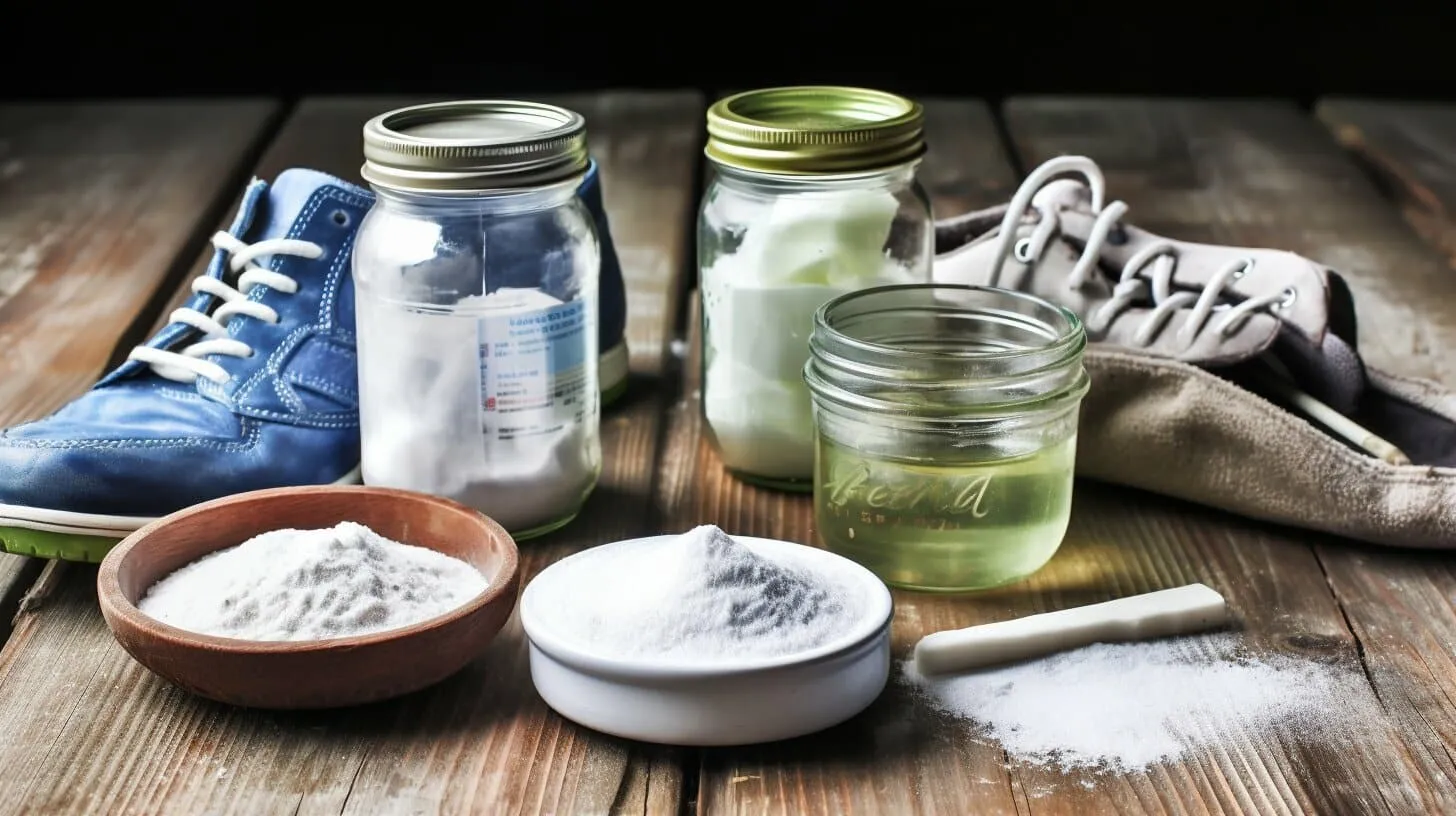
Why Baking Soda Works for Whitening Shoes
Keeping your shoes clean and white can be a challenge, especially when they encounter daily wear and tear. Fortunately, baking soda provides a simple, affordable, and effective solution for brightening your footwear. This common household ingredient possesses unique properties that make it ideal for cleaning and whitening various shoe materials. Understanding why baking soda is effective involves exploring its chemical composition and how it interacts with dirt, stains, and the shoe’s surface. Let’s dive into the science behind this cleaning powerhouse and discover how it can revitalize your shoes, making them look fresh and new again.
The Science Behind Baking Soda’s Cleaning Power
Baking soda, chemically known as sodium bicarbonate (NaHCO3), is a mild alkaline substance. Its alkalinity is key to its cleaning abilities. When mixed with water, it creates a slightly abrasive paste that can effectively lift dirt and grime from surfaces. This alkalinity also helps to neutralize acids, which are often components of stains. Additionally, baking soda has natural deodorizing properties, making it a great choice for removing odors that often accumulate in shoes. It’s a gentle cleaner, making it safe for various materials, and it’s readily available in most households, making it a go-to solution for many cleaning tasks.
Understanding the Mild Abrasive Effect

One of the primary reasons baking soda works so well is its mild abrasive nature. The tiny particles in baking soda act as a gentle scrub, helping to dislodge dirt and stains without damaging the shoe material. This is particularly important for shoes, where harsh chemicals can degrade the material or cause discoloration. The abrasive action helps to remove surface-level dirt and can also work on more stubborn stains, breaking them down and lifting them away. Compared to other cleaning agents, baking soda provides an effective cleaning solution without the risk of damage, making it a top choice for shoe care.
How Baking Soda Removes Stains and Dirt
Baking soda’s ability to remove stains and dirt is multifaceted. First, the mild abrasive action physically removes dirt and surface stains. Second, the alkaline properties neutralize acidic stains like those from juice or coffee, helping to break them down. Third, it has the ability to absorb odors, which often accompany dirt and stains. This comprehensive approach ensures that not only are the stains removed, but the shoes are also left fresh and clean. The result is shoes that look brighter, smell fresher, and are free from unwanted dirt and grime.
Materials You’ll Need to Whiten Your Shoes
Before you begin whitening your shoes with baking soda, gather the necessary materials to ensure a smooth and effective cleaning process. Having everything ready beforehand will streamline the process, allowing you to focus on cleaning rather than searching for supplies. The list is short and simple, requiring only items commonly found in most homes. Preparing your workspace and gathering these items will set the stage for successful shoe whitening.
Gathering Your Supplies

Gathering the right supplies is essential to a successful shoe-whitening session. Luckily, the list of required materials is short and uses items you likely already have. Preparing in advance ensures you have everything within easy reach and are ready to start the cleaning process.
Baking Soda
The star of the show! Make sure you have a box of baking soda readily available. This is the primary cleaning agent.
Water
You’ll need water to create the paste. Tap water works perfectly fine.
A Soft-bristled Brush

An old toothbrush or a soft-bristled cleaning brush will be useful for scrubbing the shoes. Avoid using hard-bristled brushes, which could damage the material.
A Bowl or Container
You’ll need a small bowl or container to mix the baking soda and water into a paste.
How to Prepare Your Shoes for Whitening
Before applying the baking soda paste, it’s important to prepare your shoes. Proper preparation enhances the effectiveness of the cleaning process and protects your shoes from damage. These steps ensure that you’re working with a clean surface and that your shoes are ready to receive the baking soda treatment.
Removing Loose Dirt and Debris

Start by removing any loose dirt or debris from your shoes. Use a dry brush or cloth to wipe away any surface dirt, mud, or dust. This will ensure that the baking soda paste can directly contact the shoe material for maximum cleaning effectiveness. Removing the surface dirt helps to prevent it from being rubbed further into the material during scrubbing.
Protecting the Laces
If your shoes have laces, it’s recommended to either remove them or protect them before applying the baking soda paste. You can remove the laces entirely and wash them separately, or you can use tape to cover the laces, ensuring that they are not directly exposed to the cleaning solution. This prevents them from being stained or damaged during the cleaning process.
The Step-by-Step Whitening Process
Whitening your shoes with baking soda is a straightforward process. The following steps outline how to create and apply the paste, scrub the shoes, and then rinse and dry them. This method is effective for various shoe materials, helping to restore their brightness and remove stains.
Creating the Baking Soda Paste

In a small bowl, mix baking soda with water to create a paste. The consistency should be thick enough to stick to the shoes but not too watery. A ratio of about three parts baking soda to one part water usually works well. Mix thoroughly until you achieve a smooth paste. This paste is what will do the cleaning.
Applying the Paste to Your Shoes
Apply the paste evenly to the shoes, covering the entire surface. Use the soft-bristled brush to spread the paste over the areas you want to clean. Ensure that the paste reaches all stained areas, as well as areas that need general cleaning. Don’t be afraid to apply a generous amount; this will help lift away dirt and stains.
Scrubbing the Shoes
Use the soft-bristled brush to scrub the shoes gently. Apply light pressure to avoid damaging the material, and focus on areas with stains or heavy dirt. The mild abrasive action of the baking soda will help to lift away dirt and grime. Continue scrubbing until you’re satisfied with the cleanliness of your shoes.
Rinsing and Drying

Once you’ve scrubbed the shoes thoroughly, rinse them with water to remove all traces of the baking soda paste. Ensure all the paste is rinsed off to prevent any residue. After rinsing, let the shoes air dry. Avoid using direct sunlight or heat, as this could cause discoloration or damage. Place them in a well-ventilated area until completely dry.
Whitening Different Shoe Materials
Baking soda can be used on a variety of shoe materials, but the approach may need slight adjustments depending on the material. Understanding the characteristics of different materials will ensure the best cleaning results without causing damage. The following sections provide specific instructions for the most common shoe materials.
Whitening Canvas Shoes
Canvas shoes are very receptive to baking soda cleaning. Follow the steps mentioned earlier. Canvas is a durable material, so you can apply slightly more pressure while scrubbing to remove stubborn stains. The baking soda paste will effectively penetrate the fabric, removing dirt and stains and restoring the original color of your canvas shoes.
Whitening Leather Shoes

When cleaning leather shoes, be extra gentle. Leather is a delicate material, so use a very soft brush and avoid excessive scrubbing. After applying the paste and scrubbing gently, wipe away the paste with a damp cloth. Allow the leather shoes to air dry completely, and then condition them with a leather conditioner to keep them soft and supple. This step will protect the leather from drying out.
Whitening Mesh Shoes
Mesh shoes are generally easy to clean with baking soda. Be gentle when scrubbing the mesh. The goal is to remove the dirt and stains without damaging the delicate mesh fibers. After cleaning, ensure that the shoes are thoroughly rinsed to remove all traces of the baking soda. Allow them to air dry completely before wearing them.
Tips for Maintaining Whitened Shoes
Once your shoes are clean and white, maintaining their appearance is key to prolonging their lifespan and keeping them looking their best. These tips will help you keep your shoes in top condition, avoiding frequent cleaning sessions.
Regular Cleaning
Regular cleaning is essential for maintaining the whiteness of your shoes. Wipe down your shoes after each wear to prevent dirt and stains from setting in. Use a damp cloth to remove surface dirt, and tackle any stains as soon as they appear. The quicker you address them, the easier they are to remove.
Preventing Stains
Taking preventive measures can help reduce the frequency of cleaning. Consider applying a protective spray to your shoes, especially if they are made of canvas or mesh. These sprays create a barrier against dirt and stains. Avoid wearing your white shoes in muddy or wet conditions. If you must wear them in such environments, take extra precautions to protect them.
Storage and Care
Proper storage and care will help to keep your shoes looking their best. Store your white shoes in a cool, dry place away from direct sunlight, which can cause discoloration. Use shoe trees to help maintain their shape and prevent creasing. Regularly inspect your shoes for any signs of wear and tear, and address issues promptly.
Troubleshooting Common Issues
Even with the best care, you might encounter some common issues when whitening shoes. Knowing how to address these problems will help you maintain the cleanliness and appearance of your footwear. Here are solutions for common challenges you might face.
Stubborn Stains
For stubborn stains, you may need to repeat the cleaning process multiple times. Apply the baking soda paste, scrub thoroughly, and rinse. Let the shoes dry completely between each cleaning. For particularly tough stains, you can try leaving the paste on the shoes for a longer period before scrubbing and rinsing. You can also add a small amount of hydrogen peroxide to your baking soda paste for extra stain-fighting power.
Yellowing
Yellowing can occur due to several factors, including exposure to sunlight or the aging of the shoe material. To combat yellowing, try washing your shoes with baking soda and water. Ensure they are dried in a shaded area to prevent further discoloration. If the yellowing is severe, you might consider using a specialized shoe whitener, but always test it in an inconspicuous area first to make sure it doesn’t damage the material.
When to Seek Professional Help
While baking soda is effective for many cleaning tasks, some situations may require professional help. If your shoes are made of very delicate materials like suede or if the stains are particularly resistant, consider consulting a professional shoe cleaner. They have specialized tools and solutions that can safely and effectively clean and restore your shoes. Additionally, if you’re uncomfortable cleaning your shoes yourself, a professional can provide excellent results.