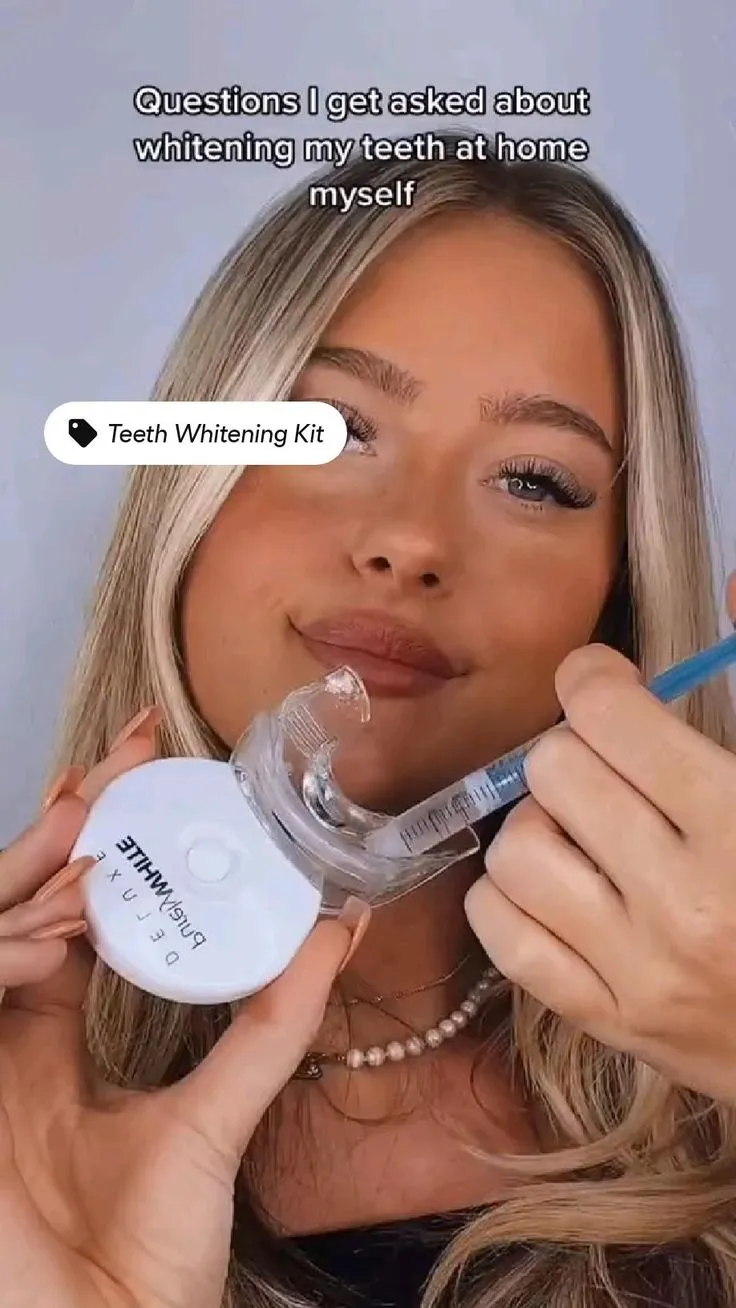
What is a Teeth Whitening Kit?
A teeth whitening kit is a convenient and accessible way to brighten your smile from the comfort of your home. These kits typically contain products designed to remove stains and discoloration from your teeth, leading to a noticeably whiter and more radiant appearance. They are a popular choice for those looking to enhance their smile without the need for professional dental procedures, offering a cost-effective alternative with varying levels of effectiveness. Understanding the different types of kits and their components is the first step towards achieving a sparkling smile.
Types of Teeth Whitening Kits
Teeth whitening kits come in various forms, each offering a unique approach to achieving a brighter smile. The most common types include whitening strips, whitening toothpaste, and whitening gels with trays. Each type uses different methods and concentrations of whitening agents to target stains and discoloration. The choice of kit depends on individual preferences, lifestyle, and the desired level of whitening. It’s essential to understand the pros and cons of each type to select the most suitable option for your needs.
At-Home Whitening Strips

Whitening strips are perhaps the most recognizable and widely used type of at-home teeth whitening kit. They are thin, flexible strips coated with a whitening agent, typically hydrogen peroxide or carbamide peroxide. These strips are designed to be applied directly to the teeth, adhering to the surface for a specific amount of time. The convenience and ease of use make whitening strips a popular choice for many people. They are available at most drugstores, making them readily accessible to anyone looking to whiten their teeth.
Whitening Toothpaste
Whitening toothpaste works by gently removing surface stains from your teeth. These toothpastes often contain mild abrasives and chemicals that help polish the teeth and reduce the appearance of discoloration. While whitening toothpaste can contribute to a brighter smile, it is typically less effective than other whitening methods, such as strips or gels. It is most effective for removing surface stains caused by food and drinks. Whitening toothpastes are a great addition to your daily oral hygiene routine.
Whitening Gels and Trays
Whitening gels and trays offer a more customized approach to teeth whitening. These kits include trays that are either pre-formed or custom-made to fit your teeth. You apply a whitening gel, usually containing a higher concentration of peroxide, to the trays and wear them for a specified amount of time. This method allows the whitening agent to be in direct contact with the teeth for a more extended period. This can lead to more significant whitening results. The use of custom trays can provide more even and effective whitening across the entire surface of the teeth.
Step-by-Step Guide on How to Use a Teeth Whitening Kit

Using a teeth whitening kit effectively involves following specific steps to ensure optimal results and minimize potential side effects. It’s essential to read and understand the instructions that come with your chosen kit, as methods and guidelines can vary. The following step-by-step guide provides a general overview of how to use a teeth whitening kit effectively. Always prioritize your oral health and seek advice from a dental professional when needed.
Preparing Your Teeth
Before using any teeth whitening kit, it’s essential to prepare your teeth properly. Brush your teeth gently to remove any food particles and debris. Floss thoroughly to remove any plaque or food lodged between your teeth. This ensures the whitening agent can effectively contact the surface of your teeth without interference from food particles or other buildup. It is important to avoid using any toothpaste with fluoride before applying the whitening agent, as it can interfere with the whitening process.
Applying the Whitening Agent
The application of the whitening agent is a crucial step in the teeth whitening process. The method varies depending on the type of kit you are using. Follow the instructions provided with your kit for precise application. Ensure that the whitening agent is applied evenly across the surfaces of the teeth that are visible when you smile. Avoid applying the whitening agent to your gums as it can cause irritation. Make sure to clean up any excess product that might get in touch with your gums, if applicable.
The Application Process for Strips, Gels, and Trays

For whitening strips, peel off the strips and apply them to your teeth, ensuring they cover the surfaces. For gels and trays, apply the gel to the trays according to the instructions and insert the trays into your mouth. For each method, follow the time instructions to get the best results. Remove the strips or trays carefully after the recommended time.
Following the Time Instructions
Adhering to the time instructions is essential for achieving the desired whitening results while minimizing the risk of side effects. The recommended usage time varies depending on the product and the concentration of the whitening agent. Overuse can lead to increased sensitivity or gum irritation. Set a timer to ensure you don’t exceed the recommended time. If you experience any discomfort during the whitening process, remove the product immediately and rinse your mouth with water.
Rinsing and Cleaning Up
After the whitening treatment, rinse your mouth thoroughly with water to remove any remaining whitening agent. This helps prevent any residual agent from irritating your gums or causing sensitivity. Clean your teeth gently with a soft-bristled toothbrush. Avoid brushing too aggressively, which can increase sensitivity. Clean your trays (if applicable) according to the manufacturer’s instructions, and store them in a clean, dry place. This ensures the longevity and effectiveness of the product.
Aftercare for Optimal Results

Taking care of your teeth after whitening can help maintain the results and prevent future discoloration. Aftercare involves making changes to your daily habits. This includes avoiding foods and drinks that can stain your teeth and maintaining good oral hygiene practices.
Avoiding Staining Foods and Drinks
Certain foods and drinks can stain your teeth and diminish the effects of the whitening treatment. Minimize or avoid the consumption of these staining agents. Common offenders include coffee, tea, red wine, dark-colored sodas, and foods like berries and sauces. Using a straw for dark-colored drinks can help to minimize contact with your teeth. Consider rinsing your mouth with water or brushing your teeth after consuming staining foods and drinks to help prevent discoloration.
Maintaining Good Oral Hygiene
Maintaining good oral hygiene is crucial for keeping your teeth white and healthy. Brush your teeth at least twice a day with a fluoride toothpaste. Floss daily to remove plaque and food particles from between your teeth. Regular dental check-ups and professional cleanings can also help remove stains and maintain the brightness of your smile. Consistent oral hygiene practices contribute to long-lasting teeth whitening results and overall dental health.
How Often Should You Whiten Your Teeth?

The frequency of teeth whitening depends on the specific kit you are using, your oral health, and your personal preferences. Do not overuse the whitening kit, as it can increase the risk of side effects like sensitivity. It’s essential to adhere to the instructions provided with your chosen kit and avoid frequent or prolonged use. Consult with your dentist to determine the best whitening schedule for your individual needs and oral health conditions. They can offer personalized advice and help you avoid damaging your teeth.
Possible Side Effects and How to Manage Them
While teeth whitening kits are generally safe, some users may experience side effects. Common side effects include tooth sensitivity and gum irritation. The severity of these side effects varies from person to person. Understanding these potential issues and how to manage them is essential for a positive whitening experience.
Sensitivity
Tooth sensitivity is a common side effect of teeth whitening, especially when using high-concentration whitening agents. To manage sensitivity, use toothpaste designed for sensitive teeth. Avoid consuming extremely hot or cold foods and drinks. If sensitivity persists, reduce the frequency or duration of the whitening treatments. If the sensitivity is severe, consult your dentist. They may recommend other solutions or methods to reduce the discomfort.
Gum Irritation

Gum irritation can occur if the whitening agent comes into contact with your gums. To prevent this, ensure that the whitening product doesn’t touch your gums during application. If you experience gum irritation, rinse your mouth thoroughly with water. Avoid using the whitening product until your gums have healed. Consult your dentist if the irritation is severe or doesn’t improve. They can assess the cause and provide appropriate treatment or advice.
When to See a Dentist
While at-home teeth whitening kits can be effective, there are situations where you should seek professional dental care. See your dentist if you experience severe sensitivity or gum irritation that doesn’t improve. If you have underlying dental issues, such as cavities or gum disease, it’s crucial to address these before whitening your teeth. Your dentist can assess your oral health and determine the best course of treatment. They can also provide professional whitening treatments that are more effective and customized for your needs.
Alternatives to Teeth Whitening Kits
If you are looking for alternative options to teeth whitening kits, there are several methods you can consider. These alternatives offer different approaches to achieving a brighter smile, from professional dental treatments to other cosmetic dentistry options.
Professional Whitening Treatments
Professional teeth whitening treatments performed by a dentist offer the most significant and immediate results. These treatments use higher concentrations of whitening agents. They are designed to whiten teeth more effectively and safely. The dentist can also apply protective measures to your gums. They often offer in-office whitening procedures. They can also provide take-home kits with stronger formulations than those available over the counter. These treatments are more costly. They also provide better results.
Other Cosmetic Dentistry Options
Besides teeth whitening, other cosmetic dentistry options can improve the appearance of your smile. Dental veneers are thin shells custom-made to cover the front surface of your teeth, correcting discoloration, chips, and gaps. Dental bonding involves applying a tooth-colored resin to your teeth to improve their appearance. Both veneers and bonding provide lasting results and enhance your smile’s overall aesthetics. Consult with your dentist to discuss the best cosmetic options for your teeth and smile.