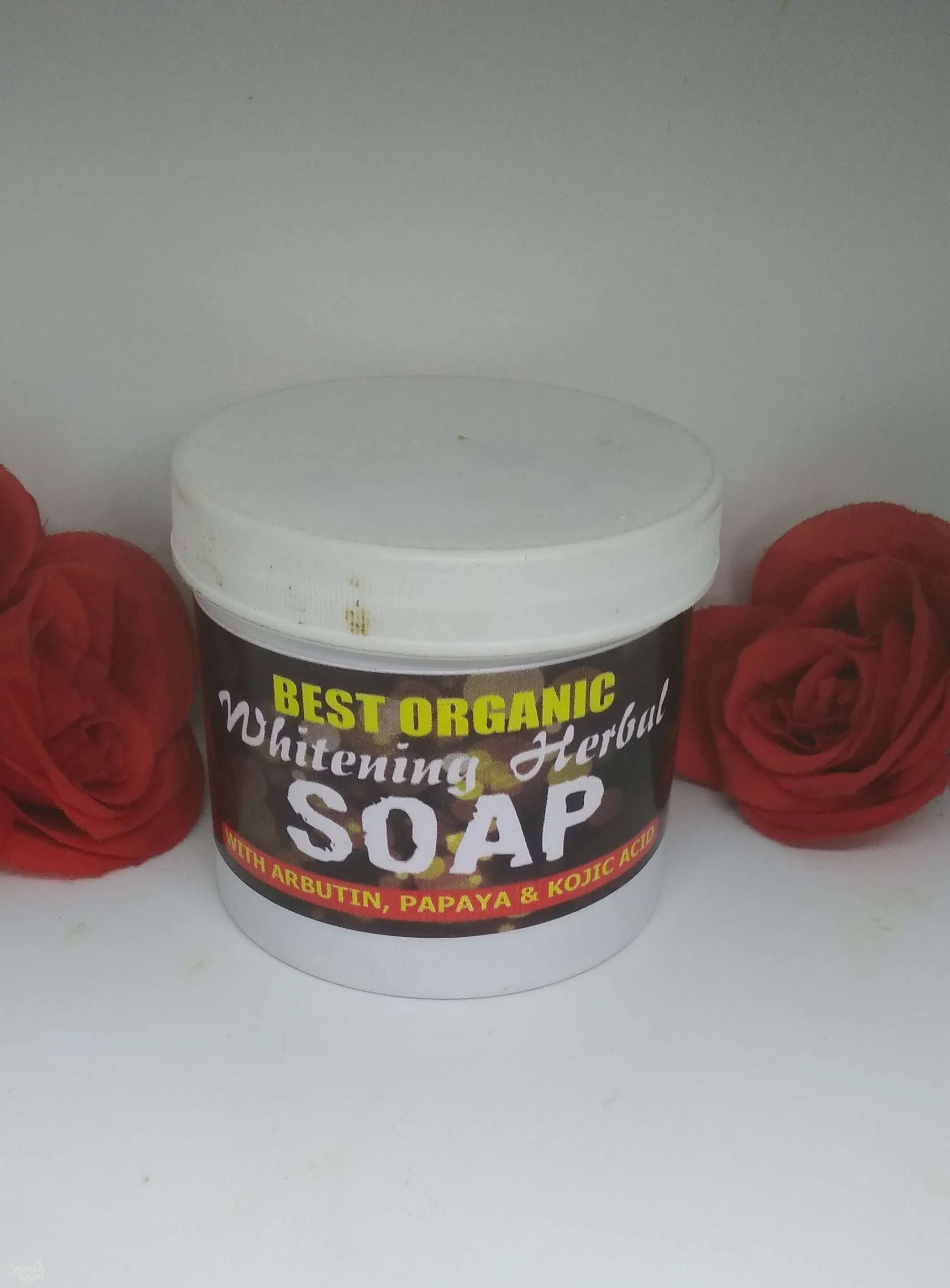
What is Natural Whitening Soap
Natural whitening soap is a skin-friendly product designed to lighten skin tone, diminish dark spots, and reduce uneven pigmentation. This type of soap distinguishes itself from conventional whitening products by using natural components, such as plant extracts, essential oils, and natural exfoliants. These ingredients work harmoniously with the skin’s natural processes. By choosing natural ingredients, these soaps aim to offer a safer and healthier option, reducing the likelihood of irritation and adverse reactions. It’s an especially beneficial choice for those with sensitive skin or those who prefer a holistic approach to skincare. This is a great option for your skin!
Benefits of Using Natural Whitening Soap
Natural whitening soap provides numerous benefits beyond simply lightening the skin. One of the primary advantages is the absence of harsh chemicals commonly found in many commercial products. These chemicals can cause irritation, dryness, and long-term damage. Natural soaps, on the other hand, are typically formulated with gentle, skin-loving ingredients that cleanse, nourish, and hydrate the skin. Furthermore, natural soaps often contain antioxidants and vitamins that promote skin health, protect against environmental damage, and contribute to a more youthful complexion. Regular use of natural whitening soap can lead to a brighter, more even skin tone, reduced appearance of dark spots and blemishes, improved skin texture, and enhanced overall skin health. It is also an eco-friendly choice, as natural soaps are often made with sustainable practices and biodegradable ingredients.
Ingredients You’ll Need

Creating your own natural whitening soap requires a careful selection of ingredients that work synergistically to achieve the desired results. These ingredients typically include a combination of base oils, essential oils, and other additives. Common base oils include olive oil, coconut oil, palm oil (ensure it is sustainably sourced), and shea butter, each contributing different properties to the soap, such as moisturizing, cleansing, and hardness. Essential oils play a crucial role in whitening and brightening the skin; popular choices are lemon, orange, tea tree, and licorice extract. Other additives that may be used are natural exfoliants like oatmeal or coffee grounds, and natural colorants such as turmeric and spirulina. Understanding the specific functions and properties of each ingredient is essential for creating an effective and safe whitening soap. (Image: natural-whitening-soap-ingredients.webp)
Essential Oils for Whitening Soap
Essential oils are the heart of any whitening soap recipe, providing the potent natural compounds that target hyperpigmentation and promote skin brightening. Lemon and orange essential oils are rich in Vitamin C and antioxidants, which can help to lighten dark spots and even skin tone, however, you must avoid exposure to the sun after using these oils. Tea tree oil possesses antibacterial properties, that can help to fight against the bacteria that contribute to acne and other skin imperfections. Licorice extract is known for its ability to inhibit melanin production, which reduces the appearance of dark spots and protects against sun damage. Always use high-quality, pure essential oils, and be mindful of potential sensitivities. It’s essential to perform a patch test before using any new essential oil, to ensure that you’re not allergic. The essential oils should be added to the soap in appropriate amounts, as excessive use can lead to skin irritation. Choosing the right essential oils can make or break your soap!
Base Oils for Soap Making
The choice of base oils significantly impacts the final properties of your soap, from its cleansing ability and lather to its moisturizing and hardness levels. Olive oil, known for its gentle cleansing properties, produces a mild soap that is excellent for sensitive skin. Coconut oil contributes to a hard bar with a rich lather, while palm oil (ethically sourced) adds hardness and stability. Shea butter and cocoa butter offer deep moisturizing benefits, creating a luxurious, emollient soap. Experimenting with different combinations of base oils allows you to customize your soap to meet your specific skin needs and preferences. Keep in mind the saponification values of each oil, which determine the amount of lye needed to convert the oils into soap. (Image: natural-whitening-soap-making.webp)
Lye Safety Precautions

Working with lye (sodium hydroxide) is a crucial aspect of making soap and demands utmost care and attention to safety. Lye is a caustic substance that can cause severe chemical burns if it comes into contact with skin or eyes. Always wear protective gear, including gloves, safety glasses, and a long-sleeved shirt, when handling lye. Work in a well-ventilated area to avoid inhaling fumes. Slowly add the lye to the water, never the other way around, to prevent a sudden, violent reaction. Keep lye and lye solutions away from children and pets. If lye comes into contact with your skin, immediately flush the affected area with plenty of cold water for at least 15 minutes and seek medical attention. Thorough preparation and meticulous adherence to safety protocols are essential for a safe and successful soap-making process. (Image: lye-safety-precautions.webp)
Step-by-Step Guide to Making Natural Whitening Soap
Making natural whitening soap at home is a rewarding project that allows you to control the ingredients and customize the soap to your unique needs. The process involves several key steps that, when followed carefully, yield a high-quality, effective product. Before beginning, ensure you have all your ingredients and equipment prepared. Weigh your oils, lye, and water accurately. Prepare the molds and have all your protective gear on. These steps will help you create a wonderful soap that will bring satisfaction to your skin. Remember to stay focused and enjoy the process! Make sure to plan before starting.
Prepare Your Workspace and Equipment
Before starting your soap-making adventure, prepare your workspace and gather all necessary equipment. Choose a well-ventilated area, as lye fumes can be irritating. Lay down protective covering on your work surface to prevent damage. Gather your ingredients, including base oils, essential oils, lye, and distilled water. Ensure you have a digital scale to measure ingredients accurately. You’ll also need heat-safe containers for mixing, a stainless steel pot for melting oils, a stick blender for emulsifying the mixture, and a thermometer to monitor temperatures. Prepare your molds by lining them with parchment paper or silicone liners. Wear all protective gear, including gloves, safety glasses, and a long-sleeved shirt. This preparation is important to maintain safety and a smooth process. (Image: mixing-lye-solution.webp)
Mixing the Lye Solution

This is one of the most crucial steps in the soap-making process, requiring extreme caution. Slowly pour the lye into the distilled water, never the other way around. Stir gently with a heat-resistant utensil until the lye is completely dissolved. The mixture will heat up significantly, so be patient and allow it to cool down to the temperature specified in your recipe, typically around 100-120°F (38-49°C). Use a thermometer to monitor the temperature accurately. Prepare the lye solution in a well-ventilated area, as fumes can be released during the reaction. Make sure to keep this solution away from children and pets. Once the lye solution is ready, set it aside to cool while preparing your oils. Safety is key, so please pay attention to all of the safety measures.
Combining Oils and Lye Solution
Once both the lye solution and the oils have reached the appropriate temperature, it’s time to combine them. Slowly pour the lye solution into the oils, while stirring gently. Use a stick blender to emulsify the mixture, pulsing the blender to avoid over-blending. Continue to blend until the mixture reaches a “trace” consistency, which is when the mixture thickens slightly and leaves a trail when drizzled from the blender. At this point, you can add essential oils, colorants, and other additives. Over-blending can cause the soap to harden too quickly, so keep a close watch on the consistency. You should also take note of the trace, which is key in making soap. This step makes the soap ready for additives. Take your time to make sure the soap is not too thick.
Adding Essential Oils and Other Ingredients
Once the soap mixture has reached trace, it is time to add the essential oils and any other desired ingredients. Add the essential oils gradually, stirring gently to distribute them evenly throughout the soap. If using natural colorants, such as clays or oxides, mix them with a small amount of oil or water before adding them to the soap to prevent clumping. For exfoliants, such as ground oatmeal or coffee grounds, add them after the essential oils. Stir the mixture gently until all the ingredients are well-incorporated. Be mindful of the scent and properties of each essential oil, and consider combining oils that have synergistic benefits for whitening and skin health. This is a good time to add your favorite scents and colors to make your soap more unique. Adding the right ingredients will make your soap stand out! (Image: curing-soap.webp)
Pouring the Soap into Molds

Once all the ingredients are incorporated, it’s time to pour the soap mixture into your prepared molds. Pour the soap evenly, taking care not to create air bubbles. You can tap the mold gently on the counter to release any trapped air. If you want to create decorative patterns or layers, you can use a spatula or skewer to swirl the soap. After pouring, cover the mold with a lid or a towel to insulate it and help it saponify completely. The soap needs to stay warm to help the saponification process, the time it takes for the lye to react with the oils. Leave the soap in the mold for 24-48 hours, or until it is firm enough to cut. Make sure that you are precise when doing this. (Image: whitening-soap-storage.webp)
Curing the Soap
After unmolding the soap, it’s time to cure it. Curing is a crucial process that allows the soap to harden and become milder and longer-lasting. Cut the soap into bars, if necessary, and place them on a well-ventilated rack, allowing air to circulate around each bar. The curing process usually takes 4-6 weeks, during which time the water content in the soap evaporates, and the saponification process continues. Rotate the bars occasionally to ensure even curing. The soap will become harder and the pH level will decrease as it cures, resulting in a more gentle and effective product. Patience is key during the curing process, as it significantly impacts the quality of your homemade soap. Remember, good things come to those who wait! (Image: natural-whitening-soap-finished.webp)
Tips for Effective Natural Whitening Soap
Making effective natural whitening soap involves more than just following a recipe. The selection of ingredients, the handling of the soap during the production process, and the storage of the soap all play vital roles in the final result. By understanding and implementing these tips, you can create a high-quality soap that truly meets your skincare needs. Pay attention to these essential details to get a perfect soap with optimum results. These will help you take your soap to the next level.
Choosing the Right Ingredients

The effectiveness of your whitening soap heavily relies on the quality of your ingredients. Choose high-quality base oils, such as olive oil, coconut oil, and ethically sourced palm oil, for their moisturizing and cleansing properties. Select essential oils known for their whitening and brightening effects, such as lemon, orange, tea tree, and licorice extract. When choosing additives, look for natural exfoliants, like oatmeal or coffee grounds, and natural colorants, such as turmeric. Research the properties and benefits of each ingredient to ensure that they complement each other and are suitable for your skin type. Always perform patch tests with new ingredients before using them in a full batch of soap. This will help you avoid reactions.
Proper Soap Handling and Storage
Proper handling and storage can significantly extend the life and effectiveness of your natural whitening soap. After cutting and curing the soap, store it in a cool, dry place away from direct sunlight. Allow air to circulate around the soap bars to facilitate the curing process and prevent the development of mold. When using the soap, place it on a well-draining soap dish to allow it to dry between uses. Avoid storing the soap in humid environments, as this can cause it to become soft and dissolve quickly. By following these storage tips, you will keep your soap in its best form for as long as possible. Make sure your soap is stored properly!
Addressing Common Problems
Even the most experienced soap makers can face challenges during the process. Addressing these issues effectively requires understanding the potential causes and implementing appropriate solutions. Troubleshooting common problems can save you time and ingredients and allow you to create a more consistent, high-quality product. By taking a proactive approach, you can learn from your mistakes and improve your soap-making skills. Having a plan in mind is always essential. Know your ingredients and the process, and don’t panic.
Troubleshooting Soap Making Issues

Several common issues may arise during the soap-making process. If the soap is too soft, it could be due to excess water or the use of too much soft oil. To fix this, use less water or increase the proportion of hard oils in your recipe. If the soap is too hard, it might be caused by too much lye or the use of too many hard oils. To solve this, reduce the lye amount slightly or increase the proportion of softer oils. Cracking can occur if the soap cools too quickly. Insulate the mold and allow it to cool slowly. If the soap has a grainy texture, it might be due to uneven mixing or improper cooling. Ensure you mix the soap thoroughly and allow it to cool slowly. If you find any problems, consult resources such as online forums, or contact experienced soap makers, who can offer useful advice. Always remember that practice makes perfect!